Source bio-organic trichoderma harzianum powder for crops, soil, and plants
Compare 30 listings of bio-organic trichoderma harzianum powder from verified Chinese suppliers. Buyers can evaluate purity, activity levels, packaging options, and storage requirements for agricultural and health food applications.
Key considerations
Products List
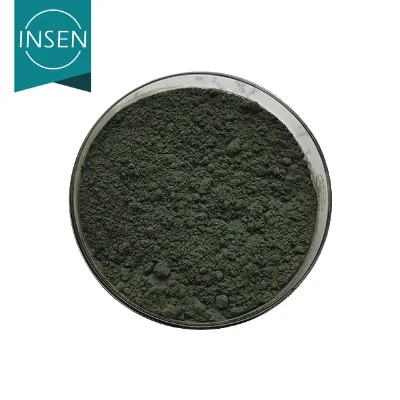
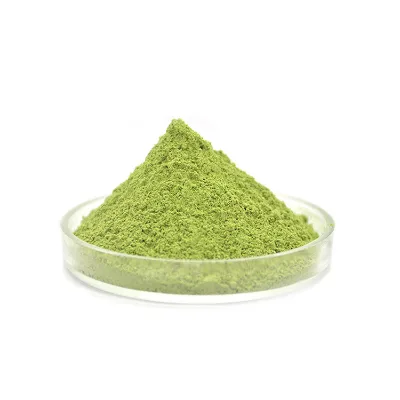
Natural Trichoderma Harzianum T-22 Water Soluble Trichoderma Harzianum
$10.00 - $15.00
MOQ: 1 kilograms
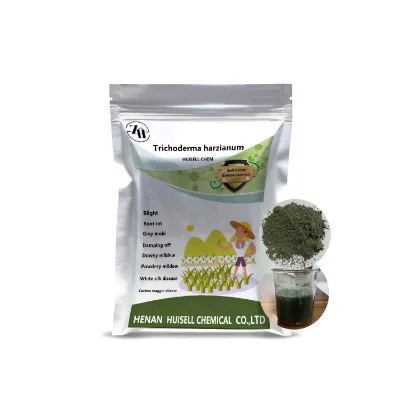
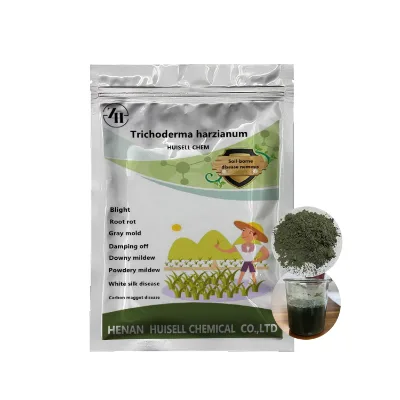
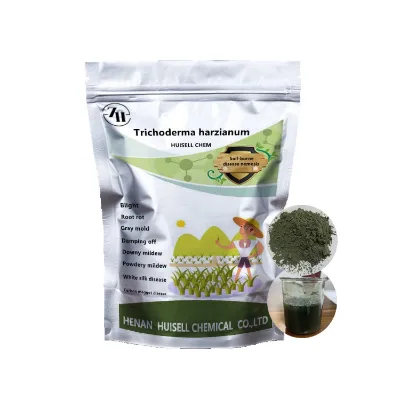
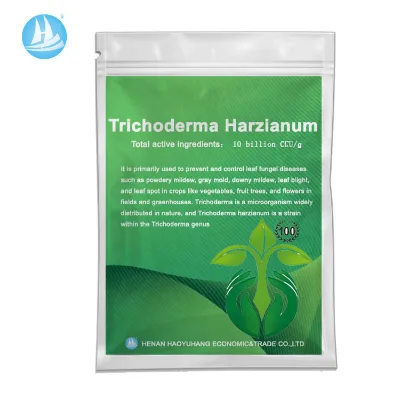
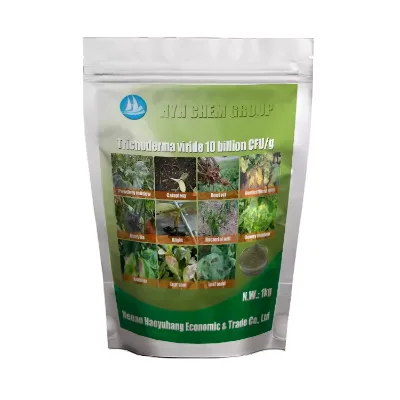
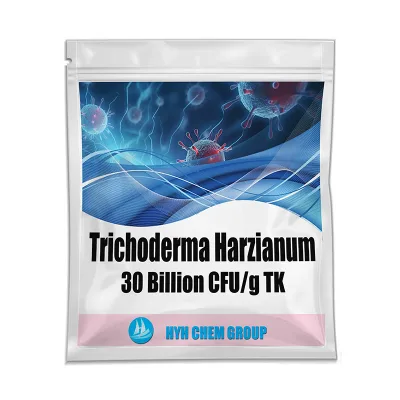


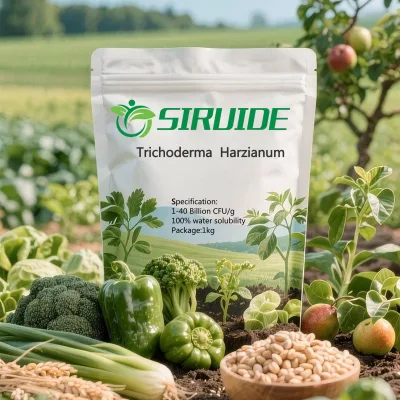
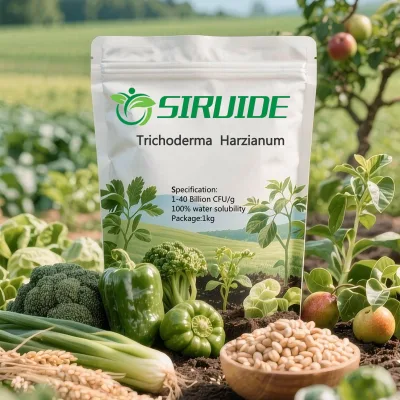
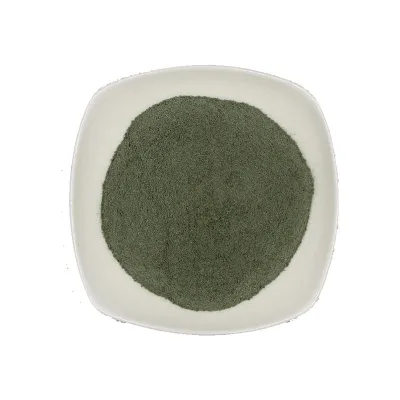
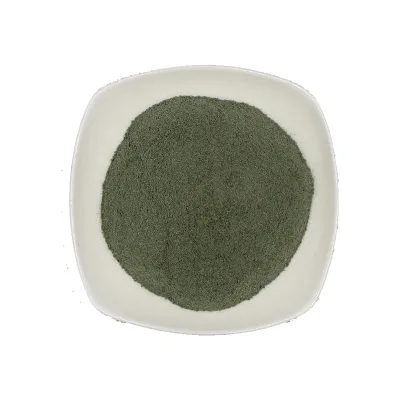
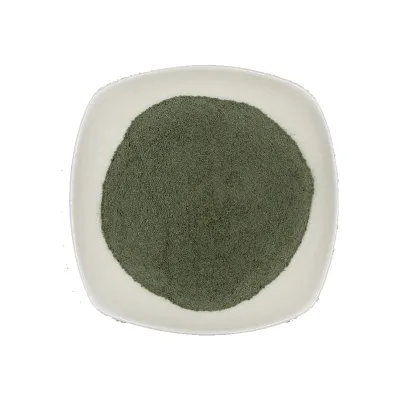
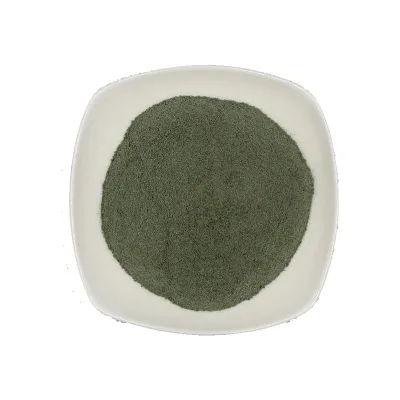
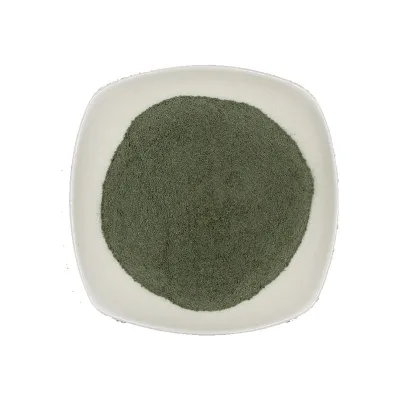
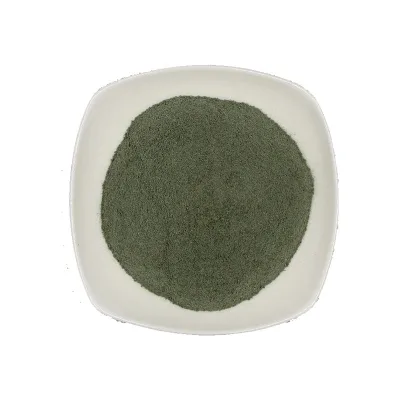
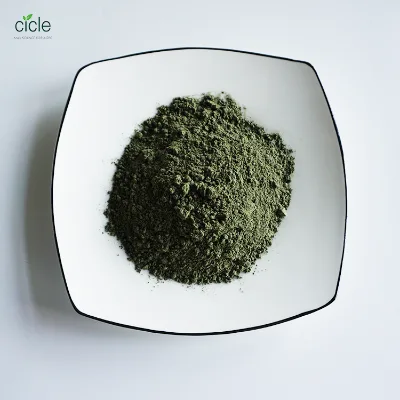
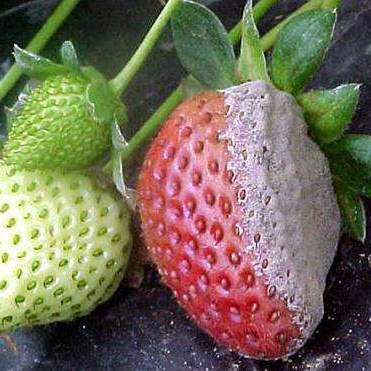
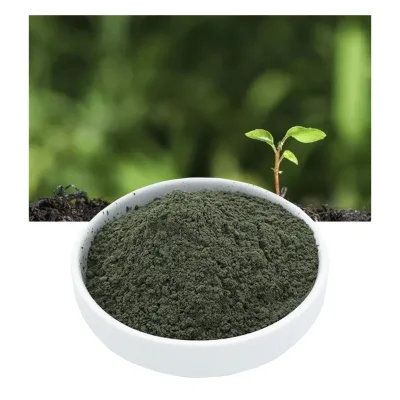
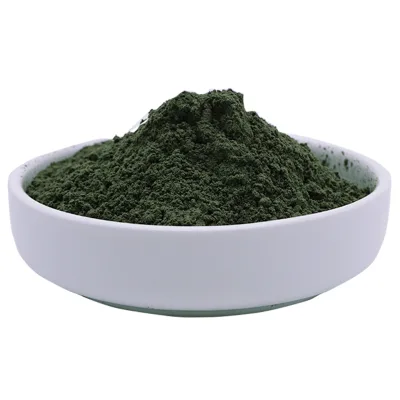
Trichoderma Harzianum 5 - 10 Billion Cfu/g Biofungicide Microbial fertilizer
$8.14 - $30.53
MOQ: 1 Minimum

Comprehensive Sourcing Guide
Strategic Sourcing Guide for Bio-Organic Trichoderma Harzianum Powder
Understanding Technical Specifications and Biological Attributes
When sourcing bio-organic Trichoderma harzianum powder, buyers must first establish a clear understanding of the product's fundamental biological and physical specifications. The core of this product is a beneficial fungus used primarily as a biological fertilizer and plant growth regulator. In the current market, the product is consistently identified by its scientific name, Trichoderma harzianum, and often appears under alternative names such as "trichoderma harzianum t-22" or simply "Trichoderma harzianum powder." The physical state of the product is invariably a powder, with observed appearances ranging from green powder to light green or green powder. This visual characteristic is a primary indicator of the fungal strain's viability and purity during initial inspection.
A critical technical parameter for any biological fertilizer is the concentration of active spores. Market observations indicate that activity levels vary significantly between suppliers. Some listings specify an activity of 20 billion colony-forming units per gram (cfu/g), while others may list 10 billion cfu/g. Buyers must verify the specific cfu/g value for their intended application, as this directly correlates with the dosage required for effective soil treatment or seed coating. The particle size is another essential specification; high-quality powders typically ensure that 100% of the material passes through an 80-mesh sieve, ensuring uniform distribution in soil or water.
The purity of the product is another non-negotiable metric. While some specifications list a purity of 99%, this figure often refers to the dry weight or the absence of non-fungal contaminants rather than the biological concentration. Buyers should distinguish between chemical purity and biological viability. Furthermore, the extraction or production method is relevant; some products are associated with solvent extraction methods, while others are produced through artificial planting or specific fermentation processes. The model numbers assigned to these products, such as "Insen-Trichoderma Harzianum Powder" or "RSN-Trichoderma Harzianum powder," serve as unique identifiers for specific formulations but do not inherently guarantee quality without supporting test data.
Compliance, Certification, and Regulatory Standards
Navigating the regulatory landscape for biological fertilizers requires rigorous verification of certifications and compliance standards. The global market for bio-organic products is subject to varying national and international regulations. In the context of sourcing from China, buyers should look for suppliers who hold recognized quality management certifications. Observed data indicates that suppliers may possess ISO9001 certification, which validates their quality management systems. Additionally, for products intended for specific dietary or health-related applications, certifications such as Halal and Kosher may be present, though these are more common in food-grade variants.
The distinction between "fertilizer" and "health food" applications is critical for compliance. While the primary application for Trichoderma harzianum powder is as a fertilizer to enhance plant growth, some listings categorize the product under health food or food-grade materials. This classification dictates the strictness of the regulatory requirements. If the product is marketed for agricultural use, it must comply with local agricultural ministry regulations regarding biological pesticides or fertilizers. If marketed for human consumption or animal feed, it must meet food safety standards.
Buyers must verify the specific CAS number associated with the product to ensure chemical consistency, with 67892-31-3 being a referenced identifier in the market. However, since Trichoderma harzianum is a living organism, the CAS number serves more as a reference for the strain or specific extract rather than a pure chemical compound. The test methods used to verify the product's quality are equally important. Common testing protocols include the spread plate method for counting viable spores and HPLC (High-Performance Liquid Chromatography) or UV analysis for purity and contaminant detection. Buyers should request recent test reports utilizing these specific methods to confirm that the product meets the claimed specifications before placing large orders.
Cost Drivers and Pricing Structures
The pricing of Trichoderma harzianum powder is influenced by a complex interplay of factors, including biological activity, packaging, and supply chain logistics. The observed price range in the market spans from 5 to 95 USD, a wide variance that reflects differences in concentration, brand reputation, and packaging formats. The primary cost driver is the biological activity level; products with 20 billion cfu/g will generally command a higher price than those with 10 billion cfu/g due to the higher cost of fermentation and quality control required to maintain such high viability.
Packaging plays a significant role in the final cost. The product is typically available in various configurations, such as 1kg bags, 20kg drums, or 25kg paper drums and cartons. Some suppliers offer customized packaging, which can increase the unit cost due to the setup and labor involved. The single package size also affects logistics; for instance, a single package size of 20x10x10 cm versus 15x20x10 cm will impact the number of units that can be loaded into a shipping container, thereby influencing the per-unit shipping cost.
Minimum Order Quantity (MOQ) is another critical factor affecting the effective cost per unit. The market shows an MOQ range from 1 unit to 500 units. Smaller MOQs, such as 1 unit, are often associated with higher per-unit prices, catering to buyers seeking samples or small-scale trials. Conversely, larger orders that meet higher MOQ thresholds often benefit from economies of scale, reducing the per-unit cost. Buyers should also consider the supply ability of the manufacturer. Suppliers with a monthly supply ability of 2,000 kilograms versus those capable of 100,000 boxes per month may have different pricing structures based on their production capacity and inventory management strategies.
Typical Applications and Usage Scenarios
Trichoderma harzianum powder is a versatile biological agent with applications spanning agriculture, horticulture, and potentially health-related sectors. The primary application is as a fertilizer, specifically designed to promote plant growth and protect crops from soil-borne pathogens. As a plant growth regulator, it enhances root development, improves nutrient uptake, and stimulates the plant's natural defense mechanisms. This makes it particularly valuable in organic farming systems where synthetic pesticides are restricted.
The product is also utilized in the cultivation of fruits, as indicated by the "Part: fruit" attribute in some specifications. In this context, the powder is applied to soil or used as a seed treatment to prevent root rot and other fungal diseases that can devastate fruit crops. The controlled release type of the product ensures that the beneficial fungi remain active in the soil for an extended period, providing long-term protection.
In addition to agricultural uses, some market listings categorize the product under health food applications. This suggests potential uses in probiotic supplements or functional foods, although this is less common than its agricultural use. For these applications, the product must meet food-grade standards, which are often stricter than those for agricultural fertilizers. The extraction type, such as solvent extraction, may be relevant for isolating specific bioactive compounds for these health-related products. Buyers must clearly define their intended application to ensure they source a product that meets the specific regulatory and performance requirements for that use case.
Supplier Evaluation and Operational Capabilities
Evaluating suppliers of Trichoderma harzianum powder requires a deep dive into their operational capabilities and logistical strengths. The place of origin is a key indicator of supply chain stability; major production hubs in China, such as Hunan and Shaanxi provinces, are known for their agricultural biotechnology sectors. Buyers should verify the specific location of the supplier to assess the proximity to raw material sources and the reliability of local logistics.
The supply ability of the supplier is a critical metric for ensuring consistent inventory. Some suppliers may offer a monthly supply of 2,000 kilograms, while others can provide up to 100,000 boxes per month. Buyers must align their order volume with the supplier's capacity to avoid delays. The port of dispatch is another logistical factor; most suppliers operate out of main Chinese ports, which facilitates international shipping but requires buyers to consider freight costs and transit times.
Service capabilities, such as OEM (Original Equipment Manufacturer), ODM (Original Design Manufacturer), and private label services, are also important considerations. Many suppliers offer these services, allowing buyers to brand the product according to their own specifications. This is particularly useful for companies looking to build their own brand in the agricultural or health food sectors. The availability of samples is another indicator of supplier confidence; most suppliers offer Trichoderma harzianum powder samples for testing, allowing buyers to verify the product quality before committing to a large order.
Quality Control and Shelf Life Management
Maintaining the quality of Trichoderma harzianum powder throughout the supply chain is essential for its efficacy. The product is a living organism, and its viability is highly sensitive to environmental conditions. Storage requirements are strict; the product must be kept in a cool, dry place, avoiding direct sunlight. Some specifications emphasize "sealed dry cool storage" to maximize longevity. The shelf life of the product varies, with observed ranges from 1 year to 24 months, depending on the storage conditions and the specific formulation.
Quality control measures should be implemented at every stage of the procurement process. Buyers should request test reports that confirm the activity level (cfu/g) and purity at the time of shipment. The test method, such as the spread plate method, should be clearly documented. Additionally, the packaging must be robust enough to protect the product from moisture and temperature fluctuations during transit. The packaging details, which may include foil bags, plastic containers, or vacuum-packed drums, play a crucial role in maintaining the product's integrity.
Buyers should also consider the single gross weight and package dimensions when planning logistics. For example, a single gross weight of 1.200 kg for a 1kg bag or 0.500 kg for smaller packages affects the total shipping weight and cost. Ensuring that the packaging is sealed and labeled correctly is vital for compliance with international shipping regulations and for maintaining the product's shelf life upon arrival.
Long-Term Procurement Considerations and Strategic Planning
For buyers looking to establish a long-term relationship with suppliers of Trichoderma harzianum powder, strategic planning is essential. The market is dynamic, with fluctuations in supply ability and pricing. Buyers should aim to secure contracts that guarantee a steady supply of high-quality product, potentially negotiating volume discounts based on long-term commitments. The ability of the supplier to provide customized packaging and private labeling can also be a significant advantage for building a strong brand presence in the market.
Environmental sustainability is another long-term consideration. As the demand for organic and bio-organic fertilizers grows, suppliers who adopt sustainable production practices and hold relevant certifications (such as Halal, Kosher, or ISO9001) will be better positioned to meet future regulatory requirements. Buyers should also monitor the shelf life of the product closely to ensure that they are not purchasing stock that is nearing expiration, which could lead to reduced efficacy and financial loss.
Finally, the continuous evaluation of supplier performance is crucial. Buyers should regularly review test results, delivery times, and product consistency to ensure that the supplier continues to meet their quality standards. By maintaining a proactive approach to supplier management and quality control, buyers can secure a reliable supply of Trichoderma harzianum powder that supports their agricultural or health food initiatives effectively.
FAQs
How is bio-organic trichoderma harzianum powder stored to maintain viability?
Store the powder in a cool, dry place while avoiding direct sunlight to ensure longevity. Proper storage conditions allow the product to maintain its shelf life of up to two years depending on the specific formulation and packaging integrity.
What is the typical activity level of this biological fertilizer powder?
The activity level typically ranges from 10 billion to 20 billion colony-forming units per gram. Buyers must verify the specific cfu/g value listed in the product specifications as this directly impacts the required dosage for effective plant growth regulation.
Which certifications are commonly available for this bio-organic product?
Common certifications include ISO9001, Halal, and Kosher, depending on the intended application and supplier capabilities. These certifications validate quality management systems and are essential if the product is marketed for food-grade or specific dietary uses.
Can buyers request custom packaging for bulk orders of this powder?
Yes, suppliers often offer customized packaging options such as 1kg bags, 20kg drums, or 25kg paper cartons. Customization is available to meet specific buyer requirements, though it may influence the unit cost and minimum order quantity thresholds.
What is the minimum order quantity for purchasing this biological fertilizer?
Minimum order quantities vary significantly, ranging from a single unit for samples up to 500 units for bulk orders. Smaller orders typically carry higher per-unit costs, while larger volumes often benefit from economies of scale and reduced shipping rates.
How is the purity of the trichoderma harzianum powder tested and verified?
Purity and viability are verified using methods like the spread plate method for spore counting and HPLC or UV analysis for contaminants. Buyers should request recent test reports to confirm the product meets the claimed specifications before finalizing any purchase.
Which application types are supported by this green powder product?
The primary application is as a biological fertilizer and plant growth regulator for agricultural crops. Some listings also categorize it for health food applications, requiring strict adherence to food-grade standards and specific regulatory compliance for human consumption.