Source Bioclimatic Motorized Pergola for Patios, Gardens, and Commercial Spaces
Compare 30 Bioclimatic Motorized Pergola options featuring aluminum frames, customizable sizes, and motorized operation for patios, gardens, and commercial areas. Buyers can review specifications including wind resistance, waterproof ratings, and delivery times from verified Chinese manufacturers.
Key considerations
Products List

Custom Bioclimatic Pergola Motorized Waterproof Retractable Roof Pergola
$699.00 - $899.00
MOQ: 60 Sets


Motorized Heavy Duty Retractable Bioclimatic Motorized Louvered Aluminum Pergola
$180.00 - $210.00
MOQ: 10 Square Meters

Aluminum Pergola Pergola Aluminum Motorized Bioclimatic Pergolas Garden Gazebos
$180.00 - $210.00
MOQ: 10 Square Meters


Outdoor Motorized Pergola Bioclimatic Aluminium Gazebo Pergola Sunshade Bioclimatic Aluminum Pergola
$75.00 - $139.00
MOQ: 9 Square Meters


Garden Louvered Pergola Weatherproof Pergola Motorized Outdoor Gazebo Aluminum Bioclimatic Pergola
$75.00 - $139.00
MOQ: 9 Square Meters


Premium Bioclimatic Waterproof Pergola with Adjustable Motorized Shade
$79.99 - $169.99
MOQ: 5 Square Meters

Garden Bioclimatic Aluminum Pergola Motorized Retractable Roof Gazebo Aluminum Pergola
$80.00 - $275.00
MOQ: 4 Square Meters

Motorized Louver Roof Aluminum Pergola Outdoor Aluminum Bioclimatic Pergola
$225.00 - $300.00
MOQ: 5 Square Meters

$225.00 - $300.00
MOQ: 5 Square Meters

Outdoor Bioclimatic Pergola Awning Remote Control Motorized Louvre Roof System Pergola
$225.00 - $300.00
MOQ: 5 Square Meters

Outdoor Poolside Motorized Shade Aluminum Bioclimatic Pergola with Blinds and Glass Door
$80.00 - $275.00
MOQ: 4 Square Meters

Outdoor Waterproof Aluminium Louver Bioclimatic Pergola with Motorized Curtain for Sale
$80.00 - $275.00
MOQ: 4 Square Meters
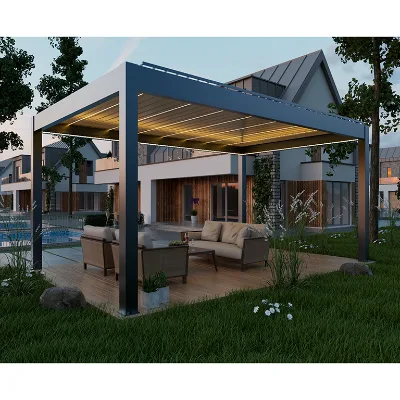

Modern Bioclimatic Aluminum Pergola with Motorized Louvered Roof
$100.00 - $140.00
MOQ: 12 Square Meters


Premium Bioclimatic Motorized Aluminum Pergola with Adjustable Louvers
$200.00 - $250.00
MOQ: 1 square

Waterproof Motorized Bioclimatic Pergola with Adjustable Louvers and Zip Screen
$129.00 - $189.00
MOQ: 1 Square Meters

Modern Design Aluminium Motorized Retractable Bioclimatic Pergola with LED Light
$129.00 - $189.00
MOQ: 1 Square Meters

Waterproof Motorized Aluminum Pergola with Bioclimatic Louvered Roof System
$80.00 - $160.00
MOQ: 12 Square Meters

UV Resistant Outdoor Garden Aluminum Adjustable Motorized Louver Bioclimatic Pergola
$80.00 - $160.00
MOQ: 9 Square Meters

Motorized Outdoor Garden Aluminium Pergola Gazebo Bioclimatic Roof Pergola Bioclimatica Remote
$80.00 - $160.00
MOQ: 9 Square Meters

Weather Resistant Outdoor Garden Aluminum Adjustable Motorized Bioclimatic Louver Pergola
$80.00 - $160.00
MOQ: 9 Square Meters

Comprehensive Sourcing Guide
Strategic Sourcing Guide for Bioclimatic Motorized Pergolas
Understanding Core Technical Specifications and Structural Integrity
When sourcing bioclimatic motorized pergolas, the primary objective is to identify units that balance aesthetic integration with robust environmental performance. The foundational element of these structures is the frame material, which consistently appears as aluminum alloy or aluminum in verified product data. This material choice is critical for ensuring longevity, as aluminum offers inherent resistance to corrosion and requires minimal maintenance compared to steel or wood alternatives. The structural integrity is further defined by specific frame finishing processes, with powder coating being a standard treatment observed in high-quality listings. This finishing method not only enhances the visual appeal but also provides a durable barrier against the elements, preventing oxidation and color fading over time.
The operational mechanism of a bioclimatic pergola distinguishes it from static structures. The defining feature is the motorized operation, which allows for the adjustment of louvers to control sunlight and ventilation. Product observations indicate that these systems can be operated via remote control switches, offering convenience for the end-user. The range of motion for these adjustable louvers is a critical specification; verified data points to an angle adjustability of 0 to 100 degrees. This wide range enables the structure to transition from a fully closed position for maximum rain protection to a fully open state for unobstructed views. Furthermore, the system supports both motorized and manual operation modes, providing a backup mechanism in the event of power failure or for users who prefer manual control.
The roof covering material is another vital technical specification. In the context of bioclimatic designs, the slats are often coated with PVC to ensure water resistance and durability. The structural dimensions of the posts and frames vary based on the specific model and load-bearing requirements. Observed specifications include post sizes of 120120mm and frame standards ranging from 332.35 to 45*2.35, indicating a variety of thicknesses and profiles available to suit different load conditions. Buyers must verify that the aluminum thickness is customized to meet local wind and snow loading requirements, as standard thicknesses may not suffice for extreme weather zones. The shape of the structure can vary, with observations noting octagonal and quad configurations, allowing for diverse architectural integration in various outdoor spaces.
Compliance, Certification, and Safety Standards
Navigating the regulatory landscape is essential for any B2B procurement of outdoor structures, particularly those involving electrical components and mechanical moving parts. Verified product data highlights a robust set of certifications that serve as indicators of quality and safety compliance. The most prominent certifications observed include ISO9001, CE, SGS, and TUV. ISO9001 certification indicates that the manufacturer adheres to international quality management standards, ensuring consistent production processes. The CE marking is a mandatory conformity mark for products sold within the European Economic Area, signifying that the product meets EU safety, health, and environmental requirements.
For the electrical and motorized components integrated into the pergola, additional certifications are often required. Data points confirm the presence of FCC and RoHS certifications. FCC compliance ensures that the electronic devices, such as the remote control and motor drivers, do not emit harmful levels of electromagnetic interference. RoHS (Restriction of Hazardous Substances) compliance guarantees that the product is manufactured without specific hazardous materials, aligning with global environmental standards. The IP67 waterproof rating is a critical specification for outdoor electrical systems. This rating confirms that the components are dust-tight and can withstand immersion in water up to 1 meter for 30 minutes, a necessary feature for a structure exposed to rain and humidity.
Wind resistance and snow loading capabilities are performance metrics that must be verified against local building codes. While specific observed data suggests wind resistance capabilities ranging from 180 to 220 km/h and snow loading capacities between 60 and 80 cm, these figures should be treated as reference points rather than universal guarantees. Buyers must request specific test reports or engineering calculations from the supplier to confirm that the specific model selected can withstand the local environmental conditions of the installation site. The standard production capacity, observed as 1000 square meters per month, can also serve as a proxy for the manufacturer's ability to maintain quality control during high-volume production runs.
Cost Drivers and Pricing Dynamics
The pricing of bioclimatic motorized pergolas is influenced by a complex interplay of factors, including material quality, customization levels, and the sophistication of the motorized system. The observed price range for these products spans from 75 to 899 USD, reflecting the vast diversity in product configurations and market segments. However, this wide range indicates that a single price point cannot be applied universally; instead, the cost is driven by specific attributes selected by the buyer.
One of the primary cost drivers is the level of customization. Verified data confirms that customization is available and that the product can be tailored to specific requirements. Customized sizes, frame dimensions, and color options (White, Black, Brown, or custom) directly impact the manufacturing complexity and, consequently, the price. The standard production models may fall at the lower end of the price spectrum, while fully customized units with specific aluminum thicknesses and unique structural dimensions will command a premium.
The motorization system represents another significant cost component. Pergolas equipped with high-torque motors, remote control systems, and integration with smart home ecosystems generally cost more than manual or basic motorized versions. The inclusion of optional items such as LED lights, fan beams, zip screens, or sliding glass doors further increases the overall cost. These accessories add functional value but also introduce additional material and assembly costs.
The minimum order quantity (MOQ) also plays a role in the effective unit cost. The observed MOQ range is between 1 and 60 units. Buyers purchasing small quantities, such as single units for residential projects, may face higher per-unit costs compared to those placing bulk orders for commercial developments. The lead time, observed as 20 to 30 days after receiving the deposit, can also influence pricing dynamics, particularly for urgent orders that may require expedited shipping or production scheduling. Packaging methods, ranging from cartons to solid plywood boxes, add to the logistical costs and must be factored into the total landed cost calculation.
Typical Applications and Functional Versatility
Bioclimatic motorized pergolas are designed to enhance a wide array of outdoor spaces, offering functional versatility that adapts to different usage scenarios. The verified product data identifies several key application areas, including kitchens, patios, bathrooms, bedrooms, and dining rooms. This broad applicability suggests that these structures are suitable for both residential and commercial environments. In residential settings, the pergola serves as an extension of the living space, creating a sheltered area for dining, relaxation, or entertainment regardless of the weather conditions.
Commercial applications are equally significant. The data explicitly mentions usage in outdoor, garden, patio, door, and commercial settings. For commercial entities such as hotels, restaurants, and resorts, these pergolas provide a valuable asset for outdoor dining areas, allowing patrons to enjoy al fresco experiences even during light rain or intense sunlight. The ability to adjust the louvers to control light and ventilation makes them ideal for creating comfortable microclimates in these high-traffic areas.
The functional capabilities of the pergola extend beyond simple shade provision. The "Sun Rain Protection" function is a core feature, ensuring that the space remains usable during various weather conditions. The waterproof rating of IP67 ensures that the electrical components and the structure itself can withstand heavy rainfall. Additionally, the wind-resistant and snow-loading capabilities allow for use in regions with harsh climates, provided the specific model meets the local engineering requirements. The optional inclusion of features like zip screens can further enhance the utility of the space by providing insect protection and additional privacy, making the pergola a versatile solution for year-round outdoor living.
Supplier Evaluation and Quality Assurance Protocols
Selecting the right supplier is a critical step in the procurement process, requiring a thorough evaluation of their capabilities, reputation, and quality assurance systems. The verified data indicates that suppliers are located in China, with specific mentions of Guangdong as a production hub. This region is known for its manufacturing expertise, but buyers must conduct due diligence to ensure the supplier meets their specific quality standards.
One of the primary indicators of a reliable supplier is the possession of relevant certifications. Buyers should verify the authenticity of ISO9001, CE, SGS, and TUV certifications, ensuring they are current and applicable to the specific products being purchased. The presence of FCC and RoHS certifications for electrical components is also essential. Suppliers should be able to provide documentation proving compliance with these standards, rather than merely claiming them.
Quality control processes should be a focal point of the supplier evaluation. The observation of a "15 years" guarantee on some products suggests a high level of confidence in the product's durability, but buyers must clarify the terms and conditions of this guarantee. Does it cover the entire structure, or only specific components like the motor or frame? Understanding the scope of the warranty is crucial for risk management. Additionally, the production capacity of 1000 square meters per month should be assessed to ensure the supplier can meet the buyer's delivery timelines without compromising quality.
Buyers should also evaluate the supplier's ability to provide technical support and after-sales service. The availability of 3D design drawings, as noted in the product data, is a significant advantage, allowing buyers to visualize the final product and ensure it meets their design requirements before production begins. The supplier's willingness to customize the product, including frame finishing, color, and dimensions, is another important factor. A supplier that offers flexible customization options is better positioned to meet the unique needs of different projects.
Long-Term Procurement Considerations and Maintenance
Procuring a Bioclimatic Motorized Pergola is a long-term investment that requires careful consideration of maintenance, durability, and lifecycle costs. The aluminum alloy frame and powder-coated finish are designed to be durable and low-maintenance, but regular inspection and cleaning are necessary to ensure optimal performance. Buyers should establish a maintenance schedule that includes checking the motorized mechanisms, cleaning the louvers, and inspecting the electrical connections for signs of wear or damage.
The long-term reliability of the motorized system is a key concern. The observation of a "15 years" guarantee is a positive indicator, but buyers must understand the limitations of this warranty. Regular maintenance, such as lubricating moving parts and ensuring the remote control batteries are replaced, can extend the lifespan of the system. The ability to operate the pergola manually in case of power failure is a critical safety feature that should be verified during the procurement process.
Environmental factors also play a significant role in the long-term performance of the pergola. While the structure is designed to withstand wind and snow, extreme weather events can cause damage. Buyers should consider the local climate and select a model with appropriate wind and snow loading ratings. The waterproof rating of IP67 ensures protection against rain, but the installation method, whether freestanding or wall-mounted, can affect the overall stability and longevity of the structure.
Finally, buyers should consider the scalability and adaptability of the procurement strategy. As the needs of the project evolve, the ability to add optional items like LED lights, fans, or screens can enhance the functionality of the pergola. The availability of customization options ensures that the structure can be adapted to changing requirements over time. By focusing on these long-term considerations, buyers can ensure that their investment in bioclimatic motorized pergolas delivers value and performance for years to come.
Comparative Analysis of Key Product Attributes
To facilitate informed decision-making, the following table summarizes the key attributes observed in the product data, highlighting the variations and commonalities across different models.
| Attribute Category | Observed Specifications | Variability Notes |
|---|---|---|
| Frame Material | Aluminum Alloy, Aluminum | Consistent across listings; thickness varies. |
| Frame Finishing | Powder Coated | Standard finish; color options include White, Black, Brown. |
| Operation | Motorized (Remote Control), Manual | Motorized is standard; manual backup available. |
| Louver Adjustment | 0-100 Degree Angle | Wide range allows full sun to full shade control. |
| Waterproof Rating | IP67 | High protection against dust and water immersion. |
| Wind Resistance | 180-220 Km/H (Observed Range) | Must be verified against local building codes. |
| Snow Loading | 60-80 Cm (Observed Range) | Subject to local climate requirements. |
| Certifications | ISO9001, CE, SGS, TUV, FCC, RoHS | Comprehensive coverage for quality and safety. |
| Packing | Carton, Shipping Carton, Plywood Box | Varies by order size and shipping requirements. |
| Origin | China (Guangdong) | Major manufacturing hub for this product type. |
| Guarantee | 15 Years (Observed) | Terms and conditions must be clarified per contract. |
This comparative analysis underscores the importance of verifying specific attributes against project requirements. While the core features like aluminum construction and motorized operation are consistent, the specific performance metrics and customization options require careful evaluation to ensure the selected product aligns with the buyer's needs.
FAQs
How is the motorized operation controlled for these pergolas?
The system operates via remote control switches or manual methods. This dual-mode design ensures functionality even during power failures, allowing users to adjust louvers between 0 and 100 degrees for optimal sun and rain protection.
What certifications do the aluminum alloy frames hold?
Verified products carry ISO9001, CE, SGS, and TUV certifications for quality and safety. Electrical components additionally meet FCC and RoHS standards, ensuring compliance with international regulations for hazardous substances and electromagnetic interference.
Can the pergola withstand heavy wind and snow loads?
Specific models demonstrate wind resistance up to 220 km/h and snow loading capacity of 80 cm. These figures vary by configuration, so buyers must verify engineering calculations against local building codes for extreme weather zones.
Which customization options are available for the frame and color?
Buyers can request customized sizes, aluminum thickness, and colors like white, black, or brown. Customization extends to the frame finishing process, which is typically powder-coated to enhance durability and resistance against oxidation and fading.
What is the standard delivery time after placing an order?
Production typically requires 20 to 30 days after receiving the deposit. This lead time applies to standard orders, though expedited schedules may be available depending on the supplier's current capacity and the specific customization requested.
How are the pergolas packaged for shipping to ensure safety?
Packaging options include cartons, shipping cartons, solid plywood boxes, or wooden boxes depending on the model. Robust packaging like solid plywood boxes is often used for larger units to prevent damage during transit and handling.
What is the minimum order quantity for purchasing these units?
The minimum order quantity ranges from 1 to 60 units depending on the supplier and product configuration. Single-unit purchases are possible for residential projects, while bulk orders for commercial developments may benefit from lower per-unit costs.