Source Biodegradable Bamboo Fiber Flower Pot for Home Gardening, Decoration, and Daily Use
Explore 30 listings of Biodegradable Bamboo Fiber Flower Pot options tailored for home gardening, desktop decoration, and daily use. Buyers can compare specifications, customization features, and delivery details across verified Chinese manufacturers.
Key considerations
Products List


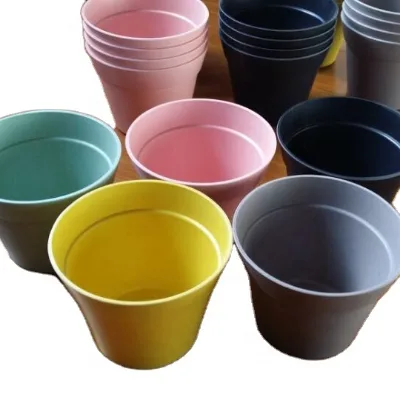
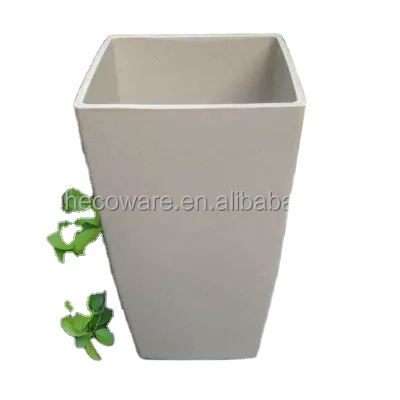
Eco Friendly Durable BPA Free Bamboo Fiber Flower Pot Indoor and Outdoor Garden Hanging Pot
$0.58 - $0.98
MOQ: 1000 Minimum


Organic Home Garden Kit Garden Growing Biodegradable Planting Flower Pots
$4.90 - $19.90
MOQ: 500 Pieces

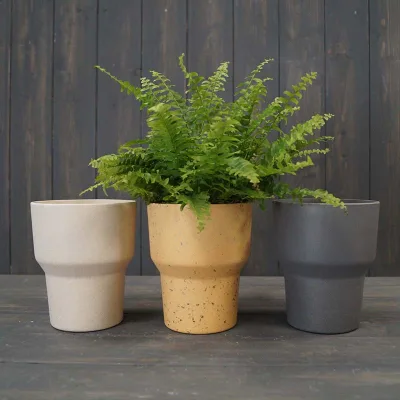
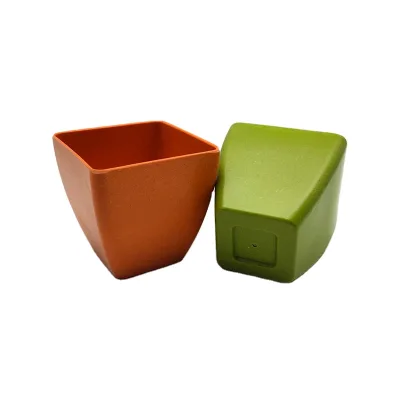


Comprehensive Sourcing Guide
Strategic Sourcing Guide for Biodegradable Bamboo Fiber Flower Pots
Understanding Product Composition and Technical Specifications
The core of sourcing a Biodegradable Bamboo Fiber Flower Pot lies in verifying the material composition and physical dimensions, as these factors directly influence the product's lifecycle and suitability for specific planting environments. Based on available market data, the primary material for these units is explicitly identified as bamboo fiber or plant fiber, often processed through mechanical methods to ensure structural integrity without the use of harmful chemical binders. This composition aligns with the "Eco Product" attribute, confirming that the item is designed to decompose naturally after its useful life, making it an ideal choice for sustainable gardening initiatives.
When evaluating technical specifications, buyers must look beyond generic descriptions and focus on precise dimensional data. The market presents a variety of sizes, ranging from compact desktop units to larger floor-type pots. Specific observed models indicate dimensions such as 13.5 x 10.6 cm for smaller variants, while others feature a tapered design with a top diameter of 8.8 cm, a bottom diameter of 5.3 cm, and a height of 8.8 cm. These measurements are critical for inventory planning and ensuring the pots fit standard shelving or garden layouts. The shape is predominantly round, though the style can vary from simple and Chinese-style designs to creative and fashion-forward aesthetics. The "Use Type" classification is equally important; sourcing teams must distinguish between pots intended for "Floor Type" applications, which require higher structural stability, and those designed for "Desktop" use, which prioritize aesthetic integration into indoor spaces.
| Specification Category | Observed Attributes | Sourcing Verification Requirement |
|---|---|---|
| Primary Material | Bamboo Fiber, Plant Fiber | Confirm absence of synthetic resins; verify "Food Grade Material" status if applicable for edible plant growth. |
| Dimensions | 13.5x10.6cm, Top8.8/Bottom5.3xH8.8cm | Request CAD drawings or physical samples to validate tolerance ranges against design blueprints. |
| Shape & Style | Round, Simple, Creative, Chinese Style | Ensure the visual style matches the target market's design preferences (e.g., minimalist vs. traditional). |
| Surface Finish | Not Coated | Verify that the lack of coating does not compromise water retention or structural durability during the growth cycle. |
| Weight | 120g (approximate) | Validate weight consistency to ensure shipping cost calculations and handling logistics are accurate. |
Compliance Standards and Certification Verification
In the realm of biodegradable products, compliance is not merely a formality but a fundamental indicator of product safety and environmental claims. The supplied data indicates that products often adhere to "100% export Standard" and may carry references to SGS and CE standards. However, buyers must exercise caution and treat these as observations rather than universal guarantees for every unit in a shipment. The presence of "SGS" suggests third-party testing capabilities, while "CE" indicates compliance with European safety, health, and environmental protection requirements. It is vital to distinguish between the product's inherent standards and the specific certifications held by the manufacturing facility.
Buyers should not assume that a product labeled as "Eco Product" automatically possesses all necessary environmental certifications. While background knowledge often associates bamboo products with FSC (Forest Stewardship Council) or ISO 14001 (Environmental Management), these specific certifications are listed in the low-confidence section of the source data. Therefore, the procurement strategy must involve a direct request for valid, current certification documents from the supplier. The verification process should confirm that the "Biodegradable" claim is backed by recognized testing protocols, such as those defined by ASTM or EN standards, rather than relying solely on the supplier's marketing terminology. Additionally, the "Food Grade Material" attribute, if present, requires specific verification to ensure the pot is safe for growing herbs or vegetables, preventing the leaching of any processing agents into the soil.
Cost Drivers and Pricing Dynamics
The pricing structure for biodegradable bamboo fiber flower pots is influenced by a complex interplay of material costs, production complexity, and order volume. The observed price range in the market is exceptionally broad, spanning from $0.01 to $250,000. This wide variance indicates that the unit price is not a fixed metric but is heavily dependent on the specific model, customization level, and order quantity. For standard, non-customized units, the price likely sits at the lower end of the spectrum, whereas high-volume orders or those requiring specific branding and unique dimensions will command higher per-unit costs or require significant minimum order quantities (MOQs).
MOQs are a critical cost driver in this sector. The data shows an observed MOQ range from 1 to 5,000 pieces, with specific models citing an MOQ of 1,000 pieces. This variability suggests that suppliers may offer different pricing tiers based on the buyer's ability to commit to volume. For smaller buyers, the unit cost may be higher due to the setup costs associated with the "Moulding" production process. Conversely, large-scale procurement can leverage economies of scale to reduce the per-unit cost significantly. Buyers must also account for packaging costs, as the observed "prod_packing" options include "Carton" or "Carton or Pallet." The choice of packaging directly impacts the final landed cost, especially for international shipping, where palletized shipments offer better efficiency for large orders but require higher upfront investment.
Typical Applications and Market Segmentation
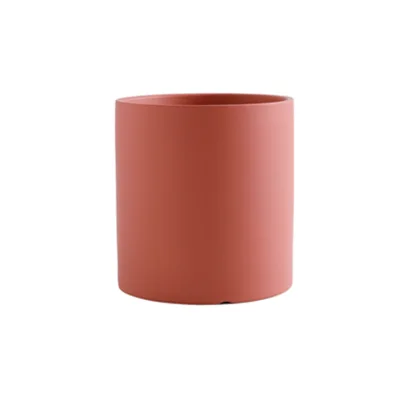
The versatility of biodegradable bamboo fiber flower pots allows them to serve a diverse range of applications, from residential gardening to commercial landscaping. The "Application Scene" is primarily identified as "Home Gardening," but the product attributes also point to "Decoration" and "Daily Use" in various settings. The distinction between "Floor Type" and "Desktop" use types is particularly relevant for market segmentation. Desktop pots, often characterized by smaller dimensions like the 13.5 x 13.5 x 10.7 cm single package size, are ideal for indoor plant enthusiasts looking for eco-friendly alternatives to plastic pots. These units often feature "Multicolor" options and "Creative" styles to match modern interior design trends.
In contrast, floor-type pots are designed for larger plants and outdoor or semi-outdoor environments. The "Chinese Style" and "Simple" styles suggest a broad appeal across different cultural aesthetics, making these products suitable for both domestic and international markets. The "Occasion" attribute, listed as "Celebration," hints at potential use in event planning, such as weddings or corporate gifts, where the biodegradable nature of the pot adds a unique, sustainable touch to the presentation. Furthermore, the "Applicable" attribute specifies "Flowers/Plants," confirming the primary function, but the "Usage" for "Decoration" implies that the aesthetic value is as important as the functional utility. Buyers should align their sourcing strategy with the specific needs of their target customer base, whether that is the mass market seeking affordable, disposable pots for annual plantings or the premium market looking for high-end, branded decorative items.
Supplier Evaluation and Operational Capabilities
Selecting the right supplier for biodegradable bamboo fiber flower pots requires a rigorous evaluation of their operational capabilities, particularly regarding customization and production capacity. The data confirms that "Customization" is available, and "OEM&ODM" services are welcome, indicating that suppliers are equipped to handle branded orders and custom design requests. This is a significant advantage for buyers looking to differentiate their product line. However, the "Production Method" is listed as "Mechanical," which suggests a reliance on automated molding processes. Buyers should verify the supplier's capacity to maintain consistency in this mechanical process, as variations in the molding temperature or pressure can affect the structural integrity of the biodegradable material.
Geographic origin is another critical factor in supplier evaluation. The "prod_origin" is consistently listed as "China," with specific mentions of "Jiangsu, China" as a place of origin. This region is known for its manufacturing infrastructure, but buyers must still conduct due diligence regarding the specific factory's location and logistics capabilities. The "Delivery Detail" indicates a lead time of 7 to 30 days after order confirmation. This range highlights the importance of clear communication regarding production schedules. Suppliers with a reputation for meeting the lower end of this lead time window are preferable for buyers with tight inventory turnover requirements. Additionally, the "Standard" of "Top8.8/Bottom5.3xH8.8cm" appearing in the standard field suggests that some suppliers may have proprietary sizing standards that differ from industry norms, necessitating careful review of technical drawings before placing an order.
Quality Control and Long-Term Procurement Considerations
Ensuring consistent quality in biodegradable products requires a robust quality control (QC) framework that addresses both the material properties and the final product dimensions. The "Feature" of being "Eco-Friendly" and "with Logo" implies that branding must be applied without compromising the biodegradable nature of the pot. Buyers should implement a QC protocol that checks for logo placement accuracy, color consistency (especially for "Multicolor" items), and the absence of surface defects such as cracks or uneven molding. The "Processing Service" of "Moulding" means that any deviation in the mold can lead to significant batch inconsistencies, making pre-production samples essential.
Long-term procurement considerations should focus on the supplier's ability to scale and maintain supply chain stability. The "Brand Name" "EVERGROWING" is observed in the data, serving as a reference point for established players in the market, though buyers should not limit their search to this specific entity. Instead, the focus should be on suppliers who demonstrate a commitment to continuous improvement and adaptability. The "Grade" of "Food Grade Material" is a key differentiator for long-term viability, as it opens up markets for edible plant cultivation, which often commands higher margins. Buyers should also consider the environmental impact of the packaging, ensuring that the "Carton" or "Pallet" options used for shipping are themselves sustainable or recyclable. Finally, maintaining a relationship with suppliers who offer flexible MOQs and reliable lead times will be crucial for managing inventory fluctuations and responding to seasonal demand spikes in the gardening and home decoration sectors.
FAQs
Can I customize the logo on biodegradable bamboo fiber flower pots?
Yes, customization with a logo is available for these flower pots. The product features explicitly list logo customization as an option, and OEM and ODM services are welcome for buyers seeking branded units.
What is the typical lead time for Biodegradable Bamboo Fiber Flower Pot orders?
The delivery detail indicates a lead time of 7 to 30 days after your order is confirmed. This timeframe applies to the production and shipping process once the specific order requirements are finalized by the supplier.
Which materials are used to make biodegradable bamboo fiber flower pots?
The primary materials identified are plant fiber and bamboo fiber. Some specific variants are also graded as food-grade material, ensuring safety for growing herbs or vegetables without harmful chemical leaching.
What is the minimum order quantity for biodegradable bamboo fiber flower pots?
The observed minimum order quantity ranges from 1 to 5,000 pieces depending on the specific model. One listed specification explicitly states an MOQ of 1,000 pieces for certain production runs.
Where are biodegradable bamboo fiber flower pots typically manufactured?
The products originate from China, with specific mentions of Jiangsu as a place of origin. This location is consistent across the observed product data for this specific type of biodegradable container.
What packaging options are available for biodegradable bamboo fiber flower pots?
Standard packaging includes cartons, and some orders may utilize cartons or pallets for larger shipments. The specific packing method depends on the order size and the requirements agreed upon with the supplier.
Are biodegradable bamboo fiber flower pots suitable for desktop use?
Yes, specific models are designed for desktop use with dimensions like 13.5 by 10.6 cm. These smaller units are ideal for indoor decoration and daily use in home gardening or office settings.