Source Biodegradable Disposable Corn Starch Bowl for Takeaway, Catering, and Events
Find and compare 30 listings for Biodegradable Disposable Corn Starch Bowl options suitable for takeaway, catering, and events. Evaluate specifications such as 700ml capacity, eco-friendly materials, and customization availability to select the right supplier for your packaging needs.
Key considerations
Products List


Eco Friendly Disposable Degradable Corn Starch Salad Bowl Disposable Bowl
$0.00 - $0.10
MOQ: 10 Pieces


Biodegradable Disposable Cornstarch Tableware Paper Corn Starch Soup Salad Bowl
$0.03 - $0.04
MOQ: 100000 Pieces


Biodegradable Disposable Compostable Salad Bowl Cornstarch Dessert Bowls
$0.03 - $0.04
MOQ: 100000 Pieces


High Quality Biodegradable Cornstarch Disposable Bowl Salad Dessert Bowl
$0.06 - $0.07
MOQ: 20000 Pieces


Wholesale Disposable Tableware Bowl Disposable Cornstarch Corn Starch Bowl
$0.04 - $0.05
MOQ: 10000 Pieces


Comprehensive Sourcing Guide
Biodegradable Disposable Corn Starch Bowl Sourcing Guide
Sourcing biodegradable disposable corn starch bowls requires a strategic approach that balances environmental commitments with functional performance and supply chain reliability. These products are increasingly vital for businesses aiming to reduce plastic waste while maintaining the convenience of single-use packaging. The core material, corn starch, offers a renewable alternative to traditional petroleum-based plastics, appealing to eco-conscious consumers and regulatory bodies alike. However, the transition to biodegradable materials introduces specific technical and commercial considerations that buyers must navigate carefully to ensure product integrity and operational efficiency.
This guide provides a structured framework for evaluating suppliers, verifying technical specifications, and managing commercial risks associated with corn starch bowl procurement. By focusing on evidence-based verification steps and clear commercial terms, buyers can mitigate common pitfalls such as inconsistent quality, unclear compliance status, or unexpected lead times. The following sections detail the critical aspects of sourcing these products, from initial product scope analysis to long-term supplier relationship management, ensuring a robust and sustainable procurement strategy.
Product Scope and Observed Listing Signals
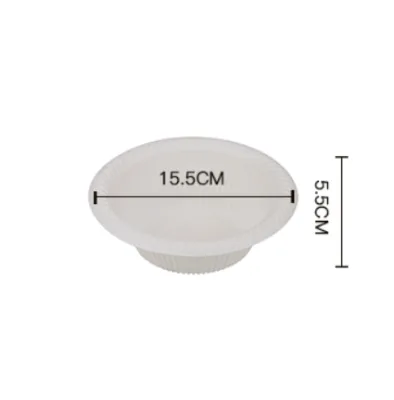
The market for biodegradable disposable corn starch bowls presents a diverse range of product variations, primarily distinguished by capacity, shape, and customization options. Observed listings indicate a typical capacity of 700ml, with dimensions often cited around 150*80mm, though customized sizes are widely available to meet specific branding or portion control needs. The product form factor is predominantly round, designed for versatility in serving salads, desserts, or hot and cold beverages, with some listings explicitly noting suitability for jelly cups and takeaway food applications. This flexibility allows buyers to tailor packaging to their specific menu items or brand identity.
Color options generally include white, natural, or customized hues, with many suppliers offering eco-friendly branding opportunities through customized logos. The material is frequently described as having great waterproof and oilproof performance, a critical attribute for maintaining structural integrity when in contact with moist or fatty foods. Listings also highlight features such as being microwavable and freezer-safe, which expands the utility of the bowls beyond simple cold storage. Buyers should verify these performance claims through sample testing, as the actual performance can vary based on the specific manufacturing process and material thickness used by different suppliers.
Technical Specifications to Verify
Verifying the technical specifications of corn starch bowls is essential to ensure they meet the functional requirements of your business. Key parameters to confirm include the material standard, which is often based on corn starch content, and the weight or gram specification, which directly impacts durability and cost. For instance, some listings reference a standard weight of 29g for a 700ml bowl, while others may specify different weights for varying capacities. Buyers must ensure that the selected bowl can withstand the intended use case, whether it involves hot liquids, freezing temperatures, or microwave heating, without deforming or leaching materials.
Packaging details and logistics specifications are equally critical for efficient supply chain management. Standard packing configurations often involve 50 pieces per bag or pack, with multiple packs consolidated into a carton, such as 20 bags per carton or 500 pieces per carton. Carton dimensions are typically standardized, for example, 7530.535cm, but buyers should confirm these dimensions to optimize warehouse storage and shipping costs. Additionally, the origin of production, often noted as China or specific provinces like Anhui, can influence shipping lead times and logistics planning. It is advisable to request detailed packing lists and carton specifications from suppliers to accurately calculate landed costs and storage requirements.
Compliance and Safety Documentation
Compliance with international safety and environmental standards is a non-negotiable aspect of sourcing biodegradable tableware. Buyers must request and verify relevant certifications to ensure the products meet regulatory requirements in their target markets. Common certifications observed in the market include CE/EU, FDA, CIQ, LFGB, and EEC, which indicate compliance with food contact safety standards in Europe, the United States, and other regions. These certifications are crucial for demonstrating that the bowls are safe for direct food contact and do not contain harmful substances.
In addition to food safety certifications, environmental claims such as biodegradability and compostability should be backed by recognized standards. While specific standards like EN13432 or ISO9001 are mentioned in broader industry contexts, buyers should verify if the supplier’s products meet these or equivalent local standards. It is important to distinguish between general eco-friendly marketing claims and verified certifications. Buyers should ask for test reports or certification documents from accredited third-party laboratories to validate the biodegradability and compostability claims, ensuring that the products align with their sustainability goals and regulatory obligations.
Cost Drivers and Commercial Terms
Understanding the cost drivers and commercial terms is vital for effective budgeting and negotiation. The price of biodegradable corn starch bowls is influenced by factors such as material quality, customization requirements, order volume, and packaging specifications. Minimum Order Quantities (MOQs) can vary significantly, ranging from small trial orders to large bulk purchases, with some suppliers setting MOQs as high as 100,000 pieces for standard items. Buyers should clarify the MOQ requirements early in the sourcing process to avoid potential delays or additional costs associated with smaller orders.
Sample policies and lead times are other key commercial considerations. Many suppliers offer free samples, sometimes limited to one piece, to allow buyers to evaluate product quality before committing to a large order. Sample production times typically range from 3 to 4 days, while bulk delivery lead times can vary from 20 to 45 days, depending on order size and production schedule. Buyers should negotiate clear delivery terms and confirm the production timeline to align with their inventory needs. Additionally, payment terms and shipping arrangements should be discussed to ensure a smooth transaction process and minimize financial risk.
Supplier Qualification and Quality Control
Supplier qualification involves a thorough assessment of the manufacturer’s capabilities, reputation, and quality control systems. Buyers should verify the supplier’s production capacity, which may be indicated by metrics such as monthly output or factory size, to ensure they can meet your volume requirements. It is also important to check the supplier’s experience in producing biodegradable tableware and their track record with international clients. Requesting references or case studies can provide insights into the supplier’s reliability and product consistency.
Quality control measures should be clearly defined and agreed upon before placing orders. Buyers should inquire about the supplier’s internal quality control processes, including raw material inspection, in-process checks, and final product testing. Establishing a clear quality standard, such as acceptable defect rates or packaging integrity requirements, is essential. Additionally, buyers may consider hiring third-party inspection services to conduct pre-shipment inspections, ensuring that the products meet the agreed-upon specifications and quality standards. This proactive approach helps mitigate the risk of receiving substandard goods and protects the buyer’s brand reputation.
Long-Term Procurement Checks
Long-term procurement success depends on continuous monitoring and evaluation of supplier performance and market trends. Buyers should establish key performance indicators (KPIs) to track supplier reliability, including on-time delivery rates, product quality consistency, and responsiveness to issues. Regular communication with suppliers is essential to address any emerging challenges and to explore opportunities for cost optimization or product improvement. Building a strong relationship with a reliable supplier can lead to better pricing, priority production, and improved service levels over time.
Staying informed about regulatory changes and market developments in the biodegradable packaging sector is also crucial. As environmental regulations evolve, suppliers may need to update their products or certifications to remain compliant. Buyers should proactively engage with suppliers to ensure that their products continue to meet current and future regulatory requirements. Additionally, exploring new material innovations or sustainable packaging solutions can help buyers stay ahead of competitors and enhance their brand’s sustainability profile. By maintaining a strategic and adaptive approach to procurement, buyers can secure a stable supply of high-quality biodegradable corn starch bowls that support their business objectives.
FAQs
What certifications do these corn starch bowls have?
These bowls hold CE/EU, FDA, CIQ, LFGB, and EEC certifications. Some listings also mention SGS and REACH compliance. Buyers should verify specific certificates for their target market requirements before ordering.
Can I get a free sample of the biodegradable bowl?
Yes, free samples are available for most products. The sample time typically ranges from 3 to 4 days depending on the specific model. Buyers can request one piece free of charge to test quality before bulk purchase.
What is the minimum order quantity for these bowls?
The minimum order quantity varies significantly by supplier. Observed MOQs range from 5 pieces up to 100,000 pieces. A common baseline for many listings is 50,000 pieces, but smaller orders may be possible.
How long does delivery take for these disposable bowls?
Delivery times generally range from 20 to 45 days. Specific lead times depend on the supplier and order volume. Some factories offer a 20-25 day window while others may require up to 30 days for production.
Are these bowls suitable for hot and cold food?
Yes, the bowls are designed for hot cups, cold cups, tea, and jelly. They feature waterproof and oilproof performance with great results. The material allows for microwaving and freezing, making them versatile for various food applications.
What is the standard capacity and size of these bowls?
Standard capacities include 700ml or 23oz, with weights around 29 grams. Sizes like 150*80mm are common, though custom sizes are available. The product origin is primarily China, with specific models like TC03DLW-03.
Is customization available for the logo and packaging?
Customization is available for logos, colors, and packaging details. Buyers can request customized logos and specific packing configurations like 50 pieces per bag. Carton packing is standard, but custom requests are accepted for bulk orders.