Source Biodegradable Disposable Dog Poop Bag for Outdoor, Indoor, and Travel Use
Compare 29 verified listings for Biodegradable Disposable Dog Poop Bag options featuring heat seals, various handle types, and eco-friendly materials. Buyers can evaluate specifications like capacity, scent, and packaging to find suitable pet cleaning solutions for daily walks and home use.
Key considerations
Products List




Comprehensive Sourcing Guide
Strategic Sourcing Guide for Biodegradable Disposable Dog Poop Bags
The global demand for sustainable pet waste management solutions has driven a significant shift in the procurement landscape for biodegradable disposable dog poop bags. For B2B buyers, navigating this market requires a rigorous understanding of technical specifications, material composition, and supply chain reliability. The core objective is to secure products that balance environmental responsibility with functional performance, ensuring that the bags meet the practical needs of pet owners while adhering to regulatory expectations. This guide outlines the critical factors for sourcing these products effectively, drawing on observed market data and verified product attributes to inform decision-making.
Technical Specifications and Material Composition
When evaluating biodegradable dog poop bags, the primary technical differentiator lies in the material composition and physical dimensions. The market offers a variety of specifications, but buyers must prioritize bags that are explicitly labeled as biodegradable, compostable, or made from eco-friendly materials. Observed product data indicates that materials such as PU (Polyurethane) and various biodegradable polymers are utilized, often marketed as "Eco-friendly Biodegradable" or "Toxin Free." These materials are essential for ensuring that the product breaks down under specific conditions, reducing landfill burden.
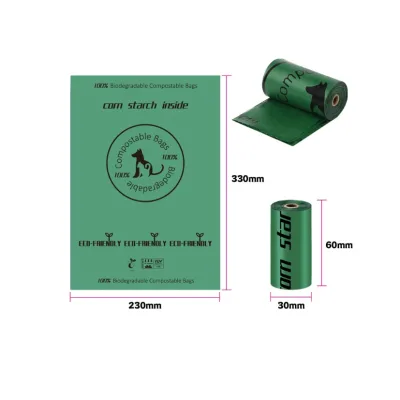
Physical dimensions are equally critical for usability. Sourcing data reveals a range of standard sizes, with common specifications including 23cm by 33cm and 22cm by 30cm. Smaller variants are also available, labeled simply as "small." The capacity of the bags often correlates with these dimensions, with observed ranges falling between 1L to 1.5L and 1.6L to 2L. Buyers should verify that the selected size aligns with the target demographic's needs, as larger breeds typically require higher capacity bags.
Sealing mechanisms are another vital technical aspect. The majority of high-quality products in this category utilize heat seal technology to ensure leak-proof performance. This feature is non-negotiable for maintaining hygiene during waste collection. Additionally, the presence of handles significantly impacts user experience. The market distinguishes between three main handle types: hand length handles, shoulder length handles, and patch handles. Shoulder length handles are particularly advantageous for users who prefer to carry the bag dispenser over the shoulder, while patch handles offer a secure grip for one-handed operation.
Compliance, Certification, and Environmental Claims
One of the most complex areas in sourcing biodegradable products is verifying environmental claims. While the term "biodegradable" is widely used, it does not automatically imply compliance with international standards. Buyers must exercise caution and demand specific documentation. The observed product listings frequently mention features such as "Compostable," "Recyclable," and "Disposable." However, without explicit certification data, these claims remain observations rather than verified facts.
In the broader industry context, standards such as EN 13432 and ASTM D6400 are often referenced as benchmarks for compostability. While these standards are not explicitly confirmed in the provided product attributes, they represent the typical verification framework buyers should request. A compliant product should demonstrate the ability to disintegrate within a specific timeframe in industrial composting facilities. Buyers should not rely solely on marketing terms like "Eco-friendly" or "Toxin Free" without requesting third-party test reports.
Furthermore, the distinction between "biodegradable" and "compostable" is crucial. Biodegradable materials break down naturally, but compostable materials must break down into non-toxic organic matter within a defined period. Procurement teams should verify if the supplier can provide evidence of testing against recognized standards. If a supplier cannot provide specific certification numbers or test results, the buyer should treat the environmental claims with skepticism and consider the product as a standard disposable item until proven otherwise.
Cost Drivers and Pricing Dynamics
The pricing structure for biodegradable dog poop bags is influenced by several variables, including material costs, order volume, and customization requirements. The observed price range in the market spans from $0.01 to $1900, reflecting a vast difference between single-unit samples and bulk industrial orders. The Minimum Order Quantity (MOQ) also varies significantly, ranging from 1 piece to 10,000 pieces. This wide MOQ range suggests that the market accommodates both small retailers testing the waters and large distributors requiring substantial inventory.
Material composition is a primary cost driver. Bags made from traditional plastics are generally cheaper, whereas those utilizing biodegradable polymers or PU materials command a premium. The inclusion of additional features, such as scents for odor control or specific printing designs (e.g., green printing, pink footprints, or four-pointed stars), can also increase the unit cost. The observed data indicates that some products are scented with moderate odor control, which adds a layer of complexity to the manufacturing process and potentially the price.
Customization is another factor affecting cost. The market data confirms that customization is available, with options for OEM (Original Equipment Manufacturer) and ODM (Original Design Manufacturer) services. Buyers seeking branded packaging, custom colors, or unique handle designs should anticipate higher costs and potentially longer lead times. The delivery time for these customized orders is typically observed between 15 to 20 days, though this can vary based on the complexity of the request and the supplier's current capacity.
Typical Applications and Usage Scenarios
Biodegradable dog poop bags are designed for a variety of applications, primarily centered around pet waste management. The observed product attributes indicate that these bags are suitable for both outdoor and indoor use. For outdoor applications, the bags must be robust enough to handle varying weather conditions, which is supported by the "Waterproof" attribute found in many listings. This ensures that the contents remain contained even if the bag is exposed to rain or damp ground.
The target audience for these products is primarily adult pet owners, as indicated by the "Age: Adult" attribute. The operation type is consistently manual, meaning the bags are designed for hand-operated dispensers or roll systems. The versatility of the product is further highlighted by the "Applicable Pet: Dogs" specification, though the design often makes them suitable for other small to medium-sized pets as well.
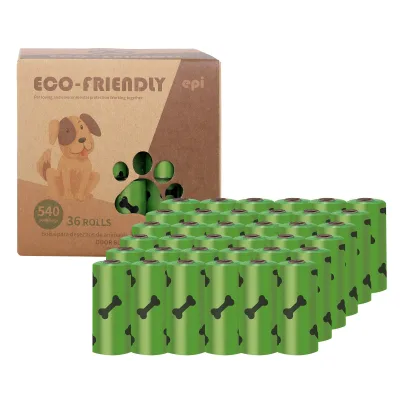
In terms of packaging and logistics, the products are typically shipped in boxes, carton cases, or single-item packaging (e.g., 10x10x5 cm). The single gross weight is observed to be around 0.040 kg to 0.05 kg per unit, which is a critical factor for calculating shipping costs and storage efficiency. Buyers should consider the packaging type when planning their inventory, as carton cases offer better protection for bulk shipments, while single-item packaging is ideal for retail display.
Supplier Evaluation and Origin Verification
Selecting the right supplier is paramount for ensuring product consistency and reliability. The observed data points to suppliers originating from specific regions in China, with notable mentions of Henan and Guangdong provinces. These regions are known for their manufacturing capabilities in the plastics and packaging industry. However, the specific supplier names are not provided, and buyers must conduct their own due diligence to verify the legitimacy and capacity of potential partners.
When evaluating suppliers, buyers should look for evidence of their ability to meet the specific technical requirements discussed earlier. This includes the ability to produce bags with the correct dimensions (e.g., 23cm*33cm), the correct sealing method (heat seal), and the desired handle type. The supplier's willingness to provide samples and detailed specifications is a strong indicator of their professionalism. Additionally, the availability of OEM/ODM services suggests that the supplier is flexible and capable of adapting to the buyer's brand requirements.
Lead time is another critical evaluation metric. The observed delivery time of 15-20 days provides a baseline for planning, but buyers should confirm this with the specific supplier. Factors such as raw material availability, production capacity, and shipping logistics can impact the actual lead time. It is advisable to establish a clear communication channel with the supplier to monitor production progress and address any potential delays proactively.
Quality Control and Long-Term Procurement Strategy
Maintaining high quality standards is essential for long-term success in the pet waste management market. Buyers should implement a robust quality control (QC) process that includes pre-shipment inspections and random sampling. Key quality checkpoints should focus on the integrity of the heat seals, the strength of the handles, and the accuracy of the dimensions. The "Waterproof" attribute must be verified through practical testing to ensure that the bags do not leak under pressure.
For long-term procurement, buyers should consider the scalability of their supply chain. The wide MOQ range (1-10,000 pieces) allows for flexibility, but buyers should aim to negotiate volume discounts as their order quantities increase. Establishing a relationship with a supplier that can consistently deliver high-quality biodegradable bags is more valuable than finding the lowest price. This involves regular communication, clear quality agreements, and potentially visiting the manufacturing facility to assess their production capabilities.
Furthermore, buyers should stay informed about evolving environmental regulations and standards. As the market for biodegradable products matures, regulatory requirements may become more stringent. Suppliers who are proactive in updating their certifications and testing protocols will be better positioned to support their buyers in the long run. By prioritizing quality, compliance, and supplier reliability, buyers can build a sustainable and profitable procurement strategy for biodegradable disposable dog poop bags.
Comparative Analysis of Product Attributes
To assist buyers in making informed decisions, the following table summarizes the key product attributes observed in the market. This comparison highlights the diversity of options available and helps identify the specific features that align with procurement needs.
| Attribute Category | Observed Options | Key Considerations for Buyers |
|---|---|---|
| Material | PU, Eco-friendly Biodegradable, Toxin Free | Verify specific polymer type and compostability claims. |
| Dimensions | 23cm*33cm, 22x30cm, Small | Match size to pet breed and capacity needs (1L-2L). |
| Handle Type | Hand Length, Shoulder Length, Patch Handle | Choose based on user preference and dispenser compatibility. |
| Sealing | Heat Seal | Essential for leak-proof performance. |
| Color/Design | Multicolor, Bicolor, Green/Red/Blue/Black prints | Consider branding opportunities and visual appeal. |
| Packaging | Box, Carton Case, OPP/PE Bag, Single Item | Optimize for shipping efficiency and retail display. |
| Origin | Henan, Guangdong, China | Verify supplier location and logistics capabilities. |
| Lead Time | 15-20 Days | Plan inventory accordingly; confirm with supplier. |
| MOQ | 1-10,000 pcs | Negotiate based on order volume and budget. |
This comparative analysis underscores the importance of matching specific product attributes to the buyer's operational requirements. By carefully evaluating these factors, buyers can source biodegradable dog poop bags that meet both functional and environmental standards, ensuring satisfaction for their end customers and alignment with sustainability goals.
FAQs
What are the standard dimensions for these bags?
Standard dimensions observed include 23cm by 33cm and 22cm by 30cm, with some small variants available. Buyers should verify specific sizes against their dispenser requirements to ensure a proper fit for the roll system.
Can I find bags with shoulder length handles?
Yes, shoulder length handles are available in the market alongside hand length and patch handles. This feature allows users to carry the dispenser over the shoulder, offering convenience for extended outdoor walks with pets.
What is the typical delivery time for orders?
The typical delivery time ranges from 15 to 20 days for most suppliers. This timeline may vary depending on order volume, customization requirements, and the specific manufacturing capacity of the selected factory in China.
Which capacity sizes are available for these bags?
Available capacity sizes range from 1L to 1.5L and 1.6L to 2L. Larger capacity bags are generally recommended for bigger dog breeds to ensure sufficient space for waste containment without leakage.
How are these bags sealed to prevent leaks?
Most products utilize heat seal technology to ensure a secure, leak-proof closure. This sealing method is critical for maintaining hygiene and preventing any waste from escaping during the collection and disposal process.
What customization options are available for branding?
Customization is available with OEM and ODM services highly welcomed by suppliers. Buyers can request specific printing designs, colors, or packaging styles, though these custom orders may affect the final unit price and lead time.
Are these bags suitable for both indoor and outdoor use?
Yes, the products are designed for both indoor and outdoor applications. Their waterproof construction ensures they remain effective even when exposed to rain or damp ground conditions during outdoor pet walks.