Source Biodegradable Craft Paper Tea Tube for Cosmetics, Food, and Gifts
Explore 30 listings for Biodegradable Craft Paper Tea Tube options suitable for cosmetics, food packaging, and gift crafts. Compare customizable sizes, eco-friendly materials, and printing services from verified Chinese manufacturers to find the right sustainable packaging solution; compare the available evidence and request quotations based on your requirements.
Key considerations
Products List


Biodegradable Round Shape Tea Packaging Tube Food Grade Paper Tube Packaging
$0.20 - $0.50
MOQ: 1000 Pieces

Customized Logo Recyclable Paper Packing Tubes for Tea Cardboard Tube Packaging
$0.20 - $0.50
MOQ: 1000 Pieces
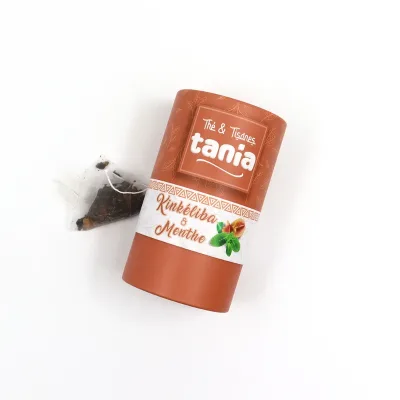
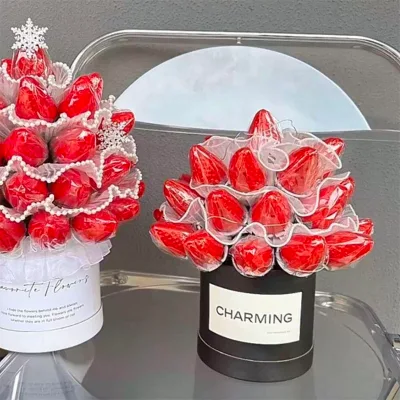


Custom Eco Friendly Small Round Paper Cylinder Biodegradable Craft Paper Tube
$0.12 - $0.36
MOQ: 100 Pieces


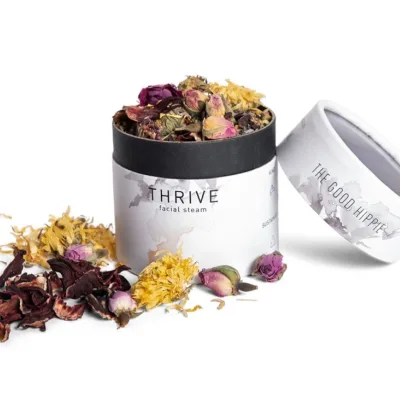
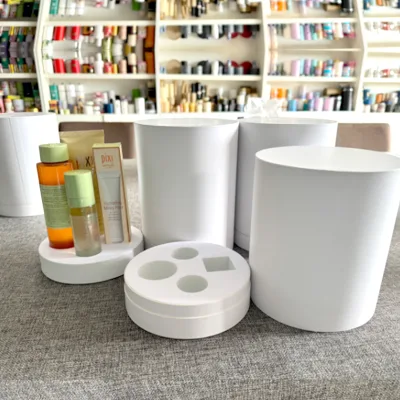

Food Grade Biodegradable Bubble Tea Boba Paper Straw Creative Cocktail Straw Paper Tube
$0.01 - $0.02
MOQ: 200000 Pieces

Disposable Drinking Straws Paper Tube Colorful Biodegradable Paper Straw
$0.01 - $0.02
MOQ: 200000 Pieces


Round Kraft Paper Tube Wholesale for Tea Biodegradable Cardboard Paper Tube
$0.36 - $1.25
MOQ: 500 Pieces
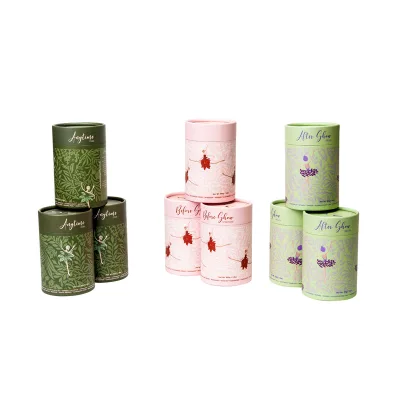


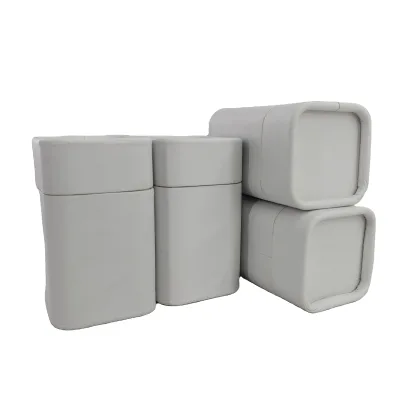
Comprehensive Sourcing Guide
Biodegradable Craft Paper Tea Tube Sourcing Guide
Procuring biodegradable craft paper tea tubes requires a strategic focus on material integrity and functional customization. Buyers must verify that the core construction utilizes white, black, or brown kraft paper combined with cardboard and coated layers to ensure structural rigidity. The observed market data indicates that these tubes are frequently designed for cosmetics, food, and beverage applications, necessitating a material composition that meets specific hygiene and durability standards.
Sourcing decisions should prioritize suppliers who explicitly offer customization for size, logo, and printing techniques. The available product attributes highlight capabilities such as offset printing, Pantone color matching, and specialized finishes like UV coating or gold foil stamping. Buyers should confirm that the supplier can accommodate custom designs while maintaining the biodegradable and recyclable nature of the paperboard, ensuring the final product aligns with sustainability goals without compromising on aesthetic appeal.
Product Scope and Observed Listing Signals
The observed product listings reveal a diverse range of specifications, including models like CP-0031 and PT01, which serve various industrial uses from cosmetics to chemical storage. These tubes are typically cylindrical in shape and feature scratch-resistant covers, making them suitable for premium packaging needs. The market signals suggest that while the base material is consistent, the specific application dictates the required thickness and coating, with some listings noting usage for toothpaste, medicine, and general household products.
Buyers must carefully distinguish between standard and customized offerings, as the minimum order quantities vary significantly across different suppliers. The data shows MOQs ranging from 100 pieces to 200,000 units, indicating that small-batch procurement is feasible but may require specific supplier selection. Additionally, the packing methods observed include craft paper wrapping with pallets or standard carton packing, which influences logistics planning and storage requirements for the incoming inventory.
Technical Specifications to Verify
Technical verification must begin with the material composition, specifically confirming the use of paperboard and kraft paper layers that support the biodegradable claim. Buyers should request detailed specifications regarding the coating process, as options like matte lamination, glossy lamination, and varnishing affect both the visual finish and the barrier properties of the tube. It is critical to ensure that the chosen coating does not hinder the recyclability or compostability of the final product, as this is a primary selling point for eco-conscious brands.
Printing and finishing capabilities are equally vital, with suppliers offering four-color printing, hot stamping, and embossing to enhance brand visibility. The observed data lists specific printing handling techniques such as UV coating and vanishing, which buyers should validate against their design requirements. Furthermore, the internal structure often includes inserts made of EVA, cardboard, or foam to protect contents, and the buyer must confirm that these inserts are compatible with the tube's dimensions and the intended product weight.
Compliance and Safety Documentation
Compliance verification is essential for products intended for food and cosmetic applications, requiring documentation that confirms the safety of the materials used. The observed listings mention certifications such as FSC, ISO, and CE, which serve as indicators of responsible sourcing and quality management systems. Buyers should request current certificates to ensure that the paperboard originates from sustainable forests and that the manufacturing process adheres to recognized international standards for safety and environmental impact.
Safety documentation must also address the specific usage claims, such as food-grade suitability for tea or cosmetic storage. While some listings mention high-grade quality and 100% QC inspection, buyers should seek detailed test reports that validate the absence of harmful substances in the inks and coatings. It is important to verify that the supplier can provide evidence that the printing inks and adhesives used in the customization process are non-toxic and safe for direct or indirect contact with consumable goods.
Cost Drivers and Commercial Terms
Cost structures for biodegradable craft paper tea tubes are heavily influenced by the level of customization and the volume of the order. The observed price range of 0.01 to 2.37 USD per unit suggests that simple, standard designs are significantly cheaper than those requiring complex printing, special coatings, or unique structural modifications. Buyers should anticipate that higher customization levels, such as specific Pantone colors or intricate embossing, will increase the unit cost and potentially raise the minimum order quantity requirements.
Commercial terms must be clearly defined regarding payment schedules, lead times, and shipping logistics. The data indicates that suppliers are located in regions like Dongguan and Zhejiang in China, which affects freight costs and delivery timelines. Buyers should negotiate terms that account for the variability in production lead times, especially when custom designs are involved, and ensure that the packing method, whether standard cartons or palletized craft paper, is included in the final landed cost calculation.
Supplier Qualification and Quality Control
Supplier qualification should focus on their ability to maintain consistent quality across large production runs, as evidenced by claims of 100% QC inspection. Buyers must verify the supplier's quality control protocols to ensure that every tube meets the specified dimensions and structural integrity requirements. The presence of a 24-hour online service feature suggests a commitment to responsiveness, but buyers should also assess the supplier's track record for handling custom orders and resolving defects promptly.
Quality control extends to the verification of material consistency and the accuracy of the printing and finishing processes. Buyers should request samples that match the exact specifications of the intended order, including the color accuracy of Pantone prints and the durability of the scratch-resistant cover. It is also advisable to audit the supplier's production capacity to ensure they can meet the required delivery schedule without compromising on the biodegradable and eco-friendly attributes of the product.
Long-Term Procurement Checks
Long-term procurement success depends on establishing a reliable supply chain that can adapt to changing market demands and sustainability regulations. Buyers should regularly review the supplier's ability to source FSC-certified paper and maintain their eco-friendly certifications as standards evolve. Continuous communication regarding material availability and potential supply chain disruptions will help mitigate risks and ensure a steady flow of high-quality packaging materials.
Performance monitoring should include periodic audits of the supplier's adherence to agreed-upon specifications and service levels. Buyers must track metrics such as defect rates, on-time delivery performance, and the responsiveness of the supplier to custom design requests. By maintaining a proactive approach to supplier management, buyers can ensure that their biodegradable craft paper tea tubes remain a competitive and sustainable asset in their product portfolio over the long term.
FAQs
Can biodegradable craft paper tea tubes be customized with specific logos?
Yes, customization is available for these tubes. Buyers can choose from four-color printing, hot stamping, UV coating, and embossing. The brand name can be blank or customized to match your identity. This allows for unique packaging designs that align with your cosmetic or food product branding requirements.
What materials are used to make these biodegradable paper tubes?
These tubes are primarily made from white, black, or brown kraft paper combined with cardboard and coated layers. The material is paperboard, which ensures the product is biodegradable, eco-friendly, and recyclable. This composition supports sustainable packaging goals while maintaining structural integrity for cosmetics and food items.
What is the minimum order quantity for these paper tubes?
The minimum order quantity varies by supplier but typically starts at 100 pieces. Some listings indicate an MOQ of 500 pieces for specific models. Buyers should check individual supplier requirements as the range observed is between 100 and 200,000 units depending on the customization level and production capacity.
Are these tea tubes suitable for food and cosmetic applications?
Yes, these tubes are designed for cosmetics, food, medicine, and household products. They feature scratch-resistant covers and are packed in craft paper or standard cartons. The material is food-grade, ensuring safety for direct contact with items like tea, toothpaste, or chemical products while maintaining an eco-friendly profile.
Which certifications do these biodegradable paper tubes hold?
These tubes often hold FSC certification, ensuring responsible sourcing of paper materials. Some suppliers also provide ISO and CE certifications. These standards verify quality and safety, making the products suitable for international markets. Buyers should verify specific certification documents with the manufacturer to ensure compliance with their regional regulations.
How are these paper tubes packed for shipping?
Packing methods include craft paper with pallets or standard carton packing. The tubes are cylindrical and designed to protect contents during transit. Each unit is inspected for quality, ensuring 100% QC inspection before dispatch. This secure packaging helps prevent damage and maintains the product's aesthetic appeal upon arrival at the destination.