Source Biodegradable Virgin Pet Resin for bottles, jars, and containers
Compare 30 listings of Biodegradable Virgin Pet Resin suitable for water bottles, gallon containers, and general plastic applications. Buyers can evaluate IV values, grades, and packaging options from multiple Chinese suppliers.
Key considerations
Products List


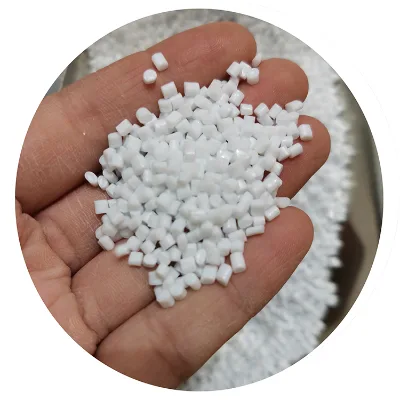
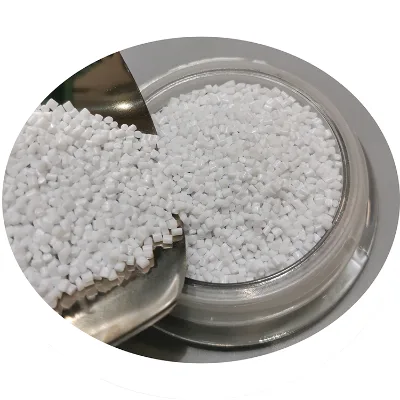
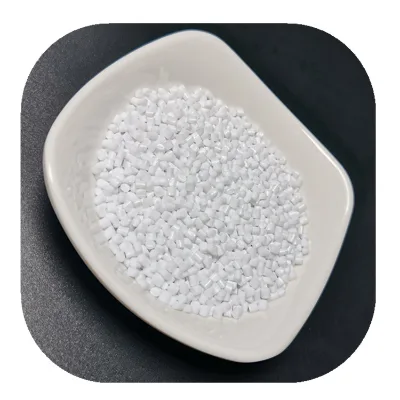
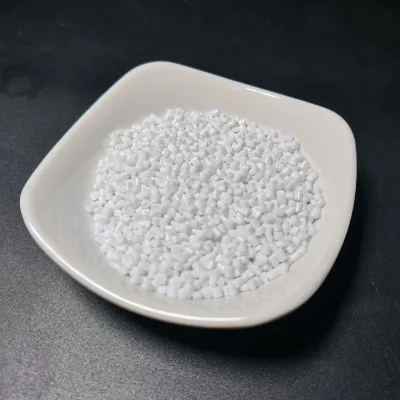
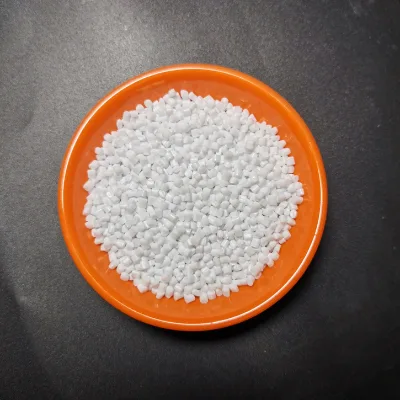
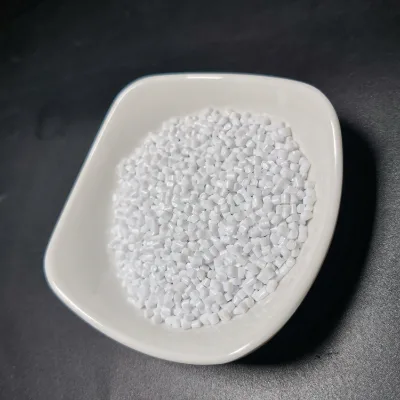


Moilding Grade Pet Granules Raw Plastic Material Pet/PETG Virgin /Recycled Resin
$130.00 - $150.00
MOQ: 1 Bags


Comprehensive Sourcing Guide
Strategic Sourcing Guide for Biodegradable Virgin Pet Resin Procurement
The global demand for sustainable polymer solutions has elevated the profile of virgin polyethylene terephthalate (PET) resin, particularly when marketed with biodegradable attributes. For procurement professionals, navigating the intersection of virgin material quality and environmental claims requires a rigorous, evidence-based approach. The market presents a complex landscape where "biodegradable" claims must be scrutinized against the inherent chemical structure of standard PET. This guide synthesizes available product data and industry standards to provide a framework for sourcing high-quality virgin PET resin, focusing on technical specifications, compliance verification, and supplier evaluation.
Technical Specifications and Material Composition
Understanding the fundamental chemistry of the material is the first step in any procurement strategy. Virgin PET resin is a heterochain polymer, specifically polyethylene terephthalate, characterized by its durability and clarity. In the current market, the product is frequently described as "100% virgin material" or "virgin grade," indicating that the polymer chains have not been diluted with post-consumer recycled content. This distinction is critical for applications requiring high mechanical strength and optical clarity.
The physical form of the resin is typically observed as white granules, pellets, or chips, though some listings describe the material in a liquid state prior to processing. The molecular principal chain is a heterochain polymer, which dictates its thermoplastic behavior. When heated, these plastics exhibit thermoplastic properties, allowing them to be melted and reformed via extrusion or injection molding. The appearance is generally noted as white granules or clear, depending on the specific grade and processing additives.
A key technical parameter for PET resin is the Intrinsic Viscosity (IV value), which correlates directly with the molecular weight and the final mechanical properties of the bottle or container. Market observations indicate a range of IV values from 0.80 to 0.88. Specific grades often target values such as 0.80, 0.82, 0.84, 0.85, or 0.88. Higher IV values generally suggest better viscosity and strength, making them suitable for blow-molding applications like water bottles and gallon containers. The material is classified under the CAS number 25038-59-9, a standard identifier for polyethylene terephthalate.
| Parameter | Observed Range/Value | Significance for Procurement |
|---|---|---|
| Material Type | Heterochain Polymer / Polyethylene Terephthalate | Confirms chemical identity and processing behavior. |
| Form | White Granules, Pellets, or Liquid | Determines handling and storage requirements. |
| Intrinsic Viscosity (IV) | 0.80 – 0.88 | Critical for determining bottle strength and wall thickness. |
| Grade | Virgin Bottle Grade / Virgin Grade | Ensures purity and absence of recycled contaminants. |
| Plastic Forming Method | Extrusion | Indicates compatibility with standard manufacturing lines. |
Compliance, Certification, and the Biodegradability Claim
The core keyword "biodegradable" introduces a significant layer of complexity to the sourcing process. While the supplied product data lists "Biodegradable" as a feature for certain PET resin listings, it is essential to distinguish between standard virgin PET and truly biodegradable variants. Standard PET is a durable thermoplastic known for its resistance to degradation. The presence of a "biodegradable" claim on a product listing must be verified against recognized international standards.
Buyers should not assume that a product labeled as biodegradable automatically meets specific environmental criteria. The provided context references standards such as EN13432 and ASTM D6400 as background information, but these should be treated as verification targets rather than guaranteed attributes of every listed product. EN13432 is a European standard for packaging recoverable and compostable, while ASTM D6400 is the American standard for similar purposes. A legitimate biodegradable PET product should carry a Certificate of Analysis (COA) and potentially ISO certification that explicitly validates these claims.
When evaluating a supplier, procurement teams must request documentation proving that the material meets the specific biodegradability standard claimed. If a supplier asserts that their "100% Virgin PET Resin" is biodegradable, they must provide test results showing degradation under specific conditions (e.g., industrial composting). Without such evidence, the claim may be marketing terminology rather than a scientifically verified property. The "Certificate: COA ISO" mentioned in the data suggests that certification is available, but the specific scope of that certification must be confirmed. Buyers should verify if the ISO certification covers the biodegradability claim or merely the quality management system of the manufacturer.
Cost Drivers and Pricing Dynamics
The pricing of virgin PET resin is influenced by several volatile factors, including raw material costs (ethylene glycol and purified terephthalic acid), energy prices, and global supply chain logistics. The observed price range in the market spans from $1 to $1,200 USD, a wide variance that likely reflects differences in order volume, packaging, and specific IV grades. It is important to note that this range may include samples, small quantities, or bulk industrial pricing, and should not be interpreted as a uniform unit price for all transactions.
Volume is a primary cost driver. The Minimum Order Quantity (MOQ) for these products typically ranges from 1 unit to 1,000 units, with specific bulk listings indicating an MOQ of 22 tons. This high volume requirement for industrial grades suggests that the lowest unit prices are reserved for large-scale buyers who can commit to full container loads or significant tonnage. Smaller buyers may face higher per-unit costs or may need to negotiate for sample availability, which is often listed as "Available" or "Avaliable" in product descriptions.
Packaging also impacts the final cost. The standard packaging for bulk PET resin is the 1100kg jumbo bag, though 25kg bags are also available for smaller quantities. The single gross weight of a jumbo bag is recorded as 1100.000 kg, and the single package size is approximately 100x100x100 cm. These dimensions are crucial for logistics planning, as they determine shipping efficiency and storage requirements. Buyers should calculate the total landed cost, including freight, insurance, and handling fees, as the heavy weight of the jumbo bags can significantly affect shipping expenses.
Typical Applications and Performance Features
Virgin PET resin is predominantly used in the manufacturing of bottles and containers due to its excellent barrier properties and clarity. The primary application cited is for water bottles, with specific mentions of "gallon bottles" and "different bottles." The material is suitable for general plastics, engineering plastics, and specialty plastics applications. The high flow, aging resistance, antistatic, high gloss, and high strength features make it ideal for high-speed blow-molding processes.
The versatility of the resin extends beyond beverage containers. Its thermoplastic nature allows it to be processed via extrusion, making it suitable for fiber production and sheet forming. The "High Quality 100% Virgin Pet Resin Water Bottle Grade" designation indicates that the material meets the stringent purity requirements for food and beverage contact. The "Clear" color option is particularly valuable for applications where product visibility is essential, such as transparent water bottles.
For buyers considering biodegradable variants, the application scope may be limited to specific environmental niches, such as compostable packaging or agricultural films, where the degradation timeline is a critical factor. However, for standard water bottle production, the primary focus remains on mechanical strength and clarity rather than biodegradability. Procurement teams must align the material selection with the end-use requirements; a biodegradable claim may be unnecessary or even detrimental if the product requires long-term durability.
Supplier Evaluation and Quality Assurance
Evaluating suppliers for virgin PET resin requires a multi-faceted approach. The supply chain for this material is global, with the "Place of Origin" frequently listed as China, specifically regions like Henan. While this indicates a major manufacturing hub, it necessitates thorough due diligence regarding the supplier's reputation and operational capacity. The "Brand Name" varies across listings, with examples including GS, FS, and QJ, suggesting a fragmented market with multiple manufacturers and traders.
Buyers should prioritize suppliers who offer customization services, as this indicates flexibility in meeting specific IV values or packaging requirements. The availability of samples is a critical indicator of supplier confidence and allows for pre-production testing. A reliable supplier will provide a Certificate of Analysis (COA) that details the IV value, color, and other physical properties, ensuring the material matches the technical specifications required for production.
Quality assurance protocols should be established before placing a large order. This includes verifying the "Product name" consistency, ensuring the "Grade" matches the intended application (e.g., Virgin Bottle Grade), and confirming the "Plastic Forming Method" compatibility with the buyer's machinery. The "Other name" such as "PET chip" should also be cross-referenced to ensure no confusion with recycled or lower-grade materials.
| Evaluation Criterion | Key Verification Step | Risk Mitigation |
|---|---|---|
| Material Purity | Verify "100% Virgin" status via COA. | Prevents contamination from recycled content. |
| Biodegradability | Request specific test reports for EN13432/ASTM D6400. | Avoids false environmental claims. |
| IV Consistency | Confirm IV value matches production needs (0.80-0.88). | Ensures bottle strength and processability. |
| Logistics | Check packaging (1100kg jumbo) and origin location. | Optimizes shipping costs and storage. |
Long-Term Procurement Considerations
Sourcing virgin PET resin is not merely a transactional activity but a strategic partnership that requires long-term planning. The "Customization: Available" attribute suggests that suppliers are willing to adapt to specific buyer needs, which is valuable for maintaining supply chain flexibility. However, buyers must consider the stability of the supply chain, especially given the global nature of the market and the potential for geopolitical or logistical disruptions.
Lead times and inventory management are critical factors. While specific lead times are not provided in the data, the high MOQ of 22 tons implies that buyers must plan for significant inventory holding. The "Selling Units: Single item" designation for some listings may indicate a drop-shipping model or a lack of bulk readiness, which could be a risk for large-scale manufacturers. Buyers should clarify the actual lead time for bulk orders to ensure production schedules are not disrupted.
Furthermore, the evolving regulatory landscape regarding biodegradability and plastic waste necessitates a proactive approach. Buyers should stay informed about changes in standards like EN13432 and ASTM D6400, as these may become mandatory for certain markets. Investing in a supplier relationship that prioritizes transparency and certification will pay dividends in compliance and brand reputation. The "Quality Assurance" aspect of the product name suggests a focus on reliability, but the buyer must independently verify these claims through regular audits and testing.
In conclusion, sourcing Biodegradable Virgin Pet Resin requires a balance of technical precision and regulatory vigilance. By focusing on verified specifications, demanding robust certification, and understanding the cost drivers, procurement professionals can secure a supply of high-quality material that meets both performance and sustainability goals. The market offers a wide range of options, but the responsibility lies with the buyer to distinguish between genuine innovation and marketing assertions.
FAQs
What is the IV value range for this virgin PET resin?
The observed intrinsic viscosity ranges from 0.80 to 0.88. This parameter determines the molecular weight and mechanical strength required for water bottle manufacturing applications.
Can I find Biodegradable Virgin Pet Resin with ISO certification?
Some listings mention biodegradable features and ISO certification availability. Buyers must verify specific test reports against standards like EN13432 to confirm the claim is scientifically valid.
What is the minimum order quantity for bulk PET resin?
The minimum order quantity is typically 22 tons for industrial grades. Smaller quantities may be available as samples, but bulk pricing applies to large tonnage commitments.
How is the virgin PET resin packaged for shipping?
The standard packaging is 1100kg jumbo bags or 25kg bags. The single gross weight for a jumbo bag is 1100 kg, which impacts logistics and storage planning.
Which suppliers offer customization for PET resin specifications?
Customization is available for specific IV values and packaging requirements. Buyers should confirm if the supplier can adjust the material grade to meet their production needs.
What is the origin location for this PET resin product?
The place of origin is listed as China, specifically Henan. This location indicates a major manufacturing hub for polyethylene terephthalate raw materials.