Source Biodegradable Unscented Laundry Detergent Sheet for clothes washing, air-conditioner, and machine wash
Compare 30 listings of Biodegradable Unscented Laundry Detergent Sheet from verified Chinese manufacturers. Buyers can evaluate models like FNC768 and FNC764, check packaging options, and review active ingredient content ranging from 30% to 80% for bulk sourcing needs.
Key considerations
Products List


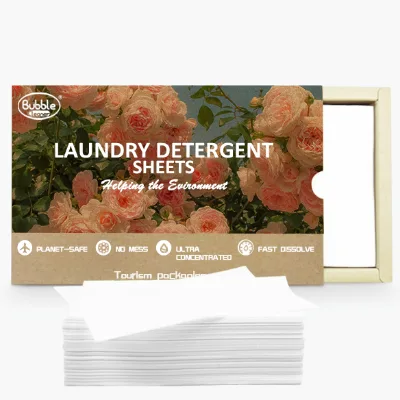
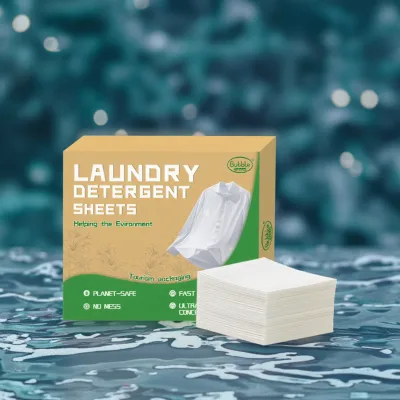
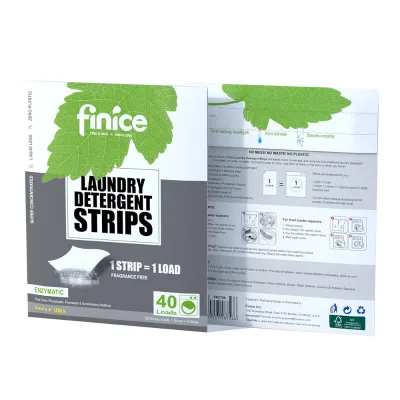
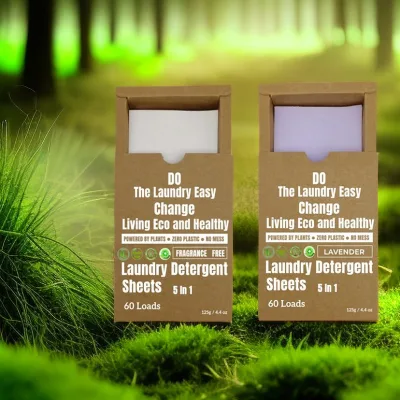
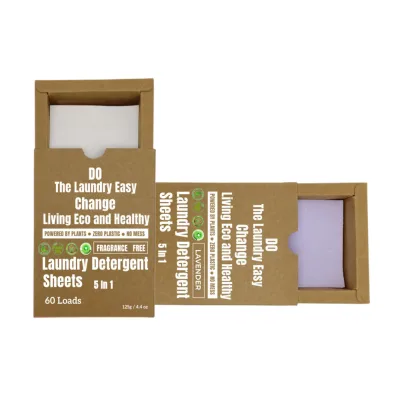
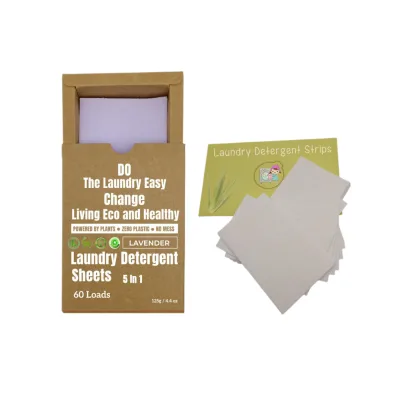
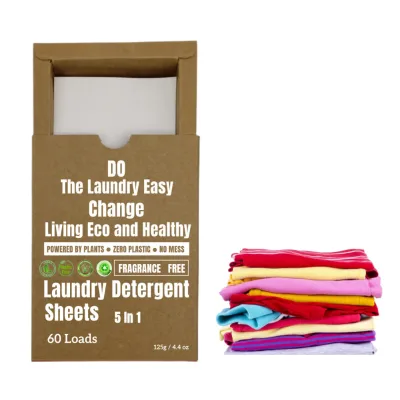
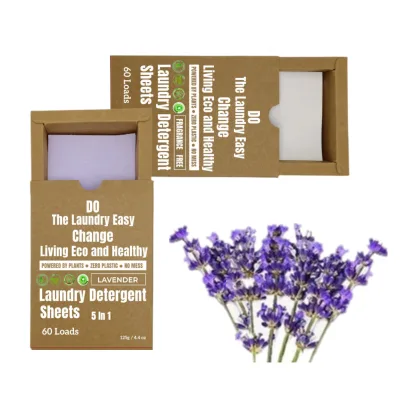
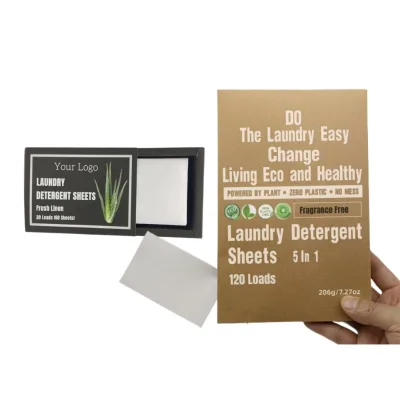
Finice Biodegradable Eco Friendly Detergent Soap Laundry Detergent Sheets
$1.80 - $3.80
MOQ: 1000 boxes




Comprehensive Sourcing Guide
Strategic Sourcing Guide for Biodegradable Unscented Laundry Detergent Sheets
The global shift toward sustainable cleaning solutions has elevated the demand for biodegradable unscented laundry detergent sheets. These products represent a significant evolution from traditional liquid detergents, offering a compact, low-waste alternative that aligns with modern environmental regulations and consumer preferences for hypoallergenic cleaning agents. For B2B procurement professionals, sourcing these sheets requires a nuanced understanding of material composition, manufacturing standards, and supply chain logistics. This guide provides a comprehensive framework for evaluating suppliers and selecting products that meet specific operational and compliance needs, based on current market observations and technical specifications.
Technical Specifications and Product Composition
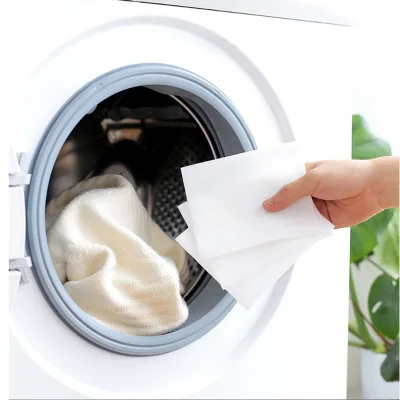
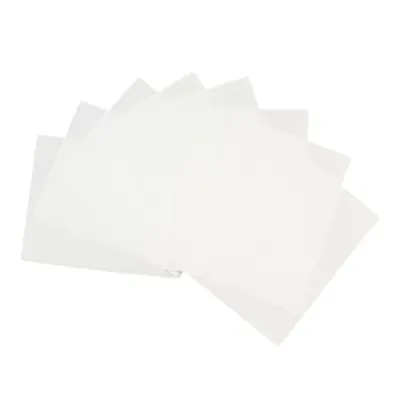
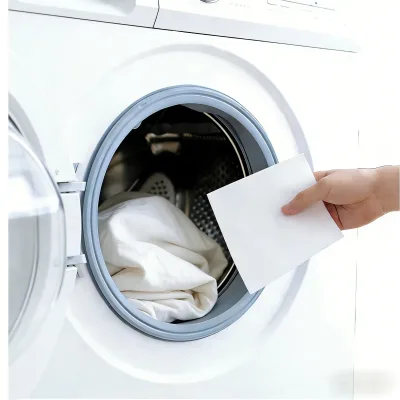
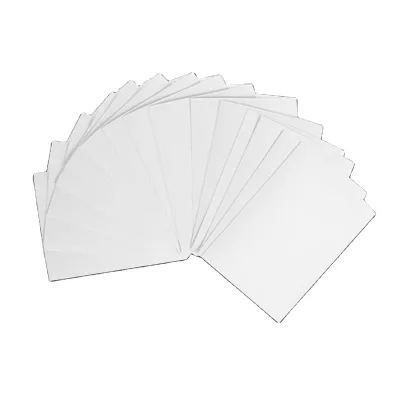
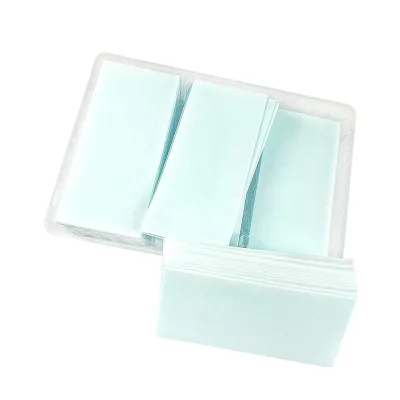
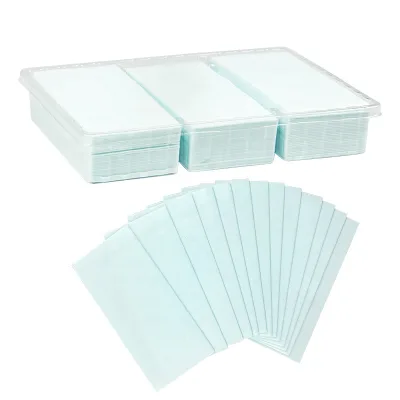
When evaluating biodegradable unscented laundry detergent sheets, the primary focus must be on the physical and chemical attributes that define the product's performance and environmental impact. The core characteristic of these sheets is their solid form, which distinguishes them from liquid or powder counterparts. The product is typically manufactured in a sheet shape, designed for single-use consumption where one sheet is utilized per wash cycle. This solid structure allows for precise dosing, eliminating the overuse common with liquid detergents.
The chemical composition is critical for verifying the "biodegradable" and "unscented" claims. Buyers should verify that the active ingredient content falls within specific ranges, typically observed between 30% (inclusive) and 80% depending on the formulation strength. Products with higher active ingredient concentrations, such as those ranging from 50% to 80%, are often marketed as strong detergents suitable for heavy-duty cleaning, while those in the 30% to 50% range may be optimized for sensitive skin or lighter loads. The absence of fragrance is a key differentiator; the product should be explicitly unscented or offer a "no scent" option, though some suppliers may provide floral variations. For strict unscented requirements, the specification must confirm the absence of added perfumes to prevent allergic reactions.
Foam production is another vital technical parameter. The market offers sheets with varying foam characteristics, ranging from low foam to high foam or rich foam. Low foam formulations are generally preferred for high-efficiency (HE) washing machines, as excessive foam can interfere with the machine's sensors and cleaning mechanics. Conversely, high foam products may be targeted for traditional top-loading machines or specific industrial cleaning applications. The product's applicability is often listed as suitable for automatic machine wash, ensuring compatibility with modern laundry infrastructure.
Packaging Standards and Logistics Configuration
Packaging plays a dual role in product protection and environmental sustainability. The physical dimensions of the sheets are standardized, with common specifications including sizes such as 110140mm or 120170mm per sheet. These dimensions ensure that the sheets fit standard dispensers and washing machine detergent drawers effectively. The weight of individual sheets is a critical metric for shipping calculations and dosage accuracy, with observed weights around 4 grams per unit.
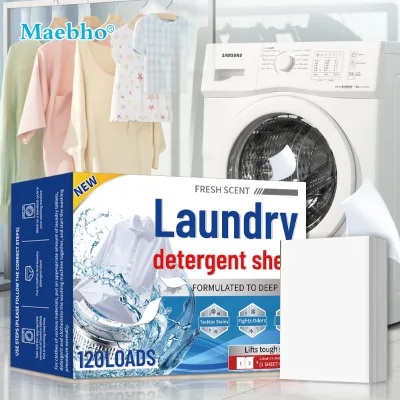
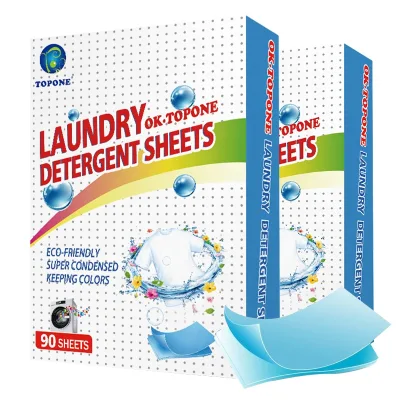
The packaging materials themselves must align with the biodegradable ethos of the product. Common packaging formats include envelope-style wrapping, drawer boxes, and color boxes. A significant trend in sustainable sourcing is the use of "box without plastic" configurations, which reduce single-use plastic waste. The standard packing unit often consists of 30 pieces per box, though suppliers frequently offer customized packaging solutions to meet specific client branding or volume requirements.
Logistical considerations extend to the physical dimensions of the shipping unit. Single package sizes are typically recorded in centimeters, such as 18x13.5x4 cm, which influences palletization efficiency and freight costs. The origin of these products is predominantly China, with specific manufacturing hubs located in Guangdong. This geographic concentration allows for a robust supply chain but requires buyers to verify the specific place of origin to ensure compliance with any regional trade agreements or tariff structures. The product is often stocked as inventory, suggesting that suppliers maintain ready-to-ship stock levels, which can significantly reduce lead times for urgent orders.
Compliance, Certification, and Regulatory Verification
In the B2B sector, the claim of "biodegradable" is not merely a marketing term but a regulatory requirement that demands verification. While the supplied data confirms the product's environmentally friendly nature, buyers must independently verify specific certifications. There is no universal global standard for biodegradability; therefore, procurement teams must request documentation proving that the product meets recognized standards such as OECD 301 or EN 13432, depending on the target market.
The "unscented" attribute also carries regulatory weight, particularly in markets with strict chemical labeling laws. Buyers should ensure that the product does not contain hidden fragrances or masking agents that could violate local regulations. The active ingredient content, which ranges from 30% to 80%, must be clearly disclosed on the label to comply with chemical safety directives. Furthermore, the product's classification as a "detergent" implies adherence to specific safety data sheet (SDS) requirements.
Certification checks should also extend to the manufacturing facility. While the product origin is China, the specific factory's adherence to ISO 9001 for quality management or ISO 14001 for environmental management is essential for long-term partnership stability. Buyers should not assume certification status based on product descriptions alone; instead, they must request valid certificates from the supplier. The "OEM/ODM" capability of the supplier indicates that they can adapt the product to meet specific regional compliance needs, such as adjusting the active ingredient percentage or modifying the packaging to meet local recycling laws.
Cost Drivers and Pricing Dynamics
The pricing of biodegradable unscented laundry detergent sheets is influenced by several dynamic factors, primarily the concentration of active ingredients, the complexity of the packaging, and the volume of the order. The observed price range in the market spans from $0.01 to $5.50 per unit, a wide variance that reflects differences in formulation quality and packaging sophistication. Lower-priced items typically correspond to basic formulations with standard packaging, while higher-priced units often feature premium active ingredient concentrations, eco-friendly packaging, or custom branding.
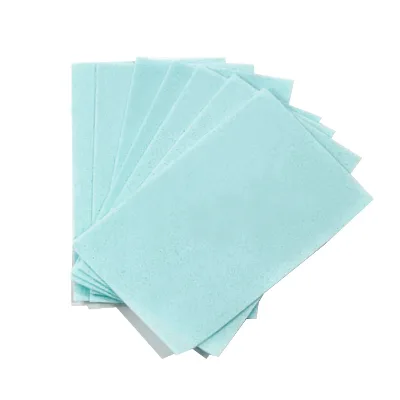
Minimum Order Quantity (MOQ) is a significant cost driver. The market exhibits a broad MOQ range, from as low as 1 box to as high as 100,000 units. For small businesses or those testing the market, an MOQ of 1 box is highly advantageous, allowing for low-risk entry. However, larger orders often benefit from economies of scale, reducing the per-unit cost. Buyers should negotiate based on their volume requirements, keeping in mind that custom packaging or specific color requests (white, blue, green, pink) may incur additional setup costs.
The "Welcome OEM" and "OEM/ODM" attributes suggest that customization is a standard service, but it is important to understand the cost implications. Customization of the product color, packaging design, or active ingredient ratio will impact the final price. Additionally, the availability of samples, which are often provided for free, allows buyers to test the product before committing to a large order, mitigating the risk of financial loss due to product incompatibility.
Supplier Evaluation and Quality Assurance
Selecting the right supplier requires a rigorous evaluation process that goes beyond price comparisons. The supplier's ability to provide samples is a strong indicator of confidence in their product quality. A reputable supplier will readily provide free samples for testing, allowing the buyer to verify the "solid" shape, "unscented" profile, and foam characteristics firsthand. The supplier should also demonstrate flexibility in customization, as indicated by the "Package: customized" and "Product name: OEM supplier cleaning detergent" attributes.
Quality control (QC) is paramount in the detergent industry. Buyers should inquire about the supplier's internal QC protocols, including batch testing for active ingredient consistency and biodegradability verification. The product's "feature" of being disposable, eco-friendly, and stocked suggests a continuous production line, but buyers must ensure that stock quality remains consistent over time. The "Brand Name" of the supplier, such as "AJYF" or generic "oem/odm" labels, should be verified for reputation and reliability in the B2B sector.
When evaluating suppliers, consider their location and logistics capabilities. With the origin in Guangdong, China, suppliers are well-positioned for export, but buyers should verify their experience with international shipping and customs clearance. The "Selling Units" being listed as "Single item" indicates a flexible sales model, but for B2B, the ability to handle bulk orders with consistent lead times is crucial. Suppliers that offer "inventory" status can often ship faster than those operating on a made-to-order basis, which is a significant advantage for maintaining supply chain continuity.
Long-Term Procurement and Application Strategy
The long-term success of sourcing biodegradable unscented laundry detergent sheets depends on aligning the product with the buyer's specific application needs. These sheets are versatile, suitable for various washing scenarios, including automatic machine wash. The "Usage" is explicitly defined as "wash clothes," but the product's "detergent use" can also extend to specialized applications like air-conditioner cleaning, depending on the formulation. Buyers should assess whether the product's foam level (high or low) matches their specific equipment requirements.
Sustainability is a core value proposition for these products. The "biodegradable" nature and "eco-friendly" features make them ideal for brands targeting environmentally conscious consumers. However, the "unscented" attribute is equally important for brands catering to customers with sensitivities or those requiring neutral-smelling cleaning products. The ability to customize the product color (white, blue, green, pink) allows for brand differentiation without compromising the core unscented and biodegradable benefits.
Future-proofing the procurement strategy involves staying abreast of evolving regulations regarding biodegradability and chemical safety. As global standards tighten, suppliers who offer flexible OEM/ODM services will be better positioned to adapt their formulations and packaging to meet new requirements. Buyers should establish long-term partnerships with suppliers who demonstrate a commitment to continuous improvement and transparency in their supply chain. The "Sample: Provided" and "Sample: free" options facilitate ongoing testing and validation, ensuring that the product remains compliant and effective over time.
Comparative Analysis of Product Attributes
To assist in decision-making, the following table summarizes the key attributes observed in the market for biodegradable unscented laundry detergent sheets. This comparison highlights the variability in specifications that buyers must consider when selecting a supplier.
| Attribute | Observed Range/Options | Procurement Consideration |
|---|---|---|
| Active Ingredient Content | 30%-50% or 50%-80% | Higher content implies stronger cleaning power; verify based on load type. |
| Foam Level | Low, High, Rich | Match to washing machine type (HE vs. standard); low foam preferred for HE. |
| Scent Profile | Unscented, No Scent, Flower | Ensure "Unscented" is explicit for sensitive skin applications. |
| Sheet Dimensions | 110x140mm or 120x170mm | Verify compatibility with dispenser mechanisms. |
| Packaging Material | Envelope, Drawer Box, Color Box, Box w/o Plastic | Prioritize plastic-free options for sustainability goals. |
| MOQ | 1 box to 100,000 units | Negotiate based on volume; lower MOQ for testing, higher for cost efficiency. |
| Origin | China (Guangdong) | Verify logistics capabilities and export experience. |
| Customization | Available (Color, Packaging, Formula) | Essential for branding; confirm lead times for custom orders. |
By adhering to these guidelines and conducting thorough due diligence, B2B buyers can successfully source high-quality biodegradable unscented laundry detergent sheets that meet both performance and sustainability criteria. The key lies in balancing technical specifications with supplier reliability to build a resilient and effective supply chain.
FAQs
What is the active ingredient content range for these sheets?
The active ingredient content ranges from 30% to 80% depending on the specific formulation. Products with 50% to 80% content are designed for strong cleaning, while those between 30% and 50% suit lighter loads or sensitive skin requirements.
Can I customize the packaging and product color for my brand?
Yes, customization is available for both packaging and product color. Buyers can select from white, blue, green, or pink options and choose packaging types like envelopes, drawer boxes, or color boxes to meet specific branding needs.
What are the standard sheet dimensions and weight per unit?
Standard sheet dimensions are typically 110 by 140mm or 120 by 170mm per sheet. Each individual sheet weighs approximately 4 grams, ensuring precise dosing for single-use consumption in automatic washing machines.
How does the foam level vary across different product models?
Foam levels vary from low to high or rich foam depending on the specific model. Low foam formulations are preferred for high-efficiency machines, while high foam options may be suitable for traditional top-loading applications or specific industrial uses.
What is the minimum order quantity for purchasing these sheets?
The minimum order quantity ranges from 1 box up to 100,000 units depending on the supplier. Small businesses can start with a single box, while larger orders often benefit from economies of scale and reduced per-unit costs.
Are free samples available for testing product quality before bulk orders?
Free samples are provided by suppliers to allow buyers to test product quality. This enables verification of the solid shape, unscented profile, and foam characteristics before committing to a larger purchase or custom manufacturing agreement.
Where are these biodegradable detergent sheets manufactured and shipped from?
These products originate from Guangdong, China, where manufacturing hubs are concentrated. The location supports a robust supply chain with inventory availability, allowing for faster shipping and reduced lead times for international buyers.