Source Biodegradable Wheat Straw Paper Plates for Catering Events
Compare 30 listings of Biodegradable Wheat Straw Paper Plates from suppliers in China. Buyers can evaluate customization options, packaging details, and delivery times for restaurant and food service needs.
Key considerations
Products List


Comprehensive Sourcing Guide
Strategic Sourcing Guide for Biodegradable Wheat Straw Paper Plates
Understanding Material Composition and Product Attributes
When sourcing Biodegradable Wheat Straw Paper Plates, buyers must first distinguish between the specific material claims and the actual product attributes observed in the market. While the core keyword emphasizes wheat straw, the available product data indicates a significant presence of sugarcane bagasse and standard paper materials. Sugarcane, often referred to as bagasse, is a fibrous residue left after extracting juice from sugarcane stalks. This material is widely recognized for its ability to form sturdy, heat-resistant containers that are fully compostable. The observed product attributes list "Sugarcane" and "Paper" as primary materials, suggesting that suppliers may offer variations where wheat straw is blended with paper pulp or where bagasse is the dominant fiber source.
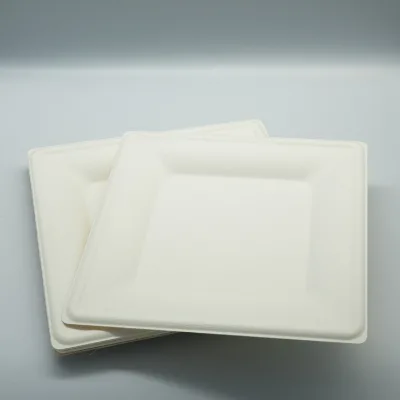
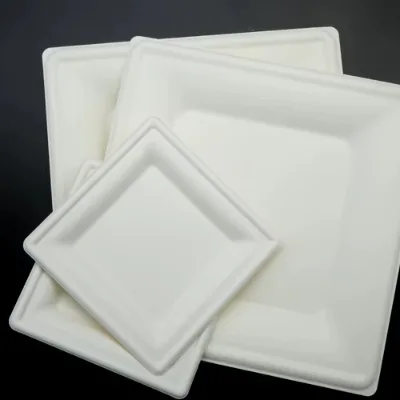
The physical characteristics of these plates vary significantly based on the intended use. Observed specifications include dimensions such as 2323cm, 21790*24mm, and sizes described as 6-inch, 9-inch, and 9x6-inch. The shape is not limited to the traditional round form; the market data shows a diverse range including rectangle, square, oval, and custom shapes. This variety allows procurement teams to select plates that match specific food presentation needs, from standard dining to specialized sushi trays. The weight of individual units is extremely light, with a recorded single gross weight of 0.01 Kg, which is a critical factor for logistics and shipping cost calculations.
Color options observed in the product listings range from standard white to multicolor finishes. The printing capabilities are extensive, with CMYK printing available for custom branding. This flexibility supports the "Customized Logo Acceptable" attribute, allowing businesses to brand their packaging for events, restaurants, or retail distribution. The feature set consistently highlights "Bio-Degradable" and "Eco-Friendly" properties, aligning with global sustainability mandates. However, buyers must verify that the specific batch they order matches the "wheat straw" keyword requirement, as the supply chain often utilizes bagasse as a primary alternative with similar environmental profiles.
Technical Specifications and Standardization
Defining the technical specifications is the second critical step in the procurement process. The market data reveals a fragmented standardization landscape where different suppliers adhere to varying dimensional and capacity metrics. For instance, one product line specifies a standard size of 2323cm, while another lists a 6-inch diameter, and a third offers a 9-inch option. These discrepancies highlight the necessity for buyers to define their exact size requirements before requesting quotes. The observed specification of 21790*24mm suggests a rectangular tray format, likely intended for sushi or appetizer service, which differs from the round or square dinner plates.
Capacity is another technical parameter that requires careful verification. While the keyword focuses on plates, the data includes a capacity listing of 230ml, which is more typical of a small bowl or container than a flat plate. This indicates that the product category often overlaps with food storage containers. Buyers should clarify whether they require flat plates for serving or deeper containers for food storage. The standard weight of 15g is also noted in the data, which serves as a benchmark for material density. Heavier plates generally offer better rigidity and heat resistance, while lighter plates reduce shipping costs but may lack durability for hot foods.
The packaging standards also vary, with observations ranging from "Paper Box" to "Paper Carton" and specific counts like "50PCS/Polybag, 500PCS/Carton." The outer carton dimensions are listed as 40X50X45cm in some instances, which is vital for calculating container load efficiency. Buyers must ensure that the packaging specifications provided by the supplier match their warehouse storage capabilities and shipping logistics. The "Paper Carton" and "OPP Bag" combinations suggest a dual-layer protection strategy, which is essential for maintaining the integrity of the biodegradable material during transit.
Compliance, Certification, and Regulatory Checks
Navigating the regulatory landscape is paramount for biodegradable food contact products. The observed data explicitly lists "CE/EU" and "FDA" certifications. These are not merely marketing terms but critical compliance markers. FDA certification indicates that the material is safe for food contact according to United States standards, while CE marking suggests compliance with European health, safety, and environmental protection standards. Buyers must request valid test reports and certificates of analysis to verify these claims, as the presence of these keywords in a product listing does not guarantee that every unit in a shipment is certified.
Beyond the listed certifications, buyers should verify compliance with local biodegradability standards. The term "Bio-Degradable" is a functional claim that requires specific testing conditions to be valid. In many jurisdictions, a product must break down within a specific timeframe under industrial composting conditions to be legally marketed as such. The observed "Advantage" field lists "Biodegradable" and "Eco-Friendly," but these are general attributes. Procurement teams should ask for third-party testing results from accredited laboratories that confirm the degradation rate and the absence of toxic heavy metals or microplastics.
The origin of the products is another compliance factor. The data points to "Anhui, China" and general "China" origins. While China is a major manufacturing hub for biodegradable tableware, buyers must ensure that the specific factory adheres to international labor standards and environmental regulations. The "Customized" nature of the products means that the final composition might vary based on the client's request, potentially affecting certification status. Therefore, the certification must cover the specific custom formulation, not just the base material.
Cost Drivers and Economic Factors
The economic landscape for sourcing these plates is influenced by several distinct cost drivers. The observed price range in the data is listed as 0-0.2 USD, which likely represents a per-unit cost for bulk orders or a specific promotional tier. However, this range is highly volatile and depends heavily on the order volume. The Minimum Order Quantity (MOQ) ranges from 100 to 500,000 units, with a specific high-volume entry of 50,000 PCS. This wide range indicates that small businesses may face higher per-unit costs due to lower economies of scale, while large enterprises can negotiate significantly lower prices.
Material costs are a primary driver. Sugarcane bagasse and wheat straw prices fluctuate based on agricultural harvest cycles and global commodity markets. The use of "Paper" as a base material also ties the cost to pulp prices. Additionally, the customization of logos and shapes adds a layer of cost. The "Customized Logo Acceptable" attribute implies that setup fees for printing molds or screens may apply, especially for the first order. The "Sample Time" of 2-3 days or 5 days suggests that the complexity of the design can impact the timeline and potentially the cost of prototyping.
Logistics and lead times are also significant cost factors. The data shows a "Delivery Time" that can be "According to The Quantity" or a fixed "40 Days." This variability means that rush orders may incur premium shipping costs or require air freight instead of sea freight. The "Port: Shanghai" designation is standard for Chinese exports, but buyers must factor in inland transportation costs from the factory in Anhui to the port. The single gross weight of 0.01 Kg is low, but the bulk packaging dimensions (40X50X45cm) can lead to high volumetric weight charges if the packaging is not optimized.
Typical Applications and Usage Scenarios
The versatility of biodegradable wheat straw and bagasse plates makes them suitable for a wide array of applications. The observed "Usage" field lists "Food," "Dessert," and "Restaurant," indicating broad applicability. The specific mention of "Disposable Sushi Tray" suggests a niche application where the rectangular shape and specific dimensions (2179024mm) are ideal for holding raw fish and rice without leakage. The "Function: Food Storage" attribute further supports the use of these items for takeout and catering services where food needs to be transported from the kitchen to the consumer.
The "Shape" diversity, including round, square, oval, and custom forms, allows for customization based on the type of cuisine. Round plates are standard for general dining, while square and rectangular trays are preferred for buffet lines or specific food items like sushi. The "Color" options, ranging from white to multicolor, enable branding opportunities for corporate events, weddings, and themed parties. The "Eco-Friendly" feature makes these plates particularly attractive for venues that aim to reduce their carbon footprint and comply with local bans on single-use plastics.
The "Use: Restaurant" attribute highlights the commercial sector as a primary market. Restaurants, cafes, and food trucks can utilize these plates to enhance their sustainability profile. The "Sample: Free" attribute suggests that buyers can test the product quality before committing to large orders, which is crucial for ensuring the plates meet the durability requirements of hot food service. The ability to withstand heat and moisture is a key performance indicator for restaurant applications, and buyers should verify this through sample testing.
Supplier Evaluation and Quality Control Protocols
Evaluating suppliers requires a rigorous approach to ensure consistency and reliability. The data shows a "Customization: Available" feature, which implies that the supplier has the capacity to modify molds and printing processes. Buyers should verify the supplier's production capacity to ensure they can meet the "MOQ: 50000 PCS" or higher volume requirements without compromising quality. The "Delivery Time: 40 Days" is a standard lead time, but buyers should confirm if this includes production, quality control, and shipping.
Quality control should be a continuous process. The "Feature: Bio-Degradable" claim must be backed by consistent manufacturing practices. Buyers should request a Quality Control Plan that outlines how the supplier tests for material integrity, printing adhesion, and dimensional accuracy. The "Single Gross Weight: 0.01 Kg" should be monitored to ensure that the plate thickness remains consistent across batches. Variations in weight can indicate inconsistencies in the molding process, which could lead to weak points in the plate.
The "Packing" specifications, such as "50PCS/Polybag, 500PCS/Carton," should be inspected to ensure that the packaging protects the plates from moisture and damage. Biodegradable materials are sensitive to humidity, and improper packaging can lead to mold growth or structural failure before the product even reaches the customer. Buyers should also verify the "Standard: 23*23cm" or other dimensional standards to ensure that the final product matches the ordered specifications.
Long-Term Procurement and Sustainability Strategy
For long-term procurement, buyers should focus on building a sustainable supply chain that aligns with their corporate social responsibility goals. The "Advantage: Biodegradable, Eco-Friendly" attributes are not just marketing points but strategic assets. As regulations on single-use plastics tighten globally, having a reliable source of biodegradable alternatives will be crucial. Buyers should consider the lifecycle of the product, from raw material sourcing to end-of-life disposal.
The "Customized Logo" feature offers a long-term branding opportunity. By consistently using branded biodegradable plates, companies can reinforce their commitment to sustainability. However, buyers must ensure that the customization process does not introduce non-biodegradable elements, such as certain inks or coatings, which could hinder the compostability of the product. The "Sample Time: 2-3days" or "5 Days" allows for iterative testing and refinement of the product design over time.
Finally, buyers should monitor the market for new material innovations. While sugarcane and wheat straw are currently dominant, other plant-based fibers may emerge. The "Material: Sugarcane" and "Paper" observations suggest a mature market, but continuous innovation is expected. By maintaining a relationship with suppliers who offer "Customized" solutions, buyers can adapt to new trends and regulatory changes. The "Port: Shanghai" and "Location: Anhui, China" provide a stable logistical base, but diversifying suppliers can mitigate risks associated with supply chain disruptions.
FAQs
What materials are used for these biodegradable plates?
The plates are primarily made from sugarcane bagasse and paper pulp. Some listings also indicate wheat straw blends, ensuring they are fully compostable and eco-friendly for food service applications.
Can I request a customized logo on these plates?
Yes, customized logos are acceptable and printing capabilities include CMYK options. Buyers can specify shapes like round, square, or oval, and colors ranging from white to multicolor for branding purposes.
What certifications do these food containers hold?
The products hold CE/EU and FDA certifications for food safety compliance. These marks indicate the materials are safe for direct food contact and meet international health standards for biodegradable tableware.
How long is the delivery time for bulk orders?
Delivery times vary based on quantity, typically ranging from 40 days for standard orders. Some suppliers offer sample times of 2-3 days, while full production depends on the specific order volume requested.
What is the minimum order quantity for these plates?
Minimum order quantities range from 100 to 500,000 pieces depending on the supplier. A common threshold for bulk pricing is 50,000 pieces, though smaller batches may be available with adjusted pricing.
Are these plates suitable for sushi and food storage?
Yes, they are designed as disposable sushi trays and food storage containers with specific dimensions like 217*90*24mm. Their sturdy construction supports hot food and prevents leakage during transport.