Source Vintage Brass Open Finger Rings for Wedding, Decoration, Gift
Compare 30 listings of Vintage Brass Open Finger Rings with adjustable sizes and various finishes. Buyers can evaluate styles like retro and classic, materials including stainless steel and sterling silver, and customization options for wedding, decoration, and gift purposes; compare the available evidence and request quotations based on your requirements.
Key considerations
Products List
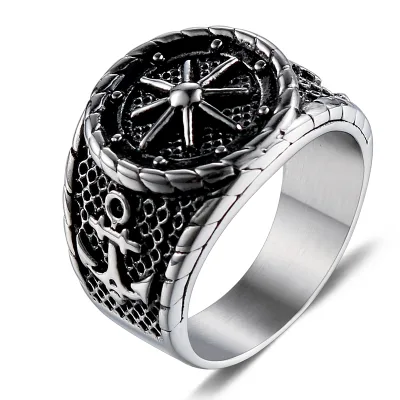
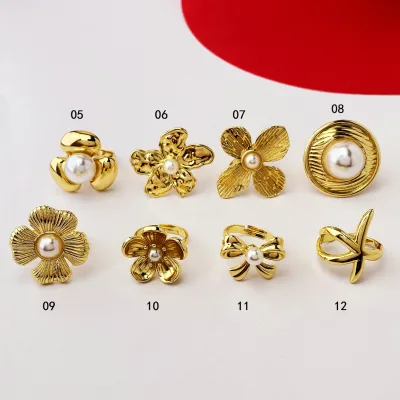
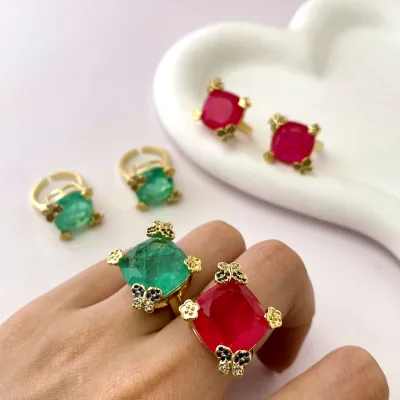
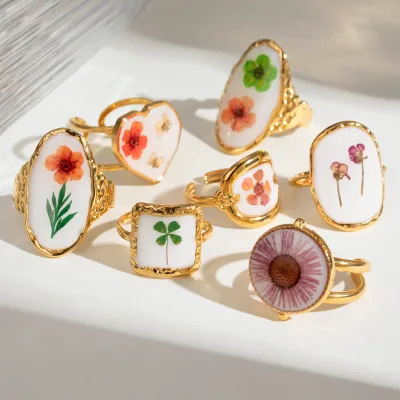
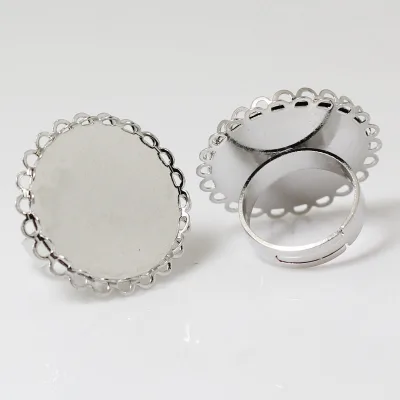
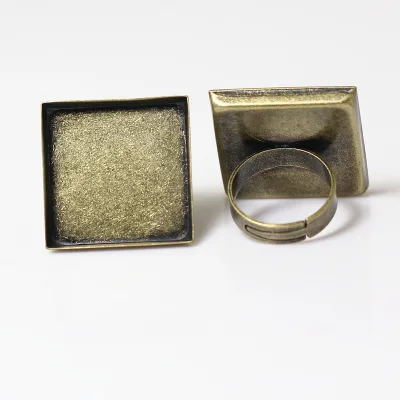
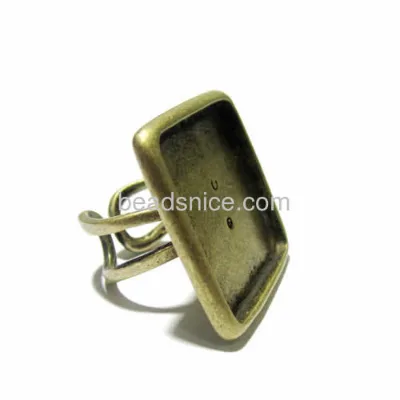
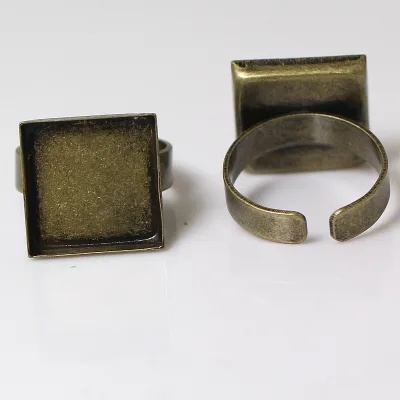


Comprehensive Sourcing Guide
Vintage Brass Open Finger Rings Sourcing Guide
Sourcing Vintage Brass Open Finger Rings requires a nuanced understanding of material properties, aesthetic trends, and manufacturing tolerances. These rings are often characterized by their adjustable open-band design, which allows for a flexible fit across various finger sizes without the need for precise sizing tools. The "vintage" designation typically implies a specific aesthetic finish, such as antiquing or patina, rather than a strict historical period. Buyers must distinguish between solid brass components and brass-plated base metals, as this distinction significantly impacts durability, weight, and cost. The open design also introduces unique quality control challenges, particularly regarding the tension of the split ends and the smoothness of the inner surface to prevent skin irritation.
Procurement strategies for this category should focus on verifying the alloy composition and surface treatment processes. Brass is an alloy of copper and zinc, and the ratio affects both the color tone and the resistance to tarnishing. Vintage-style pieces often undergo additional chemical treatments to achieve a distressed or aged look, which can sometimes compromise the integrity of the metal if not properly sealed. Buyers should prioritize suppliers who provide clear documentation on the plating thickness or solid brass content, especially if the rings are intended for long-term wear. Understanding the specific manufacturing techniques, such as casting versus stamping, is also crucial, as casting allows for more intricate vintage details but may result in higher porosity and potential breakage points at the open ends.
Product Scope and Observed Listing Signals
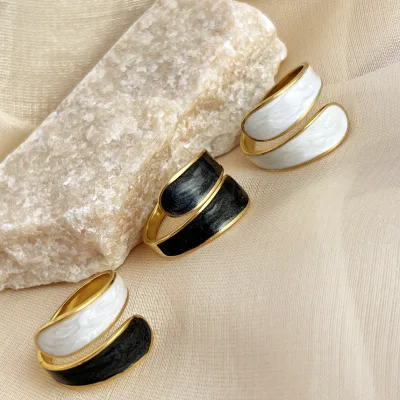
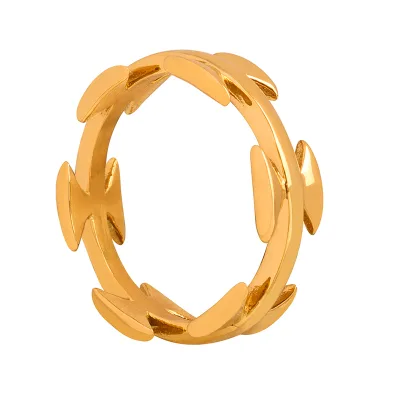
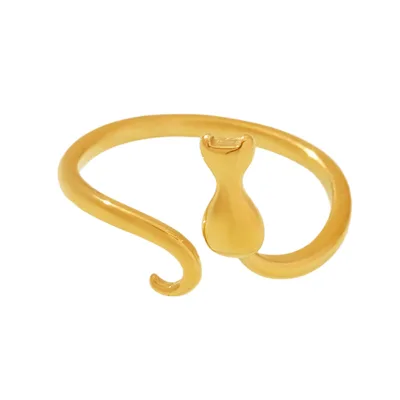
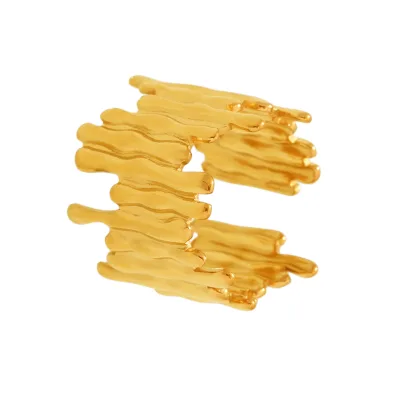
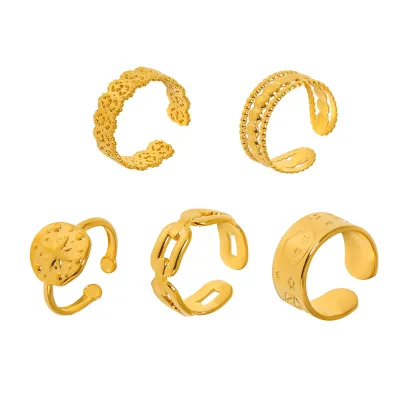
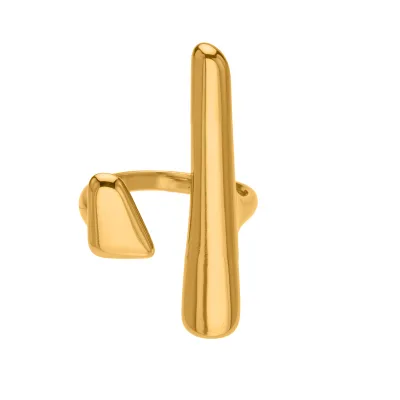
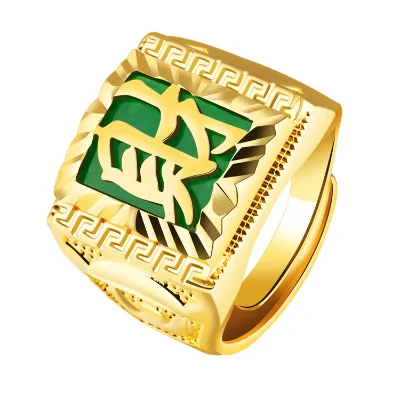
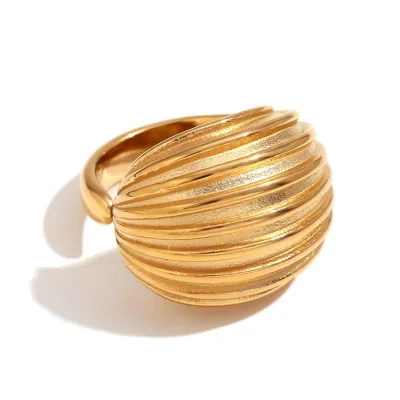
The current market landscape for Vintage Brass Open Finger Rings reveals a diverse range of styles, from simple geometric bands to intricate filigree designs. Observed listings frequently highlight attributes such as "trendy," "fashion," and "retro" styles, indicating a strong consumer demand for pieces that blend contemporary aesthetics with nostalgic elements. Color variations are extensive, with gold, silver, and steel-gold finishes being prevalent, suggesting that many suppliers offer brass rings with various electroplating options to mimic different precious metals. The presence of adjustable sizing, often labeled as "7# adjustable" or "resizable," is a key selling point that simplifies inventory management for retailers by reducing the need for multiple SKUs based on finger size.
Another significant signal in the market is the emphasis on customization and branding services. Many suppliers offer logo customization, OEM services, and various packaging options, including PP bags and OPP bags, which cater to both private label brands and bulk wholesale buyers. The observed product models, such as R30634 and R30022, suggest a standardized approach to design numbering, which can aid in tracking and reordering specific styles. Additionally, the availability of different shapes, including square and round profiles, allows buyers to curate collections that appeal to diverse customer preferences. The "prime ring" classification in some listings may indicate a focus on higher-quality materials or more refined finishing processes, distinguishing these items from lower-cost fashion accessories.
Technical Specifications to Verify
When evaluating technical specifications, the material composition is the primary factor to verify. Buyers must confirm whether the rings are made from solid brass or a base metal with a brass plating, as this affects longevity and hypoallergenic properties. The fabrication process, whether casting or polishing, also plays a critical role in the final quality. Casting allows for complex vintage details but may require additional polishing to remove mold lines, while stamping offers consistency but may limit design complexity. The surface finish should be inspected for uniformity, ensuring that any antiquing or patina effects are evenly distributed and do not flake off during normal wear.
Sizing and fit are equally important technical considerations. The open design must maintain sufficient tension to stay on the finger without being too tight or too loose. Buyers should request samples to test the adjustability range, typically spanning sizes 5 to 8, and check for sharp edges or rough spots on the inner band. The standard dimensions, such as 578mm or 578cm, should be clarified, as inconsistencies in these measurements can lead to customer dissatisfaction. Additionally, the fade resistance of the plating or finish should be verified, as vintage-style rings are often exposed to oils and moisture, which can accelerate tarnishing if not properly treated.
Compliance and Safety Documentation
Compliance with international safety standards is essential for jewelry products, particularly those intended for global markets. Buyers should ensure that suppliers provide documentation confirming the absence of harmful substances such as lead, cadmium, and nickel, which are often regulated in jewelry due to their potential to cause allergic reactions or health issues. While specific certification statuses may vary by region, general adherence to standards like ISO 3601 for jewelry safety can serve as a baseline for quality assurance. Suppliers should be able to provide test reports from accredited laboratories that verify the chemical composition of the brass and any plating materials used.
Packaging and labeling requirements also fall under compliance considerations. The use of PP or OPP bags for individual packaging is common, but buyers must ensure that these materials are free from harmful additives and are suitable for direct contact with skin. Clear labeling with material composition, care instructions, and country of origin is often required by customs and consumer protection agencies. Buyers should also verify that the supplier follows ethical labor practices and environmental regulations, as these factors are increasingly important to consumers and can impact brand reputation. Requesting a compliance checklist from the supplier can help streamline the verification process and ensure that all necessary documentation is in place before production begins.
Cost Drivers and Commercial Terms
The cost of Vintage Brass Open Finger Rings is influenced by several key factors, including the price of raw materials, manufacturing complexity, and order volume. Brass prices fluctuate based on global copper and zinc markets, which can impact the base cost of the rings. More intricate designs that require casting or detailed polishing will generally cost more than simple stamped bands. The thickness of any plating or the quality of the brass alloy also affects the price, with higher-quality materials commanding a premium. Buyers should negotiate pricing based on clear specifications to avoid hidden costs associated with material substitutions or additional finishing processes.
Commercial terms such as minimum order quantities (MOQ) and lead times are critical for planning inventory and cash flow. Observed MOQs range from 1 to 1000 units, offering flexibility for both small boutique orders and large wholesale purchases. Lead times can vary depending on the complexity of the design and the supplier's production capacity, so buyers should establish clear timelines and communication protocols. Payment terms, such as deposits and balance payments upon shipment, should be agreed upon in advance to mitigate financial risk. Additionally, buyers should consider the cost of shipping and customs duties, which can significantly impact the total landed cost of the product.
Supplier Qualification and Quality Control
Qualifying suppliers for Vintage Brass Open Finger Rings involves a thorough assessment of their manufacturing capabilities and quality control processes. Buyers should verify the supplier's experience in producing brass jewelry and their ability to maintain consistent quality across batches. Requesting references or case studies from previous clients can provide insights into the supplier's reliability and professionalism. It is also important to assess their quality control measures, including in-process inspections and final product checks, to ensure that defects such as rough edges, uneven plating, or sizing issues are minimized.
Sample evaluation is a crucial step in the qualification process. Buyers should order samples to physically inspect the rings for quality, finish, and fit. This allows for a direct comparison with specifications and helps identify any potential issues before committing to a larger order. Establishing a clear quality agreement that defines acceptable tolerances and defect rates is essential for maintaining consistency. Regular audits or third-party inspections may be necessary for large orders to ensure that the supplier adheres to the agreed-upon standards. Building a strong relationship with the supplier through open communication and feedback can also help improve quality over time.
Long-Term Procurement Checks
Long-term procurement success with Vintage Brass Open Finger Rings requires ongoing monitoring of supplier performance and market trends. Buyers should regularly review supplier metrics such as on-time delivery, product quality, and responsiveness to issues. Establishing a scorecard system can help track these metrics and identify areas for improvement. Additionally, staying informed about changes in material costs, regulatory requirements, and consumer preferences is essential for adapting procurement strategies. Regularly updating specifications and negotiating terms based on current market conditions can help maintain cost efficiency and product relevance.
Building a diversified supplier base can mitigate risks associated with single-source dependencies. Engaging with multiple suppliers allows buyers to compare quality, pricing, and service levels, providing leverage in negotiations and ensuring continuity of supply. Investing in relationship management and collaborative planning with key suppliers can lead to better terms, priority production, and access to new designs. Finally, conducting periodic reviews of the product portfolio and discontinuing underperforming items can help optimize inventory and focus resources on high-demand styles. Continuous improvement and adaptability are key to sustaining a successful procurement program for vintage brass jewelry.
FAQs
What ring sizes are available for Vintage Brass Open Finger Rings?
Available ring sizes include 5, 6, 7, 8, and adjustable options. Some models support customized sizing to meet specific buyer requirements. The product specifications list standard integer sizes alongside flexible adjustable variants for better fit.
Which materials are used to manufacture these Vintage Brass Open Finger Rings?
Manufacturers use stainless steel and 925 sterling silver for these rings. The fabrication processes include polishing and electroplating to achieve the desired finish. These materials ensure durability while maintaining the vintage aesthetic required by buyers.
Can buyers request custom logos on Vintage Brass Open Finger Rings?
Yes, logo customization is available for these rings. Suppliers offer OEM services and accept customized logo requests. This allows buyers to brand the jewelry according to their specific marketing needs or corporate identity requirements.
What packaging options are provided for Vintage Brass Open Finger Rings?
Packaging options include PP bags and OPP bags for individual items. These standard packaging methods protect the rings during shipping and storage. Buyers can expect secure packaging suitable for wholesale distribution and retail display purposes.
How can buyers find suppliers for Vintage Brass Open Finger Rings with specific MOQs?
Buyers can find suppliers with MOQs ranging from 1 to 1000 units. The product page indicates flexible minimum order quantities to accommodate different business scales. This flexibility helps small and large buyers source the rings efficiently.
What styles are available for Vintage Brass Open Finger Rings?
Available styles include trendy, fashion, vintage, classic, retro, simple, and cute designs. These styles cater to diverse consumer preferences and current market trends. The variety ensures that buyers can find rings matching their target audience demographics.