Source Antique Tile Flexible Stone for Interior Walls, Bathrooms, and Commercial Spaces
Explore 30 listings for Antique Tile Flexible Stone suitable for interior walls, bathrooms, and commercial spaces. Buyers can compare specifications like surface finish, size, and fire resistance across suppliers from Linyi, Jinhua, and Foshan.
Key considerations
Products List

Wall Decor Clay Flexible Soft Cladding Stone Wall Tiles Flexible Stone
$6.29 - $11.77
MOQ: 200 Square Meters


Flexible Soft Ceramic Tiles Interiors and Exteriors Flexible Stone Veneer Fireproof
$10.00 - $30.00
MOQ: 50 Square Meters


Marble Style Stone Flexible Stone Panel Granite Design Artificial Stone
$3.90 - $7.90
MOQ: 100 Square Meters


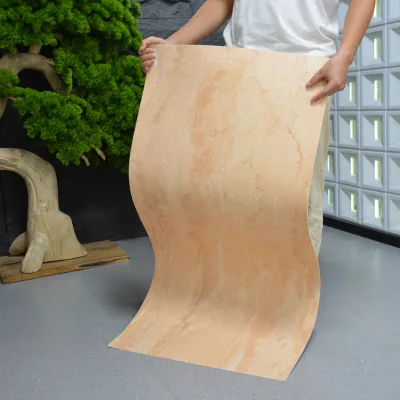
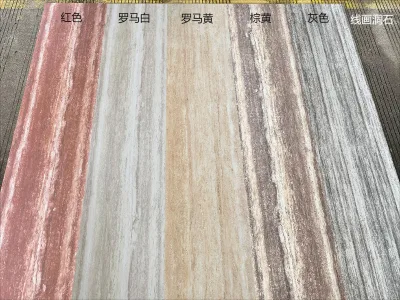

CE Certificate Factory Good Price Travertine Tile Soft Stone Flexible Stone
$2.18 - $8.67
MOQ: 1000 Pieces


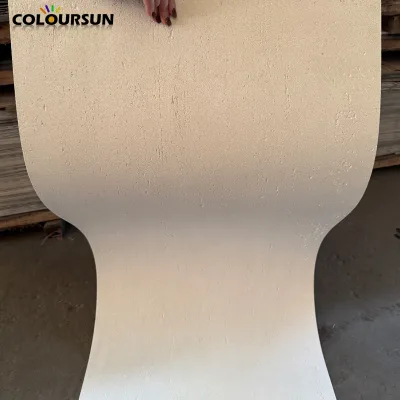


Comprehensive Sourcing Guide
Sourcing Guide for Antique Tile Flexible Stone
Understanding Product Attributes and Material Composition
When sourcing Antique Tile Flexible Stone, buyers must first distinguish between traditional rigid stone and modern composite alternatives. The core keyword suggests a product that mimics the aesthetic of aged stone but utilizes flexible materials for easier installation. Based on available market data, this category often encompasses products described as "Flexible Stone" or "Modified Cement and Fiber." These materials are engineered to replicate the texture and visual depth of natural stone, such as quartzite or slate, while offering superior pliability. The material composition typically involves a blend of modified cement and fiber, which provides the structural integrity necessary for wall cladding while allowing the sheet to bend around curves and corners without cracking.
The visual characteristics are a primary driver for this product selection. The surface finish is frequently polished or treated to achieve a semi-matt luster, which enhances the antique appearance without being overly reflective. Some listings indicate a "wood texture" or "natural surface" finish, suggesting that the manufacturing process can impart organic patterns that resemble weathered stone or aged wood. The design style is predominantly modern, utilizing the antique aesthetic to create a contemporary contrast in interior spaces. It is crucial for buyers to understand that while the visual output is "antique," the underlying material properties are those of a high-performance composite, offering features such as durability, water resistance, and mold proofing. This distinction is vital for procurement teams managing expectations regarding the physical behavior of the tile under stress or environmental exposure.
Technical Specifications and Dimensional Standards
Technical due diligence is essential when evaluating flexible stone products, as specifications can vary significantly between manufacturers. The standard dimensions observed in the market include formats such as 3060cm, 6001200mm, and larger sheets up to 1200*3000mm. These sizes are designed to accommodate both residential and large-scale commercial projects. The thickness is another critical parameter; specific product lines indicate a thickness of 2.5mm, which is characteristic of flexible stone panels that require a thin profile to maintain their bendability. This thinness allows for a "cut-to-size" capability, enabling installers to customize dimensions on-site to fit irregular spaces, a feature highly valued in renovation projects where standard tile sizes may not align with existing architectural elements.
The edge processing for these products is typically flat, ensuring a clean finish when installed. However, buyers should verify if the supplier offers additional edge treatments if a specific aesthetic is required. The product models vary widely, with identifiers such as "NWAS91373," "011," "002," and "SOFT GRANITE" appearing in various catalogs. These model numbers often correspond to specific texture patterns, color palettes, or surface treatments. For instance, some models are explicitly labeled as "FACING BPICK G-Series" or "K-Series," which may indicate different surface roughness or granular compositions. When reviewing technical datasheets, procurement specialists should cross-reference the listed standard dimensions against the actual project requirements, noting that while some products come in fixed sizes like 30*60cm, others may be available in custom dimensions. The origin of the product, often traced to regions like Linyi, Jinhua, or Guangdong Foshan, can also influence the consistency of these technical specifications, as regional manufacturing capabilities vary.
Compliance, Certification, and Safety Standards
In the B2B procurement landscape, verifying compliance and certification is non-negotiable, particularly for materials used in commercial and public spaces. The supply chain for flexible stone often includes products bearing the CE certification, which indicates conformity with health, safety, and environmental protection standards for products sold within the European Economic Area. Some suppliers also list ISO certifications, suggesting adherence to international management system standards. However, buyers must treat these certifications as observations of specific product listings rather than universal guarantees for all items under the "Antique Tile Flexible Stone" keyword.
Fire resistance is a critical safety attribute for this category. Many flexible stone products are marketed with "incombustibility" as a key feature, making them suitable for applications in high-traffic areas, auditoriums, and commercial buildings where fire codes are stringent. The material's composition, being modified cement and fiber, inherently contributes to its fire-resistant properties compared to organic materials. Additionally, the product's ability to resist acid and its antacid properties are highlighted in several listings, which is relevant for environments exposed to chemical cleaners or acidic substances. Buyers should request specific test reports or documentation that validates these claims, such as fire rating certificates or chemical resistance test results, rather than relying solely on marketing descriptions. The standard "JCG/T 60001-Surface Treatment:Machine-cut" mentioned in some contexts provides a reference for surface processing quality, but it is imperative to confirm if this standard applies to the specific batch being purchased.
Cost Drivers and Pricing Dynamics
The pricing structure for Antique Tile Flexible Stone is influenced by a complex interplay of factors, including material composition, customization level, and order volume. The observed price range in the market spans from approximately $2.18 to $50 per unit, reflecting the vast diversity in product quality, size, and finish. Lower-priced items often correspond to standard sizes with basic surface finishes, while higher-priced variants may feature custom textures, larger dimensions, or specialized surface treatments like wood textures or intricate carvings. The "Customization" attribute is a significant cost driver; products that offer "Customized" designs or specific "Carving" capabilities typically command a premium due to the additional labor and machinery time required.
Minimum Order Quantity (MOQ) is another critical factor affecting the total cost of ownership. The observed MOQ range is broad, extending from as low as 2 units to as high as 5,000 units. For small-scale projects or sample procurement, buyers can access products with low MOQs, but the unit price may be higher. Conversely, large commercial projects can leverage bulk purchasing to reduce the per-unit cost, provided the supplier can accommodate the high volume. The packaging method also influences logistics costs; products packed in "Standard Export Carton with Wooden Frame/Box" or on "Wood Pallets" incur higher shipping expenses compared to those in simple cartons. Buyers should calculate the total landed cost, including freight and insurance, when comparing suppliers, as the initial unit price does not always reflect the final cost to the project.
Typical Applications and Functional Performance
The versatility of Antique Tile Flexible Stone makes it suitable for a wide array of applications, spanning both interior and exterior environments. In interior settings, these tiles are frequently used for wall cladding in bedrooms, home theaters, concert halls, and auditoriums, where acoustic properties and aesthetic appeal are paramount. The "Acid-Resistant" and "Heat Insulation" functions make them ideal for bathrooms, kitchens, and commercial spaces that require durable, easy-to-clean surfaces. The "Wear-Resistant" property ensures longevity in high-traffic areas such as lobbies and corridors. For exterior applications, the "Waterproof," "Eco-Friendly," and "Mould-Proof" advantages are particularly valuable, allowing the material to withstand weather exposure without degrading.
The "Occasion" for use is often listed as "Interior & Exterior," indicating the material's adaptability to different environmental conditions. The "Slate Erosion Resistance" and "Antacid" properties further enhance its suitability for outdoor facades or areas prone to chemical exposure. In commercial settings, the "Modern" design style allows architects to create striking visual statements that blend contemporary aesthetics with the timeless appeal of stone. The "Cut-to-Size" capability is especially beneficial for complex architectural features, such as curved walls or columns, where traditional rigid tiles would be difficult to install. The following table summarizes the key functional attributes and their corresponding application areas:
| Functional Attribute | Primary Application Area | Benefit Description |
|---|---|---|
| Incombustibility | Commercial Buildings, Auditoriums | Enhances fire safety compliance |
| Waterproof/Mould-Proof | Bathrooms, Exterior Cladding | Prevents water damage and biological growth |
| Acid-Resistant | Kitchens, Laboratories | Withstands chemical cleaning agents |
| Heat Insulation | Exterior Walls, Roofs | Improves energy efficiency |
| Wear-Resistant | High-Traffic Floors, Lobbies | Extends product lifespan in busy areas |
| Cut-to-Size | Curved Walls, Irregular Spaces | Facilitates complex architectural designs |
Supplier Evaluation and Quality Control Protocols
Evaluating suppliers for Antique Tile Flexible Stone requires a rigorous approach to ensure product consistency and reliability. Buyers should prioritize suppliers who demonstrate transparency in their manufacturing processes, particularly regarding the "Surface Finishing" and "Edge Processing" stages. The presence of "Machine-cut" standards suggests a level of automation that can improve precision, but visual inspection of samples is necessary to verify the quality of the "Polished" or "Semi-Matt" finish. Suppliers located in major manufacturing hubs like Linyi, Jinhua, and Guangdong Foshan often have established supply chains, but buyers must verify the specific factory capabilities rather than relying solely on regional reputation.
Quality control protocols should include a review of the "prod_packing" standards to ensure that products are protected during transit. The use of "Standard Export Carton with Wooden Frame/Box" or "Cartons, Wood Pallets" indicates a commitment to safe shipping, but buyers should confirm that the packaging is suitable for the specific logistics route. Additionally, the "Customization" process should be clearly defined, with suppliers providing clear timelines and proofing stages for custom orders. Buyers should request samples that match the exact specifications of the intended project, paying close attention to color consistency, texture depth, and flexibility. The "Sculpture Producing" capability, such as "Carving," should be verified through physical samples to ensure the detail is sharp and the material does not chip or crack during the carving process.
Long-Term Procurement and Maintenance Considerations
For long-term procurement success, buyers must consider the maintenance requirements and lifecycle of Antique Tile Flexible Stone. The "Eco-Friendly" and "Durable" attributes suggest a product with a long service life, but regular maintenance is necessary to preserve its appearance. The "Surface Finish" type, whether polished or natural, will dictate the cleaning regimen; polished surfaces may require specific cleaners to maintain their luster, while natural surfaces might be more forgiving. The "Waterproof" and "Mould-Proof" features reduce the risk of water damage, but periodic inspections are recommended to check for any sealant degradation or edge lifting, especially in exterior applications.
Procurement strategies should also account for the potential need for future replacements or expansions. Since the product is available in various sizes and models, maintaining a relationship with a supplier who can provide consistent batches is crucial to avoid color or texture mismatches in future projects. The "Custom" standard option allows for flexibility in future orders, but buyers should ensure that the supplier has the capacity to replicate the original specifications. Finally, the "Lead Time" and "MOQ" constraints should be factored into the project timeline; high-volume orders with custom specifications may require longer lead times, necessitating early planning to avoid project delays. By focusing on these long-term factors, buyers can ensure that their investment in Antique Tile Flexible Stone delivers value over the life of the building.
FAQs
What materials are used to make Antique Tile Flexible Stone?
The material is typically a blend of modified cement and fiber. This composition provides structural integrity while allowing the sheet to bend around curves without cracking, mimicking natural stone textures.
Can this product be cut to specific sizes for installation?
Yes, the product offers a cut-to-size feature for custom dimensions. Installers can customize sizes on-site to fit irregular spaces, which is highly valued in renovation projects requiring non-standard layouts.
Which certifications are available for these flexible stone tiles?
Some listings include CE and ISO certifications for safety and management standards. Buyers should verify these as observations of specific product listings rather than universal guarantees for all items under this category.
How does the surface finish affect the antique appearance?
The surface finish is often polished or treated to achieve a semi-matt luster. This enhances the antique aesthetic without being overly reflective, sometimes including wood texture or natural surface treatments.
What is the typical price range for Antique Tile Flexible Stone?
The observed price range spans from approximately 2.18 to 50 USD per unit. Lower prices often correspond to standard sizes, while higher prices reflect custom textures, larger dimensions, or specialized surface treatments.
Can the product be used for both interior and exterior applications?
Yes, the product is designed for both interior and exterior wall cladding. Its waterproof, mould-proof, and acid-resistant properties make it suitable for diverse environments ranging from bathrooms to outdoor facades.
What is the minimum order quantity for purchasing these tiles?
The minimum order quantity ranges from 2 to 5000 units depending on the supplier. Small-scale projects can access low MOQs, while large commercial projects can leverage bulk purchasing to reduce per-unit costs.