Source Bitumen Test Soil Compaction Hammer for Ceramics, Glass, and Industrial
Compare 30 available Bitumen Test Soil Compaction Hammer models from Chinese manufacturers. Buyers can evaluate specifications like load capacity, accuracy, and power options for applications in ceramics, glass, and industrial testing; compare the available evidence and request quotations based on your requirements.
Key considerations
Products List


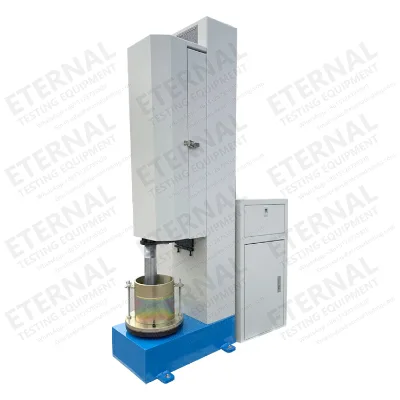
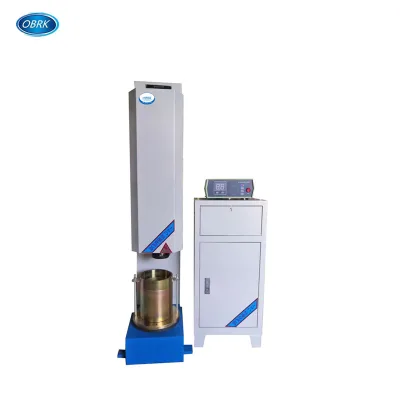
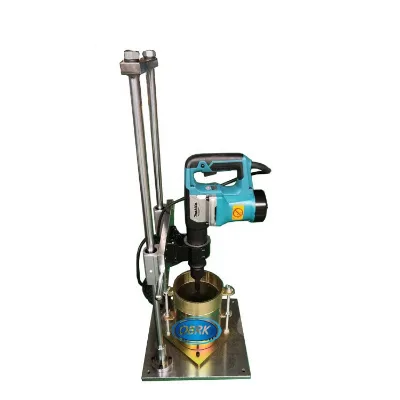

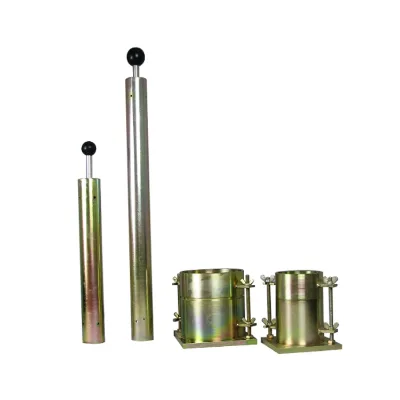
Vibration Compacting Hammer for Compaction Proctor and Cbr Soil Specimens
$600.00 - $800.00
MOQ: 1 Pieces


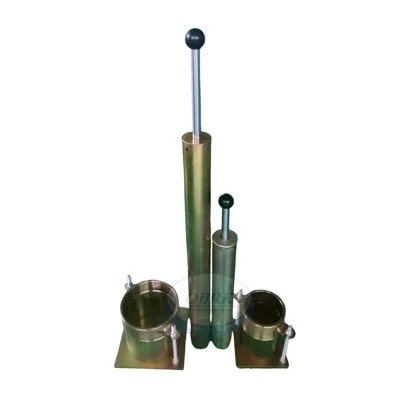
4inch Marshall Mould 4.5kgs Hammer Asphalt Marshall Testing Compactor
$800.00 - $1600.00
MOQ: 1 Pieces


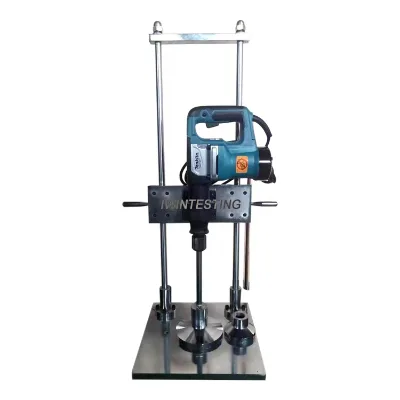
$694.93 - $735.81
MOQ: 1 sets


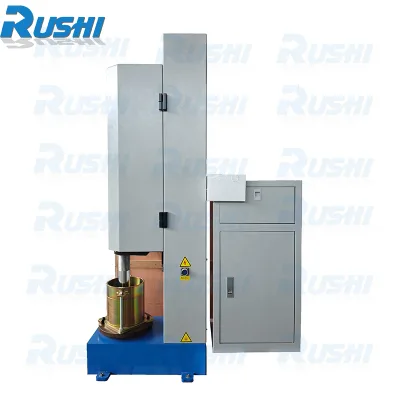
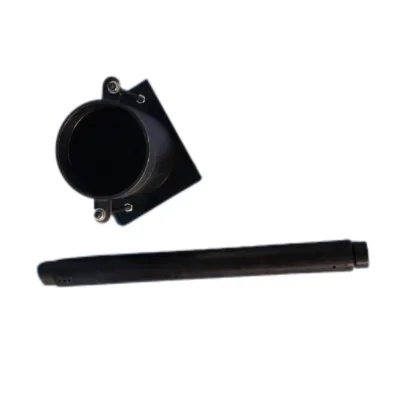
Civil Engineering Automatic Soil Compactor with Round Compaction Hammer
$104.27 - $1251.26
MOQ: 1 Minimum



Comprehensive Sourcing Guide
Bitumen Test Soil Compaction Hammer Sourcing Guide
The market for bitumen test soil compaction hammers presents a distinct range of equipment, from portable handheld units to heavy-duty industrial compactors. Buyers must distinguish between devices designed for field sampling, such as those with 2 AA battery power and lightweight probes, and stationary apparatuses intended for laboratory standardization like the Marshall Compactor. Understanding this split is critical, as the operational environment dictates whether a portable, battery-operated tool or a high-voltage, floor-standing machine is the appropriate procurement choice.
Procurement decisions should also account for the specific material being tested, as the listed applications vary significantly between ceramics, glass, and industrial soil compaction. While some units are optimized for measuring depth in soft materials with high resolution, others are engineered for heavy-duty compaction tests involving specific hammer weights and drop heights. Sourcing strategies must align the equipment's mechanical capabilities, such as the 4.5kg hammer weight or 2.5kg light-duty variants, with the precise testing protocols required for the intended bitumen or soil samples.
Product Scope and Observed Listing Signals
Current listings indicate a wide variance in product dimensions and weights, ranging from compact instruments weighing under one kilogram to heavy industrial units exceeding 150 kilograms. Buyers should scrutinize the single package size and gross weight, as these factors directly impact shipping logistics and on-site installation requirements. The observed data shows dimensions spanning from small handheld cases to large floor-standing frames, necessitating a clear definition of the available workspace before selecting a specific model.
The observed price range of 50 to 30,000 USD reflects the disparity between basic manual tools and complex automated systems. This broad spectrum suggests that budget constraints alone should not drive the selection process; instead, the focus must remain on the specific test parameters required, such as the 30 times per minute compacting speed or the specific specimen cylinder diameters of 100mm and 152mm. Buyers must verify that the listed price corresponds to the exact configuration, including necessary accessories like probe rods or specific hammer heads, to avoid hidden costs.
Technical Specifications to Verify
Technical verification must begin with the power source and voltage requirements, as the market offers both battery-operated units and those requiring 380V industrial power. A buyer must confirm that the electrical infrastructure at the testing site matches the equipment's needs, whether it is a 5V DC system for portable devices or a 390W motor for stationary compactors. Mismatches in voltage or power capacity can lead to equipment failure or safety hazards during critical testing procedures.
Precision and measurement capabilities are equally critical, with observed specifications including resolutions of 0.1kPa and accuracy levels of 0.25%. Buyers should verify the measuring depth range, which varies from 0-375mm for some probes to specific test depths of 0-30cm for others, ensuring the tool can handle the full range of material densities expected. Additionally, the hammer head diameter and drop height must be confirmed against the specific test standard being followed, as these mechanical variables directly influence the compaction energy delivered to the specimen.
Compliance and Safety Documentation
Safety compliance is paramount when sourcing heavy-duty compaction equipment, particularly those with high voltage requirements and moving mechanical parts. Buyers should request documentation confirming the protection class, such as the observed IP55 rating, which indicates resistance to dust and water jets essential for laboratory or field environments. Ensuring that the equipment meets local electrical safety codes and machine guarding standards is a non-negotiable step before finalizing any purchase agreement.
Quality management systems also play a vital role in the reliability of the testing apparatus, with ISO9001 certification appearing as a key standard in the current market. Procurement teams must verify that the supplier maintains valid certification and that the specific model number, such as Tjsd-750 or FG-104TR, is covered under the quality assurance protocols. This verification ensures that the manufacturing process adheres to consistent quality benchmarks, reducing the risk of receiving units with unverified tolerances or structural weaknesses.
Cost Drivers and Commercial Terms
The total cost of ownership is heavily influenced by the customization options available, including OEM, ODM, and OBM support which can significantly alter the base price. Buyers should evaluate whether standard configurations meet their needs or if custom branding and specific mechanical adjustments are required, as these customizations often incur additional fees and extended lead times. Understanding the scope of the customized support is essential for accurate budget forecasting and timeline management.
Commercial terms regarding shipping and warranty must be clearly defined, as the observed data includes a one-year warranty and specific port origins like Tianjin. Buyers should negotiate clear terms for the single package size and gross weight to avoid unexpected freight charges, especially for heavy units weighing up to 200kg. Additionally, clarifying the return policy and the availability of spare parts, such as replacement probe rods or hammer heads, is crucial for maintaining long-term operational efficiency without incurring excessive downtime costs.
Supplier Qualification and Quality Control
Supplier qualification requires a thorough review of the place of origin and the specific brand reputation associated with the equipment. The market data highlights manufacturers from regions like Zhejiang, Guangdong, and Hebei, each with different manufacturing capabilities and quality control histories. Buyers should investigate the specific production facilities to ensure they possess the necessary machinery and expertise to produce high-precision compaction hammers that meet the rigorous demands of bitumen and soil testing.
Quality control processes must be validated through the supplier's ability to provide detailed test results and calibration methods, such as the length scales mentioned in the product attributes. It is essential to confirm that the supplier offers a robust calibration service or provides the necessary documentation to validate the accuracy of the test depth and load measurements. Without verified quality control measures, the data generated by the compaction hammer may be unreliable, leading to flawed engineering decisions and potential project failures.
Long-Term Procurement Checks
Long-term procurement success depends on the availability of after-sales support and the durability of the equipment under repeated use. Buyers should assess the supplier's track record for providing technical support in English and the availability of replacement parts for critical components like the probe rod or hammer head. Ensuring that the manufacturer can support the equipment for the duration of its lifecycle is essential for maintaining consistent testing standards over time.
Regular maintenance and recalibration schedules must be established to preserve the accuracy of the compaction hammer, particularly for units with high-frequency usage. Buyers should verify the recommended shutdown modes and power management features, such as the automatic 10-minute shutdown, to extend the life of the battery or electrical components. Establishing a proactive maintenance plan based on the manufacturer's guidelines will prevent premature wear and ensure that the equipment continues to deliver precise results throughout its operational life.
FAQs
What customization options are available for the compaction hammer?
Customization is available for this compaction hammer to meet specific buyer requirements. The product supports OEM, ODM, and OBM services for tailored manufacturing. Buyers can request specific configurations while maintaining the core portable design and standard ISO9001 certification for quality assurance.
Which specifications define the measuring depth and resolution?
The instrument features a measuring depth range of 0 to 375mm with a high resolution of 0.1kpa. This precision allows for accurate testing in ceramics and glass applications. The device also includes a test depth capability of 0cm to 30cm for various material assessments.
How is the power supply configured for portable operation?
The device operates on 2 AA batteries providing 5 V DC matching power. This setup ensures the instrument remains portable and independent of fixed power sources. The weight is distributed across the instrument, handle, and probe rod for balanced handling during field tests.
Can the compaction hammer be used for heavy-duty testing?
Yes, the apparatus supports heavy-duty compacting tests with a 4.5kg hammer weight dropped from 450mm. It also handles light-duty tests using a 2.5kg weight at 300mm height. The machine achieves 30 compactions per minute for efficient sample preparation.
What warranty and support language are provided for the unit?
A 1-year warranty covers the compaction hammer to ensure long-term reliability. Support is available in English to assist international buyers with operation and maintenance. The product originates from Zhejiang or Hebei, China, ensuring consistent manufacturing standards across different models.
Which certifications and standards apply to this testing equipment?
The equipment complies with ISO9001 standards for quality management systems. This certification ensures that the manufacturing process meets international requirements for consistency and safety. Buyers can rely on these standards when sourcing compaction hammers for industrial applications.
What are the dimensions and weight of the main unit?
The instrument weighs 415 grams while the handle and probe rod add 295 and 380 grams respectively. Some larger models reach 150 kg with dimensions of 680 by 450 by 1410 mm. Packaging is provided in cartons or cases depending on the specific model selected.