Source Black Blue Green Trampoline Mat for Home Gym Parks
Compare 30 listings for Black Blue Green Trampoline Mat options suitable for home gyms, commercial parks, and training centers. Buyers can review specifications including frame sizes, materials like PVC and nylon, and customization features for various jumping play applications.
Key considerations
Products List
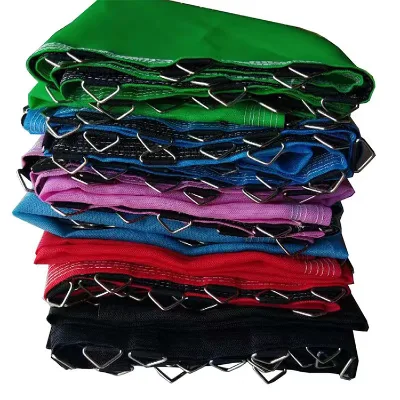
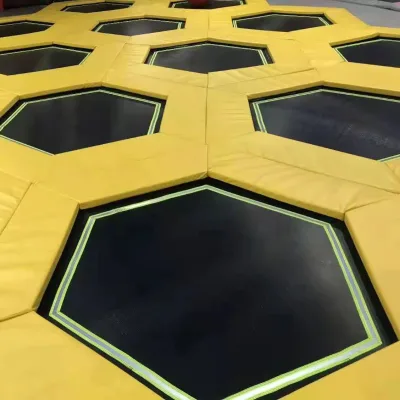
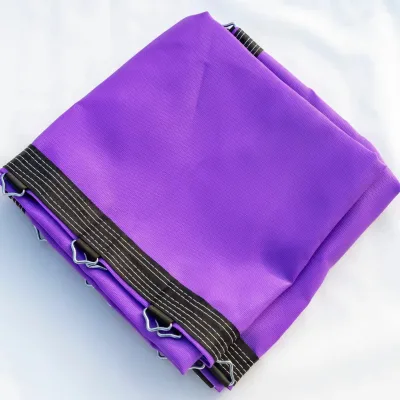
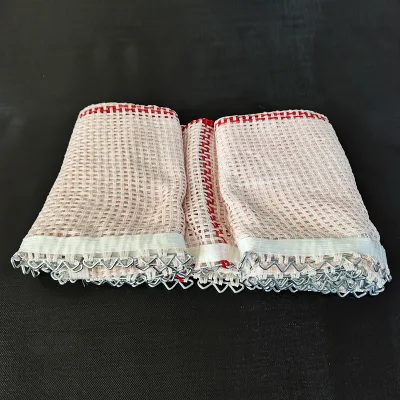
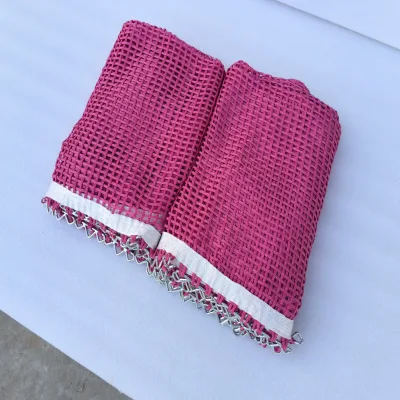
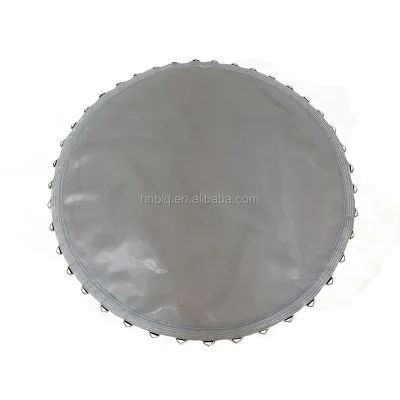
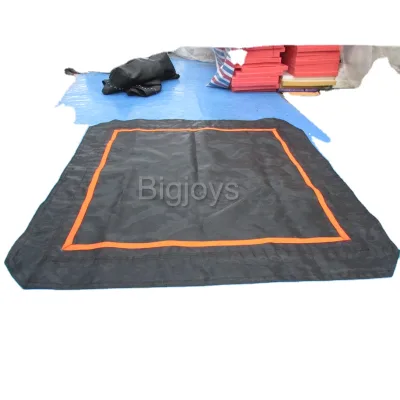
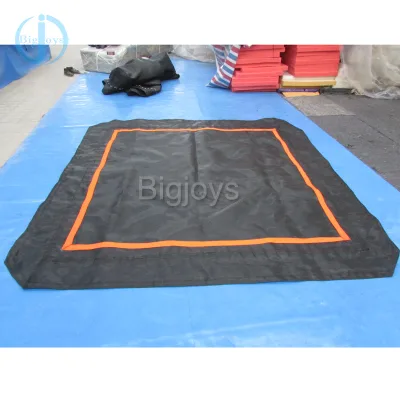
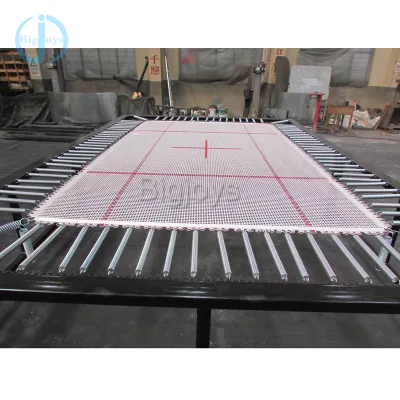
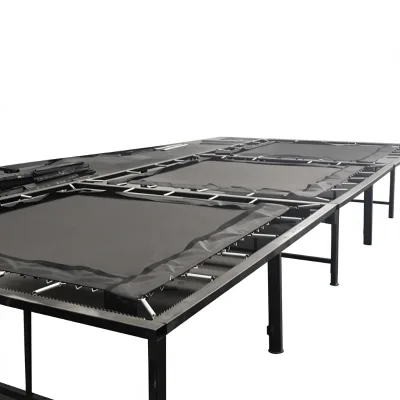
CE Trampoline Jumping Mat Customize Size, Trampoline Jumping Mat pp Material
$10.18 - $20.36
MOQ: 1 Minimum
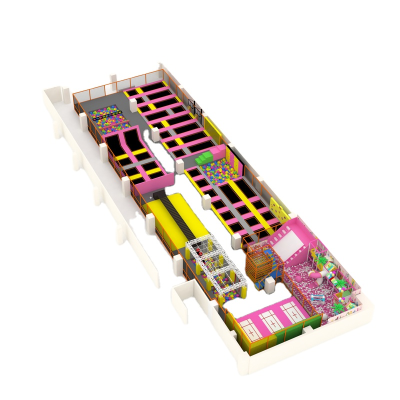
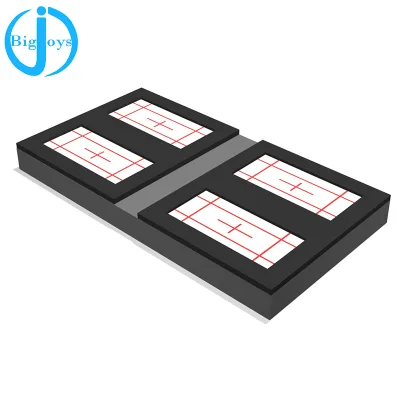
Professional Trampoline for Sale, Customize Professional Trampoline Mat
$132.32 - $142.50
MOQ: 1 Minimum

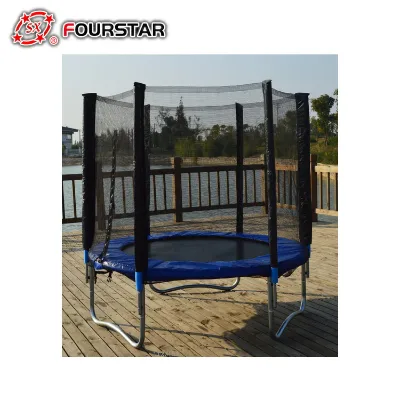
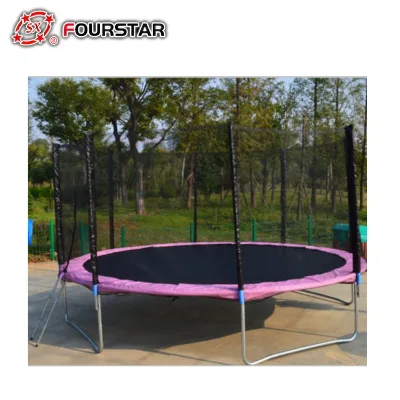
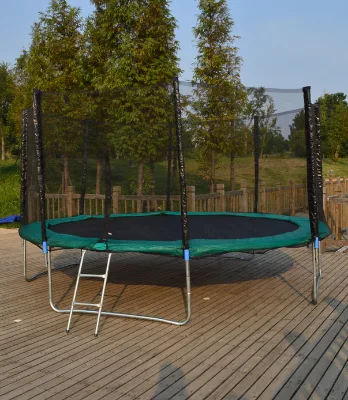
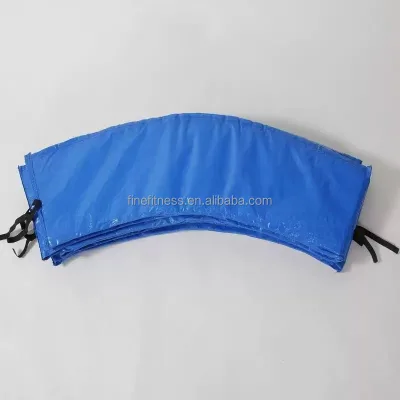

Commercial Trampoline Jumping Mat Free Jumping Trampoline Elastic Mat
$120.00 - $11500.00
MOQ: 1 Square Meters


Indoor Jumping Trampoline Sprinkler Mat Park Equipment Fabric for Adults
$80.00 - $120.00
MOQ: 100 Square Meters
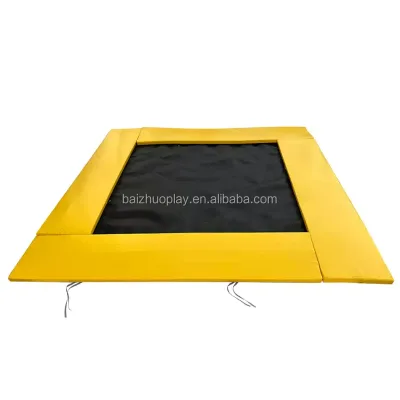


8FT Indoor Outdoor Toddler with Net and Safety Mat Professional Spring Bungee Trampoline
$50.00 - $150.00
MOQ: 50 Pieces

Comprehensive Sourcing Guide
Strategic Sourcing Guide for Black, Blue, and Green Trampoline Mats
Procuring replacement or custom trampoline mats in specific color configurations such as black, blue, and green requires a nuanced understanding of material science, manufacturing capabilities, and supply chain logistics. The market for these components is driven by the need for durability, safety compliance, and aesthetic customization for commercial and residential applications. Buyers must navigate a landscape where product attributes vary significantly between listings, necessitating a rigorous verification process to ensure the final product meets operational requirements. This guide outlines the critical factors for sourcing these mats, focusing on material integrity, certification verification, and supplier evaluation based on observed market data.
Material Composition and Performance Characteristics
The foundational element of any trampoline mat is its material composition, which directly dictates its elasticity, weather resistance, and lifespan. In the current market, three primary materials are observed for trampoline mats: Polyvinyl Chloride (PVC), Polypropylene (PP), and Nylon. Each material offers distinct advantages depending on the intended application environment.
PVC mats are frequently cited for their robustness and resistance to tearing, making them a common choice for high-impact commercial environments. These mats often feature a woven structure that provides the necessary tension for safe jumping. Polypropylene (PP) mats are another prevalent option, often highlighted for their lightweight nature and cost-effectiveness. While PP offers good flexibility, buyers must verify its resistance to UV degradation if the mats are intended for prolonged outdoor exposure. Nylon mats are renowned for their superior tensile strength and elasticity, often preferred for professional-grade equipment where rebound performance is critical.
When sourcing black, blue, or green mats, the color choice is not merely aesthetic; it can influence thermal properties. Darker colors like black absorb more heat, which may affect the material's flexibility in extreme temperatures, while lighter shades like blue or green may remain cooler. The observed product data indicates that color options are often customizable, allowing buyers to match specific branding or safety color-coding requirements. However, the specific dyeing process used to achieve these colors must be verified to ensure it does not compromise the structural integrity of the fibers.
Technical Specifications and Dimensional Standards
Precision in sizing is paramount when ordering replacement mats. The trampoline market utilizes a wide range of frame sizes, and a mismatch between the mat dimensions and the frame can lead to safety hazards or equipment failure. Observed specifications reveal a diverse array of available sizes, ranging from 6 feet to 16 feet in diameter, as well as rectangular configurations such as 4.26 meters by 2.13 meters.
Buyers must carefully distinguish between the frame size and the mat size. The frame size refers to the outer diameter of the trampoline structure, while the mat size must be tailored to fit the specific spring configuration and frame geometry. The data indicates that frame sizes commonly include 8FT, 10FT, 12FT, 14FT, and 15FT options. For rectangular trampolines, dimensions like 4.26*2.13m are available, but customization is frequently offered to accommodate non-standard frames.
The following table summarizes the observed dimensional and packaging specifications to assist in procurement planning:
| Specification Category | Observed Data Points | Procurement Consideration |
|---|---|---|
| Frame Sizes | 8FT, 10FT, 12FT, 14FT, 15FT | Verify exact match with existing frame; custom options available. |
| Mat Dimensions | 6ft to 16ft diameter; 4.26*2.13m rectangular | Confirm shape (Round vs. Square) and exact measurements. |
| Package Size | 35x30x30 cm, 40x40x30 cm, 50x50x50 cm | Calculate shipping volume and freight costs based on package density. |
| Single Weight | 5.000 kg to 13.000 kg | Factor weight into logistics planning and handling requirements. |
| Shape Options | Square (customized), Round | Ensure the shape matches the trampoline frame geometry. |
Compliance, Certification, and Safety Verification
Safety is the non-negotiable priority in trampoline procurement. While specific test results and third-party certification statuses vary by supplier, the presence of recognized certifications is a strong indicator of a manufacturer's commitment to quality. The observed market data includes references to ISO certification, which suggests adherence to international management system standards. However, buyers should not assume that every listed product automatically meets specific safety standards without explicit verification.
Buyers must request current certification documents to confirm compliance with relevant safety standards for recreational equipment. In the context of textile and mat materials, standards such as OEKO-TEX are often referenced in the broader industry to ensure the absence of harmful substances, though specific claims should be validated against the supplier's current documentation. It is critical to verify that the mats meet the safety requirements for the intended age range, which is observed to span from 3 to 50 years. This wide range implies that the mats must be robust enough for children while providing a safe surface for adults.
Additionally, the warranty period is a key metric for assessing product reliability. The observed data indicates a standard warranty period of 1 year. Buyers should scrutinize the terms of this warranty, specifically what constitutes a defect versus normal wear and tear, and whether the warranty covers the specific color and material combination ordered.
Cost Drivers and Minimum Order Quantities
The cost of trampoline mats is influenced by several variables, including material type, customization level, and order volume. The observed price range in the market is extensive, spanning from $0.90 to $11,500. This vast disparity reflects the difference between single replacement mats and large-scale commercial orders or custom-engineered solutions.
Minimum Order Quantity (MOQ) is another significant cost driver. The data shows an MOQ range from 1 unit to 3,000 units, with specific instances of an MOQ of 3 square meters for certain material types. For buyers seeking small quantities, such as a single replacement mat for a home gym, suppliers with low MOQs are essential. Conversely, commercial operators or distributors looking to stock inventory must negotiate pricing based on higher volume orders, which often yield significant per-unit cost reductions.
The supply ability of the manufacturer also impacts cost and lead time. A typical supply capacity observed is 5,000 pieces per month. Buyers should align their order timelines with this capacity to avoid delays. For urgent orders, the sample time is noted to be between 3 to 5 days, which is a crucial factor for prototyping and quality verification before committing to a large production run.
Supplier Evaluation and Production Capabilities
Selecting the right supplier requires a thorough evaluation of their production capabilities and business practices. The market data indicates that suppliers often offer customized logos, allowing for branding opportunities for commercial clients. The brand name "Beileqi" or "BELEQI" appears in the listings, but buyers should not limit their search to a single entity. Instead, the focus should be on the supplier's ability to deliver consistent quality across different material types and color specifications.
Key evaluation criteria include the supplier's location, which is observed to be primarily in Henan, China. This location provides insight into the logistics and shipping times involved. Buyers should also assess the supplier's experience with the specific application scenes, which range from home use and gyms to commercial parks and sports training centers. A supplier with a diverse portfolio of applications is more likely to understand the varying stress requirements of different environments.
Furthermore, the packaging method is a critical aspect of supplier evaluation. The observed packaging includes reinforced carton boxes and standard packing, with single gross weights ranging from 5 kg to 13 kg. Robust packaging is essential to prevent damage during transit, especially for large, flat items like trampoline mats. Buyers should request photos of the actual packaging to ensure it meets their shipping requirements.
Quality Control and Long-Term Procurement Strategy
Implementing a robust quality control (QC) strategy is vital for mitigating risks associated with bulk procurement. Given the variability in material attributes, buyers should establish clear acceptance criteria before production begins. This includes verifying the material composition (PVC, PP, or Nylon), checking the color consistency for black, blue, and green options, and confirming the dimensional accuracy against the provided specifications.
The "As Picture" color description observed in some listings suggests that color accuracy may vary. To mitigate this, buyers should request physical color samples or Pantone codes before finalizing the order. For long-term procurement, establishing a relationship with a supplier that offers consistent quality and reliable lead times is more valuable than seeking the lowest initial price. The 1-year warranty serves as a baseline, but buyers should negotiate extended warranty terms or after-sales support for high-volume contracts.
Additionally, the application of the mat should be considered in the long-term strategy. Mats used in commercial settings like parks or gyms will experience higher wear and tear than those in home environments. Buyers should prioritize materials and construction methods that offer enhanced durability for high-traffic areas. Regular inspection protocols should be established to monitor the condition of the mats and schedule replacements proactively, ensuring continuous safety and operational efficiency.
Conclusion
Sourcing black, blue, and green trampoline mats involves a careful balance of technical requirements, cost management, and supplier reliability. By understanding the nuances of material composition, verifying certifications, and evaluating supplier capabilities, buyers can secure products that meet their specific needs. The wide range of available sizes and customization options provides flexibility, but it also demands a meticulous approach to specification and quality control. Ultimately, a strategic procurement process that prioritizes safety, durability, and clear communication with suppliers will yield the best results for both residential and commercial applications.
FAQs
What materials are used for black blue green trampoline mats?
These mats are commonly made from PVC, Polypropylene, or Nylon. PVC offers robustness for commercial use, while Polypropylene provides cost-effectiveness and Nylon ensures superior elasticity for professional jumping applications.
Which frame sizes are available for these trampoline mats?
Available frame sizes include 8FT, 10FT, 12FT, 14FT, and 15FT. Custom sizes ranging from 6ft to 16ft or rectangular dimensions like 4.26 by 2.13 meters can also be requested to match specific trampoline frames.
Can I get a customized logo on the trampoline mat?
Yes, customized logo options are available for these products. This allows buyers to brand the mats for commercial parks, gyms, or home use, ensuring the equipment aligns with specific organizational or retail identities.
What is the minimum order quantity for these mats?
The minimum order quantity ranges from 1 unit to 3,000 units depending on the supplier. Some listings specify an MOQ of 3 square meters for certain material types, accommodating both single replacements and bulk orders.
How long is the warranty period for these trampoline mats?
The standard warranty period observed is 1 year. This coverage applies to defects in materials and workmanship, though specific terms may vary by supplier and should be verified before purchase.
What certifications do these trampoline mat manufacturers hold?
Some manufacturers hold ISO certification, indicating adherence to international management system standards. Buyers should request current documentation to verify compliance with safety standards relevant to the intended age range of 3 to 50 years.
Where are these trampoline mats manufactured?
The products are primarily manufactured in Henan, China. This location influences shipping logistics and lead times, with suppliers typically offering a supply ability of 5,000 pieces per month for regular orders.