Source Black Cage Tie Pliers with Rustproof Nail for Chicken Cow Pig
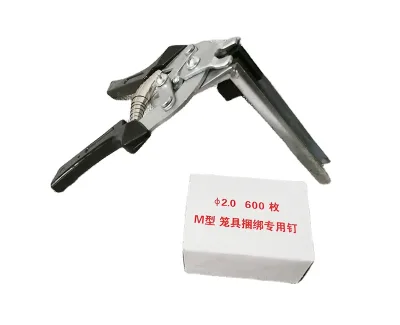
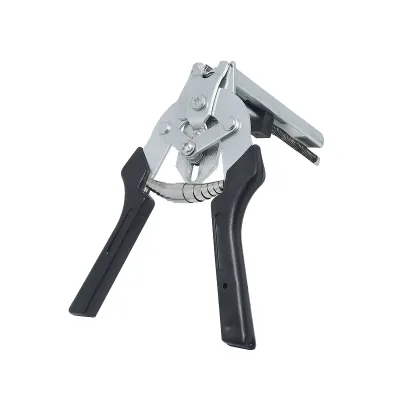
Find and compare 30 listings for Black Cage Tie Pliers with Rustproof Nail designed for securing poultry and livestock enclosures. Buyers can evaluate stainless steel and carbon steel models with varying jaw sizes and warranty periods to match their specific crimping needs.
Key considerations
Products List
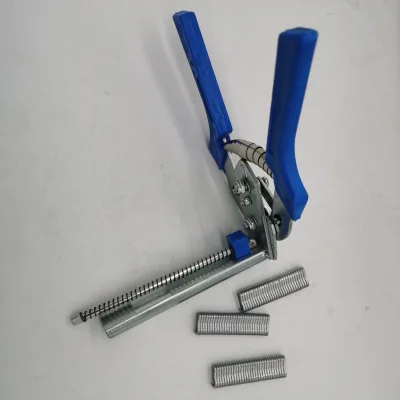
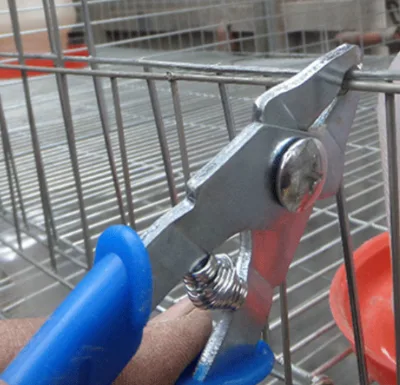
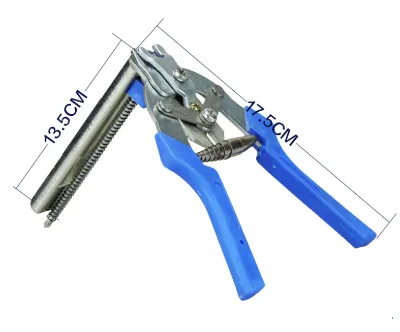
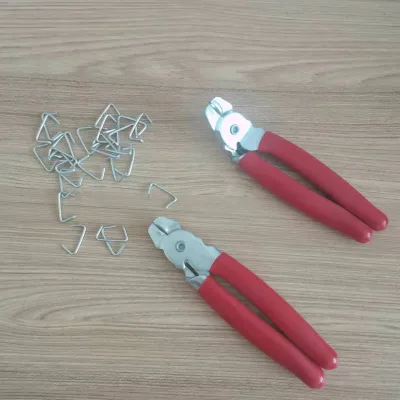
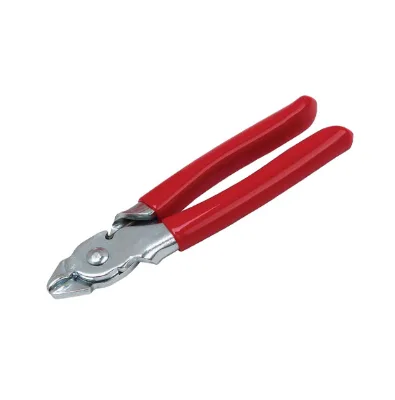
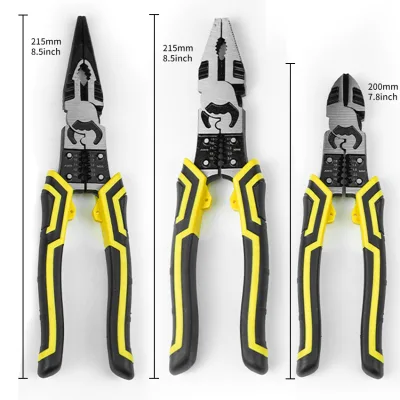
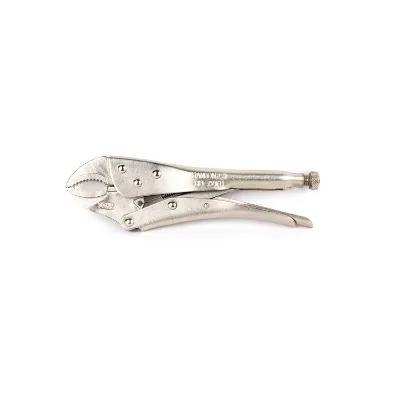
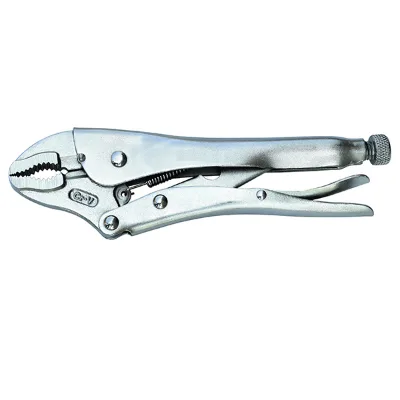


Ratcheting Lock Pliers Four-Mandrel Crimping Plier for Turned Contacts
$90.00 - $99.00
MOQ: 100 Pieces


Comprehensive Sourcing Guide
Strategic Sourcing Guide for Black Cage Tie Pliers with Rustproof Nail
The procurement of specialized agricultural and livestock equipment requires a rigorous approach to ensure operational efficiency and animal welfare. When sourcing black cage tie pliers with rustproof nails, buyers must navigate a complex landscape of material specifications, functional requirements, and supplier capabilities. The core keyword indicates a tool designed for securing wire mesh in cages for various livestock, including chickens, cows, dogs, pigs, and rabbits. This guide provides a comprehensive framework for evaluating products that meet these specific criteria, focusing on the technical realities observed in the current market.
Technical Specifications and Material Composition
The foundation of a reliable cage tie plier lies in its material composition and physical dimensions. Market observations indicate a diverse range of materials used in these tools, ranging from stainless steel and carbon steel to iron and combinations of metal with plastic. For applications requiring rustproof performance, stainless steel is frequently cited as a primary material, offering superior resistance to corrosion in humid or wet environments typical of livestock facilities. However, some listings also reference high carbon steel for handle materials, which provides the necessary hardness and durability for heavy-duty crimping tasks.
The physical attributes of the pliers vary significantly across different models. Observed specifications include a single volume of 0 cm³, which suggests a compact design, and weights ranging from 0.17 kg to 0.33 kg for individual units. The single gross weight can be as high as 5.000 kg when packaged, indicating substantial packaging density or bulk shipping requirements. Length specifications are critical for ergonomics; one observed model measures 17 cm, while others may vary. The jaw length is specified as 1/2 inch in certain contexts, with a jaw bend of 0° and a flat jaw shape, which is essential for precise crimping operations.
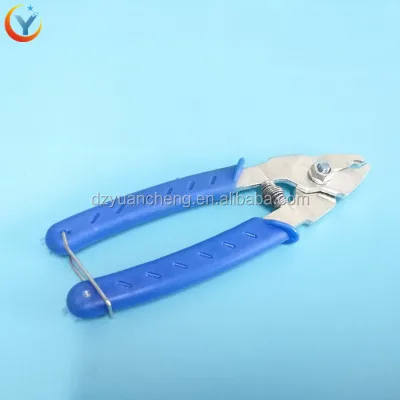
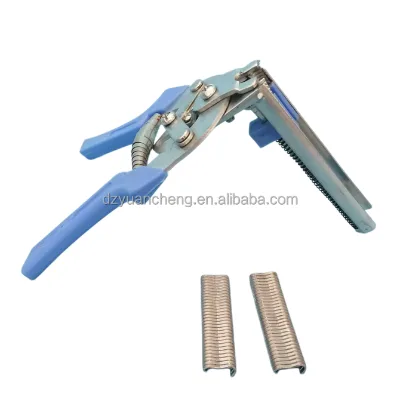
Color is another defining characteristic. While the core keyword specifies "black," observed listings include options in blue or a mix of black and blue. Some products are listed with "Others" as the color attribute, suggesting a broader palette or custom finishes. The presence of accessories is a key differentiator; some models come with M type nails, while others include both M type and C type nails. The condition of the product is consistently listed as "New," ensuring that buyers receive unused tools. The measurement system is predominantly metric, aligning with international standards, though some specifications may reference imperial units like inches for jaw dimensions.
Functional Applications and Operational Context
The versatility of cage tie pliers is evident in their wide range of applications. These tools are explicitly designed for use with various livestock, including chickens, cows, dogs, pigs, and rabbits. The primary function is the closing of rings and the binding of cages, making them indispensable for commercial farming operations. The application is often described as "crimping," a process that involves deforming the metal nail to secure the wire mesh tightly.
The equipment types identified include reinforced versions of blue cage binding pliers, indicating that durability is a key concern for heavy-use scenarios. The tool is specifically noted for its use in chicken cage wire mesh fencing, but the scope extends to rabbit cages and general commercial applications. The customized support for OEM (Original Equipment Manufacturer) suggests that buyers can request specific branding or modifications to the tool to suit their operational needs. The "Esd-safe" attribute indicates that certain models are designed to be electrostatic discharge safe, which may be relevant for facilities handling sensitive electronic equipment alongside livestock, though this is less common for standard agricultural tools.
Cost Drivers and Pricing Dynamics
Understanding the cost drivers for black cage tie pliers is essential for budgeting and negotiation. The observed price range in the market spans from 0.01 USD to 99 USD, reflecting a vast disparity in product quality, material grade, and packaging. This wide range suggests that buyers must carefully evaluate the price-to-value ratio, as the lowest price points may correspond to lower-grade materials or minimal packaging, while higher prices may reflect premium stainless steel construction or specialized features.
The Minimum Order Quantity (MOQ) is another significant cost factor. Observed MOQs range from 1 piece to 3000 pieces. This flexibility allows small-scale buyers to test products with low-risk orders, while large commercial operations can leverage bulk purchasing to reduce unit costs. The selling units are typically listed as single items, but packaging configurations like "30PCS/BOX" indicate that bulk orders often come in standardized boxes, which can affect shipping costs and inventory management.
The place of origin is predominantly China, with specific mentions of Guangdong as a manufacturing hub. This regional concentration often correlates with competitive pricing due to established supply chains and manufacturing expertise. However, buyers should verify if the low price points include all necessary accessories, such as the specific nail types (M or C), as these can add to the total cost of ownership.
Supplier Evaluation and Quality Assurance
Evaluating suppliers requires a focus on reliability, consistency, and adherence to specifications. The brand name "runyida" appears in the observed data, serving as an example of a manufacturer in this space, though buyers should not limit their search to a single entity. Instead, the focus should be on verifying the supplier's ability to meet the specific material and functional requirements.
Key evaluation criteria include the warranty period, which varies from 3 months to 3 years. A longer warranty often indicates higher confidence in product durability and quality control processes. The condition of the product must be confirmed as "New" upon delivery. Additionally, the "Industrial" grade designation suggests that the tools are built for heavy-duty use, which is a critical factor for commercial buyers.
Quality control should extend to the packaging and shipping process. The single package size can vary from 20x20x20 cm to 38x24x14.5 cm, impacting logistics costs. Buyers should verify that the packaging protects the pliers from damage during transit, especially given the metal components that could be prone to bending or scratching. The presence of specific accessories, such as M type nails, should be confirmed in the packing list to ensure the tool is ready for immediate use.
Compliance, Certification, and Safety Standards
While specific certification numbers are not provided in the observed data, buyers must verify compliance with relevant safety and quality standards. The "Esd-safe" attribute is a notable feature that implies adherence to electrostatic discharge protocols, which may be required in certain specialized facilities. For general agricultural use, compliance with local safety regulations regarding tool handling and material safety is paramount.
Buyers should request documentation regarding the material grade, particularly for stainless steel and carbon steel components, to ensure they meet the required rustproof and durability standards. The "Industrial" grade classification should be backed by test results or quality assurance certificates from the manufacturer. Although specific standards like ISO or ASTM are not explicitly listed in the provided facts, buyers should inquire about the testing protocols used to validate the jaw texture, which is described as "smooth," and the overall structural integrity of the pliers.
Long-Term Procurement Considerations
Sourcing black cage tie pliers is not a one-time transaction but part of a long-term procurement strategy. The warranty periods observed, ranging from 3 months to 3 years, play a crucial role in this strategy. A longer warranty period reduces the total cost of ownership by covering potential defects or premature wear. Buyers should prioritize suppliers who offer extended warranties, as this reflects a commitment to product quality.
The customization options, such as OEM support, allow buyers to align the tools with their specific operational needs. This could include branding, specific nail types, or ergonomic adjustments. The ability to customize also suggests a flexible supply chain that can adapt to changing requirements, which is vital for long-term partnerships.
Inventory management is another consideration. The wide range of MOQs allows buyers to adjust their order quantities based on demand fluctuations. For instance, a small farm might start with an MOQ of 1 piece to test the product, while a large commercial operation might order 3000 pieces to ensure a steady supply. The packaging configuration, such as 30 pieces per box, should be factored into storage and distribution planning.
Comparative Analysis of Product Attributes
To facilitate decision-making, the following table summarizes the key attributes observed in the market for black cage tie pliers with rustproof nails. This comparison highlights the variability in specifications and helps buyers identify the features most relevant to their needs.
| Attribute | Observed Variations | Relevance to Procurement |
|---|---|---|
| Material | Stainless Steel, Carbon Steel, Iron, Metal, Plastic | Determines rust resistance and durability; Stainless Steel preferred for wet environments. |
| Color | Black, Blue, Black/Blue, Others | Aesthetic preference or color-coding for different livestock types; Black is the core keyword. |
| Weight | 0.17 kg to 0.33 kg (Single) | Affects ergonomics and user fatigue; lighter tools may be preferred for extended use. |
| Length | 17 cm (Observed) | Impacts leverage and reach; critical for fitting into tight cage spaces. |
| Jaw Shape | Flat, Smooth Texture | Ensures secure crimping without damaging wire mesh; flat shape is standard. |
| Accessories | M type nails, C type nails, M type nail only | Determines versatility; M and C types offer different fastening options. |
| Warranty | 3 Months, 1 Year, 3 Years | Indicates confidence in product quality; longer warranty reduces risk. |
| MOQ | 1 pcs to 3000 pcs | Affects initial investment and inventory strategy; flexible MOQs benefit small buyers. |
| Usage | Chicken, Cow, Dog, Pig, Rabbit | Confirms versatility; essential for multi-species farms. |
| Origin | China, Guangdong, China | Indicates manufacturing hub; often correlates with competitive pricing. |
Conclusion
Sourcing black cage tie pliers with rustproof nails requires a meticulous evaluation of material quality, functional specifications, and supplier reliability. The market offers a wide array of options, from basic carbon steel models to premium stainless steel versions with extended warranties. Buyers must prioritize rustproof capabilities and ergonomic design to ensure long-term performance in demanding agricultural environments. By carefully assessing the observed attributes, such as material composition, jaw specifications, and warranty terms, procurement professionals can make informed decisions that align with their operational needs and budget constraints. The flexibility in MOQ and customization options further enhances the value proposition, allowing buyers to tailor their procurement strategy to their specific scale and requirements. Ultimately, the goal is to secure a reliable supply of high-quality tools that enhance efficiency and safety in livestock management.
FAQs
What materials are used for Black Cage Tie Pliers with Rustproof Nail?
These pliers are constructed from stainless steel, carbon steel, iron, or metal combinations with plastic. Stainless steel offers superior rust resistance for humid environments, while high carbon steel handles provide durability for heavy-duty crimping tasks in commercial farming operations.
Which livestock types can these pliers secure cages for?
The tools are designed for use with chickens, cows, dogs, pigs, and rabbits. They are specifically engineered for closing rings and binding wire mesh in chicken cage fencing, rabbit cages, and other commercial livestock applications requiring secure fastening.
How long is the warranty period for these pliers?
Warranty periods vary from 3 months to 3 years depending on the specific model and supplier. A longer warranty often indicates higher confidence in product durability and quality control, with some industrial-grade models offering up to three years of coverage.
Can buyers customize the pliers with their own brand name?
Yes, OEM customized support is available for these tools. Buyers can request specific branding or modifications to suit operational needs, allowing for flexible supply chains that adapt to changing requirements and specific farm identification standards.
What is the minimum order quantity for purchasing these pliers?
The minimum order quantity ranges from 1 piece to 3000 pieces based on the supplier. This flexibility allows small-scale buyers to test products with low-risk orders while large commercial operations can leverage bulk purchasing to reduce unit costs significantly.
Are these pliers safe for use in electrostatic sensitive environments?
Some models are certified as Esd-safe for use in facilities handling sensitive electronic equipment alongside livestock. This attribute implies adherence to electrostatic discharge protocols, though it is less common for standard agricultural tools and requires specific model verification.