Source Black Currant Anthocyanin Powder for Medicine, Cosmetics, and Food
Compare 30 listings for Black Currant Anthocyanin Powder sourced from China. Buyers can review specifications like anthocyanin content, packaging options, and certifications including ISO and FDA for applications in medicine, health care products, and cosmetics.
Key considerations
Products List


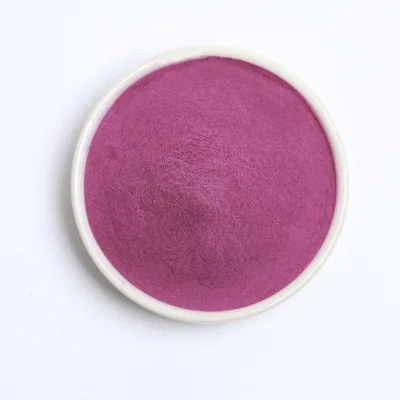

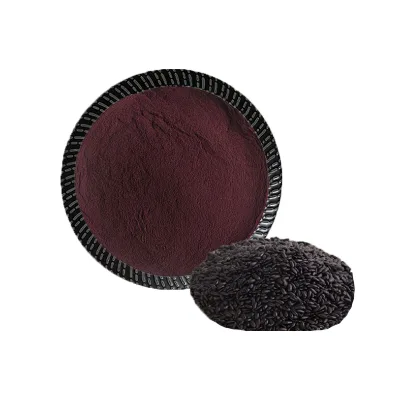
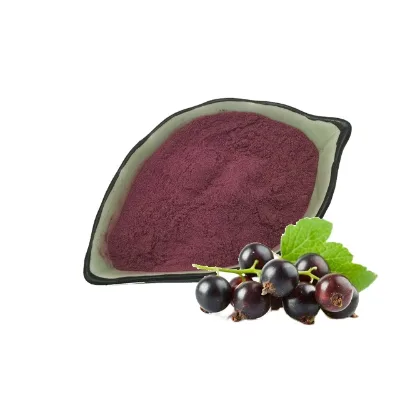
Pure Natural Currant Juice Powder, Black Currant Extract Powder, Anthocyanins
$20.48 - $71.69
MOQ: 1 kilograms

Comprehensive Sourcing Guide
Strategic Sourcing Guide for Black Currant Anthocyanin Powder
Understanding the Product Profile and Botanical Origins
Black Currant Anthocyanin Powder represents a specialized category of botanical extracts derived primarily from the fruits of the Ribes Nigrum L. plant. In the global supply chain, this ingredient is distinguished by its deep violet color and high concentration of bioactive compounds, specifically anthocyanidins and anthocyanins. While the core botanical source is consistently identified as black currant, buyers must exercise caution when evaluating product listings, as some documentation may reference related botanicals such as Vaccinium Macrocarpon L. (cranberry) or generic berry sources. The distinction is critical because the specific phytochemical profile and regulatory classification can vary depending on the exact plant part and species used.
The raw material for this extract is strictly the fruit or berry portion of the plant, processed to ensure 100% natural integrity. The extraction process is typically physical, meaning it avoids harsh chemical solvents that might leave residues, thereby aligning with clean-label trends in the food and pharmaceutical industries. The resulting product appears as a fine dark violet powder, a visual characteristic that serves as an immediate indicator of potency and quality. Solubility is a key functional attribute; the powder demonstrates good solubility in water, which facilitates its integration into liquid formulations, beverages, and liquid-filled capsules. The molecular structure of the active compounds is defined by a molecular formula of C27H31O16 and a molecular weight of 611.53, with the specific CAS registry number 68606-81-5 serving as the primary identifier for procurement and regulatory compliance.
Technical Specifications and Assay Methodologies
When sourcing Black Currant Anthocyanin Powder, technical specifications are the primary determinant of product suitability. The market offers a range of concentrations, and buyers must align their requirements with the specific assay results provided by the supplier. The active content, measured as Anthocyanins and Anthocyanidins, typically ranges from 5% to 50% depending on the grade and extraction efficiency. Common commercial specifications include concentrations of 10%, 25%, and ranges extending up to 35% or higher. It is essential to verify that the assay method used to determine these percentages is either UV (Ultraviolet) or HPLC (High-Performance Liquid Chromatography), with HPLC being the preferred method for high-precision verification due to its ability to separate and quantify specific anthocyanin compounds.
The standard for the product often references the specific chemical constituents, such as "Anthocyanidins 5%-25%" or "Anthocyanins 10%-25% by HPLC." Some listings may present specifications as a combined range, such as "25% to 35% Anthocyanins and 25% to 35% Anthocyanidins," which requires careful interpretation to ensure the total active load meets the application needs. The physical state is consistently reported as a powder, and the odor and taste are described as characteristic of the source fruit. Storage requirements are equally critical; the product must be kept well-sealed, away from moisture and strong heat to prevent degradation of the anthocyanins, which are sensitive to environmental factors. Packaging typically involves fiber drums with an inner LDPE bag or laminated materials, with a standard net weight of 25 kilograms per drum, though smaller quantities may be available depending on the supplier's flexibility.
Compliance, Certification, and Regulatory Standards
Navigating the regulatory landscape is a fundamental aspect of sourcing Black Currant Anthocyanin Powder. The global market demands rigorous adherence to safety and quality standards, particularly for ingredients intended for medicine, health care products, and food applications. High-confidence data indicates that reputable suppliers often hold certifications such as ISO, HACCP, and FDA registration. The presence of ISO certification, and specifically ISO 9001, suggests a commitment to quality management systems, while HACCP (Hazard Analysis and Critical Control Points) indicates a robust framework for food safety. FDA compliance is a significant marker for products entering the United States market, ensuring that the manufacturing processes meet federal safety standards.
Additionally, some suppliers may offer Kosher certification, which is a vital consideration for specific demographic markets and religious dietary requirements. Buyers should verify the exact scope of these certifications, as they may apply to the facility, the specific product line, or the entire company. The product standard is often explicitly listed as meeting requirements for "Anthocyanidins and Anthocyanins," ensuring that the final product is not merely a generic fruit powder but a standardized extract. When evaluating a supplier, procurement teams should request valid, up-to-date certificates of analysis (CoA) and certificates of compliance (CoC) that explicitly reference these standards. It is important to note that while certifications are strong indicators of quality, they are not a substitute for independent third-party testing, especially for verifying the specific assay results and the absence of heavy metals or microbial contaminants.
Cost Drivers and Procurement Economics
The pricing of Black Currant Anthocyanin Powder is influenced by several dynamic factors, including the concentration of active compounds, the complexity of the extraction process, and the scale of the order. The observed market price range spans from approximately $1.80 to $428.07 USD, a wide variance that reflects differences in purity, grade, and packaging. Lower-priced options often correspond to lower concentrations of anthocyanins (e.g., 5% to 10%) or bulk industrial grades, while higher prices are associated with high-purity extracts (e.g., 25% to 50%) intended for pharmaceutical or high-end cosmetic applications.
The Minimum Order Quantity (MOQ) is another critical economic factor, ranging from 1 unit to 100 units. This flexibility allows buyers to test the market with small batches or commit to larger volumes for cost efficiency. However, the unit price often decreases as the order volume increases, making it essential to calculate the total cost of ownership rather than focusing solely on the per-unit price. Packaging costs also play a role; standard 25kg fiber drums are the norm, but specialized packaging for smaller quantities or specific moisture protection requirements may incur additional charges. Lead times, while not explicitly defined in the provided data, are typically influenced by the availability of the raw black currant harvest and the production capacity of the facility. Buyers should factor in these variables when budgeting and planning their supply chain to avoid stockouts or unexpected cost spikes.
Typical Applications and Functional Benefits
Black Currant Anthocyanin Powder is a versatile ingredient with applications spanning the medicine, health care, and food industries. Its primary functional benefits include antioxidant activity, which helps combat oxidative stress in the body, and the softening of blood capillaries, supporting cardiovascular health. Specific applications also include the prevention of Urinary Tract Infections (UTIs), leveraging the bioactive properties of the extract. In the food and beverage sector, the powder serves as a natural colorant, providing a stable and vibrant dark violet hue that is preferred over synthetic dyes. Its good solubility in water makes it ideal for use in liquid formulations, smoothies, and functional drinks.
In the pharmaceutical and health care sectors, the extract is commonly formulated into capsules and tablets. The standardized concentration of anthocyanins ensures consistent dosing and efficacy in dietary supplements. The product is also utilized in cosmetics, where its antioxidant properties contribute to skin health and anti-aging formulations. The versatility of the application form, from raw powder to finished capsules and tablets, allows manufacturers to integrate the ingredient into various product lines. When selecting the appropriate grade, buyers must consider the intended use; for instance, a pharmaceutical application may require a higher purity and stricter microbial limits compared to a food coloring application. The specific botanical source, whether Ribes Nigrum L. or other berry sources, should be clearly defined to ensure the functional claims align with the product's actual composition.
Supplier Evaluation and Quality Control Protocols
Evaluating a supplier for Black Currant Anthocyanin Powder requires a multi-faceted approach that goes beyond simple price comparison. Buyers should prioritize suppliers who demonstrate transparency in their sourcing and manufacturing processes. Key evaluation criteria include the verification of the botanical source, ensuring it is indeed Ribes Nigrum L. and not a mislabeled alternative. The supplier's ability to provide detailed test results using HPLC or UV methods is non-negotiable for quality assurance. Buyers should also assess the supplier's storage and handling protocols, as the product's stability is highly dependent on protection from moisture and heat.
Quality control should be an ongoing process, not a one-time check. Implementing a system of regular audits and third-party testing can help maintain product integrity. Buyers should request samples for in-house testing to verify the appearance, solubility, and assay results before committing to large orders. The packaging material, typically laminated or fiber drums with inner LDPE bags, should be inspected for integrity to prevent contamination during transit. Furthermore, the supplier's responsiveness to inquiries and their ability to provide documentation such as Certificates of Analysis (CoA) and Certificates of Origin (CoO) are strong indicators of reliability. A supplier that proactively communicates about batch variations, storage conditions, and regulatory compliance is better positioned to support long-term procurement needs.
Long-Term Procurement and Supply Chain Resilience
Securing a stable supply of Black Currant Anthocyanin Powder requires a strategic approach to long-term procurement. The agricultural nature of the raw material means that supply can be subject to seasonal fluctuations and climatic conditions. Buyers should establish relationships with multiple suppliers to mitigate the risk of supply disruptions. Diversifying the supplier base ensures that the procurement team has options if one source faces production delays or quality issues. Additionally, maintaining open communication regarding forecasted demand can help suppliers plan their harvest and production schedules more effectively, leading to more consistent lead times and pricing.
Contractual agreements should clearly define quality standards, including acceptable ranges for anthocyanin content and specific limits for contaminants. It is also advisable to include clauses for regular quality audits and the right to reject non-conforming batches. As the market for natural extracts grows, staying informed about regulatory changes and emerging standards is crucial. Buyers should monitor updates from regulatory bodies regarding the use of black currant extracts in different product categories to ensure continued compliance. By focusing on building resilient supply chains and maintaining rigorous quality control, organizations can ensure a steady flow of high-quality Black Currant Anthocyanin Powder to support their product development and market expansion goals.
FAQs
What is the botanical source of Black Currant Anthocyanin Powder?
The botanical source is Ribes Nigrum L., specifically using the fruit part. This ensures the extract contains the correct anthocyanidins and anthocyanins profile required for health care and cosmetic applications.
How is the anthocyanin content measured in this product?
The anthocyanin content is measured using UV or HPLC assay methods. Specifications typically range from 5% to 50%, with common grades offering 10% to 25% by HPLC for consistent quality verification.
Which certifications do suppliers typically hold for this extract?
Suppliers typically hold ISO, HACCP, FDA, and Kosher certifications. These standards ensure the manufacturing process meets safety requirements for medicine, food, and health care product applications globally.
Can this powder be used in capsules and tablets?
Yes, the powder is suitable for capsule and tablet application forms. Its good solubility in water and characteristic odor make it ideal for pharmaceutical and dietary supplement formulations.
What are the standard packaging specifications for bulk orders?
Standard packaging involves fiber drums with an inner LDPE bag, weighing 25 kilograms per drum. The material is laminated to keep the product sealed away from moisture and strong heat.
How does the price vary based on anthocyanin concentration?
Price varies significantly based on concentration, ranging from 1.8 to 428.07 USD. Higher purity grades with 25% to 35% anthocyanins generally command higher prices than lower concentration industrial grades.