Source Black E-Bike Display Mount for Bikes, Scooters, and Motorcycles
Compare 21 Black E-Bike Display Mount options from verified Chinese suppliers. Buyers can evaluate specifications like waterproof ratings, operating voltages, and dimensions to find the right mount for electric bikes, scooters, and motorcycles; compare the available evidence and request quotations based on your requirements.
Key considerations
Products List



Comprehensive Sourcing Guide
Black E-Bike Display Mount Sourcing Guide
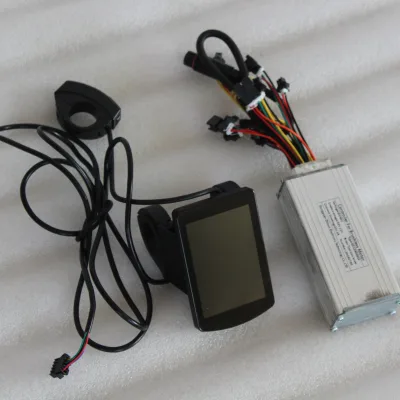
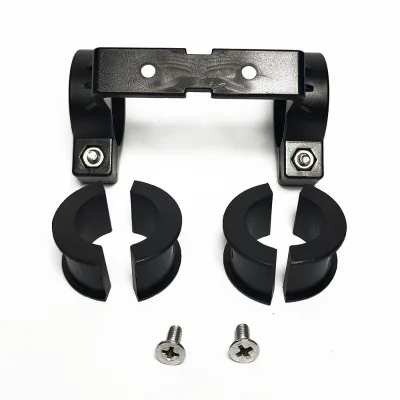
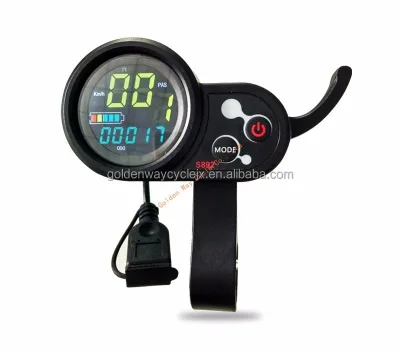
Procuring a black e-bike display mount requires distinguishing between generic mounting hardware and integrated electronic solutions, as the market often conflates simple brackets with smart display units. Buyers must verify whether the listed product is a passive holder or an active device with communication protocols, as the observed data includes models with UART protocols and specific operating voltages ranging from 24V to 72V. This distinction fundamentally alters the compatibility requirements for the e-bike's electrical system and the display interface.
The visual specification of "black" is a common aesthetic choice, yet the material composition varies significantly between ABS plastic and composite blends like ABS+PC. Sourcing teams should prioritize units constructed from ABS+PC for enhanced durability against vibration and impact, while noting that some listings specify standard ABS which may offer less resistance to environmental stress. Confirming the exact material grade ensures the mount can withstand the rigors of daily commuting without degrading or becoming brittle over time.
Product Scope and Observed Listing Signals
The observed product range includes diverse models such as the S866-A, G20, M3, and G41, each presenting unique dimensional profiles that dictate their suitability for specific handlebar geometries. Dimensions vary from compact units measuring approximately 65mm in length to larger assemblies exceeding 110mm, requiring buyers to match the physical footprint of the mount with the available space on their e-bike's handlebar stem. Failure to align these physical constraints can lead to installation issues or interference with brake levers and shifters.
Listing signals also reveal a wide spectrum of waterproofing ratings, with some units certified to IP65 while others achieve the higher IP67 standard. This variance is critical for buyers operating in wet climates, as the IP67 rating offers superior protection against temporary immersion, whereas IP65 is sufficient only for heavy rain and splashes. Procurement decisions must explicitly account for the local weather conditions to ensure the electronic components remain functional and safe during operation.
Technical Specifications to Verify
Voltage compatibility is a primary technical constraint, as the observed data indicates operating voltages spanning 24V, 36V, 48V, 60V, and 72V systems. Buyers must cross-reference the mount's rated voltage against their e-bike's battery output to prevent electrical damage or failure to power the display unit. Some models support a broad range, while others are restricted to lower voltage systems, making precise verification essential before placing an order.
Environmental resilience is another critical specification, with operating temperature ranges typically spanning from -30°C to 60°C. This wide thermal tolerance ensures the device functions correctly in both freezing winter conditions and hot summer environments. Additionally, the presence of advanced features like Bluetooth or NFC in certain models suggests connectivity capabilities that may require specific pairing procedures or firmware updates, which should be confirmed with the supplier prior to integration.
Compliance and Safety Documentation
Certification status is a non-negotiable aspect of procurement, with observed listings frequently citing CE, RoHS, and FCC compliance. These certifications indicate that the product meets specific safety, electromagnetic compatibility, and environmental standards required for sale in major markets. Buyers should request valid test reports to verify that the specific batch of products being purchased adheres to these standards, rather than relying solely on the supplier's general claims.
For products intended for use in regions with strict regulatory frameworks, additional certifications such as ISO or CCC may be necessary depending on the final destination. The presence of these marks on the product or its packaging serves as a baseline indicator of quality control, but independent verification is often required to ensure the documentation is current and applicable to the specific model number. This due diligence mitigates the risk of customs delays or legal liabilities in the target market.
Cost Drivers and Commercial Terms
Pricing for these components varies significantly, with observed ranges extending from approximately $2.70 to over $51.00 per unit. This disparity is driven by factors such as material quality, the inclusion of electronic communication protocols, and the complexity of the waterproofing design. Buyers should analyze the cost per unit against the specific feature set required, avoiding over-specification for simple mounting needs while ensuring under-specification does not compromise safety or durability.
Minimum Order Quantities (MOQ) and packaging requirements also influence the total cost of ownership, with observed MOQs ranging from single units to 100 units. Packaging options vary from standard paper or carton boxes to custom wooden cases, which can significantly impact shipping costs and handling requirements. Negotiating flexible packaging terms and understanding the volume-based pricing tiers can help optimize the budget while maintaining efficient logistics for the supply chain.
Supplier Qualification and Quality Control
Supplier origin is a key factor in quality assurance, with the majority of observed products originating from China, specifically regions like Changzhou. While this location offers competitive manufacturing capabilities, buyers must assess the supplier's production capacity and quality control processes to ensure consistency across batches. Verifying the supplier's ability to maintain strict tolerances on dimensions and material properties is essential for preventing fitment issues in the field.
Quality control should extend to the verification of surface treatments and assembly standards, such as powder coating options or specific logo customization capabilities. Buyers should request samples to test the physical robustness of the mount, including its resistance to vibration and its ability to maintain a secure grip on the handlebar. Establishing a clear quality agreement that defines acceptable defect rates and inspection protocols is vital for long-term supply chain stability.
Long-Term Procurement Checks
After-sales support is a critical consideration for electronic accessories, with some suppliers explicitly offering service guarantees while others do not. Buyers should clarify the terms of warranty coverage, including the duration and the process for handling defective units, to ensure business continuity in case of product failure. A robust after-sales framework reduces the risk of operational downtime and protects the investment in the e-bike fleet.
Sustainability and lifecycle management should also be evaluated, particularly regarding the recyclability of materials like ABS and the disposal of lithium batteries if integrated. Suppliers that provide clear information on material composition and end-of-life handling demonstrate a commitment to environmental responsibility. Establishing a long-term partnership with a supplier who prioritizes these factors can enhance the brand reputation and align with corporate sustainability goals.
FAQs
What certifications are available for black e bike display mounts?
Black e bike display mounts typically carry CE, RoHS, and FCC certifications to ensure regulatory compliance in various markets. Some models also meet ISO standards for quality management. Buyers should verify specific certification documents with suppliers to confirm that the product meets local safety and electromagnetic compatibility requirements before placing large orders.
Can black e bike display mounts be customized for branding?
Yes, customization is available for black e bike display mounts, including logo printing and packaging options. Suppliers often offer OEM and ODM services to tailor products to specific brand identities. Buyers can request customized colors, materials, or dimensions to align with their marketing strategies and product design requirements.
What is the typical operating voltage range for these mounts?
The operating voltage for black e bike display mounts generally supports 24V, 36V, 48V, 60V, and 72V systems. This wide range ensures compatibility with most electric bicycle battery configurations. Buyers should confirm the specific voltage requirements of their e bike model to ensure seamless integration and optimal performance of the display unit.
How waterproof are black e bike display mounts?
Black e bike display mounts often feature IP65, IP66, or IPX7 waterproof ratings to protect against dust and water ingress. These ratings ensure reliable operation in various weather conditions, including rain and splashes. Buyers should select the appropriate IP rating based on their intended usage environment to maximize durability and longevity.
What materials are used to construct black e bike display mounts?
Black e bike display mounts are commonly constructed from ABS, PC, or ABS+PC materials for durability and lightweight performance. Some models may use carbon fiber for high-end applications. These materials provide resistance to impact and environmental factors, ensuring the mount remains secure and functional during regular e bike usage.
What is the minimum order quantity for black e bike display mounts?
The minimum order quantity for black e bike display mounts typically ranges from 1 to 100 units, depending on the supplier and customization requirements. Lower MOQs are often available for standard models, while customized orders may require higher quantities. Buyers should negotiate MOQ terms directly with suppliers to align with their inventory needs.
Where are black e bike display mounts primarily manufactured?
Black e bike display mounts are primarily manufactured in China, with production hubs in cities like Changzhou. Chinese manufacturers offer competitive pricing and extensive supply chain capabilities. Buyers can leverage this geographic concentration to access a wide variety of suppliers and ensure timely delivery for their sourcing requirements.