Source Black Wool Nylon Fabric Dye for Textile Paper Leather
Find 30 Black Wool Nylon Fabric Dye options including acid and reactive types for textile, paper, and leather applications. Compare specifications, packaging, and pricing from verified Chinese manufacturers to select the right dye for your production needs.
Key considerations
Products List




Comprehensive Sourcing Guide
Strategic Sourcing Guide for Black Wool Nylon Fabric Dye
Understanding the Technical Landscape of Acid and Reactive Dyes
When sourcing black dye specifically for wool and nylon fabrics, buyers must first navigate the distinct chemical families that dominate this sector. The provided product data indicates a clear bifurcation in available technologies, primarily centered around Azo Type and Vinyl Sulfone Type classifications. Wool, being a protein fiber, traditionally requires acid dyes for optimal fixation, while nylon, a polyamide, can accept both acid and reactive dyes depending on the desired wash fastness and application method. The observed product attributes highlight specific models such as Acid Black 194, Acid Black 26, Acid Black 58, and Acid Black 29, which are standard designations for acid dyes suitable for wool and nylon. Conversely, the presence of Reactive Black WNN and Vinyl Sulfone Type classifications suggests options for reactive dyeing, which offers superior wash fastness but may require different pH control and fixation conditions compared to acid dyes.
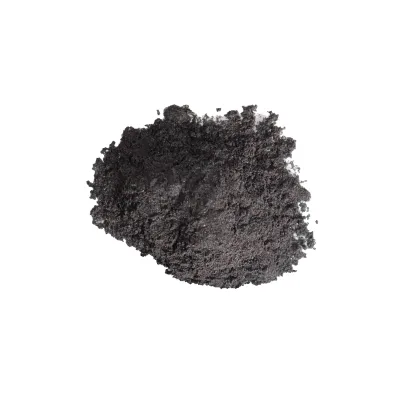
The physical form of these dyes is consistently observed as a Powder or Black Powder, which is the industry standard for bulk textile processing. This form factor influences handling, storage, and dissolution rates. Buyers should note that the Chemical Construction is predominantly Azo Type, a common structure for deep black shades in the textile industry. However, the data also lists Natural as a classification for certain entries, which warrants careful verification as true natural dyes rarely achieve the deep, consistent black shades required for industrial wool and nylon applications without synthetic mordants. The Solubility attribute is listed simply as "Solubility," implying that while the products are water-soluble, the specific solubility rates and temperatures for dissolution are not standardized across all listings and must be confirmed with the specific supplier. The Technics observed include the Dip Method, which is a fundamental application technique where the fabric is immersed in the dye bath. This method is versatile but requires precise control over temperature, time, and electrolyte concentration to ensure uniform penetration, especially for dense wool and nylon blends.
Compliance, Certification, and Standard Verification
In the global textile supply chain, compliance is not merely a formality but a critical risk management strategy. The supplied data references a prod_standard value of 100% for some entries and 200% for others, alongside a specific dimension standard of 3730.544. These figures likely refer to packaging dimensions, purity claims, or internal quality metrics rather than internationally recognized safety standards. Buyers must not assume that a "100%" standard rating equates to compliance with specific environmental or safety regulations without further verification. The only external standard mentioned in the background context is ISO 105, which is the series of standards for testing color fastness. While highly relevant for wool and nylon, the provided text does not confirm that any specific product listed has been tested to or certified under ISO 105. Therefore, procurement teams must treat the ISO 105 reference as a benchmark for what to request in test reports, rather than a guaranteed attribute of the listed inventory.
Verification of chemical compliance is essential, particularly regarding the Azo Type construction. Many jurisdictions, including the European Union under REACH regulations, strictly prohibit the use of certain azo dyes that can release carcinogenic aromatic amines. Since the product data explicitly identifies the chemical construction as Azo Type, buyers must demand specific test reports confirming the absence of prohibited azo compounds. The origin of the products is consistently listed as China, with specific mentions of Zhejiang as a place of origin. While this is a major hub for textile chemicals, it necessitates rigorous due diligence regarding the supplier's ability to provide up-to-date compliance documentation for export markets. The prod_standard of 25/kg appears in the data, which may refer to a packaging standard or a specific internal metric, but it should not be interpreted as a regulatory compliance figure without explicit clarification from the supplier.
Cost Drivers and Pricing Dynamics in the Black Dye Market
The economic landscape for black wool and nylon dyes is influenced by several volatile factors, including raw material costs, particularly the precursors for azo dyes, and energy costs associated with the drying and micronizing processes required to produce Powder forms. The observed price range in the market data spans from 1 to 27.8 USD, a significant variance that suggests differences in concentration, purity, or the specific chemical class (acid vs. reactive). A price at the lower end of this spectrum may indicate a lower concentration product or a bulk commodity grade, while the higher end could reflect specialized formulations with enhanced fastness properties or smaller packaging units.
The MOQ (Minimum Order Quantity) range of 1 to 500 units further complicates cost analysis. The data specifically notes an MOQ of 25KG for certain items, which aligns with the 25kg Carton Box with Pallet and 25kgs New Carton Box with Pallet packaging options. This suggests that while some suppliers may offer samples or small quantities (down to 1 unit), the most cost-effective pricing is likely reserved for orders meeting the 25KG threshold. Buyers should be aware that the 25kg unit is a standard industrial drum or box size, and ordering below this may incur a premium per kilogram. The prod_packing variations, ranging from simple Box to Drum and Carton Box with Pallet, also impact logistics costs. Heavier, palletized shipments reduce handling costs per unit but increase initial freight expenses, a factor that must be weighed against the unit price.
Typical Applications and Performance Expectations
The versatility of black dyes for wool and nylon is evident in the diverse Usage categories listed in the product data. The primary application is Textile, specifically targeting Wool and Nylon fabrics. However, the data also lists Paper, Leather, Ink, Paint, Plastic, and Food as potential applications. While the core keyword focuses on fabric dye, the presence of these broader categories indicates that some of the black dye formulations may be multi-purpose. For instance, Acid Black 234 and Acid Black 172 are noted with usage spanning Textile, Paper, Leather, Ink, Paint, Plastic, Food. Buyers must exercise caution here; a dye suitable for textile dyeing may not be approved for food contact or may have different performance characteristics when applied to leather versus wool. The Dip Method is the primary application technique, which is suitable for yarn dyeing, piece dyeing, and garment dyeing.
The Colour attributes observed include Black, Yellow, Brown, and Orange, but for the specific target of black wool nylon fabric, the Black and Black Powder attributes are the primary focus. The Appearance is consistently described as Powder or Black Powder, which ensures uniform dispersion in the dye bath. The Type classification of Basic Dye appears in the data, which is technically distinct from acid dyes. Basic dyes are typically used for acrylic fibers, not wool or nylon, so buyers must verify if the "Basic Dye" classification applies to the specific black shade in question or if it is a data inconsistency. The Classification of Vinyl Sulfone Type points to reactive dyes, which are excellent for cellulose fibers but can also be used on nylon for specific fastness requirements. Understanding these application nuances is critical to selecting the right product for the specific fiber blend.
Supplier Evaluation and Quality Control Protocols
Evaluating suppliers for black wool and nylon dyes requires a structured approach to ensure consistency and reliability. The brand_name is listed as N.A. for several entries, indicating that many suppliers may be operating as OEM manufacturers or generic traders. This lack of branding can be a double-edged sword; it often implies lower costs but may also suggest less investment in quality control infrastructure. Buyers should prioritize suppliers who can provide detailed technical data sheets (TDS) and safety data sheets (SDS) that go beyond the generic attributes listed in the product catalog. The Customization attribute being Available is a significant advantage, allowing buyers to request specific shade adjustments or concentration levels to match their internal standards.
Quality control must be rigorous, particularly given the Azo Type construction. Buyers should implement a sampling protocol that includes checking for Solubility consistency, ensuring the Powder form does not contain lumps or foreign matter, and verifying the Colour depth against a standard reference. The sample attribute is listed as free for some products, which is a valuable opportunity for buyers to test the dye in their own production environment before committing to a large order. The prod_model numbers, such as OC-DTBK08, OC-ABK15, and OC-DSYE01, serve as unique identifiers for specific formulations. Buyers should ensure that the model number on the purchase order matches the model number on the shipping documents to avoid receiving the wrong shade or chemical type. The place_of_origin being Zhejiang, China suggests a concentration of suppliers in this region, which can facilitate logistics but also requires verification of the specific factory's capabilities.
Long-Term Procurement and Supply Chain Stability
Sourcing black dye for wool and nylon is not a one-time transaction but a long-term partnership that requires stability and reliability. The prod_packing options, such as 25kg Carton Box with Pallet and Drum, indicate that the supply chain is designed for industrial-scale operations. Buyers should consider the lead times associated with these packaging types, as palletized shipments may require more time for loading and transport. The MOQ of 25KG suggests that the supply chain is optimized for bulk orders, and buyers planning to scale up should ensure they have the storage capacity for these quantities. The Usage diversity, including Textile, Paper, Leather, Ink, Paint, Plastic, Food, suggests that the suppliers may have a broad product portfolio, which can be beneficial for diversification but requires careful management to prevent cross-contamination or confusion in the supply chain.
Long-term considerations also include the potential for regulatory changes regarding azo dyes and the need for sustainable sourcing. As environmental regulations tighten, buyers should look for suppliers who are proactive in updating their formulations to meet new standards. The Customization availability is a key indicator of a supplier's flexibility to adapt to changing market demands. Buyers should also monitor the prod_standard values, as these may evolve to reflect new industry benchmarks. The ISO 105 reference, while not confirmed for specific products, serves as a long-term goal for quality assurance. Establishing a relationship with suppliers who can consistently provide test reports aligned with ISO 105 will ensure that the black wool and nylon fabrics maintain their color integrity over time, reducing returns and enhancing brand reputation.
FAQs
What chemical types are available for black wool and nylon dye?
The available chemical types include Azo Type and Vinyl Sulfone Type classifications. These options allow buyers to select between standard acid dyes and reactive dyes suitable for specific fiber requirements and fastness needs.
Which physical form do these black dyes typically come in?
These dyes typically appear as a powder or black powder form. This physical state is standard for bulk textile processing and ensures uniform dispersion during the dyeing application process.
Can buyers request customization for specific dye formulations?
Yes, customization is available for buyers needing specific shade adjustments or concentration levels. This flexibility allows suppliers to tailor products to match internal quality standards or unique production requirements.
What are the common packaging options for bulk orders?
Common packaging includes 25kg carton boxes with pallets, drums, or standard boxes. These options support industrial-scale operations and vary based on the specific product model and supplier logistics.
How is the minimum order quantity determined for these dyes?
The minimum order quantity ranges from 1 to 500 units, with many items requiring a 25KG minimum. This threshold aligns with standard industrial packaging sizes to ensure cost-effective shipping and handling.
Where are these black dye products primarily manufactured?
These products are primarily manufactured in China, with specific origins noted in Zhejiang. This location is a major hub for textile chemicals, though buyers must verify specific factory capabilities and compliance.
What applications beyond textiles are supported by these dyes?
Beyond textiles, these dyes support applications in paper, leather, ink, paint, plastic, and food. Buyers must verify specific approvals for non-textile uses as performance characteristics may vary across materials.