Source Odorless Holographic Nail Pigment for Nail Polish, Ink, and Paint
Compare 30 listings of Odorless Holographic Nail Pigment suitable for nail polish, ink, and paint applications. Buyers can review particle sizes, certifications, and usage details to find the right inorganic or synthetic options for cosmetic and industrial needs; compare the available evidence and request quotations based on your requirements.
Key considerations
Products List
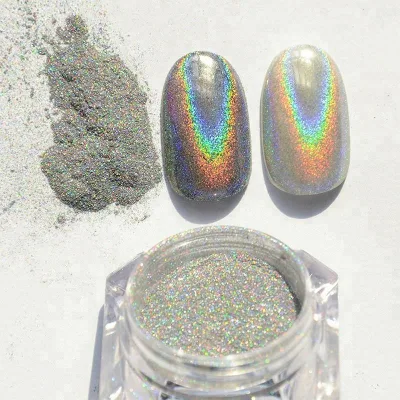


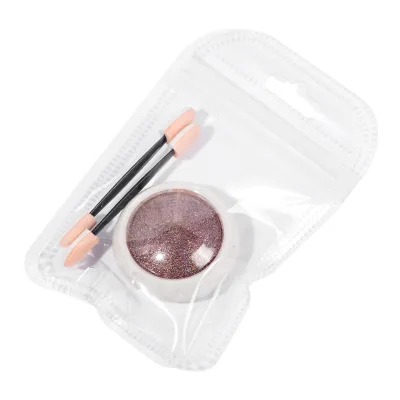
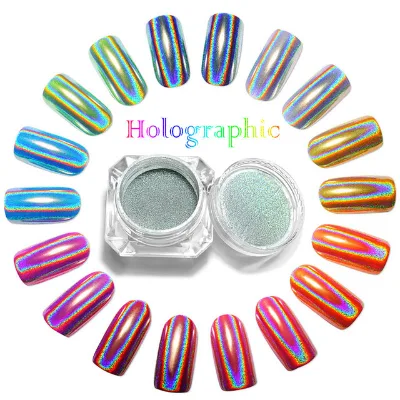
Holographic Nail Powder Holographic Glitter Laser Holographic Chrome Pigment
$0.30 - $5.00
MOQ: 10 Gram


Spectraflair Glitter Pigments, Holographic Pigment Powder for Nail Polish
$1.01 - $9.03
MOQ: 100 grams




Comprehensive Sourcing Guide
Odorless Holographic Nail Pigment Sourcing Guide
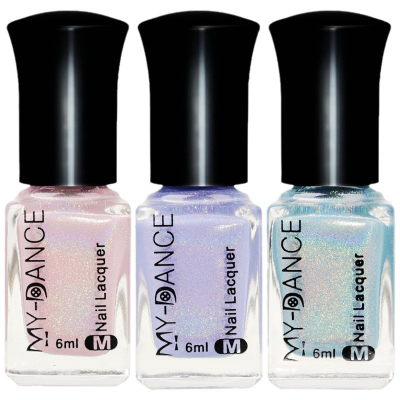
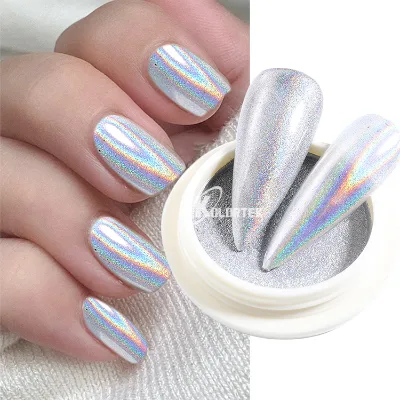
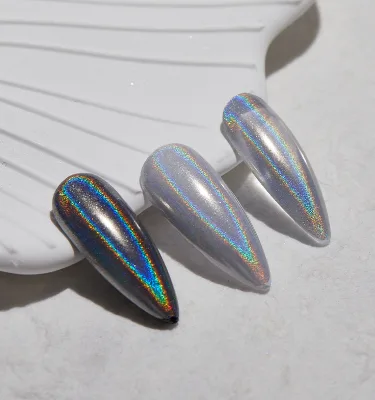
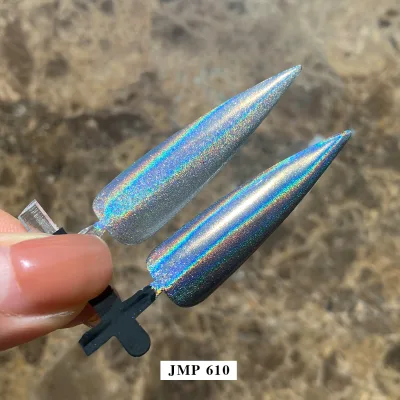
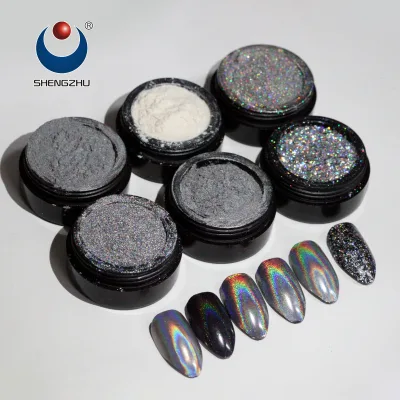
Procuring Odorless Holographic Nail Pigment requires distinguishing between synthetic glitter powders and natural mica-based formulations to ensure the desired visual effect. The market offers loose glitter powders with particle sizes ranging from 5 to 60 microns, which directly influence the sparkle intensity and application smoothness on nail surfaces. Buyers must verify that the specific product model, such as the 32um diamond holographic variant, aligns with the intended finish, as particle distribution affects the final aesthetic quality of the manicure.
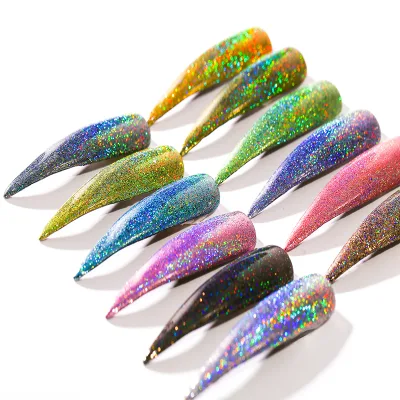
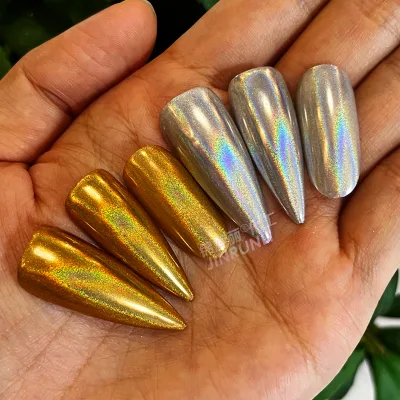
Sourcing decisions should also account for the diverse application scope beyond nail polish, including leather, ink, and plastic coloring, which may impact the pigment's chemical compatibility. While some listings highlight a silver color, others offer a spectrum including violet, orange, blue, red, and green, necessitating a clear definition of the required hue before ordering. Understanding these variations ensures that the selected pigment meets the specific design requirements without compromising the structural integrity of the nail coating or the surrounding materials.
Product Scope and Observed Listing Signals
The observed product listings indicate a wide price range from 0.29 to 148 USD, reflecting significant differences in purity, particle size, and brand positioning. Buyers should analyze the single package size and gross weight, which often vary between 5x5x2 cm packages and larger bulk barrels, to determine the most cost-effective unit for their production volume. The minimum order quantity (MOQ) typically spans from 100 grams to 200 units, requiring careful inventory planning to avoid overstocking or supply shortages during peak demand periods.
Listing signals also reveal that the product form is consistently described as loose powder, with some entries specifying inorganic pigment styles while others denote synthetic or natural compositions. It is critical to verify the stated composition, such as mica or oxide-based ingredients, as this dictates the pigment's solubility and interaction with nail polish bases. Observing the stated features like non-toxic and odorless properties helps narrow down options that meet safety standards for direct skin contact applications in the beauty industry.
Technical Specifications to Verify
Technical verification must begin with the particle size, which is listed in ranges such as 10-60um or 5-40um, as this dimension determines the light refraction and holographic effect. Buyers should confirm the specific model number, such as OCROWN 53000 or 53001-69, to ensure consistency in the diamond holographic pattern and color output. The form factor, described as loose glitter powders, requires assessment of flowability and dispersion characteristics to guarantee even application without clumping in the nail polish medium.
Further technical checks involve the solubility profile, which is noted as insoluble, ensuring the pigment remains stable within the cosmetic formulation without degrading over time. The color spectrum, ranging from silver to multi-color options like violet and green, must be matched against the desired aesthetic outcome for the final product. Additionally, the physical dimensions of the single package and the gross weight of 1.000 kg per unit provide essential data for logistics planning and storage capacity calculations in the supply chain.
Compliance and Safety Documentation
Safety documentation is paramount when sourcing pigments for cosmetic use, with suppliers frequently providing Safety Data Sheets (SDS) and Material Safety Data Sheets (MSDS) to verify chemical composition. These documents confirm the absence of heavy metals and validate the odorless nature of the product, which is a critical requirement for professional nail technicians and end-users. Buyers must ensure that the provided technical data, including TDS and MSDS, are current and correspond to the specific batch or model number being purchased to avoid regulatory non-compliance.
The certification status, often listed as SDS or MSDS, serves as a primary indicator of the supplier's adherence to safety protocols for inorganic and synthetic pigments. It is essential to cross-reference these documents with trusted category knowledge regarding cosmetic safety standards to confirm that the product is suitable for direct application on nails. The explicit mention of non-toxic and odorless features in the product attributes reinforces the need for rigorous documentation review to mitigate potential health risks associated with long-term exposure.
Cost Drivers and Commercial Terms
Cost drivers in this category are heavily influenced by the raw material composition, whether the pigment is derived from natural mica or synthetic oxides, and the complexity of the holographic manufacturing process. The observed MOQ of 100g to 200 units creates a variable cost structure where smaller orders may carry a higher per-unit price, while bulk purchases can significantly reduce the overall expenditure. Buyers should evaluate the single package size and gross weight to optimize shipping costs, as the physical dimensions of the 5x5x2 cm packages impact freight efficiency.
Commercial terms also include the availability of samples, which allows buyers to test the color accuracy and texture before committing to larger orders. The selling units are typically listed as single items, but the flexibility to negotiate based on the specific model number, such as OCROWN 53002, can lead to better pricing tiers. Understanding the relationship between the particle size, color variety, and production volume is essential for negotiating favorable terms that align with the buyer's budget and production schedule.
Supplier Qualification and Quality Control
Supplier qualification should focus on the place of origin, with verified locations in Zhejiang and Jiangsu, China, indicating established manufacturing hubs for cosmetic pigments. Buyers must assess the supplier's ability to provide consistent technical data and maintain the specified particle size ranges across different production batches to ensure product uniformity. The presence of specific model numbers like OCROWN 53001-69 suggests a standardized production line, which is a positive indicator of quality control processes and batch-to-batch consistency.
Quality control measures must include verification of the product's odorless and non-toxic claims through independent testing or review of the provided MSDS documents. The supplier's capacity to handle the specific packaging requirements, such as bag barrels or single items, is also a critical factor in maintaining product integrity during transit. Establishing a clear communication channel for addressing any discrepancies in the observed color or particle size ensures that the final product meets the stringent requirements of the nail polish industry.
Long-Term Procurement Checks
Long-term procurement strategies require regular audits of the supplier's certification status and adherence to safety standards like ISO 22716 for cosmetic manufacturing. Buyers should monitor the consistency of the product attributes, such as the insolubility and specific color ranges, to ensure that the supply chain remains stable and reliable over time. The availability of samples for periodic testing allows for continuous verification of the holographic effect and the absence of heavy metals, which are critical for maintaining brand reputation.
Sustainability and regulatory compliance should be ongoing checks, as the cosmetic industry frequently updates its safety guidelines regarding inorganic and synthetic pigments. Buyers must stay informed about changes in the supply chain, such as shifts in the place of origin or updates to the technical data sheets, to proactively manage any potential risks. Establishing a long-term relationship with a qualified supplier ensures a steady supply of high-quality Odorless Holographic Nail Pigment that meets evolving market demands and regulatory requirements.
FAQs
What is the particle size range for this holographic nail pigment?
The particle size ranges from 10 to 60 microns, with specific models available in 5 to 40 microns. This loose glitter powder form ensures smooth application in nail polish and cosmetic formulations. The inorganic pigment style provides consistent dispersion and vibrant color effects for professional beauty products.
Is this holographic nail pigment safe for cosmetic use?
Yes, the product is labeled as non-toxic and odorless, with a feature of being free of heavy metals. It holds SDS and MSDS certifications, indicating compliance with safety standards. The synthetic mica composition makes it suitable for direct application in nail polish, coatings, and other cosmetic pigments.
Can I order samples of the 32um diamond holographic pigment?
Samples are available for this holographic nail pigment product. The single package size is compact at 5x5x2 cm, and the single gross weight is 1.000 kg. This allows buyers to test the powder's insolubility and silver color quality before committing to larger bulk orders for manufacturing.
Which certifications are provided for the Odorless Holographic Nail Pigment?
The product comes with SDS and MSDS certifications to ensure safety and regulatory compliance. These documents verify the non-toxic and odorless nature of the inorganic pigment. Buyers can request technical data including MSDS and TDS to confirm the material's suitability for international cosmetic and ink applications.
What are the main usage applications for this holographic powder?
This pigment is primarily used for nail polish, cosmetics, and coatings. It is also suitable for leather, ink, paint, plastic, rubber, and paper applications. The versatile color laser powder provides vibrant effects, making it ideal for beauty products and industrial coloring needs across various material types.
Where is this holographic nail pigment manufactured?
The product originates from Zhejiang and Jiangsu provinces in China. These locations are known for manufacturing cosmetic pigments and industrial powders. Buyers can source these odorless holographic nail pigments directly from factories in these regions, ensuring access to established supply chains for bulk cosmetic ingredient procurement.