Source Bone China Plate for Dining, Catering, and Events
Explore 30 listings for Bone China Plate options featuring ceramic and porcelain materials. Compare customized sizes, glazed finishes, and eco-friendly designs from verified Chinese manufacturers to find the right fit for your business needs; compare the available evidence and request quotations based on your requirements.
Key considerations
Products List


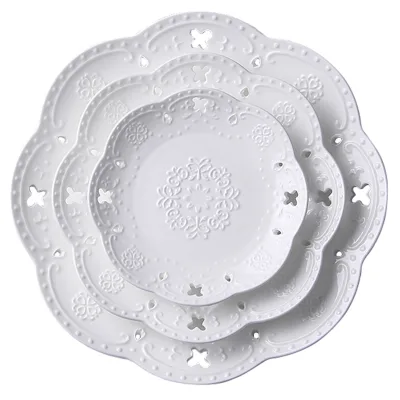
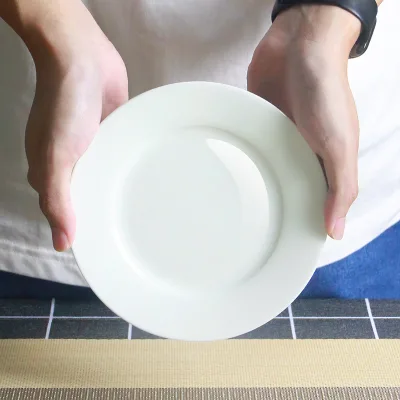
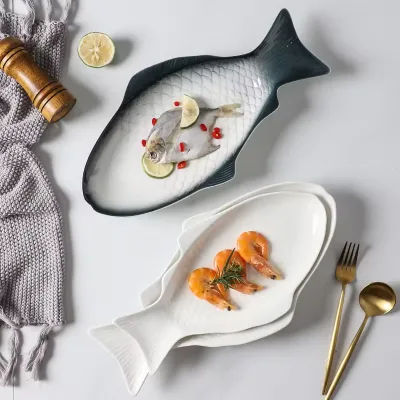


Custom Logo Pink Green Bone China Ceramic Steak Plate Ceramic Salad Fruit Plate
$1.68 - $1.98
MOQ: 500 Pieces


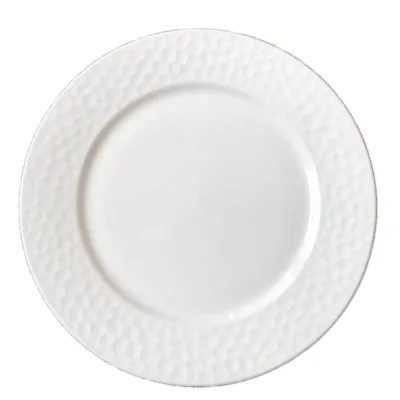

Comprehensive Sourcing Guide
Bone China Plate Sourcing Guide
Sourcing bone china plates requires a nuanced understanding of material composition, manufacturing techniques, and supply chain dynamics. This guide provides evidence-based procurement strategies for buyers seeking high-quality ceramic tableware. By focusing on verified product attributes and industry standards, buyers can mitigate risks associated with quality inconsistencies and compliance failures. The following sections outline critical verification steps, technical specifications, and commercial considerations essential for successful procurement.
Buyers must distinguish between true bone china and other ceramic types such as porcelain or stoneware. While the supplied data mentions "Ceramic & Porcelain" and "High Whiteporcelain," true bone china contains bone ash, which imparts specific thermal and aesthetic properties. Procurement teams should verify material composition through supplier documentation and request samples for physical inspection. Understanding these distinctions ensures that the purchased goods meet the intended application requirements, whether for daily use or premium hospitality settings.
Product Scope and Observed Listing Signals
The observed product listings reveal a diverse range of ceramic tableware, including dinner plates, cups, and accessories. Models such as RY106(B)-ZP274, RYG-6, and TC23019210-TC303 indicate a broad catalog with varying dimensions and designs. Listings highlight attributes like "Eco-Friendly," "Thermostability," and "Health Care" functions, suggesting a focus on safety and sustainability. Buyers should note that while "Bone China" is the core keyword, the observed materials include "Ceramics," "Porcelain," and "Stoneware," necessitating careful verification of the actual material composition.
Pricing and minimum order quantities (MOQs) vary significantly across the observed listings. Prices range from $0.49 to $650, with MOQs spanning from 1 to 50,000 pieces. This wide variance reflects differences in customization, packaging, and production methods, such as "Handmade" versus "Pressed Machine Made." Buyers must align their order volume with supplier capabilities, noting that some suppliers require MOQs of 5,000 or 50,000 pieces. Understanding these commercial signals helps in negotiating favorable terms and selecting suppliers that match the buyer's scale and budget constraints.
Technical Specifications to Verify
Technical verification begins with dimensional accuracy and material integrity. Observed standards include sizes like 7.5", 8", 10", 11", and 12", with specific models like TC23019210-TC303 having detailed dimensions (T: 210mm, B: 110mm, H: 37mm). Buyers should request detailed technical drawings and tolerance specifications for each order. Verifying these dimensions ensures compatibility with existing tableware sets and storage solutions, preventing logistical issues during distribution and retail display.
Surface finish and design elements are also critical technical parameters. Listings mention "Glazed," "Embossed Leaf," and "Unicolor" or "Multicolor" options. Buyers must confirm the glaze quality, particularly for food safety, and verify the durability of embossed designs. The "Making Method" varies from "Handmade" to "Pressed Machine Made," which affects consistency and lead times. Procurement teams should specify the desired technique in purchase orders to ensure the final product matches the expected aesthetic and functional standards.
Compliance and Safety Documentation
Compliance is paramount in food-contact ceramics. Observed certifications include FDA, RoHS, REACH, LFGB, and ISO. Buyers must verify that these certifications are current and applicable to the specific product models ordered. LFGB and FDA certifications are particularly important for markets in Europe and the United States, ensuring that the plates do not leach harmful substances. Requesting valid test reports from accredited laboratories is essential to confirm compliance with heavy metal migration limits and other safety standards.
Beyond certifications, buyers should assess the supplier's quality management systems. The presence of ISO certification suggests a structured approach to quality control, but buyers should verify the scope of this certification. It is crucial to ensure that the quality management system covers the entire production process, from raw material sourcing to final packaging. Buyers should also inquire about the supplier's procedures for handling non-conforming products and their commitment to continuous improvement in safety and quality.
Cost Drivers and Commercial Terms
Cost drivers in Bone China Plate procurement include material costs, labor, and customization. The use of "Bone Ash" in true bone china increases material costs compared to standard porcelain. Customization options, such as specific designs or packaging, can further impact pricing. Buyers should analyze the cost breakdown to understand the value proposition and negotiate based on volume and long-term partnership potential. The observed MOQs of 5,000 to 50,000 pieces suggest that economies of scale play a significant role in pricing.
Commercial terms such as payment methods, shipping, and lead times are critical for cash flow management. Observed packing options include "Standard Export Carton," "Gift Box Packing," and "Bulk Packing." Buyers should specify the packaging requirements to avoid additional costs or damage during transit. Incoterms like FOB are mentioned, indicating that buyers are responsible for freight and insurance from the port of origin. Clear agreement on these terms prevents disputes and ensures smooth logistics operations.
Supplier Qualification and Quality Control
Supplier qualification involves assessing manufacturing capabilities and quality control processes. Buyers should conduct factory audits or request third-party inspection reports to verify production standards. The observed "Best Service" claim should be validated through references and past performance data. Suppliers with a history of consistent quality and timely delivery are preferable. Buyers should also evaluate the supplier's ability to handle custom orders and their responsiveness to quality issues.
Quality control measures should be defined in the purchase agreement. This includes pre-production samples, in-process inspections, and final random inspections. Buyers should specify acceptance criteria for defects, such as cracks, glaze imperfections, or dimensional deviations. Implementing a robust quality control plan reduces the risk of receiving non-conforming goods. Regular communication with the supplier during production can help identify and resolve issues early, ensuring that the final product meets the buyer's expectations.
Long-Term Procurement Checks
Long-term procurement success depends on continuous supplier performance monitoring. Buyers should establish key performance indicators (KPIs) for quality, delivery, and service. Regular reviews of these metrics help identify trends and areas for improvement. Building a strong relationship with the supplier can lead to better pricing, priority production, and collaborative innovation. Buyers should also stay informed about industry trends and regulatory changes that may impact product requirements.
Sustainability and ethical sourcing are increasingly important in long-term procurement strategies. Buyers should verify that suppliers adhere to environmental and labor standards. The observed "Eco-Friendly" attribute suggests a potential focus on sustainability, but buyers should seek concrete evidence, such as waste management practices or energy-efficient production methods. Aligning procurement practices with corporate social responsibility goals enhances brand reputation and meets the expectations of environmentally conscious consumers.
FAQs
What certifications do the ceramic plates have?
The ceramic plates hold FDA, RoHS, REACH, LFGB, and ISO certifications. These standards ensure safety for daily food serving and meet international regulatory requirements for export markets. Buyers can verify these documents before placing bulk orders for compliance.
Can I request custom sizes for the dinner plates?
Customization is available for the dinner plates to meet specific buyer needs. The product line includes standard sizes like 11 inches and 8 inches, but manufacturers can produce customized dimensions upon request. This flexibility supports unique branding or functional requirements for different dining settings.
What is the minimum order quantity for these plates?
The minimum order quantity varies significantly depending on the specific product model and customization level. Some items require 5,000 pieces, while others may start at 50,000 pieces. Buyers should confirm the exact MOQ with the supplier based on the selected model and design specifications.
How are the ceramic plates packed for shipping?
The plates are typically packed in standard export cartons or bulk packing options. Some suppliers offer gift box packing or packaging tailored to customer requirements. This ensures the ceramic and porcelain items arrive safely without damage during international transit to various global destinations.
Are the plates made using handmade or machine methods?
The production methods vary, with options including handmade techniques and pressed machine-made processes. Some items are glazed for a finished look, while others feature specific designs like embossed leaves. Buyers can choose the making method that best fits their quality and aesthetic preferences.
What materials are used to make these dinner plates?
The plates are crafted from high-quality ceramic, porcelain, and stoneware materials. These raw materials provide durability and thermostability for daily use. The combination of ceramic and porcelain ensures the plates are suitable for serving food while maintaining structural integrity under various temperature conditions.
Where are these ceramic plates manufactured?
These ceramic plates are manufactured in China, specifically in regions like Chazhou, Guangdong. The origin location allows for efficient production and export logistics. Buyers sourcing from this region can access a wide range of models and specifications tailored for international markets.