Source Bone Conduction Mini Piezo Buzzer for alarms, wearables, and safety devices
Explore 30 listings for the Bone Conduction Mini Piezo Buzzer, comparing models like FBPB3926EL and FBPB4216. Buyers can evaluate specifications including rated voltage, current, and transmission modes from verified suppliers in Ningbo.
Key considerations
Products List


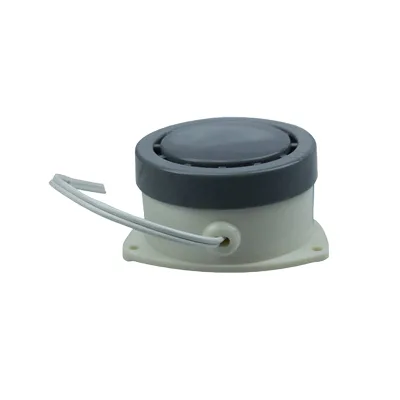


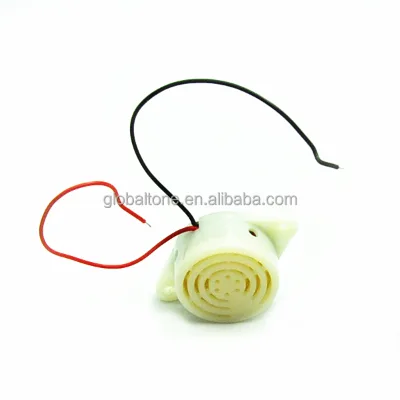


Pzt Customized 1MHz Ultrasonic Piezo Elements Piezoelectric Ceramic Buzzer
$0.10 - $0.20
MOQ: 500 Pieces

Comprehensive Sourcing Guide
Strategic Sourcing Guide for Bone Conduction Mini Piezo Buzzer Systems
Understanding the Technical Architecture and Transducer Principles
When sourcing a Bone Conduction Mini Piezo Buzzer, the primary objective is to identify a component that aligns with specific acoustic transmission requirements while maintaining a compact form factor. The core of this device lies in its transducer principle, which fundamentally dictates how sound energy is delivered to the user. In the context of the available market data, distinct variations exist between electrostatic and piezoelectric mechanisms. While some listings indicate an electrostatic earphone principle, the specific keyword "piezo buzzer" points toward a piezoelectric transducer principle, where mechanical deformation of a piezoelectric crystal generates sound. This distinction is critical because piezoelectric elements often offer higher durability and simpler drive circuitry compared to electrostatic counterparts, making them suitable for industrial alarms or wearable safety devices.
The transmission mode is equally vital. Bone conduction technology bypasses the outer and middle ear, transmitting vibrations directly through the skull to the inner ear. This is a specialized application compared to standard air-conduction buzzers. The observed product attributes suggest a hybrid or specialized design where the transducer is engineered to vibrate against the bone structure rather than radiating sound through the air. The cone material plays a significant role in this process; while some units utilize polypropylene with a titanium edge for air conduction, bone conduction variants may employ paper cones or direct contact surfaces to optimize vibration transfer. Buyers must verify that the "Bone Conduction" attribute is not merely a marketing term but is supported by the physical design of the transducer, ensuring the resonant frequency matches the target application's requirements.
Critical Technical Specifications and Performance Parameters
Evaluating the technical specifications of a mini piezo buzzer requires a granular look at electrical and acoustic parameters. The rated voltage is a foundational specification that determines the power supply requirements. Data indicates a common operating voltage of 12VDC, though some variants may support 220V AC, necessitating a clear distinction between low-voltage DC systems and high-voltage AC applications. The rated current is another pivotal metric; observed values range from 5A to specific low-current limits like 35mA at 12VDC. This variance suggests that "mini" buzzers can be designed for either high-power signaling or low-power battery-operated devices. Procurement teams must ensure the driver circuit can supply the exact current required to avoid under-driving the buzzer or damaging the component.
Acoustic performance is defined by the resonant frequency and sound output levels. The resonant frequency for these units is typically observed in the range of 3500+/-500 Hz to 4000+/-500 Hz. This frequency band is crucial for human hearing sensitivity and alarm clarity. The minimum sound output at 10 cm is recorded at 80 dB, which serves as a baseline for loudness in close-proximity applications. However, for bone conduction, the perceived loudness may differ from air-conduction metrics. The weight of the unit, observed at 2 to 3 grams, confirms the "mini" classification, making these components suitable for integration into head-mounted or in-ear styles. The operating temperature range of -20 to +60 degrees Celsius ensures reliability in diverse environmental conditions, from cold storage facilities to outdoor equipment.
Compliance, Certification, and Regulatory Standards
In the B2B procurement of electronic components, compliance is non-negotiable. The supply chain for bone conduction mini piezo buzzers must adhere to rigorous international standards. The observed product attributes list certifications such as ISO9001, CCC, CE, and ROHS. ISO9001 indicates that the manufacturer has a certified quality management system, which is a strong indicator of process consistency. The CCC (China Compulsory Certification) and CE (Conformité Européenne) marks are essential for market access in China and the European Union, respectively, ensuring the product meets safety and electromagnetic compatibility requirements. ROHS compliance confirms that the device is free from specific hazardous substances, a mandatory requirement for electronics sold in many global markets.
Buyers must verify that the certification status applies to the specific model being ordered, as manufacturers may hold certifications for their facility but not for every individual product line. The standard "ROHS" and "CE" listed in the product data serve as a baseline, but procurement teams should request valid test reports or certificates of conformity for the specific batch. Additionally, the product origin, noted as Ningbo, suggests a manufacturing hub known for electronics, but this does not automatically guarantee compliance. Verification of the "Standard Export Carton" packing and adherence to international shipping standards is also part of the compliance checklist to ensure the product arrives in the specified condition without damage or regulatory issues at customs.
Cost Drivers and Procurement Economics
The cost structure of bone conduction mini piezo buzzers is influenced by several variables, including the transducer principle, material composition, and order volume. The observed MOQ (Minimum Order Quantity) ranges widely from 100 pieces to 30,000 units. This significant variance indicates that unit pricing is highly sensitive to volume. Small-batch orders, such as the 100-piece MOQ for mini alarm buzzers, will carry a higher unit cost due to setup and handling fees. Conversely, large-volume orders can leverage economies of scale to reduce the per-unit price. The customization availability is a key cost driver; while standard models are likely more affordable, custom configurations involving specific voltage ratings, frequencies, or packaging will incur additional engineering and tooling costs.
Lead times also impact the total cost of ownership. A standard delivery detail of 15 days is observed for certain models, but this can fluctuate based on raw material availability and production capacity. Buyers should factor in potential delays, especially for custom orders or during peak manufacturing seasons. The packaging type, described as "Standard Export Carton" with specific dimensions like 4827.533cm, affects logistics costs. Bulkier packaging increases shipping weight and volume, which can be a hidden cost in international trade. Furthermore, the inclusion of specific features like a 1-minute duration timer or specific channel configurations (e.g., 5.1 or 6.1 channel compatibility) may add to the complexity and cost of the component.
Typical Applications and Use Case Scenarios
The unique combination of bone conduction and piezoelectric technology opens specific application avenues that differ from traditional air-conduction speakers. The "Head-mounted" and "In-ear" styles observed in the product attributes suggest a primary use case in wearable technology. These buzzers are ideal for safety alarms in industrial environments where hearing protection is required; the bone conduction mechanism allows the user to hear the alarm while wearing earplugs or earmuffs. This is particularly valuable in noisy factories, construction sites, or military operations. The "Mini" style and low weight (2-3g) make them suitable for integration into helmets, headsets, or compact wearable devices without adding significant bulk or discomfort.
Another significant application area is in medical and assistive devices. The direct transmission of vibrations can benefit users with certain types of hearing impairments who can still perceive sound through bone conduction. The "Alarm Piezo Buzzer" function indicates utility in medical alert systems or patient monitoring devices. Additionally, the "Direct Radiation Type" and "Indirect Radiation Type" variations suggest flexibility in how the sound is projected, allowing for use in both open-air warning systems and enclosed device housings. The specific model numbers like FBPT2343 or FBPB3926EL may correspond to specialized industrial or consumer electronics applications, requiring buyers to match the model's radiation mode and transmission type to the specific physical constraints of their end product.
Supplier Evaluation and Quality Assurance Protocols
Selecting a reliable supplier for bone conduction mini piezo buzzers requires a rigorous evaluation process that goes beyond price comparison. The presence of "MURATA" and "Saipwell" as brand names in the data highlights the importance of brand reputation, though buyers should not assume all listed products are from these specific entities without verification. A robust supplier evaluation should include an audit of their quality management systems, specifically looking for valid ISO9001 certification. Buyers should request samples to test the resonant frequency, rated voltage, and current draw against the datasheet specifications. The consistency of the "Standard Export Carton" packing is also a quality indicator; damaged or non-standard packaging can lead to product failure during transit.
Quality control protocols must be established to ensure that the delivered units meet the required performance standards. Given the observed variations in specifications, such as the difference between 12VDC and 220V AC rated voltages, incoming quality control (IQC) testing is essential. Buyers should verify the "Resonant Impedance" (Rr ≤ 500) and "Weight" consistency across batches. For bone conduction devices, the mechanical integrity of the transducer is paramount; any deviation in the cone material or mounting structure can alter the vibration transfer efficiency. Establishing a clear communication channel with the supplier regarding the "Delivery Detail" and lead times is also crucial for maintaining production schedules. Regular audits of the manufacturing facility in Ningbo or other origins can provide deeper insights into the production capabilities and quality assurance processes.
Long-Term Procurement and Supply Chain Resilience
Sourcing bone conduction mini piezo buzzers is not just a one-time transaction but a long-term partnership that requires strategic planning. The availability of customization options allows for product evolution, but it also necessitates a clear understanding of the supplier's capacity to handle design changes. Buyers should assess the supplier's ability to maintain consistent quality over time, especially when scaling from small MOQs of 100 pieces to larger volumes of 30,000 units. The "Duration" attribute, noted as 1 minute for some alarm functions, suggests that the device may have specific operational limits that need to be managed in the long term.
Supply chain resilience is another critical consideration. Relying on a single source or a specific region like Ningbo can pose risks if geopolitical or logistical disruptions occur. Diversifying the supplier base or maintaining a safety stock of critical components can mitigate these risks. Buyers should also monitor the lifecycle of the product models; older models like FBBU2 or FT-27T-3.9A1LC may eventually be discontinued, requiring a transition plan to newer equivalents. Ensuring that the supplier can provide long-term support, including technical assistance and replacement parts, is vital for the longevity of the end product. Finally, maintaining a focus on sustainability and compliance with evolving environmental standards will ensure that the procurement strategy remains viable in a changing regulatory landscape.
FAQs
How does the transducer principle affect sound transmission?
The device uses a piezoelectric transducer principle to generate sound through mechanical deformation. This differs from electrostatic types by offering simpler drive circuitry and higher durability for industrial alarms or wearable safety devices.
What is the rated voltage for the mini buzzer?
The standard rated voltage is 12VDC, though some variants support 220V AC. Buyers must verify the specific model to ensure the driver circuit matches the required power supply for safe operation.
Which certification standards apply to these components?
Products typically carry ISO9001, CCC, CE, and ROHS certifications. These marks indicate quality management systems and compliance with safety and hazardous substance regulations for markets in China and the European Union.
Can the product be customized for specific needs?
Customization is available for specific voltage ratings, frequencies, or packaging requirements. Standard models are more affordable, while custom configurations may incur additional engineering and tooling costs depending on the supplier.
What is the minimum order quantity for these buzzers?
The minimum order quantity ranges from 100 pieces to 30,000 units depending on the model. Small-batch orders like the 100-piece MOQ carry higher unit costs due to setup fees compared to large volumes.
How long is the delivery time for standard orders?
The standard delivery detail is 15 days for certain models. Lead times can fluctuate based on raw material availability and production capacity, especially for custom orders or during peak manufacturing seasons.