Source Book Binding Chicago Screw Post for Bindery, Archives, and Crafts
Find and compare 30 listings for Book Binding Chicago Screw Post options suitable for bindery, archival preservation, and craft projects. Evaluate specifications like POM and PA66 materials, black or natural finishes, and OEM customization to select the right fasteners for your manufacturing needs.
Key considerations
Products List
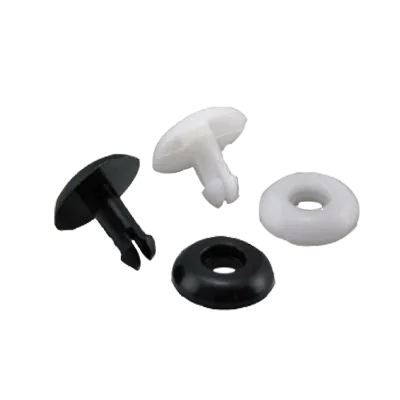
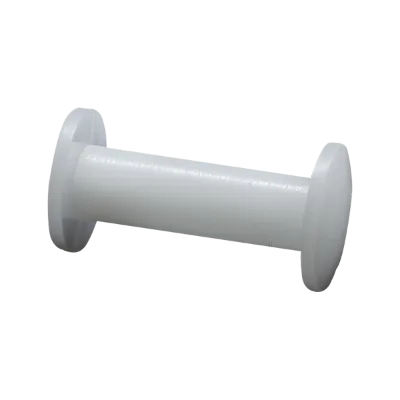
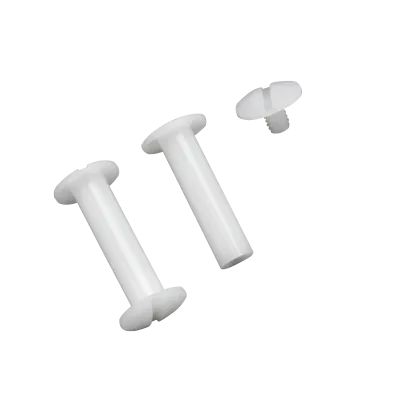
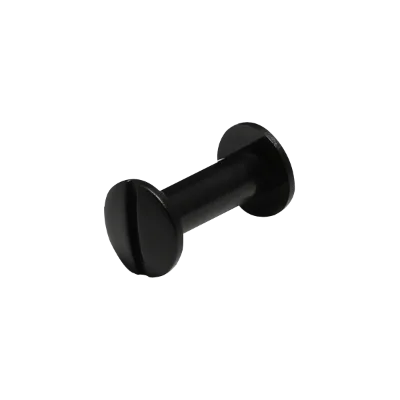
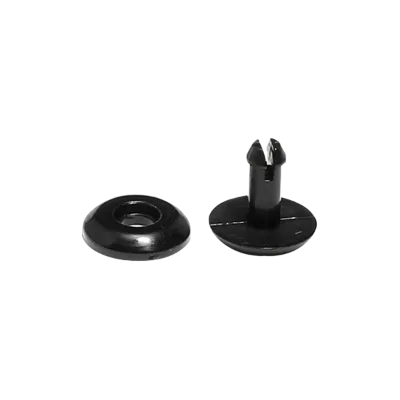


Chicago Screws Book Binding Screws for DIY Leather Decoration Book Binding
$0.09 - $0.10
MOQ: 10000 Pieces


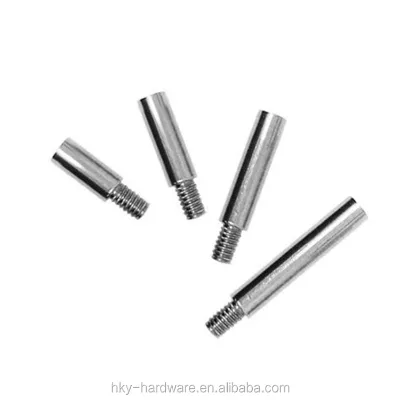
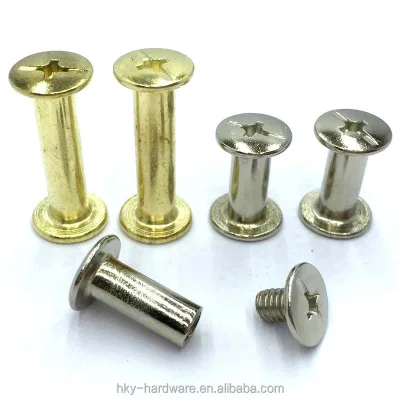


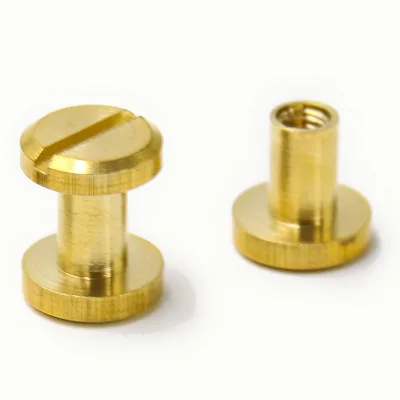
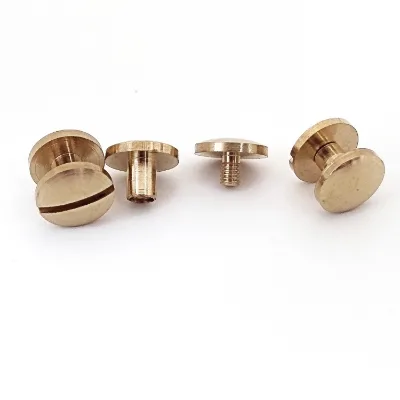
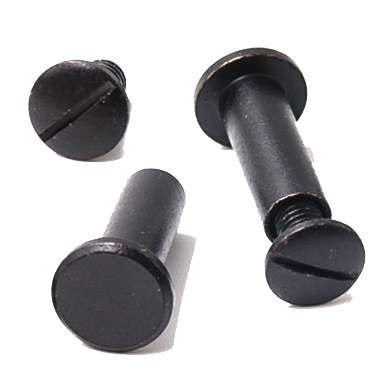
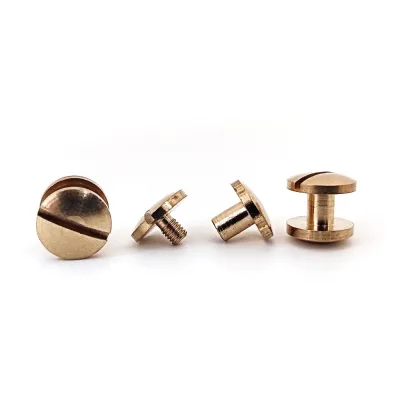

High Quality Chicago Screw Book Binding Post Plastic Male Female Screw Bolt
$0.06 - $0.08
MOQ: 1000 Pieces
Comprehensive Sourcing Guide
Book Binding Chicago Screw Post Sourcing Guide
Sourcing book binding Chicago screw posts requires a nuanced understanding of both the mechanical fastening principles and the specific material constraints of modern publishing and stationery manufacturing. These fasteners, often referred to as binder screws or post-and-cap systems, are critical for creating durable, reusable bindings for catalogs, portfolios, and high-end stationery. Unlike traditional staples or glue, Chicago screws allow for the easy addition or removal of pages, making them indispensable for dynamic document management. The procurement process must balance aesthetic requirements, such as color and finish, with functional demands like tensile strength and thread integrity. Buyers must recognize that while the core mechanism is simple, the variability in material composition and manufacturing precision across different suppliers can significantly impact the final product’s longevity and professional appearance.
The current market landscape for these components is characterized by a wide range of options, from standard plastic variants to more robust metal or composite alternatives. Observations from current listings indicate a diverse array of model numbers, including SN-01G, SN5618, SN5622, and SN5617, suggesting that suppliers offer specialized configurations rather than a one-size-fits-all solution. This diversity necessitates a rigorous verification process where buyers must align their specific binding thickness and page count requirements with the correct screw length and post diameter. Furthermore, the presence of OEM services and customization options implies that large-volume buyers can tailor these components to their brand identity, but this also introduces complexity in quality control and supply chain management. Understanding these market signals is the first step in developing a successful procurement strategy.
Product Scope and Observed Listing Signals
The observed product scope reveals a significant variation in material composition, which directly influences the application and durability of the binding system. Listings indicate the availability of plastic-based screws, with materials specified as POM (Polyoxymethylene), PA66 (Polyamide 66), PC (Polycarbonate), and PP (Polypropylene). These polymers are chosen for their lightweight nature, corrosion resistance, and cost-effectiveness, making them suitable for standard office supplies and light-duty binding tasks. Additionally, there are listings for metal variants, specifically nickel-plated options, which offer superior strength and a premium aesthetic finish. The coexistence of these material types in the market highlights the need for buyers to clearly define their performance requirements, as a plastic screw may suffice for a thin brochure but would fail under the stress of a thick, heavy-bound manual.
Listing signals also point to a high degree of customization and modular availability. Attributes such as "Color: Black/Customize" and "OEM Service Accepted" suggest that suppliers are equipped to handle bespoke orders, allowing buyers to match the screw color to their brand guidelines or document covers. The presence of specific model numbers like SN-05G and SN5618, along with varying single gross weights ranging from 0.002 kg to 0.500 kg, indicates that these are not uniform commodities but distinct products with specific dimensional and weight profiles. Buyers must pay close attention to these identifiers, as a mismatch in model number could result in incompatible posts and caps. The observation of "Purpose: for replace/repair" further suggests that these components are often sold as replacement parts, emphasizing the importance of sourcing reliable suppliers who can provide consistent replacements over the long term.
Technical Specifications to Verify
Verifying the technical specifications of book binding Chicago screws is paramount to ensuring a seamless assembly and a professional final product. The most critical dimension to verify is the length of the post, which must accommodate the total thickness of the bound pages plus the height of the cap. Listings show specifications such as "90mm" and standards like "M5*90MM," which provide a baseline for thread diameter and length. However, buyers must confirm whether these measurements refer to the post alone or the total assembly length. Additionally, the thread pitch and diameter must be consistent between the post and the cap to prevent cross-threading or loose fittings. Inconsistent threading can lead to binding failure, where pages become loose or the screw strips under tension, rendering the entire binding system useless.
Material properties and surface finishing are equally important technical considerations that affect both performance and aesthetics. For plastic screws, the choice between POM and PA66 is significant; POM is known for its high stiffness and low friction, while PA66 offers greater toughness and heat resistance. Buyers should verify the exact material grade to ensure it meets their environmental and mechanical needs. For metal screws, the surface finish, such as "Nickel Plated," provides corrosion resistance and a shiny appearance, but buyers must verify the thickness of the plating to prevent peeling or tarnishing over time. Furthermore, the "Single package size" and "prod_packing" details, such as "100PCS/Bag" or "1000 sets /bag," indicate how the product is delivered, which impacts storage and handling efficiency. Buyers must ensure that the packaging protects the components from damage during transit, especially for delicate plastic threads or plated metal surfaces.
Compliance and Safety Documentation
While book binding screws are generally considered low-risk components, compliance with relevant safety and environmental standards is essential, particularly for products intended for educational or consumer use. Buyers should inquire about the presence of Material Safety Data Sheets (MSDS) or Declarations of Conformity (DoC) from suppliers, especially when dealing with plastic materials like PA66 or POM. These documents verify that the materials do not contain harmful substances such as lead, cadmium, or phthalates, which is crucial for compliance with regulations like REACH in Europe or CPSIA in the United States. Although specific certification statuses are not explicitly listed in the observed data, the attribute "Performance: Eco-Friendly" suggests that some suppliers may adhere to environmentally responsible manufacturing practices. Buyers should request proof of these claims to ensure alignment with their corporate sustainability goals.
Safety documentation also extends to the mechanical integrity of the fasteners. While not typically subject to rigorous industrial safety standards, the screws must be free from defects that could cause injury, such as sharp burrs or broken threads. Buyers should verify that suppliers conduct routine quality checks to ensure that the "High Quality" claims are substantiated by internal testing protocols. This includes checking for dimensional accuracy and thread integrity. For metal screws, buyers should ensure that the nickel plating process does not leave residual chemicals that could cause skin irritation, particularly if the bound documents are handled frequently by children or sensitive individuals. Requesting sample batches for internal testing can help verify these safety aspects before committing to a large order.
Cost Drivers and Commercial Terms
The cost of book binding Chicago screws is influenced by several key drivers, including material type, order volume, and customization requirements. Plastic screws, made from POM or PA66, are generally more cost-effective than metal variants, making them a popular choice for high-volume, low-cost applications. However, the price per unit can fluctuate based on the raw material market prices and the complexity of the manufacturing process. Customization options, such as specific colors or OEM branding, often incur additional setup fees and higher per-unit costs. Buyers must weigh these factors against their budget constraints and volume requirements to determine the most cost-effective sourcing strategy. The observed MOQ range of 1 to 10,000 sets indicates flexibility, allowing both small businesses and large enterprises to find suitable terms.
Commercial terms and payment conditions play a significant role in the overall procurement cost and risk management. Listings indicate that "Tt in Advance" is a common payment method, which requires buyers to pay before production or shipment. This term places the financial risk on the buyer, so it is crucial to establish a strong relationship with the supplier and verify their reliability before making advance payments. Additionally, the "Lead time: Negotiable" attribute suggests that delivery schedules can be customized, but buyers should clarify these timelines during the negotiation phase to avoid delays in their production or distribution cycles. The availability of free samples, where the customer pays for freight, is a valuable opportunity to test product quality without significant financial commitment. Buyers should leverage this offer to evaluate the product before placing bulk orders, ensuring that the final cost aligns with the expected quality.
Supplier Qualification and Quality Control
Qualifying suppliers for book binding Chicago screws requires a thorough assessment of their manufacturing capabilities and quality control processes. Buyers should verify the supplier’s place of origin, with listings indicating production in Jiangxi and Guangdong, China, which are known manufacturing hubs. These regions often have established supply chains for plastics and metals, which can contribute to competitive pricing and consistent quality. However, buyers must conduct due diligence to ensure that the supplier has the necessary equipment and expertise to produce high-precision screws. This includes checking for automated threading machines and rigorous inspection protocols. Suppliers that offer "OEM Service Accepted" are likely to have more advanced manufacturing capabilities, but buyers should still request evidence of their quality management systems, such as ISO certifications, to ensure consistent production standards.
Quality control measures should be integrated into the procurement process to minimize the risk of receiving defective products. Buyers should establish clear acceptance criteria for dimensional accuracy, material integrity, and surface finish. Requesting pre-shipment inspections or third-party quality audits can provide an additional layer of assurance. The "Warranty: 1 Years" and "Warranty: 1 Months" attributes observed in listings suggest that some suppliers stand behind their products, but buyers should clarify the terms of these warranties, including what constitutes a defect and the process for claims. Additionally, buyers should monitor the consistency of product attributes across multiple orders, as variations in color, weight, or packaging can indicate instability in the supplier’s production process. Building a long-term relationship with a reliable supplier is essential for maintaining quality and cost efficiency over time.
Long-Term Procurement Checks
Long-term procurement of book binding Chicago screws requires ongoing monitoring of supplier performance and market trends. Buyers should regularly review supplier delivery times, product quality, and responsiveness to issues. Consistent delays or quality fluctuations can disrupt production schedules and damage the end product’s reputation. Establishing key performance indicators (KPIs) for supplier evaluation, such as on-time delivery rate and defect rate, can help identify potential issues early. Buyers should also maintain open communication with suppliers to stay informed about any changes in material availability or manufacturing processes that could impact the product. Regular audits and feedback loops can foster a collaborative relationship that benefits both parties and ensures a stable supply chain.
Market trends and technological advancements in binding materials should also be considered for long-term planning. As sustainability becomes increasingly important, buyers may need to explore eco-friendly material options or suppliers with greener manufacturing practices. The observed "Performance: Eco-Friendly" attribute suggests that this is a growing area of interest. Buyers should stay informed about new materials and technologies that could offer improved performance or lower environmental impact. Additionally, monitoring price trends for raw materials like POM, PA66, and nickel can help buyers anticipate cost fluctuations and negotiate better terms. By staying proactive and adaptable, buyers can ensure that their sourcing strategy remains effective and competitive in the long run, securing a reliable supply of high-quality book binding Chicago screws.
FAQs
What materials are used for book binding screws?
The screws are made from plastic materials such as POM, PA66, PC, and PP. Specific options include POM in black or natural colors and PA66 in black. Metal variants with nickel plating are also available for office supply applications.
Can I customize the color of the binding screws?
Yes, customization is available for the screw colors. Buyers can choose from standard black or request custom colors depending on the specific model and material requirements. The product listing confirms that color customization is an accepted service.
What is the minimum order quantity for these screws?
The minimum order quantity varies by product model, ranging from 1 set to 10,000 sets. Some specific models like SN5618 require a minimum of 1,000 sets, while others may allow smaller trial orders. Buyers should check the specific model details for exact MOQs.
How long is the warranty period for the screws?
The warranty period depends on the specific product model selected. Some items come with a one-year warranty, while others may offer a one-month warranty. Buyers should verify the warranty terms associated with the specific model number before placing an order.
Where are these book binding screws manufactured?
These screws are manufactured in China, specifically in the Jiangxi and Guangdong provinces. Some metal variants originate from Ningbo. The production location is clearly stated in the product specifications for each item listed.
Is OEM service accepted for these binding screws?
Yes, OEM service is accepted for these products. Buyers can request custom specifications and branding. The product details explicitly state that customization and OEM services are available for various models including SN-01G and SN5618.
What is the lead time for these products?
The lead time is negotiable and depends on the order quantity and specific product requirements. Buyers should contact the supplier directly to confirm the exact delivery schedule. Some items may have standard packaging and weight specifications that affect shipping times.