Source Booklet Making Paper Collator for Printing Shops
Find 30 Booklet Making Paper Collator units from verified Chinese manufacturers. Compare specifications like automatic grade, voltage, and working width to select the right machine for advertising companies, retail, and home use applications; compare the available evidence and request quotations based on your requirements.
Key considerations
Products List


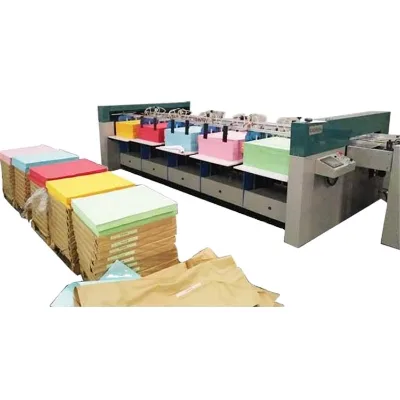
High Speed Paper Collator with Nails Function Booklet Making Machine
$11500.00 - $12500.00
MOQ: 1 Pieces


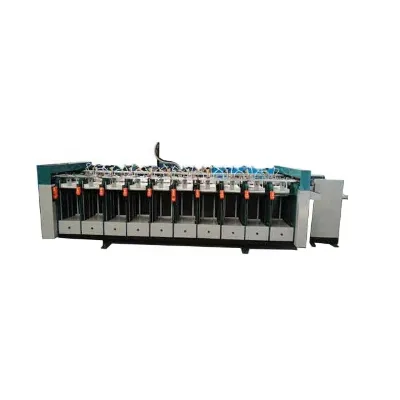
Easy to Operate Vise Type Gathering Machine Collating Machine Paper Collator Machine
$11000.00 - $12000.00
MOQ: 1 Pieces
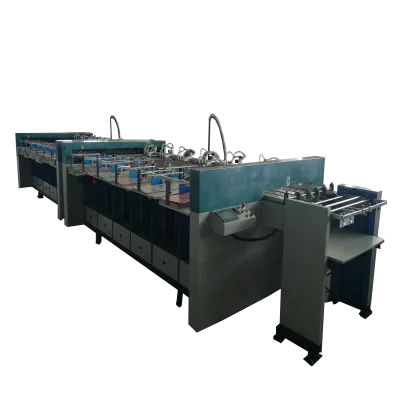
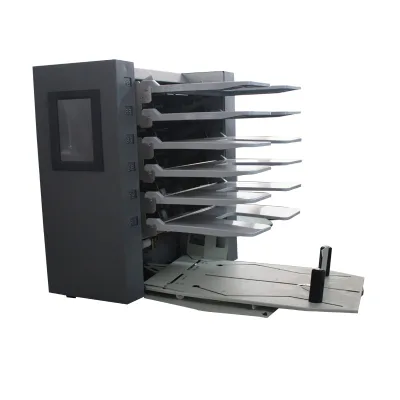
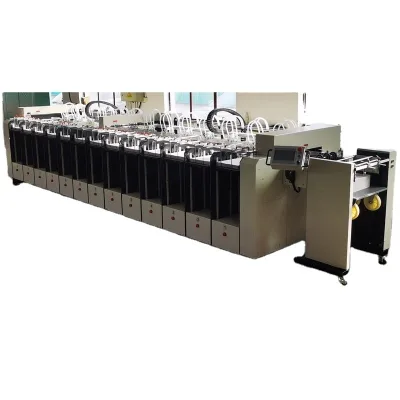
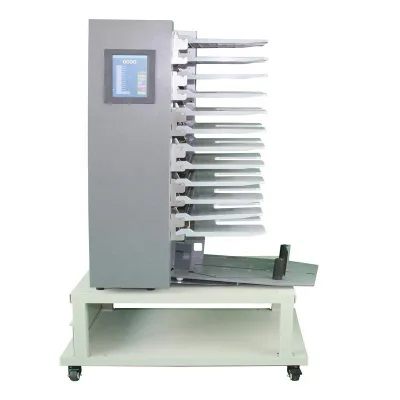
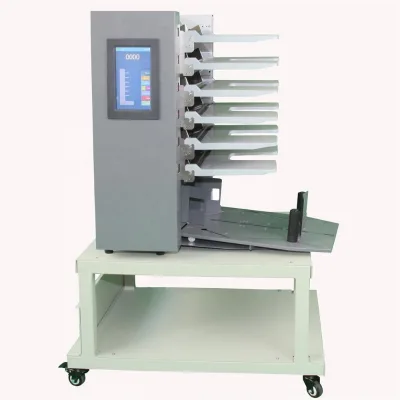
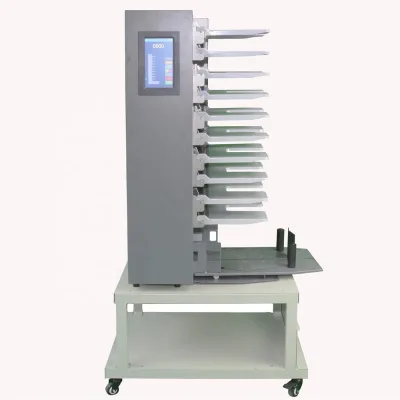


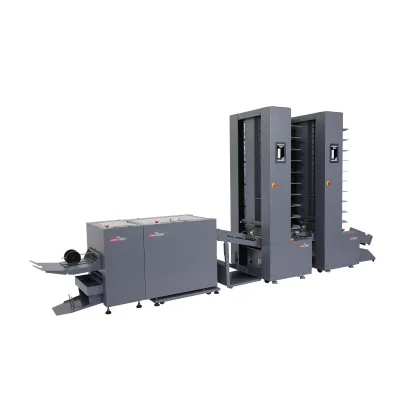
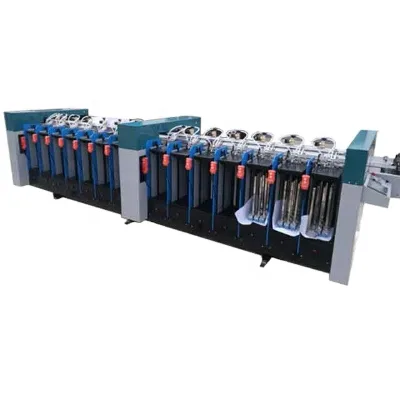
Automatic Paper Collator Machine Collating Machine Roller A4 Paper Sheet Sorting Machine
$50000.00 - $60000.00
MOQ: 1 Sets




Comprehensive Sourcing Guide
Booklet Making Paper Collator Sourcing Guide
Selecting the right Booklet Making Paper Collator requires a clear understanding of how automated stacking and collating systems integrate into your printing workflow. These machines are designed to gather sheets, signatures, or inserts into precise sequences, which is essential for producing high-quality booklets, catalogs, and reports. The core value lies in the machine’s ability to handle varying paper weights and sizes while maintaining consistent alignment. Buyers must evaluate whether the equipment supports their specific production volume and paper handling needs, ensuring that the automation level matches their operational capacity.
The market offers a range of configurations, from semi-automatic units to fully automatic systems with advanced PLC controls. Key differentiators include the maximum collating paper size, stacking height capabilities, and the type of air suction or mechanical gathering mechanisms employed. Understanding these technical nuances helps procurement teams avoid mismatches between machine specifications and actual production requirements. It is crucial to verify that the selected model can accommodate your widest and heaviest materials without compromising speed or accuracy, as this directly impacts overall throughput and product quality.
Product Scope and Observed Listing Signals
Current market listings indicate a diverse range of booklet making paper collators, with observed prices spanning from approximately one thousand to sixty thousand USD. This wide variance reflects differences in automation levels, brand reputation, and included features such as optional stitching or folding units. Minimum order quantities are typically low, often starting at just one unit, which allows for flexible procurement strategies for small to medium-sized printing shops. Buyers should note that these figures are observational and may vary based on customization requests, shipping terms, and specific supplier policies.
Product attributes reveal that many units are fully automatic, driven by electric motors and controlled by PLC systems from reputable brands like ABB. Common specifications include a working width of 700mm or 450mm, with maximum collating paper sizes reaching up to 592*882mm. Some models support paper thicknesses from 30 to 1000gsm, indicating versatility in handling both lightweight flyers and heavy cardstock. The presence of features like online video technical support and a one-year warranty suggests a focus on after-sales reliability, which is critical for minimizing downtime in busy production environments.
Technical Specifications to Verify
When evaluating technical specifications, buyers must prioritize the machine’s physical dimensions and operational limits against their facility constraints. Standard models may have dimensions such as 1750mm1320mm980mm or customized sizes, so verifying the footprint is essential for layout planning. The maximum paper stacking height, often around 300mm, and the single package size, which can be substantial at 260X140X130 cm, impact both storage and shipping logistics. Ensuring that the machine’s voltage requirements, typically 380V for industrial models, match your site’s electrical infrastructure is a critical first step to avoid costly retrofitting.
Performance metrics such as production capacity, often cited around 50 sheets per minute, should be cross-referenced with your peak demand. The gathering size range, which might extend from 100100mm to 400300mm, determines the flexibility of the collator in handling different document formats. Additionally, the type of stacking device, such as cross collating, and the inclusion of optional stitching fold units can significantly enhance the final product’s finish. Buyers should request detailed machinery test reports to validate these performance claims under real-world operating conditions, ensuring that the machine meets your quality standards.
Compliance and Safety Documentation
Compliance with international safety and electrical standards is non-negotiable for industrial machinery. Buyers should verify that the Booklet Making Paper Collator meets relevant CE marking requirements, which indicate conformity with health, safety, and environmental protection standards for products sold within the European Economic Area. Although certification status may vary by supplier, requesting valid certificates is a standard due diligence step. This documentation ensures that the machine’s electrical components, such as the motor and PLC, are installed and tested according to recognized safety protocols, reducing the risk of operational hazards.
Beyond electrical safety, documentation should include clear operational manuals and maintenance guidelines. These resources are vital for training staff and ensuring the long-term reliability of the equipment. Buyers should also inquire about the availability of spare parts and the supplier’s commitment to providing ongoing technical support. The presence of a machinery test report, as noted in some listings, provides additional assurance that the machine has undergone rigorous quality checks before shipment. This documentation serves as a baseline for acceptance testing upon delivery, allowing you to verify that the machine performs as specified.
Cost Drivers and Commercial Terms
Several factors influence the total cost of ownership for a Booklet Making Paper Collator, including the level of automation, brand name, and customization options. Fully automatic models with advanced PLC controls and optional stitching units typically command higher prices than basic electric units. The origin of the machine, often China for these types of industrial equipment, can affect shipping costs and lead times. Buyers should also consider the packaging requirements, such as strong packages or wood cases, which add to the initial purchase price but are necessary for safe transit.
Commercial terms should be clearly defined in the purchase agreement, including payment methods, warranty conditions, and after-sales service provisions. A standard one-year warranty is common, but buyers should clarify what components are covered and the process for claiming repairs. The provision of online video technical support is a valuable asset, reducing the need for on-site visits during troubleshooting. Additionally, the single gross weight of the machine, often around 1000 kg, impacts freight costs, so obtaining accurate shipping quotes early in the procurement process is advisable to budget effectively.
Supplier Qualification and Quality Control
Supplier qualification is a critical step in ensuring the reliability of your Booklet Making Paper Collator. Buyers should assess the supplier’s production capacity, which may be listed as 50 sheets per minute for the machine itself, but also consider their manufacturing capabilities and quality control processes. Verifying the supplier’s location, such as Shanghai, China, can provide insights into their logistical advantages and supply chain stability. It is also important to check for any available certifications or industry memberships that demonstrate a commitment to quality and professional standards.
Quality control measures should be explicitly discussed, including pre-shipment inspections and the availability of machinery test reports. Buyers should request detailed specifications for core components, such as the motor and PLC, to ensure they are from reputable manufacturers. The condition of the machine, typically new, should be confirmed, along with any customization options that may affect lead times. Establishing a clear communication channel for technical support and spare parts availability is essential for maintaining operational continuity and minimizing the risk of unexpected downtime.
Long-Term Procurement Checks
Long-term procurement success depends on the supplier’s ability to provide consistent support and spare parts availability. Buyers should establish a relationship with the supplier that includes regular maintenance schedules and access to technical updates. The availability of online video technical support is a positive indicator, but buyers should also verify the response time for critical issues. Ensuring that the machine’s software and PLC programming can be updated or customized as your production needs evolve is crucial for maintaining competitiveness.
Additionally, buyers should monitor the machine’s performance over time, tracking metrics such as uptime, error rates, and maintenance frequency. This data can inform future procurement decisions, helping you determine when to upgrade or replace equipment. Regularly reviewing the warranty terms and after-sales service agreements ensures that you remain protected against unexpected repair costs. By maintaining a proactive approach to supplier management and machine maintenance, you can maximize the lifespan and efficiency of your Booklet Making Paper Collator investment.
FAQs
What is the maximum paper stacking height for this machine?
The maximum paper stacking height is 300mm for standard models. Some units support up to 450mm file loading height depending on the specific configuration and customization options available from the manufacturer.
Can the machine handle different paper sizes and thicknesses?
Yes, the machine accepts paper thickness ranging from 30 to 1000gsm. It supports gathering sizes from 100x100mm up to 400x300mm, with a minimum collating size of 75x105mm for versatile applications.
What is the production capacity of the automatic collator?
The production capacity reaches 50 sheets per minute for efficient operation. This speed is achieved through the fully automatic grade and electric driven type designed for high-volume printing and binding workflows.
Which core components ensure reliable machine performance?
Key core components include a high-quality motor and an ABB PLC for precise control. These elements ensure stable operation and long service life for continuous industrial use in various printing environments.
What after-sales support is provided for the equipment?
Online video technical support is provided to assist with operational issues. The machine also comes with a one-year warranty and includes a machinery test report to verify performance standards before shipment.
How is the machine packaged for safe international shipping?
The unit is packed in a strong wood case to prevent damage during transit. Single package dimensions are approximately 260x140x130 cm with a gross weight of 1000 kg for secure logistics handling.
Is customization available for the collating stations?
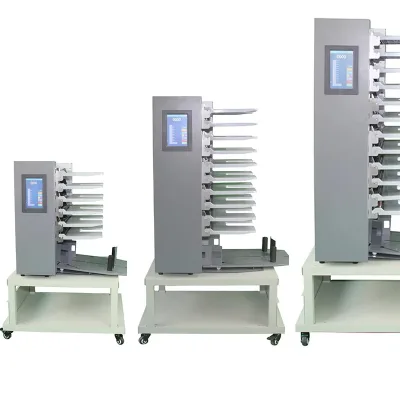
Yes, the number of stations can be customized to meet specific production needs. The machine also offers optional stitching fold units and can be configured for different working widths like 450mm or 700mm.