Source Book Vase for Centerpieces, Gifts, and Decor
Compare 30 Book Vase options including acrylic and ceramic styles with customizable shapes and finishes. Buyers can evaluate dimensions, patterns, and lead times from verified manufacturers to find the ideal decorative piece for table centerpieces or gifts.
Key considerations
Products List


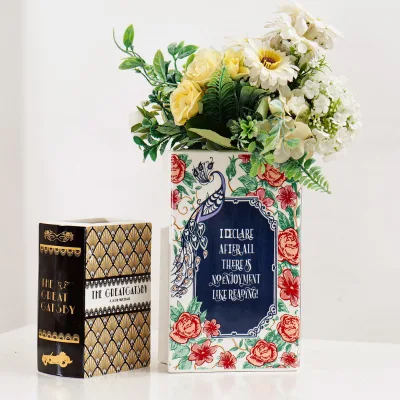

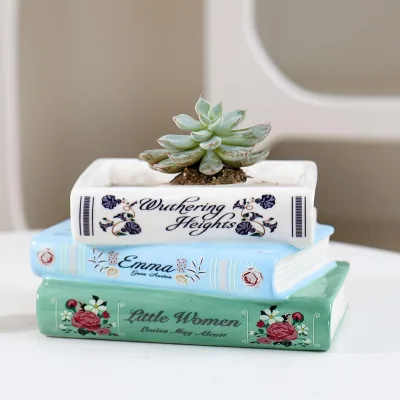
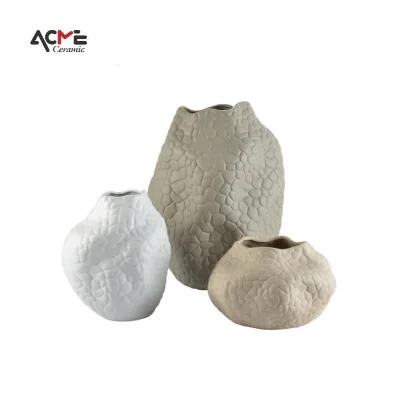
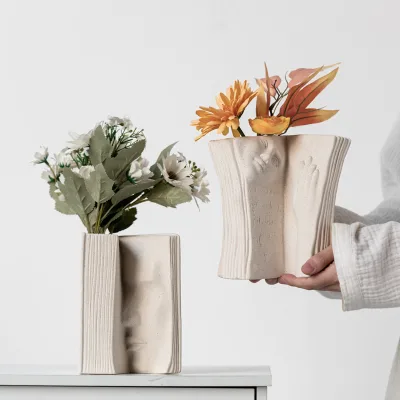


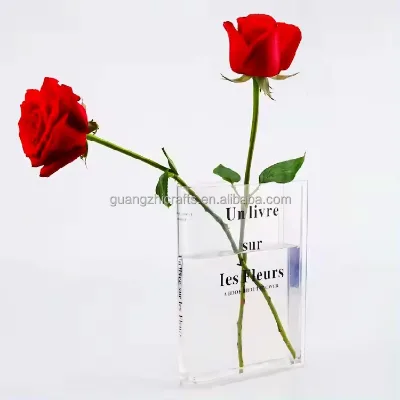


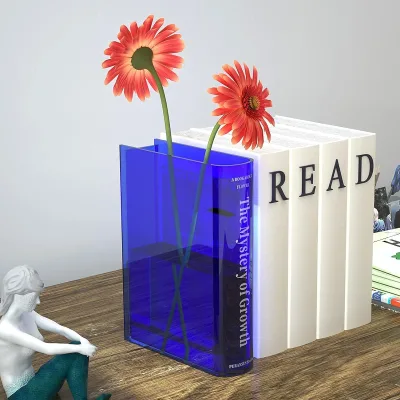
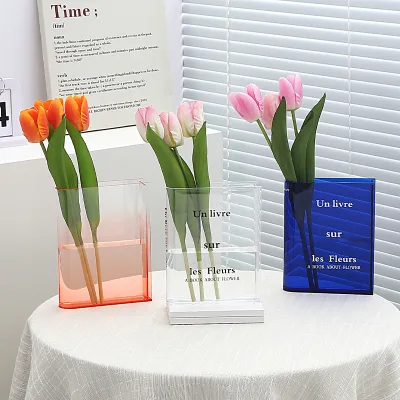

Round Ceramic Decorative Vase Custom Gift Flower Vase Modern Ceramic Vase
$1.00 - $3.00
MOQ: 3000 Pieces
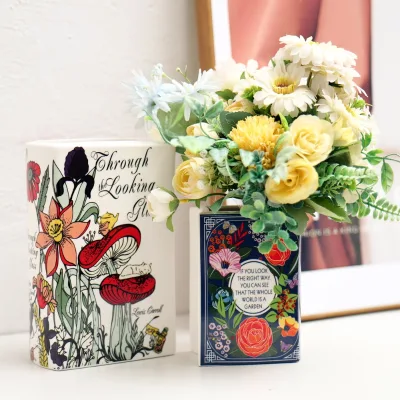


Comprehensive Sourcing Guide
Strategic Sourcing Guide for Book Vases in B2B Procurement
The global market for decorative home accessories has seen a surge in demand for items that blend functional utility with artistic design. Among these, the Book Vase has emerged as a distinct category, offering a unique aesthetic that mimics the form of a closed book while serving as a vessel for floral arrangements or standalone decorative display. For B2B procurement professionals, sourcing this specific product requires a nuanced understanding of material variations, dimensional specifications, and customization capabilities. This guide provides a comprehensive framework for evaluating suppliers and selecting the right Book Vase inventory, grounded in observed market data and technical realities.
Technical Specifications and Dimensional Variability
One of the primary challenges in sourcing book vases is the significant variance in physical dimensions across different product lines. Procurement teams must not assume a uniform size profile. Market observations indicate that book vases are manufactured in distinct size classes, ranging from compact desktop units to larger statement pieces. For instance, specific product models are documented with an opening diameter of 6 inches and a base diameter of 7 inches, with a total height of 10 inches. These dimensions suggest a product designed for substantial floral arrangements or as a centerpiece for large dining tables. Conversely, other models in the same category present a much smaller footprint, featuring an opening diameter of 4 inches, a base diameter of 3 inches, and a height of 6 inches. This smaller profile is better suited for entry-level gifts, office desk decor, or as part of a multi-vase collection.
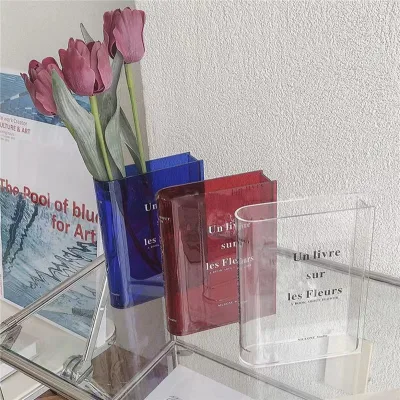
The shape of the product is equally critical to the sourcing strategy. While the core concept of a "book" implies a rectangular form, the market data reveals a divergence in execution. Some listings explicitly categorize the shape as "Square," aligning with the traditional book spine aesthetic. However, other entries list the shape as "Round," indicating a design interpretation where the book form is stylized or abstracted. Buyers must verify the geometric profile of the specific SKU they intend to purchase, as this directly impacts packaging efficiency and shelf display requirements. Furthermore, the finish of the product varies; some units are specified with a "Colored" finish, while others are noted as "White" or "Multicolor." The material composition also plays a pivotal role, with acrylic being a primary material identified in the supply chain, offering durability and transparency, while other variations may utilize ceramic or other composites.
Customization Capabilities and Branding Options
A defining characteristic of the modern Book Vase market is the high degree of customization available to buyers. Unlike off-the-shelf consumer goods, B2B procurement in this sector often involves tailored solutions. The supply chain data confirms that customization is not merely an option but a standard feature for many manufacturers. Buyers can request custom materials, allowing for the selection of specific acrylic grades or alternative composites to meet sustainability or durability goals. The customization extends to the physical form, with suppliers explicitly welcoming requests for custom shapes. This flexibility is essential for brands looking to differentiate their product lines or create proprietary designs that cannot be easily replicated by competitors.
Branding and labeling are also integral to the customization process. Suppliers offer services to provide custom labels and branded packaging, which is crucial for retailers and corporate gifting programs. The packaging itself can be tailored, with options ranging from standard gift boxes to custom-branded cartons. This level of service allows buyers to control the unboxing experience, a key factor in the perceived value of the product. Additionally, the production process supports custom molds, with some suppliers indicating a mold life capacity of up to 200,000 shots. This suggests that for high-volume orders, investing in a dedicated mold is a viable and cost-effective strategy. However, buyers must be aware that the creation of these custom molds involves a lead time of approximately 30 to 70 days, which must be factored into the overall project timeline.
Cost Drivers and Pricing Dynamics
Understanding the cost structure of book vases is essential for maintaining healthy profit margins. The observed price range in the market is broad, spanning from approximately $0.80 to $29.37 USD per unit. This wide variance is driven by several factors, including material quality, dimensional size, and the extent of customization. The lower end of the price spectrum typically corresponds to smaller, standard-sized units with minimal customization, such as the 6-inch height models with basic finishes. In contrast, the higher price points are associated with larger dimensions, complex color schemes, and extensive branding efforts.
The Minimum Order Quantity (MOQ) is another significant cost driver. Market data indicates an MOQ range from as low as 1 unit to as high as 3,000 units. This flexibility allows buyers to test the market with small batches or commit to large-scale production runs. However, the unit price often decreases as the order volume increases, a standard economies-of-scale principle. Buyers should also consider the costs associated with mold building. While the initial investment in a custom mold is high, the long-term unit cost savings for high-volume orders can be substantial. Additionally, the production time, typically ranging from 15 to 30 days after mold approval, impacts cash flow and inventory planning. Sample times, usually between 5 to 10 days, provide an opportunity to validate quality before committing to full production, but these must be accounted for in the lead time calculation.
Typical Applications and Usage Scenarios
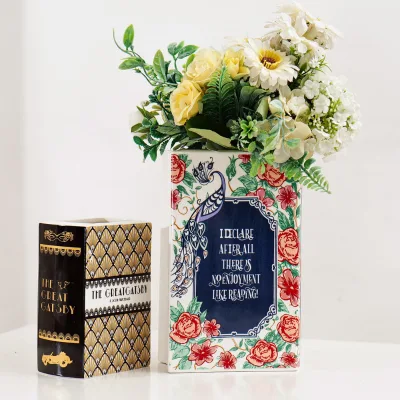
The versatility of book vases makes them suitable for a wide array of applications, which influences the specific product attributes buyers should prioritize. The primary usage scenarios identified include table centerpieces, gifts, decorative accents, and collections. For table centerpieces, the larger dimensions, such as the 10-inch height model with a 7-inch base, are ideal for creating a focal point in dining or event settings. The square shape and floral patterns often associated with these larger units enhance their suitability for formal or semi-formal decor.
In the gift market, the Book Vase serves as a unique and thoughtful present. The smaller, 6-inch models with multicolor finishes and creative styles are particularly well-suited for this purpose. Their compact size and aesthetic appeal make them easy to ship and present. Furthermore, the "Universal" suitability of these products allows them to be used in various settings, from residential homes to corporate lobbies and retail spaces. The "Creative" and "Fashion" styles noted in the market data suggest that these items are often used to add a touch of modernity and artistic flair to interior design schemes. For collectors, the availability of different models, such as those identified by specific codes like CV57 or ATH-V39, allows for the curation of diverse collections based on shape, color, and material.
Supplier Evaluation and Quality Assurance
Selecting the right supplier is a critical step in the procurement process. Buyers should verify that the manufacturer has the capability to produce the specific attributes required, such as the "Clear Book Vase" or "Creative Book Vases" design. The presence of a manufacturer status indicates that the supplier is likely a direct producer rather than a middleman, which can offer advantages in pricing and communication. However, buyers must rigorously evaluate the supplier's quality control processes. The data mentions specific product standards, such as packaging dimensions of 33x23x12 cm or 200mm150mm8mm, which serve as benchmarks for consistency.
Quality assurance should also extend to the mold integrity. With a reported mold life of 200,000 shots, suppliers should be able to demonstrate that their tooling is maintained to ensure consistent product quality throughout the production run. Buyers should request samples to verify the finish, color accuracy, and structural integrity of the vases. The "Safe Carton" and "Paper Box" packing options mentioned in the data highlight the importance of protective packaging to prevent damage during transit. Additionally, the origin of the products, typically China, should be verified for compliance with local and international trade regulations. While specific certifications are not explicitly listed in the provided data, buyers should request documentation regarding material safety and environmental compliance, especially if the products are intended for markets with strict regulatory requirements.
Long-Term Procurement Considerations
Sourcing book vases is not just a transactional activity but a strategic decision that impacts long-term brand positioning. The ability to customize shapes, materials, and branding allows buyers to build a unique product identity that can evolve with market trends. However, this requires a partnership with a supplier who is responsive and capable of scaling production. The lead times for mold building and production must be carefully managed to avoid stockouts, particularly during peak seasons.
Buyers should also consider the lifecycle of the product. The "Mold Life" specification suggests that the tooling is designed for longevity, but regular maintenance and quality checks are necessary to ensure that the products remain consistent over time. As the market for decorative items continues to grow, the demand for innovative designs and sustainable materials will likely increase. Suppliers who can adapt to these trends, such as offering eco-friendly acrylics or new color palettes, will be more valuable partners. Finally, the flexibility in MOQs allows buyers to manage inventory risk effectively, enabling them to test new designs with low-volume orders before committing to large-scale production. By focusing on these long-term factors, procurement professionals can build a resilient supply chain that supports business growth and customer satisfaction.
FAQs
What are the available dimensions for book vases?
Book vases come in distinct size classes, with some models featuring a 10-inch height and 7-inch base diameter. Other options include a smaller profile with a 6-inch height and 4-inch opening diameter. Buyers must verify the specific geometric profile as shapes vary between square and round designs.
Can I request custom shapes and materials for these vases?
Yes, suppliers explicitly welcome requests for custom shapes and offer available custom materials like acrylic. The production process supports custom molds with a capacity of up to 200,000 shots. This flexibility allows brands to create proprietary designs that differentiate them from competitors in the market.
How long does it take to produce custom book vases?
Production time typically ranges from 15 to 30 days after mold approval. If a custom mold is required, the building lead time is approximately 30 to 70 days. Sample times are usually between 5 to 10 days, which must be factored into the overall project timeline.
What is the price range for ordering book vases?
The observed price range spans from approximately 0.80 to 29.37 USD per unit. This variance is driven by material quality, dimensional size, and the extent of customization. Lower prices usually correspond to smaller standard units, while larger, complex designs command higher prices.
What are the minimum order quantities for book vases?
The minimum order quantity ranges from 1 unit to 3,000 units depending on the supplier and product. This flexibility allows buyers to test the market with small batches or commit to large-scale production runs. Unit prices often decrease as the order volume increases.
Which packaging options are available for book vases?
Packaging options include gift boxes, custom cartons, safe cartons, and paper boxes. Suppliers can provide custom labels and branded packaging to control the unboxing experience. Specific product standards define packing dimensions, such as 33x23x12 cm or 200mm by 150mm by 8mm.
Where are book vases typically manufactured?
The products are typically manufactured in China. Buyers should verify the origin for compliance with local and international trade regulations. The supply chain data confirms this location as the primary origin for the listed acrylic and ceramic Book Vase models.