Source Bracelets for Decoration, Gifts, and Promotion
Compare 30 Bracelet listings from China with varying materials like stainless steel and copper. Buyers can evaluate customization options, packaging, and shipping methods for informal or formal occasions.
Key considerations
Products List


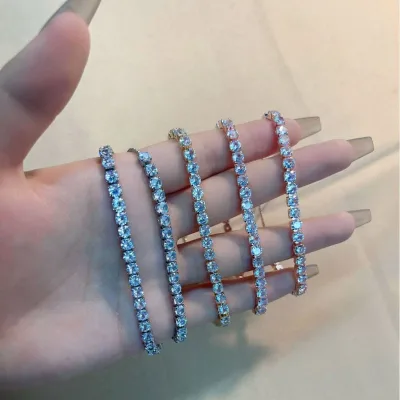
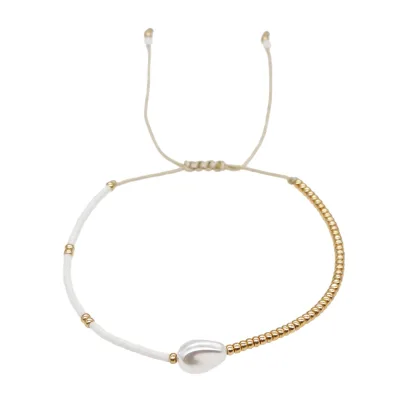
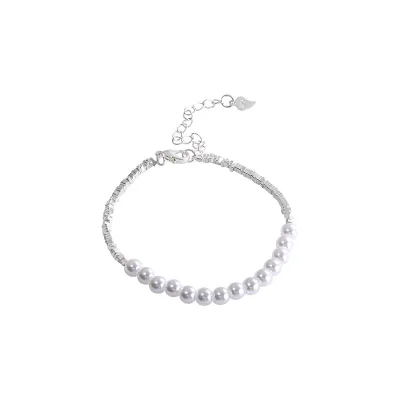
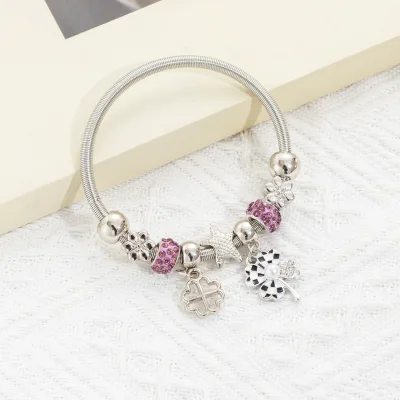
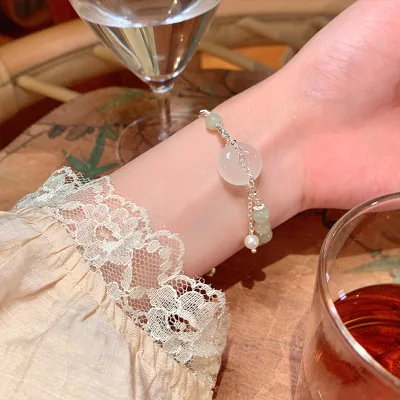
Magnetic Adjustable Copper Gold Chain Pearl String Friendship Hand Bracelet
$3.24 - $5.61
MOQ: 20 Pieces








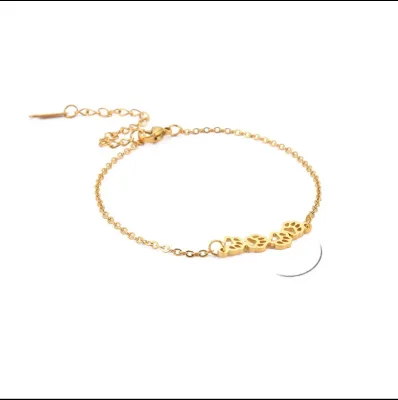
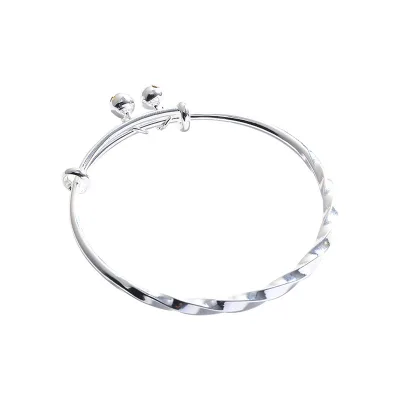
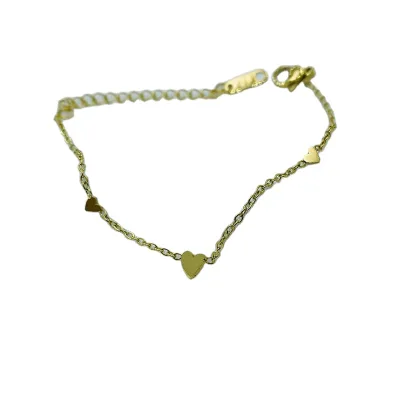
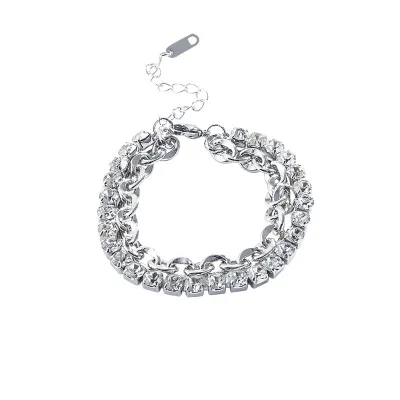

Comprehensive Sourcing Guide
Strategic Sourcing Guide for Bracelet Procurement
The global market for bracelets presents a complex landscape for B2B buyers, characterized by a wide variance in materials, design philosophies, and compliance requirements. Successful procurement in this category requires a disciplined approach that moves beyond simple price comparison to a rigorous evaluation of technical specifications, supply chain reliability, and regulatory adherence. The following guide outlines the critical factors buyers must assess when sourcing bracelets, drawing upon observed market data and standard industry practices to ensure a robust supply chain strategy.
Technical Specifications and Material Composition
The foundational element of any Bracelet procurement strategy is the precise definition of material composition and physical specifications. Market observations indicate a significant divergence in material choices, ranging from high-durability metals to cost-effective alloys. Stainless steel is frequently cited as a primary material, offering robust corrosion resistance and a modern aesthetic suitable for both male and female demographics. Conversely, copper and alloy-based bracelets are common in the market, often selected for their malleability and lower cost points, though they may require specific plating or coating to prevent oxidation.
Buyers must verify the exact material grade and finish specifications for each order. For instance, while some products are defined by a specific weight standard such as 20 grams, others may be characterized by a precise gram weight like 2.6 grams. These weight differences directly impact the perceived value and the cost of goods sold. Furthermore, dimensional standards vary significantly; some specifications list a combined length of 17cm plus 5cm, while others adhere to a fixed 18cm standard. The absence of a universal sizing standard necessitates that buyers explicitly confirm the "prod_standard" for every SKU to ensure compatibility with their target customer base.
The following table summarizes the observed material and specification variations in the current market:
| Attribute Category | Observed Variations | Procurement Consideration |
|---|---|---|
| Primary Material | Stainless Steel, Copper, Alloy | Verify corrosion resistance and hypoallergenic properties. |
| Weight Standard | 20g, 2.6g | Critical for pricing models and perceived quality. |
| Dimensional Standard | 17cm+5cm, 18cm | Must align with target demographic sizing (Male/Female). |
| Color Finish | Silver, Gold | Ensure plating thickness meets durability expectations. |
| Design Style | Simple, Natural, Unique 3D Design | Aligns with occasion requirements (Informal vs. Formal). |
Compliance, Certification, and Safety Standards
In the jewelry sector, regulatory compliance is not merely a formality but a prerequisite for market access, particularly in regions with strict chemical safety laws. Buyers must demand evidence of testing that confirms the product is free from harmful substances. Observed market data highlights "Nickel & Lead Free" testing as a critical attribute for many suppliers. This verification is essential to prevent skin irritation and to comply with international regulations regarding heavy metals in consumer goods.
Beyond basic material safety, suppliers often provide broader certification portfolios that indicate a commitment to quality management and social responsibility. Common certifications observed in the sector include BSCI (Business Social Compliance Initiative), SGS (Société Générale de Surveillance), BV (Bureau Veritas), and Intertek. These certifications serve as third-party validations of the supplier's manufacturing processes, social labor practices, and product quality. Additionally, specific product certifications such as CE (Conformité Européenne) and ISO9001 (Quality Management Systems) are frequently cited, indicating that the manufacturer adheres to international standards for product safety and operational consistency.
When evaluating a supplier, buyers should request current, valid certificates for the specific product line being ordered. It is important to note that while some suppliers may list certifications like CNAS (China National Accreditation Service for Conformity Assessment), the scope of these certifications must be verified to ensure they cover the specific manufacturing processes and materials in question. Relying on a supplier's general reputation without checking the specific certificate validity for the batch in question can lead to significant compliance risks.
Cost Drivers and Pricing Dynamics
The pricing structure for bracelets is influenced by a confluence of factors, including raw material costs, labor intensity, and the complexity of the design. The observed price range in the market spans from $0.03 to $16.50 USD, a variance that reflects the diversity from simple alloy pieces to intricate stainless steel designs. The primary cost driver is the material; stainless steel and copper generally command different price points compared to base alloys, and the thickness of plating (e.g., gold or silver finish) adds significant cost.
Design complexity also plays a pivotal role in pricing. Products featuring "Unique 3D Design" or custom molding processes often incur higher tooling and production costs compared to "Simple" or "Natural" style bracelets. Furthermore, the packaging method contributes to the final unit cost. Options range from simple OPP bags to more robust PVC bags or cartons, with custom packaging requirements adding to the overall expense.
Buyers should be aware that the Minimum Order Quantity (MOQ) is a critical lever in cost management. The market shows an MOQ range from 1 to 1000 units, with some suppliers setting a specific threshold of 20 pieces. While lower MOQs offer flexibility for testing the market, they often come with a higher unit price. Conversely, larger orders typically unlock volume discounts but require a commitment to inventory that may not suit all business models. The payment terms, which may include T/T, Bank Transfer, Western Union, or PayPal, also influence the financial dynamics of the transaction, with different terms often correlating with different risk profiles and pricing structures.
Typical Applications and Market Segmentation
Bracelets serve a wide array of applications, ranging from personal adornment to corporate gifting and promotional campaigns. The intended use case dictates the necessary durability, aesthetic, and price point of the product. For instance, bracelets designed for "Informal Occasions" often prioritize style and affordability, making them suitable for fashion retailers targeting younger demographics. In contrast, products intended for "Formal Occasions" may require higher-grade materials and more refined finishes to meet the expectations of luxury or professional markets.
The "Suitable for" attribute is another key segmentation factor. Products are explicitly categorized for "Male" or "Female" audiences, which influences design elements such as width, texture, and color. Additionally, the "Usage" category often includes "Decoration" and "Gift," indicating that these items are frequently purchased for non-wearable purposes, such as party favors or corporate giveaways. This dual-purpose nature means that suppliers must be capable of producing items that look good on a shelf as well as on a wrist.
The target customer base for wholesale buyers also varies. Suppliers often state that their products are "Suit to" Jewelry Wholesalers, Distributors, and those involved in "Jewelry Design/Handcraftdiy/Gift/Promotion." Understanding the specific needs of these downstream customers is essential for selecting the right supplier. For example, a distributor focusing on high-end jewelry may require the "Unique 3D Design" and "BSCI" certified products, while a promotional agency might prioritize the low-cost, high-volume options with simple packaging.
Supplier Evaluation and Operational Capabilities
Selecting the right supplier requires a thorough assessment of their operational capabilities, including customization services, production capacity, and logistics. A significant number of suppliers in this sector offer "OEM&ODM" services, with some explicitly stating "Warmly Welcome" or "Accept" custom design requests. This flexibility is crucial for buyers looking to differentiate their product lines or create private label goods. The ability to provide "Custom Design Manufacture" allows buyers to tailor products to specific market trends or brand identities.
However, customization comes with its own set of requirements, including clear communication of design specifications and potentially longer lead times. Buyers should verify the supplier's capacity to handle custom orders without compromising quality. The "Delivery Time" is another critical metric, with observed ranges indicating a lead time of "Within 20-35 days After Getting Deposit." This timeframe must be factored into the buyer's inventory planning and sales cycle.
Logistics capabilities are equally important. Suppliers typically offer shipping via major carriers such as DHL, FedEx, UPS, TNT, and EMS. The choice of shipping method affects both the cost and the speed of delivery. Buyers should evaluate the supplier's experience with international shipping and their ability to provide tracking and insurance for high-value shipments. Additionally, the "prod_packing" options, which may include cartons, OPP bags, or PVC bags, should be evaluated for their ability to protect the product during transit.
Quality Control and Long-Term Procurement Strategy
Maintaining consistent quality is the cornerstone of a successful long-term procurement relationship. Buyers must implement a robust quality control (QC) protocol that includes pre-production sample approval, in-process inspections, and pre-shipment inspections. Given the variability in materials like copper and alloy, visual inspection for plating consistency and structural integrity is vital. The "Testing" attribute, specifically the "Nickel & Lead Free" verification, should be confirmed for every batch, not just as a one-time certification.
Long-term procurement strategies should also focus on building a resilient supply chain. This involves diversifying suppliers to mitigate the risk of disruption and establishing clear communication channels for order management. Buyers should look for suppliers who demonstrate a commitment to continuous improvement, evidenced by their adherence to standards like ISO9001 and their willingness to adapt to changing market demands.
Furthermore, the "Main Business" of the supplier should align with the buyer's needs. Suppliers whose primary focus includes "Rings, Pendant, Cufflinks, Bracelet, Necklace, Ear" often have the necessary infrastructure and expertise to handle a broad range of jewelry products. This specialization ensures that the supplier has the specific tools and knowledge required for Bracelet manufacturing, from casting to polishing and packaging.
In conclusion, sourcing bracelets requires a meticulous approach that balances technical specifications, compliance requirements, and operational capabilities. By carefully evaluating material standards, verifying certifications, understanding cost drivers, and assessing supplier flexibility, buyers can build a supply chain that delivers high-quality products while maintaining profitability and market responsiveness. The dynamic nature of the Bracelet market demands that buyers remain vigilant and adaptable, ensuring that their procurement strategies evolve in tandem with industry trends and regulatory changes.
FAQs
What materials are used for these bracelets?
Bracelets are available in stainless steel, copper, and alloy. Stainless steel offers corrosion resistance, while copper and alloy provide cost-effective options with varying finishes like silver or gold.
Can I customize the design and packaging?
Yes, customization is available for design and packaging. Suppliers accept OEM and ODM requests, offering options like unique 3D designs and packing in cartons, PVC bags, or OPP bags as per customer requirements.
What certifications do the Bracelet suppliers hold?
Suppliers often hold certifications such as BSCI, SGS, BV, and Intertek. Additional product certifications may include CE, ISO9001, and CNAS, ensuring compliance with safety and quality management standards for the jewelry sector.
How long is the delivery time for orders?
Delivery typically takes within 20 to 35 days after receiving the deposit. This lead time applies to standard production cycles and may vary slightly depending on the specific order volume and customization complexity.
What is the minimum order quantity for bracelets?
The minimum order quantity ranges from 1 to 1000 units, with some specific listings requiring 20 pieces. Lower MOQs allow for market testing, while larger orders often secure better pricing and volume discounts.
Which payment methods are accepted by suppliers?
Accepted payment methods include T/T, Bank Transfer, Western Union, and PayPal. These options provide flexibility for international transactions, allowing buyers to choose the method that best fits their financial and security needs.
Are the bracelets suitable for formal occasions?
Yes, specific Bracelet models are designed for formal occasions, while others suit informal events. The selection depends on the style, such as natural or simple designs, and the intended usage like decoration or gifting.
What shipping methods are available for delivery?
Shipping is available via major carriers including DHL, FedEx, UPS, TNT, and EMS. Buyers can select the shipping method based on urgency and cost, ensuring secure transport of the jewelry products to their destination.