Source Braided Eco-Friendly Drawcord for Bags Garment Shoes
Find 30 listings for braided eco-friendly drawcord suitable for bags, garment, and shoes. Compare specifications including material, width, and customization options from verified suppliers.
Key considerations
Products List


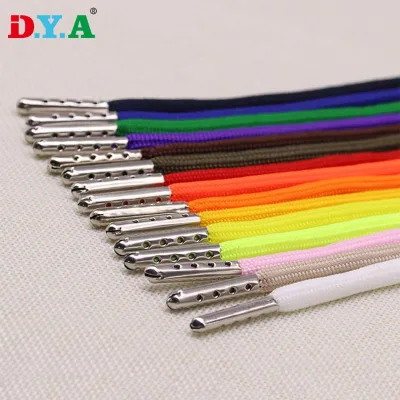
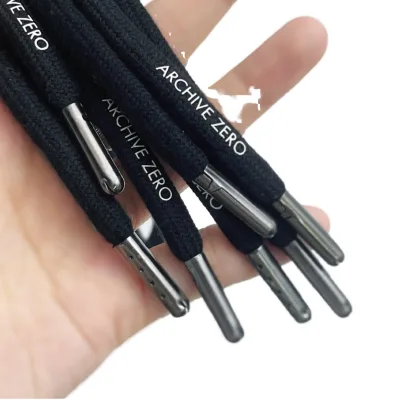
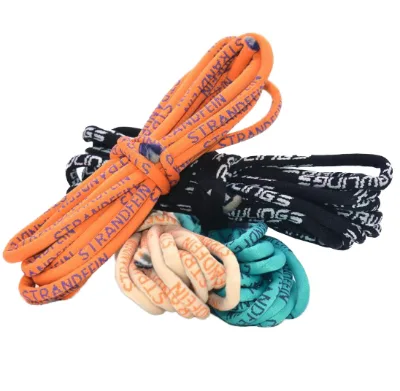
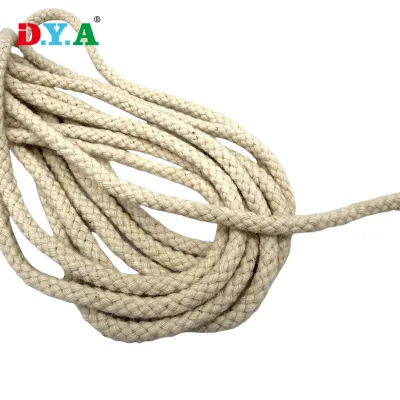
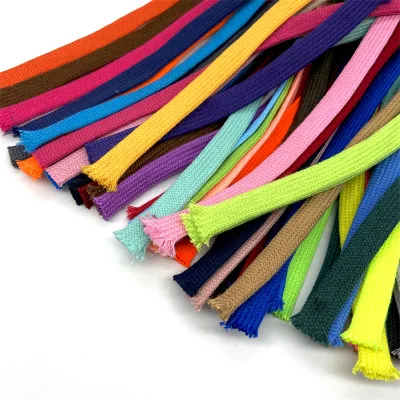
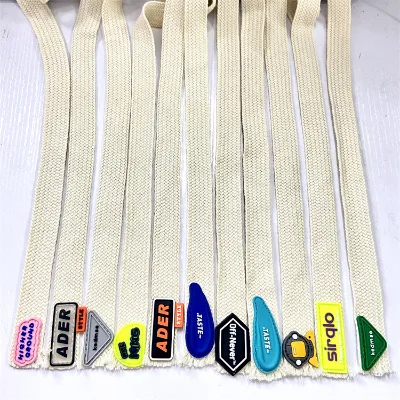
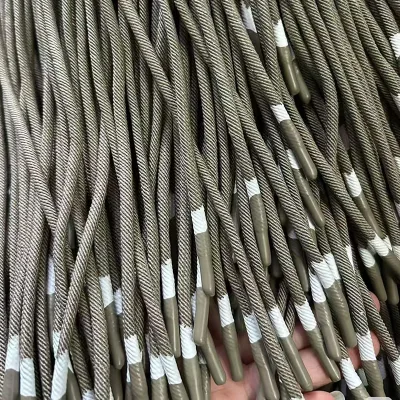
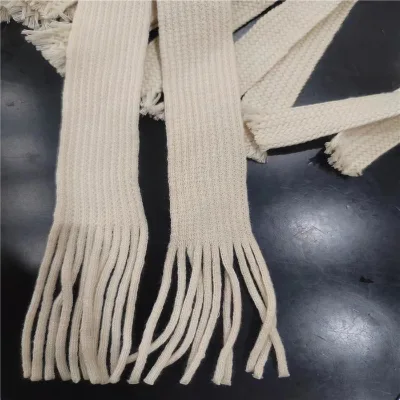


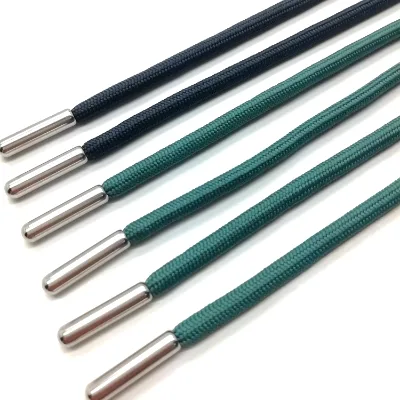
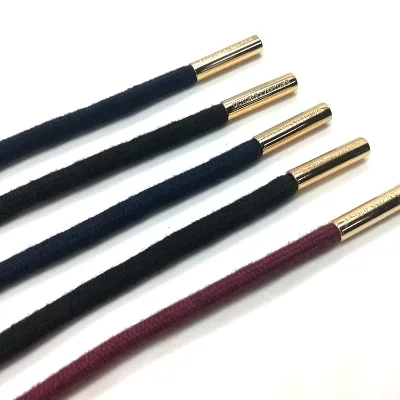
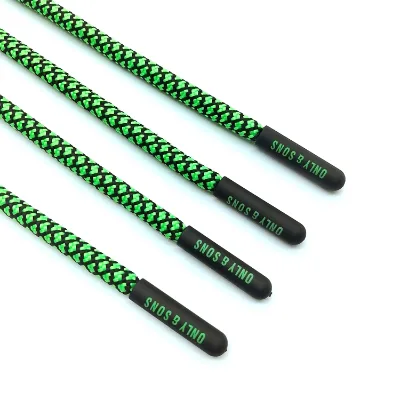
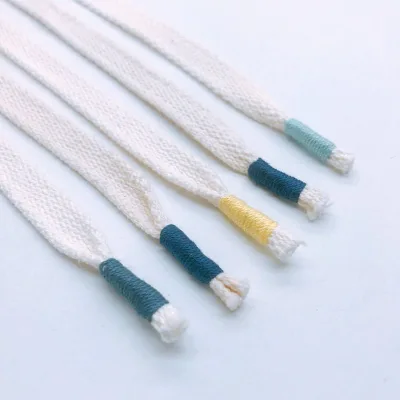
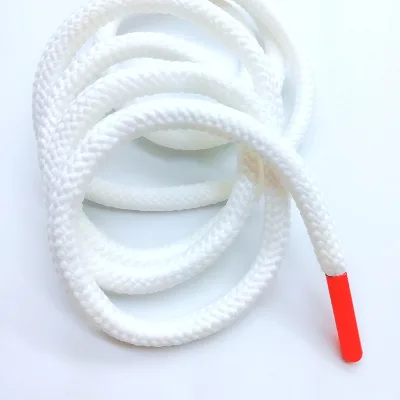


Colored Elastic Draw Cords Rope Stretch Round Cord Polyester Rubber Cord
$0.03 - $0.22
MOQ: 2000 Yards





Comprehensive Sourcing Guide
Strategic Sourcing Guide for Braided Eco-Friendly Drawcords
Understanding Product Specifications and Material Variability
When sourcing braided eco-friendly drawcords, the first critical step is defining the precise technical specifications required for your application. The market offers a diverse range of options, primarily distinguished by material composition and construction method. Based on current market observations, the core material options include 100% cotton and polyester. The 100% cotton variant is often associated with a natural, premium feel suitable for high-end garment applications, while polyester options provide enhanced durability and abrasion resistance. Both materials are frequently marketed with "Eco-Friendly" attributes, though the specific environmental claims depend heavily on the manufacturing process and dyeing techniques used by the supplier.
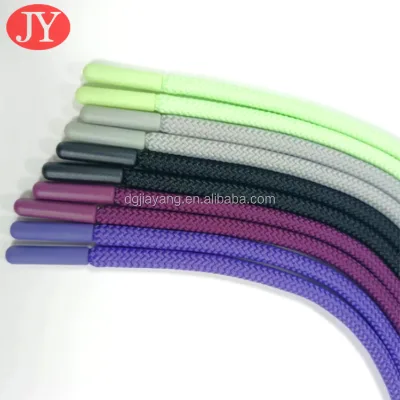
The construction of these cords is predominantly braided, a technique that ensures flexibility and a consistent round shape. The standard diameter observed in the market is 6mm, though suppliers frequently offer customization options to meet specific design requirements. Buyers should verify if the supplier can accommodate custom widths or thicknesses, as this is a common specification listed in product catalogs. The length of the cords also varies; standard offerings may include specific lengths like 135cm, but custom lengths are often available to reduce waste during the cutting process in your facility. The structure is generally round, but the braiding technique itself can be adjusted to alter the texture and tensile strength of the final product.
| Feature | Observation | Verification Requirement |
|---|---|---|
| Material | 100% Cotton or Polyester | Confirm fiber content percentage and source of raw materials. |
| Diameter | Standard 6mm | Verify if custom diameters are feasible for your specific hardware. |
| Construction | Braided | Request a physical sample to assess braid tightness and flexibility. |
| Shape | Round | Confirm cross-section consistency along the entire length. |
| Color | Colorful / Custom | Check color fastness and availability of specific Pantone matches. |
Compliance and Certification Verification
The term "Eco-Friendly" is a significant selling point but requires rigorous verification to ensure it aligns with your brand's sustainability goals. While product listings frequently highlight eco-friendly features, these claims are often general observations rather than certified guarantees. Buyers must look for concrete evidence of compliance rather than relying solely on marketing descriptors. The Global Organic Textile Standard (GOTS) is a recognized benchmark in the industry, though its specific application to every listed product cannot be assumed without direct confirmation from the supplier.
When evaluating a potential supplier, request documentation that substantiates their eco-friendly claims. This may include certificates for organic cotton sourcing, low-impact dyeing processes, or compliance with specific regional environmental regulations. It is crucial to distinguish between "eco-friendly" as a general attribute and specific certifications that validate the product's lifecycle impact. If your target market requires strict adherence to organic standards, you must explicitly ask the supplier if their cotton cords are GOTS certified or if they hold equivalent certifications from recognized bodies. Do not assume that a product labeled "Eco-Friendly" automatically meets the stringent criteria required for organic labeling in major markets like the EU or North America.
Furthermore, verify the chemical compliance of the cords, especially if they are intended for children's garments or products with skin contact. Ensure the supplier can provide test reports confirming the absence of harmful substances such as azo dyes, heavy metals, or formaldehyde. While specific test results are not universally listed in general product descriptions, a reputable supplier should be able to provide this data upon request. The absence of a specific certification in a product listing does not necessarily mean the product is non-compliant, but it does indicate a need for deeper due diligence before placing a large order.
Cost Drivers and Pricing Dynamics
Understanding the cost structure of braided drawcords is essential for accurate budgeting and negotiation. The observed price range in the market spans from approximately $0.03 to $1.85 per unit, a wide variance that reflects differences in material quality, customization complexity, and order volume. Several key factors drive these costs. The primary driver is the material; 100% cotton cords typically command a higher price point than polyester alternatives due to the cost of raw organic or conventional cotton and the processing involved.
Order volume is the second most significant cost determinant. Minimum Order Quantities (MOQs) generally range from 500 to 3000 pieces, with some suppliers setting a baseline of 1000 pieces or meters. Suppliers often offer tiered pricing, where the unit cost decreases as the order quantity increases. For buyers with lower volume needs, the unit price will be higher, and the MOQ may need to be negotiated or met through a consolidated order. Customization also adds to the cost. Requests for specific widths, custom lengths, unique braiding patterns, or specialized colors will incur additional setup fees and higher per-unit costs compared to standard off-the-shelf products.
Packaging requirements represent another variable cost. Standard packing often involves 100 pieces per bundle or loose packing, but custom packaging solutions, such as specific carton configurations or branded labeling, will increase the overall price. Additionally, the lead time can influence cost; expedited production or rush orders may carry a premium. Buyers should factor in the cost of samples, which are often available for free, but the shipping costs for these samples may apply. Understanding these variables allows for more effective negotiation and helps in selecting a supplier that offers the best value proposition for your specific volume and customization needs.
Typical Applications and Usage Scenarios
Braided eco-friendly drawcords are versatile components used across a wide array of industries. The primary applications include bags, garments, home textiles, and footwear. In the garment sector, these cords are commonly used for hoodies, sweatshirts, and athletic wear, where the braided texture provides both aesthetic appeal and functional durability. The "Eco-Friendly" attribute makes them particularly suitable for brands targeting environmentally conscious consumers who prioritize sustainable materials in their supply chain.
Beyond apparel, these cords are extensively used in the bag and packaging industry. They serve as functional closures for tote bags, backpacks, and drawstring bags, as well as decorative elements on gift packaging. The versatility of the product allows for use in various styles, from simple, utilitarian designs to more complex, colorful applications. In the home textile sector, drawcords are utilized for items such as pillowcases, storage bags, and curtain ties. The durability of polyester variants makes them ideal for high-wear applications, while cotton cords are preferred for softer, more tactile products.
The application also extends to accessories like hats and gloves, where the cord serves as a functional drawstring or a decorative accent. The ability to customize the color and width allows designers to integrate these cords seamlessly into their product lines. For example, a colorful, braided cord can add a pop of contrast to a neutral garment, while a matching cord can provide a subtle, cohesive look. When selecting a cord for a specific application, consider the end-use environment. For outdoor gear or items requiring frequent washing, the abrasion resistance of polyester may be a critical factor. For luxury or baby products, the softness and natural feel of cotton might be the deciding factor.
Supplier Evaluation and Selection Criteria
Selecting the right supplier is a critical component of the sourcing process. A robust evaluation framework should go beyond price and focus on reliability, communication, and capability. One of the first indicators of a supplier's professionalism is their responsiveness to sample requests. Many suppliers offer free stock samples, which is an excellent opportunity to assess the physical quality of the product before committing to a larger order. The sample lead time, often cited as 7 days, provides a benchmark for their operational efficiency.
When evaluating suppliers, verify their production capacity and flexibility. Look for suppliers who explicitly state that customization is available for width, length, and packing. The ability to customize is a strong indicator of a supplier's willingness to adapt to specific buyer needs. Additionally, check the supplier's location; many drawcord manufacturers are based in China, with specific hubs in regions like Jiangsu. While location is not a direct quality indicator, it can influence lead times and shipping costs.
Communication is another vital factor. A reliable supplier should be transparent about their MOQs, lead times, and production capabilities. They should be willing to provide detailed information about their materials and processes. Be wary of suppliers who are vague about their eco-friendly claims or who cannot provide clear answers regarding their sourcing practices. A supplier that proactively discusses quality control measures and offers test reports demonstrates a commitment to product integrity. Finally, consider the supplier's track record. While specific brand names should not be relied upon as a sole metric, looking for suppliers with a history of serving similar industries can provide confidence in their ability to deliver consistent quality.
Quality Control and Long-Term Procurement Strategy
Implementing a robust quality control (QC) strategy is essential to ensure that the braided drawcords meet your specifications and performance expectations. Since product attributes are observations and not guaranteed claims for every listed item, buyers must establish clear acceptance criteria. This includes verifying the diameter, tensile strength, color fastness, and overall finish of the cords. Physical inspection of samples is the first line of defense, followed by random sampling during production and pre-shipment inspections for large orders.
For long-term procurement, building a strategic partnership with your supplier is more beneficial than a transactional relationship. This involves clear communication of your quality standards and sustainability goals from the outset. Establishing a consistent ordering schedule can help stabilize production and potentially secure better pricing. It is also important to maintain open lines of communication regarding any changes in your product designs or market requirements. A supplier who understands your long-term vision can provide valuable insights and innovations that enhance your product line.
In terms of risk management, diversify your supplier base if possible to mitigate the risk of supply chain disruptions. While a single supplier may offer the best price, relying on one source can be risky if they face production delays or quality issues. Ensure that your contracts clearly define quality standards, delivery timelines, and remedies for non-compliance. Regular audits or reviews of the supplier's performance can help identify potential issues early and foster continuous improvement. By focusing on quality, communication, and strategic planning, buyers can secure a reliable supply of high-quality, eco-friendly braided drawcords that meet their specific needs and support their brand's sustainability objectives.
FAQs
What materials are used for braided eco-friendly drawcords?
The primary materials are 100% cotton and polyester. Cotton offers a natural feel for garments, while polyester provides abrasion resistance for bags and shoes. Both materials are frequently marketed with eco-friendly attributes depending on the manufacturing process.
How can I customize the width of the drawcord?
Suppliers offer standard 6mm widths with options to customize the width. You can request specific dimensions to match your hardware or design needs. This customization is available for both cotton and polyester variants to ensure a precise fit.
What is the minimum order quantity for these cords?
The minimum order quantity typically ranges from 500 to 3000 pieces depending on the supplier. Some listings specify 1000 pieces or meters as a baseline. Buyers should verify the specific MOQ for their chosen material and customization level.
Can I get free samples before placing a large order?
Yes, stock samples are often available for free. However, shipping costs for these samples may apply. The sample lead time is usually around 7 days, allowing you to assess quality before committing to a larger purchase.
Which certifications verify the eco-friendly claims?
While products are labeled eco-friendly, specific certifications like GOTS are not guaranteed for every listing. Buyers must request documentation to substantiate claims regarding organic sourcing or low-impact dyeing processes before relying on them for compliance.
What is the typical price range for these drawcords?
The observed price range spans from 0.03 to 1.85 USD per unit. Costs vary based on material type, customization complexity, and order volume. Higher volumes generally reduce the unit price, while custom specifications may increase it.
Where are these drawcords typically manufactured?
Most products originate from China, with specific manufacturing hubs in regions like Jiangsu. The location influences lead times and shipping costs. Buyers should confirm the specific place of origin to manage logistics effectively.