Source Bra Display Rack for Supermarkets, Shops, and Exhibitions
Compare 30 Bra Display Rack options from verified Chinese manufacturers. These units feature metal construction, customizable dimensions, and OEM services for retail and exhibition use.
Key considerations
Products List


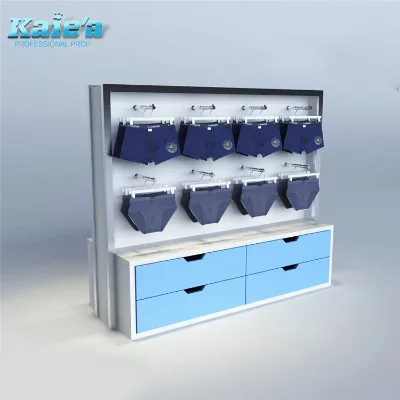
Man Underwear Display Rack/underwear Man Brand/display Rack for Man Underwear
$122.06 - $508.56
MOQ: 10 Minimum


Swimwear Hangers Bikini Underwear Bra Display Rack Swim Suit Metal Hanger
$1.87 - $2.24
MOQ: 100 pieces

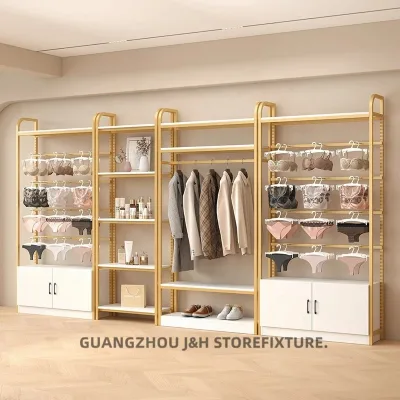
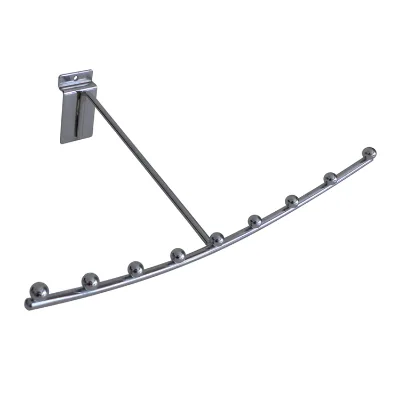


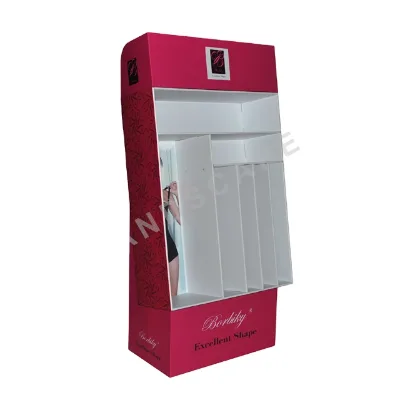
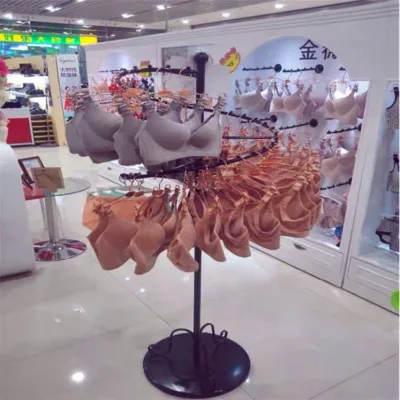
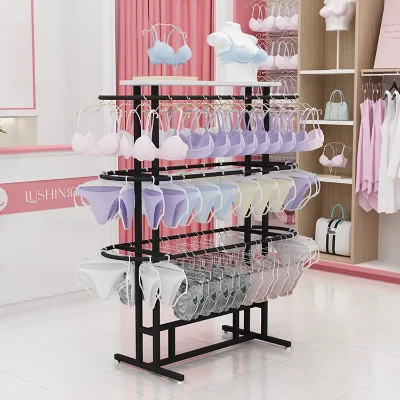
3 Tiers Round Double Sided Underwear and Bra Display Rack Stand With 6 Colors
$30.00 - $31.00
MOQ: 100 pieces


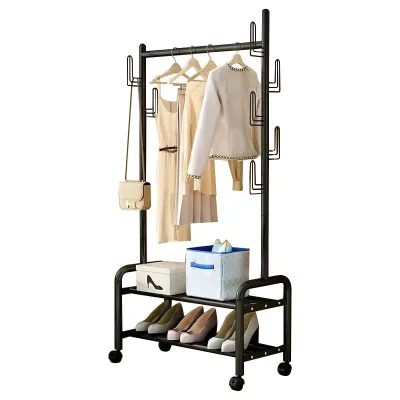
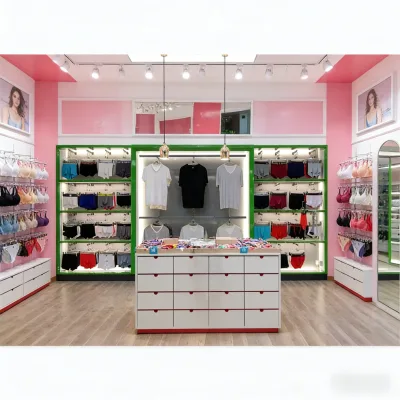




Comprehensive Sourcing Guide
Strategic Sourcing Guide for Bra Display Racks
Understanding Product Specifications and Material Variations
When sourcing bra display racks, buyers must first navigate a complex landscape of material compositions and physical dimensions. The market offers a diverse array of configurations, ranging from rigid metal structures to mixed-material solutions. Based on observed product attributes, the primary material categories include metal, stainless steel, MDF (Medium Density Fiberboard), and plastic. The choice of material significantly dictates the rack's durability, aesthetic finish, and suitability for specific retail environments. For instance, metal and stainless steel options are frequently cited for their robustness in high-traffic areas like supermarkets and specialty stores, while MDF and plastic variants may be selected for cost-effective, lightweight applications in smaller boutiques.
Physical dimensions are equally critical, as the footprint of the display unit must align with the available floor space of the retail location. Observed specifications indicate that standard units often feature a height of 1750mm and a width of 700mm, though customized sizing is a prevalent option. Some models are designed with specific structural features, such as a "Tree" shape or units equipped with four arms to maximize the display of merchandise. The installation method is another key specification; many units are designed for floor mounting, ensuring stability without the need for wall attachment. Buyers should verify the exact size requirements, as some suppliers offer "Regular" sizes while others provide fully customized dimensions to fit unique store layouts.
| Attribute Category | Common Observation | Verification Requirement |
|---|---|---|
| Material | Metal, Stainless Steel, MDF, Plastic | Confirm material grade and finish quality (e.g., Chrome-Spray Painting). |
| Dimensions | H: 1750mm, W: 700mm (Standard) | Verify if custom sizes are available and the tolerance for deviations. |
| Structure | 4 Arms, Tree Shape, Floor Mounted | Assess structural integrity and load-bearing capacity for specific bra types. |
| Mobility | 5 Casters (on some models) | Determine if casters are locking or if the unit requires fixed installation. |
Compliance, Certification, and Safety Standards
In the B2B procurement of retail fixtures, compliance with international safety and quality standards is non-negotiable. Buyers must rigorously evaluate the certification status of potential suppliers to ensure that the products meet the regulatory requirements of their target markets. Observed data indicates that reputable manufacturers often provide certifications such as SGS and ISO9001-2000. These certifications serve as evidence that the supplier adheres to established quality management systems and that the products have undergone specific testing protocols.
However, buyers should not assume that every listed product automatically possesses these certifications. It is essential to request current, valid certificates for each batch of goods ordered. The presence of an SGS report, for example, typically implies that the product has been tested for structural stability and material safety. Similarly, ISO9001-2000 certification suggests a consistent manufacturing process. While some background information mentions FSC (Forest Stewardship Council), this is often associated with wood products; if a buyer is sourcing MDF or wood-based display racks, verifying FSC status becomes a priority for sustainability compliance. For metal and plastic units, the focus should remain on SGS and ISO standards.
Furthermore, the "Antitheft" attribute is a crucial consideration for high-value inventory like lingerie. Some display racks are designed with anti-theft features, while others, such as those explicitly marked as "Not Antitheft," rely on store security measures. Buyers must clearly distinguish between these categories to prevent inventory shrinkage. If theft prevention is a priority, the procurement team must specifically seek out models with integrated locking mechanisms or anti-theft design elements, rather than assuming standard racks offer this protection.
Cost Drivers and Pricing Dynamics
The pricing of bra display racks is influenced by a confluence of factors, including material costs, customization levels, and order volume. The observed price range in the market is extensive, spanning from approximately $0.81 to $508.56 per unit. This wide variance is not indicative of a single product type but rather reflects the diversity in materials, complexity of design, and production scale. A basic plastic or simple metal rack will naturally fall at the lower end of this spectrum, whereas a custom-designed, stainless steel unit with specialized finishes and anti-theft features will command a premium price.
Material composition is a primary cost driver. Stainless steel and high-grade metals are more expensive than standard steel, MDF, or plastic. Additionally, the finish plays a significant role; options like "Chrome-Spray Painting" or custom color matching add to the production cost. Customization is another major factor. While many suppliers offer OEM (Original Equipment Manufacturer) and ODM (Original Design Manufacturer) services, allowing for brand-specific logos and unique designs, these services incur additional engineering and tooling costs.
Order volume also impacts the unit price. The Minimum Order Quantity (MOQ) varies significantly across suppliers, with observed ranges from 1 unit up to 1000 units. Some suppliers set an MOQ of 10 sets or 10 pieces, while others may require larger commitments. Buyers should negotiate based on their projected annual demand. It is important to note that while a low MOQ offers flexibility, it may result in a higher per-unit cost due to the lack of economies of scale. Conversely, bulk orders often unlock volume discounts, bringing the cost closer to the lower end of the observed price range.
Typical Applications and Usage Environments
Bra display racks are versatile fixtures designed to serve a variety of retail environments, each with distinct requirements for aesthetics and functionality. The primary usage categories observed include exhibition shows, specialty stores, supermarkets, and general retail shops. In a supermarket setting, the display rack must be durable, easy to clean, and capable of withstanding high foot traffic. Metal and stainless steel options are particularly suitable here due to their resistance to wear and tear.
For specialty stores and shopping malls, the aesthetic appeal of the rack is paramount. These environments often favor "Fashion & modern" styles that complement the brand identity. Features such as the "Tree" shape or specific arm configurations can enhance the visual presentation of the merchandise, making the products more attractive to customers. The "Place of using" for these units is often specified as shopping malls, clothes shops, and hotel display areas. In hotel settings, the racks may serve a dual purpose of display and storage, requiring a balance between functionality and interior design compatibility.
The installation method also dictates the application. Floor-mounted units are ideal for permanent displays in larger retail spaces, providing stability and a commanding presence. In contrast, units with casters offer mobility, allowing retailers to rearrange their floor plans easily for seasonal promotions or inventory management. Buyers should align the rack's application with their specific store layout and operational needs. For instance, a temporary exhibition booth might require a lightweight, portable unit, whereas a permanent flagship store would benefit from a heavy-duty, custom-finished metal rack.
Supplier Evaluation and Service Capabilities
Selecting the right supplier is as critical as selecting the product itself. Buyers should evaluate potential partners based on their service capabilities, experience, and logistical reliability. A key indicator of supplier maturity is their experience level; some manufacturers boast over 14 years of industry experience, suggesting a deep understanding of market trends and manufacturing challenges. This experience often translates to better problem-solving capabilities and more reliable production timelines.
Service offerings such as OEM and ODM are standard in this sector, but the depth of these services varies. Suppliers offering "Design and Drawing Artwork" services provide significant value to buyers looking to create a unique brand identity. This capability allows for the customization of the rack's shape, color, and branding elements. Buyers should verify the supplier's ability to handle custom orders, including the provision of design proofs and the accuracy of the final product against the artwork.
Logistical factors are equally important. The port of dispatch is a critical detail; suppliers may ship from ports like Shenzhen or Huangpu, which are major shipping hubs in China. The lead time for production and delivery is another vital metric. Observed lead times range from 10 to 20 days, but this can vary based on order complexity and customization. Buyers must confirm the delivery schedule to ensure it aligns with their inventory planning. Additionally, packaging details are essential for protecting the product during transit. Standard packaging often includes export wood boxes for wooden and glass components, and international export carton boxes for metal and stainless steel items. Some suppliers also utilize bubble bags and foam pads for added protection.
Quality Control and Long-Term Procurement Strategy
Implementing a robust quality control (QC) strategy is essential to mitigate risks associated with bulk procurement. Buyers should establish clear acceptance criteria based on the product specifications, including material thickness, finish quality, and structural stability. Regular inspections, either through third-party agencies or internal teams, should be conducted at critical stages of production, such as after raw material sourcing, during assembly, and before final packaging. The presence of certifications like SGS and ISO9001-2000 is a good starting point, but ongoing verification is necessary to ensure consistency.
Long-term procurement considerations involve building a sustainable relationship with suppliers. This includes negotiating favorable terms for repeat orders, such as reduced lead times or volume-based pricing. Buyers should also consider the supply chain resilience of their suppliers. For example, a supplier with a supply ability of 5000 pieces per month is better positioned to handle large orders or sudden demand spikes than one with limited capacity.
Packaging and shipping logistics also play a role in long-term success. Ensuring that the packaging is robust enough to prevent damage during transit reduces the risk of returns and replacements. The "Standard Carton Packing" or "Export Wood Box" options should be selected based on the fragility of the product and the shipping distance. Finally, buyers should maintain open communication channels with suppliers to address any issues promptly and to stay informed about new product developments or material innovations that could benefit their retail operations. By focusing on these strategic elements, buyers can secure a reliable supply of high-quality bra display racks that enhance their retail presentation and operational efficiency.
FAQs
What materials are used for bra display racks?
Bra display racks are commonly constructed from metal, stainless steel, MDF, or plastic. The choice depends on durability needs and budget, with metal and stainless steel preferred for high-traffic stores and plastic or MDF for cost-effective solutions.
Can I customize the size of the display rack?
Yes, customization is available for dimensions, with standard sizes like 1750mm height and 700mm width. Buyers can request specific dimensions to fit unique store layouts, though custom orders may involve additional design and production time.
Which certifications do these racks typically hold?
Reputable models often carry SGS and ISO9001-2000 certifications to ensure quality and safety standards. Buyers should verify these certificates for each batch, as they confirm structural stability and adherence to international manufacturing protocols.
How long is the delivery time for orders?
Standard delivery times range from 10 to 20 days depending on order complexity and customization. Suppliers in Guangdong or Fujian typically dispatch from ports like Shenzhen or Huangpu, with lead times varying based on current production capacity.
What is the minimum order quantity for these racks?
Minimum order quantities vary, with some suppliers requiring as few as 10 pieces or 10 sets. Other vendors may set higher thresholds up to 1000 units, so buyers should confirm specific MOQs before placing bulk orders.
Are anti-theft features included in the design?
Not all models include anti-theft features, as some are explicitly marked as not antitheft. Buyers seeking theft prevention must specifically request racks with integrated locking mechanisms rather than assuming standard units offer this protection.
Can suppliers provide OEM and ODM services?
Yes, many manufacturers offer OEM and ODM services including design and artwork creation. This allows buyers to customize the rack's shape, color, and branding, though such services may incur additional engineering costs and affect lead times.