Source Brake PP Caster Wheel for Hand Cart, Garden Cart, Machinery
Compare 30 Brake PP Caster Wheel options with varying load capacities, bearing types, and customization features. Buyers can evaluate specifications for hand carts, garden carts, and machinery applications directly from verified suppliers in China.
Key considerations
Products List


2 Inch PP Caster Threaded Stem Caster Wheel with Brake Screw Instrallation
$0.60 - $0.80
MOQ: 1000 Pieces


3"/4"/5"/6"/8" PP Caster Wheel with Top Plate&Swivel&Brake in White Color
$1.00 - $3.50
MOQ: 500 Pieces


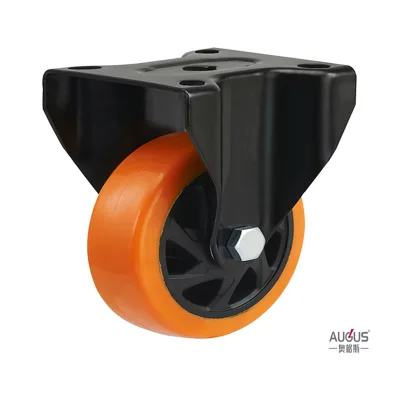

Trolley Red PU Castors Wheel Swivel Industry Brake PVC PU Caster Wheels
$1.00 - $10.00
MOQ: 100 Pieces

Comprehensive Sourcing Guide
Brake PP Caster Wheel Sourcing Guide
Selecting the right industrial caster requires balancing load capacity, mobility, and braking precision. Polypropylene (PP) treads offer a cost-effective, corrosion-resistant solution for light to medium-duty applications, while integrated braking mechanisms ensure safety in stationary positions. This guide outlines the critical verification steps for sourcing these components, focusing on technical alignment, compliance, and supplier reliability.
Buyers must distinguish between rigid and swivel configurations, as well as single and dual brake options. The decision hinges on the specific maneuverability needs of the end-use environment, whether it be a warehouse, garden cart, or machinery platform. Understanding these mechanical differences is the first step in defining a precise procurement specification that prevents costly mismatches between the caster and its intended application.
Product Scope and Observed Listing Signals
The market for PP caster wheels spans a wide range of specifications, with observed listing prices ranging from $0.01 to $50 USD and minimum order quantities (MOQs) typically between 100 and 5,000 units. These variations reflect differences in wheel diameter, bearing type, and braking complexity. Buyers should recognize that lower price points often correlate with basic rigid designs or plain bearings, while higher tiers may include ball bearings, dual brakes, or specialized surface treatments like zinc plating.
Observed product attributes indicate a strong emphasis on customization, with suppliers offering options for color, logo, and brake painting. Common wheel materials include polypropylene treads paired with steel or plastic hubs, and standard sizes range from 3 to 8 inches. Load capacities vary significantly, with some models supporting up to 150 kg per caster, while others are rated for lighter duties around 50 kg. These signals help buyers narrow down the vast catalog of available products to those that meet their specific weight and dimensional requirements.
Technical Specifications to Verify
Verifying the bearing type is crucial for determining the caster’s rolling resistance and lifespan. Options observed in the market include plain bearings and ball bearings, with the latter generally offering smoother rotation and higher load-bearing capabilities under dynamic conditions. Buyers should confirm the bearing material and lubrication status, as these factors directly impact maintenance intervals and operational efficiency, especially in environments with dust or moisture.
The braking mechanism requires careful evaluation to ensure it meets safety standards for the intended use. Available styles include rigid, swivel, swivel with rigid, and dual brake configurations. Dual brakes, which lock both the wheel rotation and the swivel plate, are essential for heavy machinery or inclined surfaces. Additionally, stem and plate dimensions must be verified against existing equipment; common stem sizes include M12x30, while plate sizes vary to accommodate different mounting holes.
Surface treatment and material composition also play vital roles in durability. Zinc-plated components provide corrosion resistance, making them suitable for humid or outdoor environments. The tread material, typically polypropylene, offers good chemical resistance and quiet operation on hard floors. Buyers should also check the wheel width, which ranges from 25 mm to 50 mm, as wider treads distribute load more effectively and reduce floor marking.
Compliance and Safety Documentation
Compliance with international standards is a key requirement for many industrial buyers. Products often carry certifications such as RoHS, CE, and ISO 9001:2015, indicating adherence to environmental, safety, and quality management standards. Buyers should request valid certification documents from suppliers to verify that the manufacturing processes and materials meet these regulatory requirements, particularly for exports to Europe or other regulated markets.
Safety documentation should include detailed load capacity ratings and testing reports. While specific test results are not always listed, buyers should inquire about the methodology used to determine load limits, such as static versus dynamic load testing. Ensuring that the caster’s load capacity exceeds the actual operational load by a safety margin is critical to prevent premature failure or accidents. Additionally, warranty terms, often cited as one year, provide a layer of protection against manufacturing defects.
Cost Drivers and Commercial Terms
Several factors influence the final cost of PP caster wheels, including material costs, bearing type, and braking complexity. Zinc plating and custom colors or logos add to the production cost, while bulk orders can reduce per-unit prices. Buyers should negotiate based on volume, keeping in mind that MOQs can range from 100 to 5,000 units, and consider the total cost of ownership, including maintenance and replacement frequency.
Packaging and shipping terms also impact the overall procurement cost. Products are typically packed in export cartons, with some suppliers offering wooden packaging for heavier or more fragile items. Buyers should clarify whether packaging costs are included in the quoted price and verify the dimensions and weight of the packed units to calculate accurate shipping costs. Additionally, payment terms and lead times should be agreed upon upfront to avoid delays in production and delivery.
Supplier Qualification and Quality Control
Supplier qualification involves verifying their manufacturing capabilities and quality control processes. Buyers should look for suppliers who offer OEM and ODM services, indicating flexibility in meeting custom requirements. It is also important to confirm the supplier’s location, with many manufacturers based in Guangdong or Zhongshan, China, regions known for their industrial casting and wheel production expertise.
Quality control measures should include regular inspections of raw materials, production processes, and finished products. Buyers should request samples to test the caster’s performance, including braking efficiency, rolling smoothness, and load capacity. Additionally, establishing a clear communication channel for addressing quality issues and requesting replacements or refunds is essential for maintaining a reliable supply chain.
Long-Term Procurement Checks
Long-term procurement success depends on consistent quality and supplier reliability. Buyers should conduct periodic audits or request updated certification documents to ensure ongoing compliance with standards. Monitoring supplier performance through metrics such as on-time delivery, defect rates, and responsiveness to issues helps identify potential risks early and allows for proactive management of the supply chain.
As technology and materials evolve, buyers should stay informed about new developments in caster design and manufacturing. This includes exploring options for enhanced durability, such as improved tread compounds or advanced bearing technologies. Regularly reviewing and updating procurement specifications ensures that the sourced casters continue to meet the evolving needs of the end-use application, maintaining safety and efficiency over the long term.
FAQs
What customization options are available for brake pp caster wheels?
Customization is available for color, logo, and brake black painting. Buyers can request specific tread colors and branding while maintaining the standard plastic wheel material and zinc-plated surface treatment for durability.
Which certifications do these industrial caster wheels hold?
The products hold RoHS, CE, and ISO 9001-2015 certifications. These standards ensure compliance with safety and quality requirements for machinery applications used in hand carts and garden carts across various regions.
How does the load capacity vary for different models?
Load capacity ranges from 50 kg to 180 kg depending on the specific model selected. Some variants support 105 kg to 150 kg, allowing selection based on the intended weight requirements for the cart application.
Can I find brake pp caster wheels with ball bearings?
Yes, ball bearing options are available alongside plain bearing types. This choice affects the rolling resistance and smoothness, with some models offering dual brake functions and rigid or swivel styles for specific machinery needs.
What packaging methods are used for export shipping?
Export carton packing is standard, with wooden packages available upon request. Each unit is typically packed in OPP bags within cartons, ensuring protection during transit for industrial duty series products originating from Guangdong or Zhongshan.
Which wheel sizes are offered for the 05 series?
Sizes include 3, 4, 5, 6, and 8 inches with corresponding heights ranging from 96 mm to 235 mm. Tread widths vary from 25 mm to 50 mm, accommodating different plate and stem size requirements.
What is the warranty period for these caster wheels?
A one-year warranty is provided for the industrial duty products. This coverage applies to the polypropylene and steel construction, ensuring reliability for machinery applications while OEM and ODM support remains acceptable for branding.