Source Breathable Cotton Knitted Skort for sports, casual wear, and leisure
Explore 30 verified listings for a Breathable Cotton Knitted Skort featuring soft, breathable fabric and customizable options. Buyers can compare models like ZPM2504094 and MY-004, review OEM services, and evaluate features such as anti-wrinkle and quick-drying properties before requesting quotes.
Key considerations
Products List


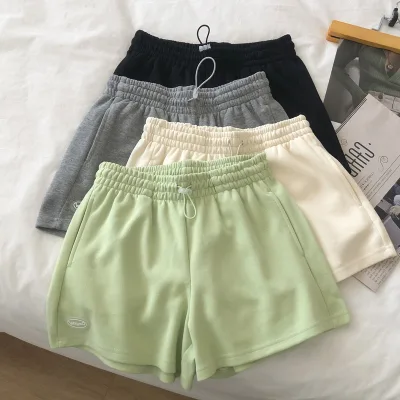


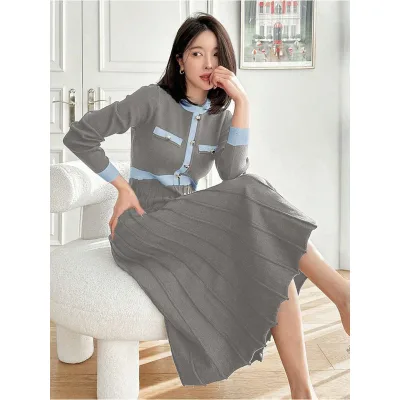


Comprehensive Sourcing Guide
Strategic Sourcing Guide for Breathable Cotton Knitted Skorts
Navigating the global market for breathable cotton knitted skorts requires a disciplined approach that balances material integrity with functional performance. For procurement professionals, the core keyword "Breathable Cotton Knitted Skort" represents a specific intersection of comfort, durability, and style. The product category is defined by a knitted weaving method, which inherently offers stretch and flexibility compared to woven alternatives, while the cotton composition ensures breathability and softness against the skin. Sourcing this item effectively demands a rigorous verification of supply chain attributes, as the market contains a wide variance in quality standards and customization capabilities. This guide outlines the critical factors buyers must evaluate to secure reliable supply chains for this specific garment category.
Technical Specifications and Material Composition
The foundation of a successful procurement strategy for skorts lies in understanding the precise technical specifications provided by suppliers. The primary material attribute observed in this category is cotton, often blended with other fibers to enhance performance. While pure cotton offers superior breathability, suppliers frequently utilize blends such as Cotton/Polyester/Spandex to improve durability and shape retention. A critical specification to verify is the fabric weight, which directly impacts the garment's drape and suitability for different seasons. In the observed market data, fabric weights such as 225GSM are noted, indicating a medium-weight fabric suitable for structured yet comfortable wear.
The weaving method is a definitive characteristic for this product type. The "Knitted" attribute is non-negotiable for a true skort in this category, as it provides the necessary elasticity for movement. Buyers must confirm that the knitting structure supports the "Anti-Wrinkle," "Quick-Drying," and "Anti-Pilling" features often marketed for this item. These properties are essential for maintaining the garment's aesthetic appeal after repeated washing and wear. Furthermore, the collar style and neckline variations, such as Round Neck, V-Neck, or Square Neck, influence the final design. While some listings specify a "Round Neck," others offer a broader range including "V-Neck/Round Neck/Square Neck/Low Neck," requiring buyers to align their design requirements with the supplier's specific capabilities.
Compliance, Certification, and Standard Verification
When sourcing apparel from regions like Sichuan, China, or other manufacturing hubs, compliance verification is paramount. The supply chain for breathable cotton knitted skorts often involves complex standards regarding labor, safety, and environmental impact. Buyers should not assume that all listed products meet specific international certifications without explicit documentation. For instance, while some product attributes mention "Nordstrom Responsible Brands Criteria," this indicates a specific brand compliance standard rather than a universal industry requirement. Procurement teams must verify if the supplier holds valid certifications for the specific markets they intend to serve, such as OEKO-TEX for chemical safety or GOTS for organic cotton content.
Standardization in sizing and production is another critical area. The observed data includes size standards ranging from XS/S/M/L to specific measurements like "27 1/2" Length." Buyers must ensure that the supplier's size charts align with their target demographic's expectations. Additionally, the "Customizable" nature of the product standard allows for flexibility but introduces risk if not managed correctly. The production standard should be clearly defined in the contract to avoid discrepancies between the sample and the bulk order. Verification of the "Standard Transport Packaging" is also necessary to ensure that goods arrive in conditions that prevent damage during transit, particularly for knitted items that may be prone to stretching or deformation.
Cost Drivers and Pricing Dynamics
Understanding the cost structure of breathable cotton knitted skorts is essential for budgeting and negotiation. The observed price range in the market spans from 2 to 90 USD, a significant variance that reflects differences in material quality, production complexity, and order volume. Several factors drive these costs. The primary driver is the material composition; a higher percentage of cotton or the inclusion of premium blends like Spandex will increase the base cost. The fabric weight, such as the 225GSM noted in specific listings, also influences the price, as heavier fabrics require more raw material.
Customization is a major cost variable. The "OEM Service" and "Customizable" attributes indicate that adding a custom logo via printing or embroidery, or altering the color and style, will incur additional charges. The "Costom Logo Printing/Emboridery" option suggests that the method of logo application affects the final price. Furthermore, the Minimum Order Quantity (MOQ) plays a crucial role in unit pricing. The observed MOQ range of 1 to 300 units suggests that smaller orders may carry a higher per-unit cost due to setup fees and lower economies of scale. Buyers should analyze the trade-off between a lower MOQ and a higher unit price versus a larger order with a reduced cost per piece. The "Production Schedule" of 15-30 days and "Sample Time" of 5 days also factor into the overall timeline and potential rush fees, which can impact the total landed cost.
Typical Applications and Market Segmentation
The versatility of breathable cotton knitted skorts makes them suitable for a diverse range of applications. The "Season: Winter" attribute might seem counterintuitive for a cotton item, but it indicates that the fabric weight and knitting density are sufficient for cooler weather, or that the skort is designed for layering. However, the "Feature: Soft Breathable" and "Quick-Drying" attributes also make these garments ideal for active wear, leisure activities, and street fashion. The "Styles: Fashion/Leisure/Sexy" and "Style: Loose Casual, Street" tags highlight the product's adaptability to various fashion trends.
Target demographics are broad, with the "Age: Adults" and "Gender: Unisex" attributes indicating a wide market potential. The "Bra Cups: Yes" feature suggests that some designs are intended to be worn as standalone tops or integrated with undergarments, expanding their utility in casual and athletic contexts. For buyers, understanding the end-use is critical for selecting the right supplier. A supplier specializing in "Loose Casual" streetwear may not be the best fit for a brand focused on "Sexy" or high-performance athletic wear, even if the material is similar. The "Hoodie Type: Drawstring Hood" and "Sleeve Type: Ribbed Cuffs and Hem" attributes further refine the product's application, pointing towards specific design aesthetics that appeal to different consumer segments.
Supplier Evaluation and Selection Criteria
Selecting the right supplier requires a multi-faceted evaluation process that goes beyond price. The "Supply Type: OEM Service" indicates that the supplier is capable of manufacturing private label goods, which is a key requirement for most B2B buyers. However, the ability to provide OEM services does not guarantee quality consistency. Buyers should evaluate the supplier's production capacity, specifically their ability to meet the "Production Schedule" of 15-30 days without compromising quality. The "Sample Time" of 5 days is a positive indicator of responsiveness, but buyers must verify the quality of the sample before committing to a bulk order.
Geographic location is another factor. The "prod_origin: Sichuan, China" and "Made in China" attributes provide insight into the supply chain's location. While China is a major manufacturing hub, buyers should verify the specific factory's reputation and infrastructure. The "prod_packing" details, such as "1PCE/Polybag, 12PCS/Carton" or "Depends on The Requirement," should be assessed for their suitability to the buyer's logistics network. A supplier that offers flexible packaging options can be more valuable for buyers with specific shipping constraints. Additionally, the "Customization: Available" attribute should be scrutinized to ensure the supplier has the technical expertise to handle complex requests, such as custom colors or specific fabric blends.
Quality Control and Long-Term Procurement Considerations
Quality control is the linchpin of a successful procurement strategy for knitted skorts. The "Feature: Soft Breathable" and "Details: Soft and Cozy" attributes are subjective claims that must be validated through physical inspection. Buyers should establish clear quality acceptance criteria based on the "Anti-Wrinkle," "Anti-Pilling," and "Anti-Shr" properties. These attributes are critical for customer satisfaction and brand reputation. A rigorous quality control plan should include pre-production sample approval, in-line inspections during production, and final random inspections before shipment.
Long-term procurement considerations involve building a sustainable relationship with the supplier. The "Customizable" nature of the product standard and "Logo/Graphic Design" options suggests a need for ongoing collaboration. Buyers should ensure that the supplier can maintain consistency in quality over multiple production runs. The "Wash Care Information: Machine Wash, Tumble Dry" should be verified to ensure the garment can withstand standard care routines without degrading. Furthermore, the "Size Info: True to Size" claim must be validated to prevent returns due to sizing issues. By focusing on these long-term factors, buyers can mitigate risks and ensure a steady supply of high-quality breathable cotton knitted skorts that meet their brand's standards.
Comparative Analysis of Product Attributes
To facilitate decision-making, the following table summarizes key attributes observed in the market for breathable cotton knitted skorts. This comparison helps buyers identify the specific features that align with their procurement needs.
| Attribute Category | Specific Observations | Procurement Implication |
|---|---|---|
| Material | Cotton, Cotton/Polyester/Spandex | Verify blend ratios for breathability vs. durability. |
| Weaving Method | Knitted | Essential for stretch and comfort; confirm stitch density. |
| Features | Anti-Wrinkle, Quick-Drying, Anti-Pilling | Critical for maintenance and longevity; request test data. |
| Customization | Logo, Color, Standard, Style | High flexibility but requires clear specifications to avoid errors. |
| Packaging | 1PCE/Polybag, 12PCS/Carton or Custom | Ensure packaging meets logistics and branding requirements. |
| Origin | Sichuan, China / Made in China | Verify factory location for logistics and compliance checks. |
| Season | Winter | Indicates heavier weight or layering capability; check GSM. |
| Size Standard | XS/S/M/L or Specific Lengths | Align size charts with target market demographics. |
By systematically evaluating these attributes, buyers can navigate the complexities of the Breathable Cotton Knitted Skort market with confidence. The goal is to secure a supply chain that delivers consistent quality, adheres to compliance standards, and meets the specific design and functional requirements of the brand.
FAQs
Can I get custom logo printing or embroidery on these skorts?
Yes, custom logo printing and embroidery are available for these breathable cotton knitted skorts. Suppliers offer OEM services that allow you to add your specific branding through costom logo printing or emboridery options to meet your design requirements.
What is the typical production lead time for bulk orders?
The standard production schedule for these items ranges from 15 to 30 days. This timeline applies to bulk manufacturing after the sample approval phase, which typically takes about 5 days to complete before full-scale production begins.
Which fabric weights are commonly used for this knitted skort?
A common fabric weight observed for this category is 225GSM, which provides a medium-weight feel suitable for structured wear. Some variations may use blends like Cotton/Polyester/Spandex to enhance durability while maintaining the knitted structure.
What customization options are available for the product standard?
The product standard is fully customizable to align with your specific needs. Buyers can request changes to the size standard, such as XS/S/M/L or specific measurements, and customize the color and style to fit their target demographic.
How are these skorts typically packaged for transport?
Standard transport packaging usually involves 1 piece per polybag and 12 pieces per carton. However, packaging can also depend on the specific requirement of the buyer, allowing for flexible logistics solutions depending on the supplier agreement.
What are the available sleeve styles for this cotton knitted skort?
Available sleeve styles include both short sleeve and long sleeve options. Some designs may also feature specific details like ribbed cuffs and hem, offering versatility for different seasonal needs and fashion styles ranging from loose casual to street wear.
Can I find suppliers in Sichuan, China for these skorts?
Yes, several suppliers originate from Sichuan, China, offering these breathable cotton knitted skorts. The product origin is listed as Sichuan, China, indicating a specific manufacturing hub where you can source these items with the specified knitted weaving method.