Source Breathable Cotton Oversized T Shirt for summer, promotional, and blank needs
Explore 30 listings for Breathable Cotton Oversized T Shirt options featuring round neck, short sleeve, and custom logo capabilities. Buyers can compare materials like 100% organic cotton, packing types, and lead times from suppliers in China.
Key considerations
Products List




Comprehensive Sourcing Guide
Strategic Sourcing Guide for Breathable Cotton Oversized T-Shirts
Understanding Product Specifications and Material Composition
When sourcing breathable cotton oversized t-shirts, the primary objective is to identify items that balance comfort, fit, and functional performance. The core material requirement is cotton, which serves as the foundation for breathability and moisture absorption. In the current market, buyers may encounter variations in cotton purity, ranging from standard cotton blends to 100% organic cotton options. The presence of "100% Organic Cotton" indicates a specific supply chain commitment to sustainable farming practices, whereas standard cotton may be sourced from conventional agriculture.
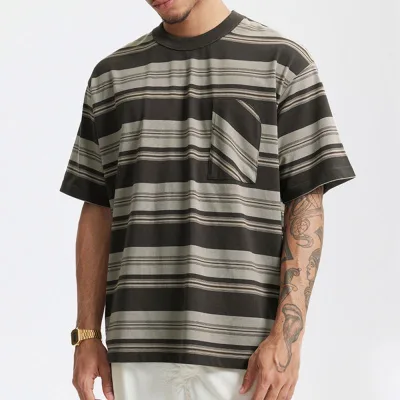
The fit of the garment is a critical differentiator. The "Oversize" attribute defines the silhouette, typically characterized by a relaxed fit that extends beyond standard body measurements. This style often pairs with a "Regular Fit" cut in the torso while maintaining a loose drape in the sleeves and body. Technical specifications regarding dimensions are essential for consistency. While specific measurements vary by supplier, observed standard packaging dimensions for similar items often align with ranges such as 304010cm or 40.00cm * 30.00cm * 8.00cm, indicating the volume required for logistics planning.
Production techniques significantly influence the final texture and durability. The market offers both "Knitted" and "Woven" technics. Knitted cotton is generally preferred for t-shirts due to its inherent stretch and softness, which enhances the oversized aesthetic. In contrast, woven cotton offers a more structured feel but is less common for casual oversized tees. The "Short Sleeve" and "Normal" sleeve shape are standard configurations, though "Round Neck" collars are the dominant style choice. Buyers should verify that the "Technics" listed match the desired drape, as knitted fabrics generally provide the superior breathability required for summer wear.
Design Customization and Aesthetic Features
Customization is a pivotal factor in the procurement of promotional and branded apparel. The majority of suppliers in this category offer "Available" customization services, allowing buyers to incorporate specific branding elements. The "Logo" attribute frequently includes acceptance of "Customer Logo OEM" services, enabling businesses to apply their own designs via printing or embroidery.
Two primary pattern types dominate the market: "Printed" and "Embroidered." Printed designs offer versatility for full-color graphics and are often cost-effective for large orders. Embroidered patterns provide a premium, textured look that is durable but may be more expensive to execute. The "Feature" set for these garments often includes "Compressed," "EL" (Electroluminescent or similar technology depending on context), "Promotional/Advertising," and "Moisture Absorption." The "Breathable" feature is non-negotiable for summer collections, ensuring the garment performs well in warm conditions.
Packaging standards vary based on the order type and supplier capability. Some suppliers utilize "Paper Box" packaging, which aligns with eco-friendly trends, while others offer "Plastic Box or Tray or Customer Requirements" to accommodate specific branding needs. For smaller units or samples, "One Piece/Set Per OPP" bags are common. Bulk packaging often follows a "1set/OPP Bag, 10sets/Dozen" structure. Buyers must clarify the "prod_packing" requirements early to avoid discrepancies in retail presentation or shipping costs.
Cost Drivers and Pricing Dynamics
The pricing structure for breathable cotton oversized t-shirts is influenced by several variables, including material quality, customization complexity, and order volume. The observed listed price range in the current market spans from 1.5 to 14.3 USD. This wide variance suggests that factors such as the use of organic cotton, the intricacy of the embroidery, and the specific supplier location significantly impact the final unit cost.
Minimum Order Quantity (MOQ) is another critical cost driver. The observed MOQ range is 10 to 1000 units. Lower MOQs, such as 10 units, are typically available for sample orders or small batch testing but may carry a higher per-unit cost. Higher MOQs, reaching up to 1000 units, often unlock economies of scale, reducing the cost per item. Buyers should evaluate their inventory needs against these thresholds to optimize cash flow.
Additional cost factors include the "Supply Type." Items listed as "in-Stock Items" may offer faster delivery but could have limited size or color availability, potentially affecting the final price if specific customizations are required. Conversely, custom orders may involve longer lead times but offer greater flexibility in design. The "Gross Weight Per Unit Product," observed at 0.350kg for some items, also influences shipping costs, particularly for air freight. Buyers should calculate the total landed cost, including freight, duties, and packaging, rather than focusing solely on the base unit price.
Compliance, Certification, and Quality Verification
Ensuring compliance with safety and environmental standards is essential for B2B procurement, particularly for garments intended for international markets. While specific certification statuses like "OEKO-TEX" or "GOTS" are noted in background data, buyers must verify the actual certification status of the specific supplier and product lot. Do not assume that a product labeled as "100% Organic Cotton" automatically carries GOTS certification without explicit documentation.
The "prod_standard" field often contains dimensional or weight specifications, such as "0.5KG" or specific box dimensions like "35455". These standards serve as a baseline for quality control but do not replace formal textile testing. Buyers should request test reports for colorfastness, shrinkage, and fabric strength. The "Feature" list includes "Moisture Absorption" and "Breathable," which are functional claims that should be validated through third-party testing or supplier-provided lab results.
Origin and location play a role in compliance. Products originating from "Baoding," "China," or "Guangzhou China" are common. While these regions have established textile industries, buyers must ensure that the manufacturing facilities adhere to local labor laws and international safety regulations. The "prod_model" codes, such as "YKH-XWW-24072301" or "MIC130097," serve as unique identifiers for tracking specific batches and verifying that the correct specifications were delivered.
Supplier Evaluation and Operational Capabilities
Selecting the right supplier requires a thorough evaluation of their operational capabilities and reliability. Key indicators of a capable supplier include their ability to support "7 Days Sample Order Lead Time," which demonstrates agility in the prototyping phase. The "Shipping" options, ranging from "Express / Air / Sea / Air + Delivery," indicate the supplier's logistics network and flexibility in meeting delivery deadlines.
Buyers should assess the supplier's capacity to handle "Customization" requests. The ability to accept "Customer Logo OEM" and provide various "Pattern" options (Printed or Embroidered) is a strong indicator of a versatile manufacturing partner. Additionally, the availability of "Mixed Color" options and "Both Codes" for sizing suggests a robust inventory management system.
The "Supply Type" is another critical metric. Suppliers offering "in-Stock Items" can fulfill urgent orders quickly, while those specializing in custom production may require longer lead times. Buyers must balance the need for speed against the desire for customization. The "Location" of the supplier, whether in Baoding, Guangzhou, or elsewhere, can impact communication time zones and shipping costs. It is advisable to request a factory audit or video tour to verify production capacity and quality control processes before committing to large orders.
Typical Applications and Market Segmentation
Breathable cotton oversized t-shirts serve a diverse range of applications, driven by their comfort and style. The "Summer" season designation highlights their primary use in warm weather, making them ideal for casual wear, streetwear, and promotional events. The "Promotional/Advertising" feature suggests their utility in corporate branding, where companies distribute branded apparel to employees or clients.
The "Blank T-Shirt" classification indicates a segment of the market focused on resellers and designers who add their own graphics or prints. These items are often used by small businesses, startups, and fashion designers who require a high-quality base garment. The "Regular Fit" combined with an "Oversize" cut appeals to a broad demographic, including youth and adults seeking a relaxed, modern aesthetic.
Applications also extend to the sports and active wear sectors, where "Moisture Absorption" and "Breathable" features are crucial. While not explicitly marketed as performance wear, the functional attributes of these t-shirts make them suitable for light athletic activities or casual gym wear. The "Compressed" feature, if present, may indicate packaging efficiency or specific fabric treatments, though buyers should clarify this attribute with the supplier to ensure it aligns with their intended use case.
Long-Term Procurement Considerations and Quality Control
Sourcing breathable cotton oversized t-shirts is not a one-time transaction but a long-term partnership that requires ongoing quality control and relationship management. Buyers should establish clear quality control protocols that include pre-production sample approval, in-line inspections, and final random inspections. The "prod_model" codes should be strictly adhered to to ensure consistency across batches.
Long-term considerations also involve managing supply chain risks. Diversifying suppliers across different locations, such as Baoding and Guangzhou, can mitigate the risk of disruptions. Buyers should monitor the "Lead Time" for both samples and bulk orders, ensuring that the supplier can meet demand fluctuations. The "7 Days Sample Order Lead Time" is a benchmark for responsiveness, but bulk lead times must be negotiated based on order volume and complexity.
Sustainability is an increasingly important factor in long-term procurement. The availability of "100% Organic Cotton" and eco-friendly packaging options like "Paper Box" aligns with growing consumer demand for sustainable products. Buyers should prioritize suppliers who can provide transparent documentation regarding their material sourcing and manufacturing practices. Regular communication with suppliers regarding "Customization" needs and "Feature" updates will help maintain a competitive edge in the market.
Finally, buyers must remain vigilant about changes in standards and regulations. The "prod_standard" dimensions and weight specifications should be reviewed periodically to ensure they meet evolving international shipping and safety requirements. By maintaining a disciplined approach to quality control and supplier evaluation, buyers can secure a reliable supply of breathable cotton oversized t-shirts that meet their specific business needs.
FAQs
What materials are used for breathable cotton oversized t-shirts?
These garments are primarily made from cotton, including options of 100% organic cotton. Some products feature knitted or woven technics to ensure the fabric remains breathable and suitable for summer wear while maintaining a relaxed oversized fit.
Can buyers customize the logo on these t-shirts?
Yes, customization is available for most products, including the acceptance of customer logo OEM services. Buyers can choose between printed or embroidered patterns to apply their branding, with packaging options ranging from paper boxes to custom requirements.
What is the typical minimum order quantity for these items?
The minimum order quantity ranges from 10 to 1000 units depending on the supplier and product model. Lower MOQs like 10 units are often available for samples, while larger orders up to 1000 units may unlock better pricing and economies of scale.
How long does it take to receive a sample order?
Support is available for a 7-day sample order lead time for many suppliers. This quick turnaround allows buyers to verify quality and fit before committing to larger bulk orders, provided the item is available in stock or can be produced quickly.
Which locations are these t-shirts manufactured in?
Products originate from locations such as Baoding, China, and Guangzhou, China. These regions have established textile industries, and buyers should verify specific factory details to ensure compliance with labor laws and international safety regulations for their target markets.
What packaging options are available for bulk orders?
Packaging varies by supplier, with options including paper boxes, plastic boxes, trays, or customer requirements. Some items use one piece per OPP bag, while bulk shipments may follow a structure of one set per OPP bag with ten sets per dozen.