Source Breathable Firewood Tote Bag for firewood, logs, and garden
Compare 30 listings for a Breathable Firewood Tote Bag featuring canvas and Oxford cloth materials with customizable sizes. Buyers can evaluate options for carrying firewood, logs, and garden supplies from suppliers in China with MOQs starting at 10 pieces.
Key considerations
Products List


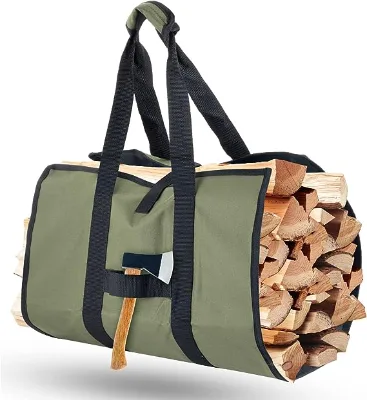


Waterproof Canvas Log Carrier Bag Camping Storage Tote for Indoor Outdoor
$6.50 - $7.50
MOQ: 200 Pieces

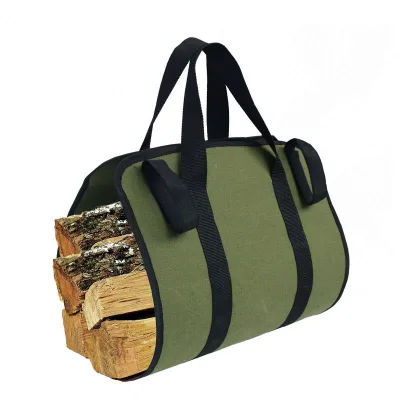
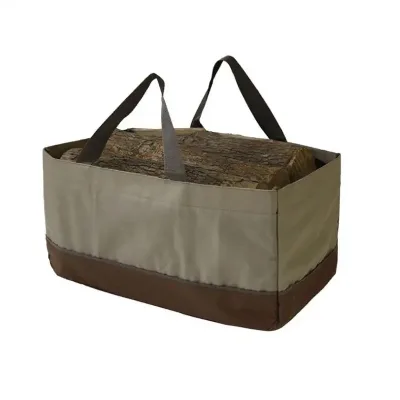
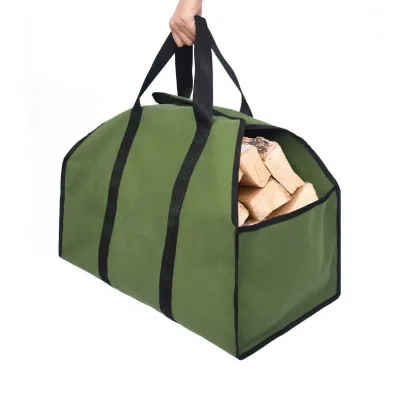


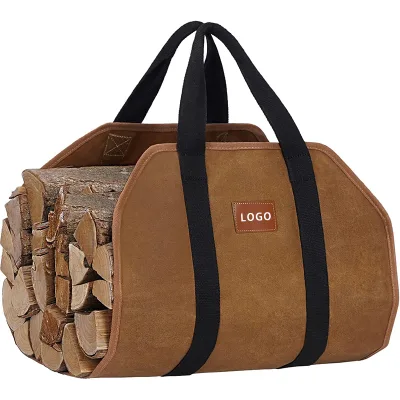
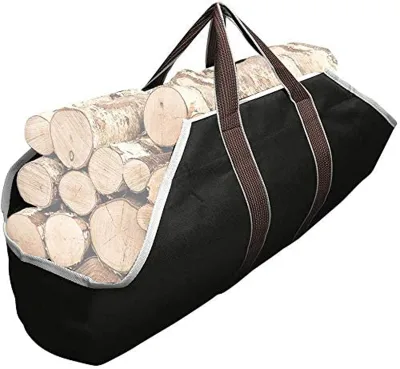
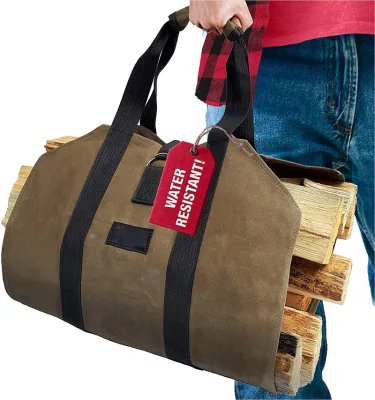
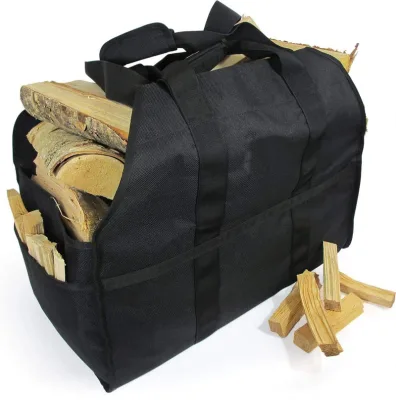
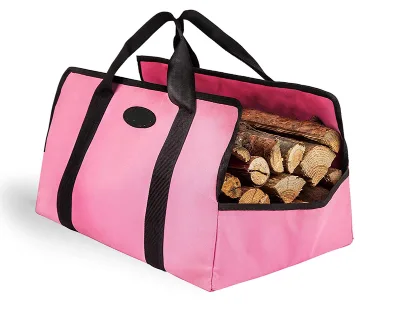
Custom Extra Large Waterproof Firewood Log Carrier Canvas Firewood Holder Indoor
$4.56 - $5.35
MOQ: 300 pieces
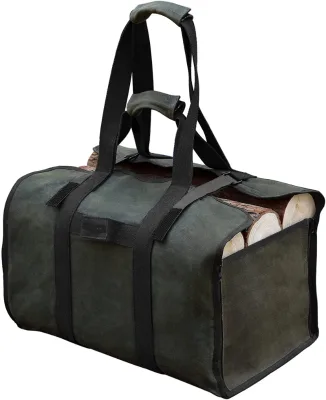


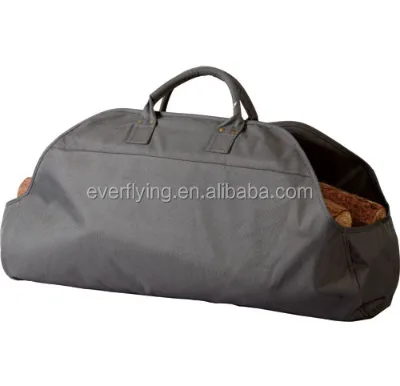
Comprehensive Sourcing Guide
Strategic Sourcing Guide for Breathable Firewood Tote Bags
The procurement of specialized tote bags designed for firewood storage presents a unique set of challenges that blend material science with logistical efficiency. While the core keyword "Breathable Firewood Tote Bag" suggests a specific utility for transporting and storing wood, the actual market data reveals a diverse landscape of bag types, ranging from canvas totes to woven polypropylene sacks. Buyers must navigate this complexity by distinguishing between general-purpose tote bags and those engineered for the specific demands of firewood, such as ventilation, load-bearing capacity, and durability. This guide provides a disciplined approach to sourcing, grounded in observed product attributes and industry standards, to ensure that procurement decisions are based on verified facts rather than marketing assertions.
Understanding Material Composition and Breathability
The primary technical consideration when sourcing a bag for firewood is the material composition, which directly dictates breathability and structural integrity. Firewood requires ventilation to prevent mold growth and ensure the wood remains dry; therefore, the fabric must allow air circulation while resisting tearing under the weight of heavy logs. Analysis of available product data indicates that several materials are prevalent in this category. Canvas, specifically identified as a shoulder strap material and texture in various listings, offers a robust, natural fiber option that is inherently breathable. Similarly, Oxford cloth and composite fabrics are frequently cited as external materials, providing a balance of water resistance and airflow.
For buyers seeking high-volume or cost-effective solutions, polypropylene (PP) woven or non-woven materials present a viable alternative. These synthetic options are often lightweight and can be engineered with specific weave patterns to enhance breathability. However, the "breathable" attribute must be verified against the specific product model, as some listings indicate "Non-Waterproof" status, which is beneficial for ventilation but may require careful handling in wet conditions. The lining material is another critical factor; polyester linings are common and provide a smooth interior that prevents wood splinters from snagging the bag. When evaluating suppliers, buyers should request physical samples to test the weave density. A standard observation in the market is that bags with a "Medium Soft" or "Soft" hardness rating may offer better flexibility for packing irregular shapes like firewood, whereas rigid structures might be less practical for this specific use case.
Technical Specifications and Dimensional Standards
Technical specifications for tote bags vary significantly based on the intended application, whether for general retail, promotional use, or heavy-duty storage. The market data highlights a wide range of product models, including codes such as 260817B, B999000289, and B999000275, each potentially representing different capacity and dimension profiles. A critical specification to verify is the size, with some listings explicitly noting "Middle" size options and others offering "Customized" dimensions. For firewood, the shape is paramount; square or rectangular shapes are generally preferred to maximize volume efficiency when stacking logs.
The standard dimensions observed in the market, such as 22x30x15 cm, serve as a baseline for smaller tote bags, but firewood bags often require larger capacities. Buyers must confirm if the supplier can accommodate custom sizing to match specific firewood log lengths. Additionally, the weight of the empty bag is a significant factor; observed data indicates weights under 0.5 kg for many models, which is advantageous for portability. However, for heavy firewood loads, the structural strength of the bag must be prioritized over minimal weight. The "Double Roots" strap style mentioned in the data suggests reinforced stitching at the attachment points, a crucial feature for distributing the heavy load of firewood across the shoulder or handle. Buyers should ensure that the strap material, whether canvas or composite, is thick enough to prevent tearing under tension.
Compliance, Certification, and Safety Factors
In the realm of B2B procurement, compliance and safety are non-negotiable, even for seemingly simple items like tote bags. While the provided data does not list specific third-party certifications (such as ISO or OEKO-TEX), it does highlight a "Safety Factor" attribute described simply as "Safety." This indicates that manufacturers are aware of the need for structural integrity and user safety. For firewood bags, safety primarily relates to the load-bearing capacity of the straps and the stability of the bag's base.
Buyers must verify that the manufacturing process adheres to safety standards regarding the materials used. For instance, if the bag is intended for use in food or cosmetic contexts (as some listings suggest for general usage), the materials must be non-toxic. The "Hot Stamping" surface handling process observed in the data is a common method for logo application, but buyers should ensure that the inks and adhesives used do not degrade or release harmful substances when in contact with wood or in varying temperatures. Furthermore, the "Safety" attribute should be interpreted as a baseline claim; suppliers should be asked to provide evidence of load testing or stress testing for their specific models. Without explicit certification data in the public listing, the buyer's due diligence must include requesting test reports or safety data sheets (SDS) for the raw materials, particularly the PP woven fabrics and canvas components.
Cost Drivers and Pricing Dynamics
The pricing of tote bags is influenced by a complex interplay of material costs, customization requirements, and order volume. The observed price range in the market spans from $0.05 to $15.60 USD, a vast disparity that reflects differences in quality, size, and production complexity. The lower end of this spectrum typically corresponds to simple, non-woven PP bags with minimal customization, while the higher end likely includes canvas or composite fabric bags with reinforced stitching and custom branding.
A significant cost driver is the "Customization" attribute, which is widely available. Customization can include specific dimensions, logo printing, and color variations. The data notes that "Color" can be customized, and "Logo Printing" is a standard service offered with "Hot Stamping" or other techniques. However, customization often incurs additional setup costs and may increase the Minimum Order Quantity (MOQ). The observed MOQ range is broad, from 10 to 5000 units, with a specific observation of 100 pcs for certain models. Buyers must balance the desire for customization with the need to meet MOQ thresholds to achieve a favorable unit price. Additionally, the "Delivery Time" varies, with some suppliers offering 7-12 working days and others citing a standard 30-day lead time. Rush orders or expedited production can significantly impact the final cost, making it essential for buyers to plan their procurement timeline well in advance to avoid premium charges.
Supplier Evaluation and Origin Verification
Evaluating suppliers requires a careful examination of their location, production capabilities, and track record. The product data indicates that the majority of these bags originate from China, with specific mentions of Guangdong and Wenzhou as key production hubs. Guangdong is known for its advanced textile manufacturing capabilities, while Wenzhou is often associated with packaging and bag production. The "Place of Origin" is a critical piece of information for logistics planning and potential tariff implications.
When assessing a supplier, buyers should look beyond the generic "Brand Name: No" status, which often indicates OEM or ODM capabilities. The presence of specific product models and standardized packing methods (such as "Carton" or "CTN") suggests a level of operational maturity. The "Sample Time" of 5-7 days is a useful metric for evaluating a supplier's responsiveness. A supplier that can provide samples quickly is more likely to be efficient in the broader production process. However, buyers must be cautious of suppliers who claim "Customized" attributes without providing clear specifications. It is advisable to request a detailed bill of materials (BOM) and a production flowchart to ensure the supplier has the capacity to meet the specific requirements of a firewood tote bag, such as reinforced stitching and breathable fabric selection.
Quality Control and Long-Term Procurement Strategy
Implementing a robust quality control (QC) strategy is essential for ensuring that the procured tote bags meet the rigorous demands of firewood transport. Given the "Non-Waterproof" nature of many observed bags, QC should focus on the integrity of the seams and the strength of the handles. The "Sewing" technology mentioned in the data implies that stitch density and thread quality are critical. Buyers should establish clear acceptance criteria for seam strength, perhaps requiring a pull-test on the strap attachments to ensure they can withstand the weight of a full load of firewood without failing.
For long-term procurement, building a relationship with a supplier who offers consistent quality and reliable lead times is more valuable than chasing the lowest unit price. The "Customized" nature of many products means that once a design is finalized, the supplier becomes a strategic partner. Buyers should consider the "Paper Type" and "Shape" attributes for packaging; for instance, using Kraft paper for internal packaging can protect the bags during transit. Additionally, the "Usage" category, which includes garment, jewelry, and electronic products, suggests that these bags are versatile. However, for firewood, the focus must remain on durability. A long-term strategy should include periodic re-inspection of production batches to ensure that material quality has not degraded over time, especially if the supplier switches to different raw material suppliers to reduce costs. By maintaining strict QC protocols and fostering transparent communication with suppliers, buyers can secure a reliable supply chain for breathable firewood tote bags that meets both functional and economic requirements.
FAQs
What materials are used for breathable firewood tote bags?
Common materials include canvas, Oxford cloth, and PP woven or non-woven fabrics. These options provide the necessary breathability to prevent mold while offering durability for heavy loads like firewood.
Can these tote bags be customized with logos?
Yes, logo printing is available with hot stamping or other surface handling techniques. Buyers can also request customized colors and dimensions to meet specific branding or functional requirements.
What is the typical minimum order quantity for these bags?
The minimum order quantity ranges from 10 to 5000 units depending on the supplier and customization level. A specific observation notes an MOQ of 100 pieces for certain models.
How long does it take to receive samples?
Sample time typically takes 5 to 7 days for production and delivery. This allows buyers to verify material quality and construction before committing to a larger bulk order.
Where are these tote bags manufactured?
Products originate from China, with specific hubs in Guangdong and Wenzhou. These locations are known for textile and packaging manufacturing capabilities suitable for this product category.
Are the bags waterproof or water-resistant?
The observed products are generally non-waterproof, which aids in breathability for firewood storage. Buyers should verify specific models if water resistance is a critical requirement for their use case.
What is the weight of the empty tote bags?
Many models weigh less than 0.5 kg, making them lightweight for portability. This low weight is advantageous for carrying firewood without adding excessive burden to the user.