Source Breathable Golf Yoga Sports Shorts for golf, yoga, and workouts
Compare 30 listings of Breathable Golf Yoga Sports Shorts from verified suppliers. Evaluate features like four-way stretch, quick-dry fabric, and eco-friendly materials to find the right fit for your business needs.
Key considerations
Products List
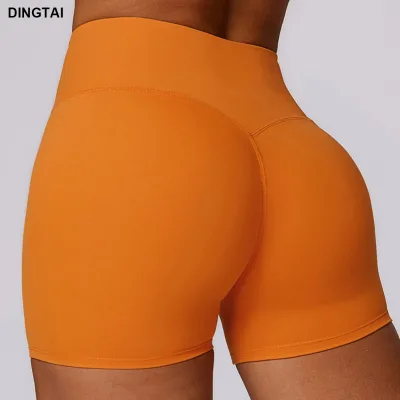
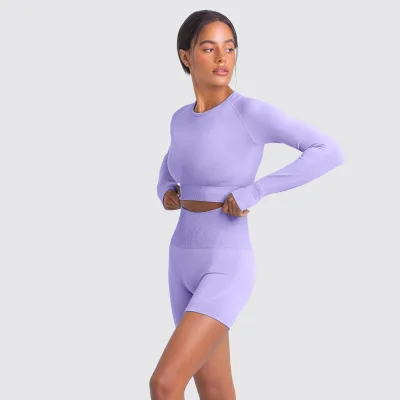
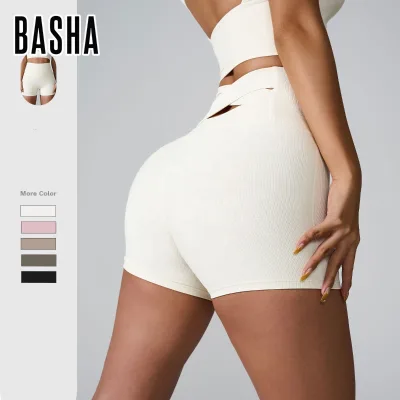
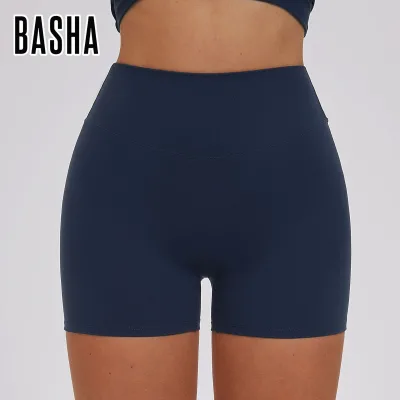


Women High Waisted Yoga Shorts Soft Athletic Tummy Control Yoga Workout Shorts
$6.99 - $18.99
MOQ: 100 Pieces


Comprehensive Sourcing Guide
Strategic Sourcing Guide for Breathable Golf Yoga Sports Shorts
The global market for athletic apparel continues to expand, driven by a consumer shift toward versatile, high-performance wear suitable for both professional training and casual leisure. Within this sector, Breathable Golf Yoga Sports Shorts represent a critical niche where functionality, aesthetics, and durability intersect. For B2B procurement professionals, sourcing these items requires a disciplined approach that moves beyond superficial marketing claims to verify technical specifications, supply chain reliability, and material integrity. This guide outlines the essential factors buyers must evaluate when identifying suppliers for this specific product category, ensuring that procurement decisions are grounded in verifiable data rather than unconfirmed assertions.
Technical Specifications and Material Composition
The foundation of any high-performance athletic short lies in its material composition and construction techniques. In the current market, the dominant material profile for shorts designed for golf and yoga involves a blend of synthetic fibers engineered for elasticity and moisture management. Specifically, a composition of approximately 78% Nylon and 22% Spandex is frequently observed in high-quality offerings. This ratio provides an optimal balance between the durability and abrasion resistance of nylon and the four-way stretch capabilities essential for yoga movements and the dynamic range of motion required in golf.
Beyond the base fabric, the weight of the material is a critical specification. Products in this category often feature a fabric weight around 220 grams per square meter, which offers sufficient opacity and structure without becoming overly heavy or restrictive. The construction techniques employed by suppliers also play a pivotal role in performance. Automated cutting processes are standard in modern manufacturing to ensure precise pattern alignment and reduce material waste. Furthermore, the closure type is typically an elastic waist, often designed with a "scrunch butt" aesthetic or a seamless construction to prevent chafing during repetitive movements. Buyers should verify that the listed "Feature" attributes include breathability, quick-dry capabilities, and sweat-wicking properties, as these are non-negotiable for sports-specific apparel.
Design Variations and Functional Attributes
The design landscape for breathable sports shorts is diverse, catering to various aesthetic and functional requirements. While some products adhere to a solid pattern type, others may incorporate print designs or specific fashion elements like simple silhouettes or reversible features. The waist type is another significant differentiator; while high-waisted designs are popular for yoga to provide core support, mid-waist options are often preferred for golf to allow for a full range of motion without restriction.
A comprehensive evaluation of design attributes must also consider the number of pieces included in a set. Procurement strategies often differ between single-item orders and two-piece sets, which may include matching tops. The color palette is equally vital, with market observations showing a wide range of options including black, navy, green, grey, and various shades of pink and red. However, buyers must be cautious when interpreting color availability, as specific shades like "jacket green 1" or "bra green 1" may indicate coordinated sets rather than standalone shorts. Additionally, the presence of features such as "no front seam" or "seamless" construction significantly enhances comfort, particularly for activities involving deep squats or prolonged sitting. The inclusion of "smart fabric" or "active stretch" technologies further distinguishes premium products from standard athletic wear, though these terms require verification against actual material testing data.
Compliance, Certification, and Quality Assurance
In the realm of B2B procurement, compliance and quality assurance are paramount to mitigating risk. While specific certification statuses are not universally guaranteed for all listed products, buyers must actively verify the presence of needle detection systems, which are critical for ensuring product safety, particularly for items intended for children or sensitive skin. The observation that some suppliers implement "needle detection: Yes" indicates a commitment to rigorous quality control protocols.
Furthermore, the manufacturing location influences the regulatory landscape. Products originating from regions such as Guangdong or Zhejiang in China are subject to specific export standards and local labor regulations. Buyers should request documentation regarding the "Needle detection" process and inquire about adherence to international safety standards for textiles. Although specific certification names like ISO or OEKO-TEX are not explicitly confirmed in all product listings, the presence of features like "Eco-Friendly," "Recyclable," and "Anti-Bacterial" suggests that suppliers may be aligning with sustainability goals. However, these claims must be substantiated through third-party testing reports rather than accepted as standard attributes. The "Automated cutting" technique mentioned in several listings also points to a higher level of manufacturing precision, which often correlates with better quality control outcomes.
Cost Drivers and Pricing Dynamics
Understanding the cost structure of breathable sports shorts is essential for effective budgeting and negotiation. The observed price range in the market spans from approximately 3 USD to 18.99 USD, reflecting a significant variance based on material quality, brand positioning, and order volume. Several factors drive these costs. First, the material composition, particularly the percentage of high-grade nylon and spandex, directly impacts the base cost. Second, the complexity of the design, such as the inclusion of "scrunch butt" features or seamless construction, adds to the manufacturing expense.
The Minimum Order Quantity (MOQ) is another critical cost driver. The market shows an MOQ range from 1 to 500 units, allowing for flexibility in procurement strategies. Suppliers offering "Small Orders: Accepted" or "Single item" selling units are ideal for startups or businesses testing the market, while larger volumes typically unlock lower unit costs. Additionally, the "Supply Type" varies between "In-Stock Items" and "Oem Service." In-stock items may command a premium due to immediate availability, whereas OEM services allow for customization but may involve longer lead times and setup costs. Buyers should also consider the "Single package size" and "Single gross weight," as these dimensions affect shipping costs. For instance, packages measuring 33x23x3 cm with a weight of 0.400 kg will have different logistics costs compared to larger, heavier units.
Supplier Evaluation and Operational Capabilities
Selecting the right supplier requires a thorough assessment of their operational capabilities and reliability. Key indicators of a robust supplier include their ability to support sample orders, with a specific lead time of 7 days for samples being a notable benchmark in the market. This rapid turnaround allows buyers to evaluate product quality before committing to larger orders. The "Place of Origin" is also a significant factor; suppliers based in Guangdong and Zhejiang are well-established hubs for textile manufacturing, offering access to a mature supply chain and skilled labor.
When evaluating suppliers, buyers should look for transparency regarding their "Model Number" and "Brand Name." While some products are sold under established brand names like "Tripsix" or "BASHA," others may be offered as "OEM" or "Fitele" branded items. This distinction is crucial for buyers seeking private label opportunities. The "Logo position" options, which may include the front, back, waist, or legs, indicate the supplier's flexibility in customization. Additionally, the "Printing Methods" used, such as "Heat-Transfer Printing" or "Other" methods, should be verified to ensure they meet durability and aesthetic standards. A supplier's ability to handle "Small Orders" while maintaining quality is a strong indicator of their operational agility and customer service orientation.
Typical Applications and Market Positioning
Breathable Golf Yoga Sports Shorts are designed for a wide array of applications, ranging from high-intensity training to leisure activities. The "Feature" set, which often includes "Quick Dry," "Sweat-Wicking," and "Four-Way Stretch," makes these shorts suitable for yoga, where flexibility and moisture management are essential. Similarly, the "Windproof," "Water Resistant," and "Anti-Uv" attributes make them appropriate for outdoor golf, where weather conditions can vary. The "Plus Size" availability ensures inclusivity, catering to a broader demographic.
The versatility of these shorts is further enhanced by their design elements. The "Short" length specification, combined with a "High" or "Mid" waist type, provides a modern silhouette that transitions seamlessly from the gym to casual settings. The "Eco-Friendly" and "Recyclable" features appeal to environmentally conscious consumers, positioning these products in the growing sustainable fashion segment. Buyers should consider how these applications align with their target market. For instance, a brand focusing on professional athletes may prioritize "Active Stretch" and "Smart Fabric" technologies, while a lifestyle brand might emphasize "Simple" fashion elements and "Solid" pattern types.
Long-Term Procurement Considerations
Sourcing breathable sports shorts is not merely a transactional activity but a strategic long-term partnership. Buyers must consider the scalability of their supplier's operations. The ability to transition from "Single item" orders to larger volumes without compromising quality is essential for business growth. The "Lead Time" for production, particularly the 7-day sample order support, indicates a supplier's capacity to respond to market demands quickly.
Furthermore, the "Supply Type" relationship should be clearly defined. Whether the buyer opts for "In-Stock Items" for immediate needs or "Oem Service" for custom branding, the agreement must outline clear expectations regarding quality control, delivery schedules, and communication protocols. The "Model Number" consistency across batches is also important for maintaining brand identity. Finally, buyers should continuously monitor the "Feature" set of their products to ensure they remain competitive. As technology evolves, attributes like "Anti-Bacterial" or "Waterproof" may become standard requirements, necessitating ongoing supplier evaluation and potential specification updates. By maintaining a disciplined approach to these long-term considerations, buyers can secure a reliable supply chain that supports their business objectives and market positioning.
FAQs
What material composition is standard for these shorts?
The standard material is a blend of 78% Nylon and 22% Spandex. This ratio ensures durability and four-way stretch for yoga and golf movements while maintaining a fabric weight around 220 grams.
Can I order samples before committing to a bulk purchase?
Yes, sample orders are supported with a lead time of 7 days. This allows buyers to verify quality and features like breathability before proceeding with larger production runs or custom branding.
Which waist types are available for these athletic shorts?
Both high-waist and mid-waist options are available in the product listings. High-waist designs provide core support for yoga, while mid-waist styles offer unrestricted motion for golf activities.
How do I verify the quality control standards of suppliers?
Some suppliers implement needle detection systems to ensure product safety. Buyers should request documentation on these quality control protocols and verify features like automated cutting for precision.
What is the typical price range for these shorts?
The observed price range spans from 3 USD to 18.99 USD. Costs vary based on material quality, design complexity, and order volume, with lower prices often linked to higher minimum order quantities.
Which features make these shorts suitable for golf and yoga?
Key features include quick-dry, sweat-wicking, and four-way stretch capabilities. Additional attributes like breathable fabric and seamless construction enhance comfort during repetitive movements and varying weather conditions.