Source Breathable Knitted Polo Shirt for Business, Sports, Leisure
Compare 30 Breathable Knitted Polo Shirt options from verified suppliers. Buyers can evaluate fabric composition, customization features, pricing, and washing standards for business, sports, and leisure applications. Detailed specifications include sleeve length, collar type, and material composition to ensure the right fit.
Key considerations
Products List


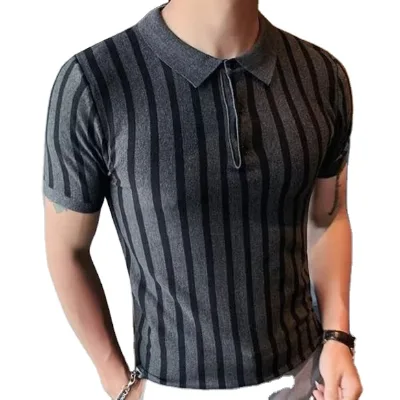
Custom Short Sleeve Polo Shirt Casual Knit Fabric Breathable Mens Polo Shirts
$5.00 - $18.00
MOQ: 100 Pieces




Comprehensive Sourcing Guide
Breathable Knitted Polo Shirt Sourcing Guide
Buyers seeking breathable knitted polo shirts must first distinguish between the specific fabric compositions observed in the market, as the supply chain offers distinct options ranging from 100% polyester fiber to 100% cotton. The polyester variants are frequently engineered with quick-dry and anti-wrinkle features, making them ideal for high-activity environments, while the cotton options provide a classic feel often associated with traditional business or leisure wear. Understanding this material divergence is critical before initiating any procurement dialogue, as the performance characteristics of the final garment depend entirely on the fiber blend selected.
The sourcing landscape also reveals significant variation in customization capabilities, with many suppliers offering logo embroidery, color matching, and fabric adjustments to meet specific brand requirements. While some listings indicate a standard model like XYW-1138 or TSYP-TS881, others explicitly state that the product model is customizable, allowing for tailored fits and unique design details. Procurement teams should verify whether the supplier can accommodate these specific customization requests without compromising the structural integrity of the knit or the breathability of the fabric, ensuring the final product aligns with the intended brand identity.
Product Scope and Observed Listing Signals
The observed product scope encompasses a wide range of sleeve lengths, including both short and long sleeve configurations, which allows buyers to source inventory suitable for different seasonal demands or specific climate requirements. Listings indicate that these garments are designed for unisex wear and are applicable across business, sports, and leisure occasions, suggesting a versatile utility that can serve multiple departments within a corporate uniform program or a diverse retail collection. Buyers should carefully review the specific sleeve design details, such as the "no restraint design" noted in some catalogs, to ensure the fit supports the intended range of motion for the end user.
Listing signals also highlight the importance of packaging and accessories, as suppliers often include labels, hangtags, and specific carton dimensions like 40x30x2 cm or 86x53x35 cm for bulk sets. The presence of digital printing, screen printing, and embroidery options suggests that branding is a central component of the product offering, requiring buyers to confirm the compatibility of their chosen decoration method with the fabric type. Additionally, the availability of various sizes from XS to 6XL, with customizable options, indicates that the supply chain is prepared to handle diverse sizing needs, though buyers must verify the specific size tolerance of ±1cm to ensure consistent quality across the order.
Technical Specifications to Verify
When evaluating technical specifications, the weight of the fabric is a primary indicator of durability and breathability, with observed listings specifying a weight of 210GSM with a tolerance of ±3%. This gram weight suggests a mid-weight fabric that balances structure with airflow, but buyers must confirm that this specification remains consistent across all production batches to avoid quality discrepancies. The collar type is another critical technical element, with classic polo necks being the standard, yet the specific construction method and the ability to maintain the collar shape after repeated washing cycles require rigorous verification before finalizing the order.
Drying and washing instructions provide further insight into the garment's longevity and care requirements, with some products explicitly stating they are machine washable at 30°C while others withstand 60°C industrial wash cycles. Buyers should cross-reference these care instructions with the fabric composition, as 100% cotton items may shrink differently than polyester blends, and the "do not tumble dry" instruction for certain models necessitates specific drying protocols to prevent damage. Verifying the color fastness rating, such as the observed 4+ ISO Standard, is also essential to ensure the garment retains its color integrity under the intended usage conditions and washing frequencies.
Compliance and Safety Documentation
Compliance documentation for these garments often references specific production execution standards, such as GB/T 2664-2017, which governs the quality and safety of men's woven and knitted clothing in the region of origin. Buyers must request proof of adherence to these standards, as well as any additional certifications required for the target market, to ensure the products meet local regulatory requirements for textile safety and labeling. The origin of the goods, whether from China or India, may influence the specific compliance framework applied, so procurement teams should verify that the supplier's quality management system aligns with the destination country's import regulations.
Safety documentation should also address the chemical safety of the dyes and finishes used in the manufacturing process, particularly given the digital printing and embroidery techniques observed in the listings. While the provided facts mention color fastness and washing standards, they do not explicitly confirm the absence of restricted substances, so buyers must demand test reports that verify compliance with international safety standards for textiles. Ensuring that the packaging materials, such as polybags and cartons, are also compliant with environmental and safety regulations is equally important to avoid potential issues during customs clearance or retail distribution.
Cost Drivers and Commercial Terms
Cost drivers for breathable knitted polo shirts are heavily influenced by the complexity of customization, including logo embroidery, fabric matching, and specific packaging requirements like OEM/ODM branding. The observed MOQ range of 2 to 100 units suggests flexibility for smaller orders, but buyers should be aware that higher customization levels may increase the unit price or require a higher minimum order quantity to justify the setup costs. Additionally, the choice of fabric, whether 100% polyester or 100% cotton, and the weight of the material, such as the 210GSM specification, will directly impact the base cost of the garment.
Commercial terms regarding shipping and delivery are equally critical, with suppliers offering options via express, air, sea, or combined air and delivery methods. The lead time and shipping costs will vary significantly based on the chosen method and the destination, so buyers must clarify these terms early in the negotiation process to avoid unexpected expenses. The packaging configuration, whether it is 1PC per OPP bag or 25 pieces per export-quality carton, also affects the logistics cost and storage requirements, making it essential to align the packaging specifications with the buyer's distribution strategy.
Supplier Qualification and Quality Control
Supplier qualification should focus on verifying the manufacturer's ability to maintain consistent quality across different production runs, particularly when dealing with customizable orders that involve multiple variables like color, fabric, and embroidery. Buyers should request samples that match the exact specifications of the intended order, including the 210GSM weight and the specific size tolerance of ±1cm, to ensure the supplier can meet the required standards before committing to a larger volume. The presence of features like anti-wrinkle and quick-dry properties should be validated through independent testing to confirm that these claims are not merely marketing assertions.
Quality control processes must be robust enough to handle the diverse range of products observed, from standard models to fully customized designs. Buyers should establish clear acceptance criteria for defects related to stitching, printing alignment, and fabric consistency, ensuring that the supplier has a documented process for inspecting goods before shipment. The ability to provide detailed production execution standards and washing test results, such as withstanding 60°C industrial wash cycles, is a strong indicator of a supplier's commitment to quality, and these documents should be reviewed as part of the supplier qualification process.
Long-Term Procurement Checks
Long-term procurement checks should include regular audits of the supplier's production capacity and quality control systems to ensure they can consistently meet the buyer's evolving needs. As the market for breathable knitted polo shirts continues to evolve, buyers must remain vigilant about changes in fabric technology, such as new blends that offer enhanced breathability or durability, and ensure that their suppliers are adapting to these innovations. Regular communication with the supplier regarding any updates in production standards or material sourcing is essential to maintain the integrity of the supply chain over time.
Buyers should also monitor the performance of the garments in the field, collecting feedback on issues such as color fading, shrinkage, or fabric wear to identify any potential quality degradation. This feedback loop allows for proactive adjustments to the product specifications or supplier selection if necessary, ensuring that the long-term relationship remains beneficial for both parties. By maintaining a focus on continuous improvement and rigorous quality checks, buyers can secure a reliable supply of high-performance polo shirts that meet the demands of their customers and brand standards.
FAQs
What fabric options are available for breathable polo shirts?
Breathable polo shirts are available in 100% polyester fiber or 100% cotton compositions. Polyester options offer quick-dry and anti-wrinkle features, while cotton variants provide a classic feel. Both materials support digital printing and embroidery for customization. Buyers can select the fabric based on desired comfort and performance characteristics for summer wear.
Can I customize the logo and packaging for bulk orders?
Yes, customization is available for logo embroidery, color matching, and fabric selection. Packaging options include polybags, hang tags, and OEM/ODM carton solutions. Buyers can specify label and hangtag details to match brand identity. This service supports various order sizes, allowing for tailored branding and professional presentation for business or sports occasions.
What are the washing and care instructions for these polos?
The shirts are machine washable at 30°C and can withstand 60°C industrial wash cycles. Do not tumble dry; instead, use a warm iron if needed. The fabric maintains color fastness of 4+ under ISO standards. These care instructions ensure longevity and maintain the breathable, comfortable fit for regular business or leisure use.
Which sizes are offered for unisex breathable polo shirts?
Sizes range from XS to 6XL, with customization available for specific fit requirements. The standard size tolerance is ±1cm, ensuring consistent quality across batches. The regular fit and classic collar design suit unisex wear. Buyers can request specific measurements to accommodate diverse body types for sports, leisure, or business applications.
How are the polo shirts packaged and shipped globally?
Each shirt is packed in an OPP or PE bag, with export-quality cartons holding 25 pieces. Shipping is available by express, air, or sea freight. The standard carton size is 40x30x2 cm, optimized for efficient logistics. Buyers can choose packaging and shipping methods that align with their distribution needs and budget constraints.