Source Breathable Nylon Spandex Sports Shorts for Gym, Yoga, and Running
Find 30 verified options for Breathable Nylon Spandex Sports Shorts suitable for gym workouts, yoga sessions, and running. Compare specifications like fabric weight, size ranges, and customization features from manufacturers in China; compare the available evidence and request quotations based on your requirements.
Updated
Key considerations
Products List


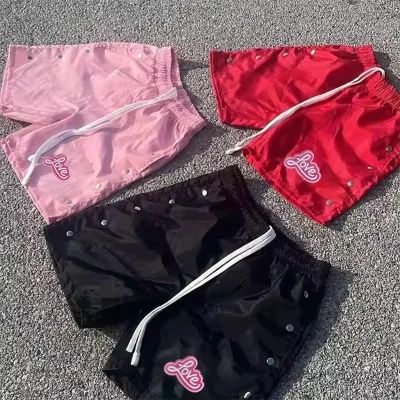

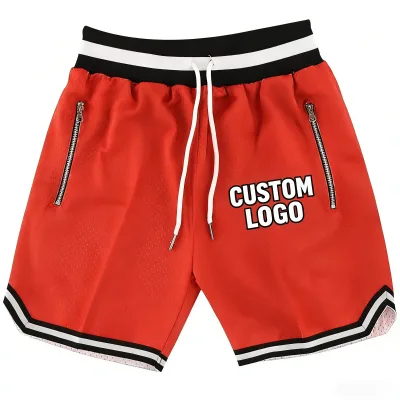

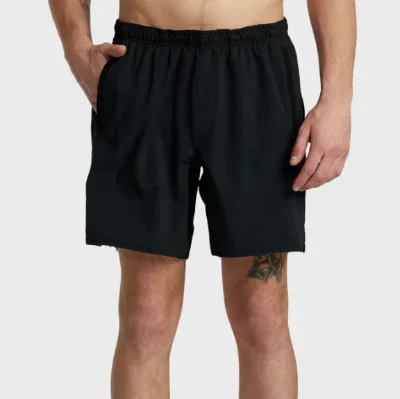
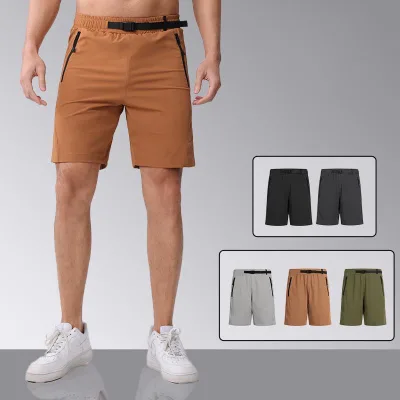
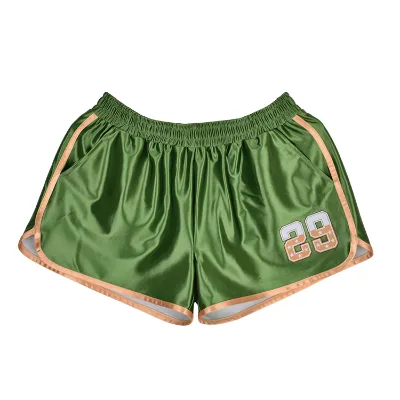
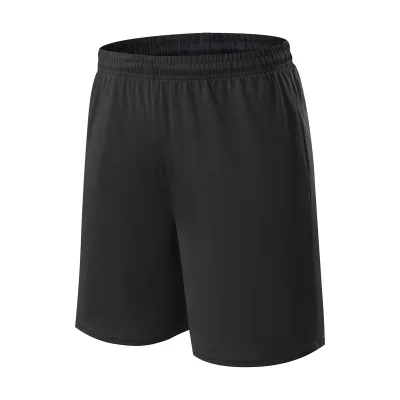
Custom Cotton Spandex Breathable Running Comfortable and Breathable Shorts
$4.99 - $6.99
MOQ: 30 Pieces



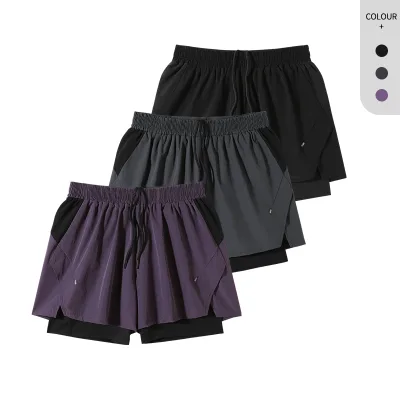

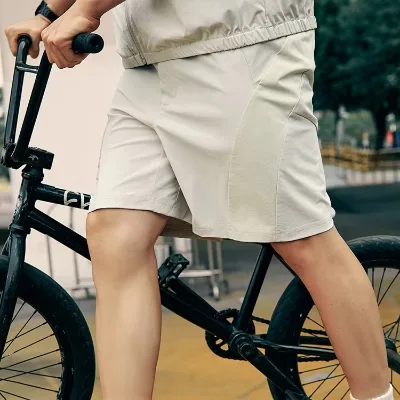


Comprehensive Sourcing Guide
Breathable Nylon Spandex Sports Shorts Sourcing Guide
Sourcing Breathable Nylon Spandex Sports Shorts requires a disciplined approach to material verification and performance testing, as the term "breathable" is often used loosely in marketing materials without standardized backing. Buyers must prioritize suppliers who can provide concrete evidence of fabric composition, specifically looking for blends that balance the durability of nylon with the elasticity and moisture-wicking properties of spandex. The observed market data indicates a wide range of product types, from casual wear to specialized athletic gear, meaning that not all listed items will meet the rigorous demands of high-intensity sports. It is essential to distinguish between general fitness apparel and technical sportswear designed for activities like running, cycling, or soccer, where sweat management and freedom of movement are critical.
The procurement process should begin with a clear definition of the end-use environment, as this dictates the necessary fabric weight, weave density, and structural integrity. While some listings highlight features such as quick-dry capabilities and anti-UV protection, these claims must be validated through supplier documentation or third-party testing reports before committing to large orders. The observed product models and specifications suggest that customization is widely available, allowing buyers to tailor fit, color, and logo placement to their brand identity. However, this flexibility comes with the responsibility of managing complex supply chain variables, including minimum order quantities and sample lead times, which can significantly impact time-to-market for new product launches.
Product Scope and Observed Listing Signals
The current market landscape for sports shorts reveals a diverse array of product types, including short leggings, casual shorts, and specialized beach wear, all of which may utilize nylon spandex blends. Observed listings indicate that manufacturers offer extensive customization options, with available sizes ranging from XXS to XXL and beyond, catering to a broad demographic. The presence of various product models, such as those identified by codes like I20121608 and 22021406, suggests that suppliers maintain multiple SKUs to address different style preferences and functional requirements. Buyers should note that while many products are labeled for fitness and gym use, others are specified for more intense activities like racing, cycling, and martial arts, requiring careful alignment of product attributes with intended use cases.
Pricing and minimum order quantities (MOQ) vary significantly across the observed data, with prices ranging from 2.9 to 16.8 USD and MOQs spanning from 5 to 200 pieces per design. This variance reflects differences in production complexity, fabric quality, and supplier scale, with some manufacturers offering single-piece samples for evaluation while others require bulk commitments. The observed packing methods, such as individual polybags or carton sets, indicate that logistics planning must account for varying packaging standards that can affect shipping efficiency and product protection. Additionally, the availability of OEM services and custom logo placement on the front of the garment highlights the importance of verifying production capabilities early in the sourcing process to ensure brand consistency and quality control.
Technical Specifications to Verify
Verifying the technical specifications of nylon spandex shorts is crucial to ensuring that the final product meets performance expectations, particularly regarding fabric weight and construction. Observed data points to specific fabric weights, such as 430 grams, which may indicate a heavier, more durable material suitable for structured garments rather than lightweight athletic wear. Buyers must confirm the exact fiber content percentages, as the ratio of nylon to spandex directly impacts elasticity, recovery, and breathability. It is also necessary to verify the closure type, with drawstrings being a common feature, and to assess the quality of stitching and seam construction, which are critical for durability during high-movement activities.
The length and fit specifications, including options for short lengths and customized sizing, require precise measurement charts to avoid fit-related returns and customer dissatisfaction. Buyers should request detailed size charts that include waist, hip, and inseam measurements for each size option, ensuring that the garments align with their target market's sizing standards. Additionally, the presence of features such as anti-wrinkle properties, quick-dry technology, and eco-friendly certifications should be validated through supplier documentation or independent testing. The observed needle detection requirement suggests a focus on safety and quality control, indicating that buyers should insist on rigorous inspection protocols to ensure the absence of broken needles or other metallic contaminants in the finished products.
Compliance and Safety Documentation
Compliance with safety and quality standards is a non-negotiable aspect of sourcing sports apparel, particularly when dealing with products that come into direct contact with the skin. The observed mention of SGS standards indicates that some suppliers adhere to recognized international quality and safety benchmarks, which can provide buyers with greater confidence in the product's integrity. However, buyers must verify the specific scope of these certifications, ensuring that they cover the relevant aspects of fabric safety, chemical restrictions, and physical performance. It is also important to confirm whether the supplier conducts regular needle detection checks, as this is a critical safety measure in garment manufacturing to prevent injury from broken needles embedded in the fabric.
Beyond physical safety, buyers should inquire about compliance with environmental and labor standards, especially if the product is marketed as eco-friendly or if the brand has sustainability commitments. The observed production origin in Guangdong, China, suggests that buyers should be aware of local regulatory requirements and any potential trade compliance issues related to the importation of textile goods. Documentation such as test reports for colorfastness, shrinkage, and pilling resistance should be requested to ensure that the shorts maintain their appearance and functionality after repeated washing and wear. Buyers must also verify that the supplier provides clear labeling instructions to ensure that care labels and content tags comply with the regulations of the destination market.
Cost Drivers and Commercial Terms
Understanding the cost drivers and commercial terms is essential for accurate budgeting and risk management in the procurement of sports shorts. The observed payment terms, which often include a 40% deposit and 60% balance before shipping, highlight the financial commitment required from buyers and the importance of establishing trust with the supplier. Lead times, ranging from sample production within one to two weeks to bulk production in two to three weeks, must be factored into the overall project timeline to avoid delays in product launches. Buyers should also consider the costs associated with sampling, with some suppliers charging fees such as 50 USD EXW, which can be credited against bulk orders but represents an initial outlay.
Shipping methods, including express, air, and sea freight, offer different trade-offs between cost and speed, requiring buyers to align logistics choices with inventory needs and market demand. The observed MOQ of 200 pieces per design for some products suggests that smaller buyers may need to consolidate orders or pay higher unit prices to meet minimum thresholds. Additionally, the customization options available, such as specific colors and logo placements, can impact production costs and lead times, as these processes require additional setup and quality control steps. Buyers should negotiate clear terms for reorders, returns, and defect resolution to protect their interests and ensure a smooth ongoing relationship with the supplier.
Supplier Qualification and Quality Control
Supplier qualification is a critical step in mitigating supply chain risks, requiring buyers to assess the manufacturer's capabilities, reputation, and operational stability. The observed classification of suppliers as manufacturers rather than trading companies suggests a direct relationship with production, which can offer advantages in cost control and communication. However, buyers should verify the supplier's production capacity, equipment, and workforce to ensure they can handle the required order volumes without compromising quality. The availability of OEM services and customization options indicates flexibility, but buyers must ensure that the supplier has the technical expertise to execute complex designs and specifications accurately.
Quality control processes should be clearly defined and agreed upon before production begins, including inspection points at various stages of manufacturing. The observed needle detection requirement and fabric weight specifications provide baseline criteria for quality, but buyers should also establish standards for stitching, finishing, and packaging. It is advisable to conduct pre-shipment inspections or hire third-party inspection services to verify that the goods meet the agreed-upon specifications before release. Building a strong relationship with the supplier through regular communication and feedback can also help maintain consistent quality and address any issues promptly, ensuring that the final products meet the brand's standards and customer expectations.
Long-Term Procurement Checks
Long-term procurement success depends on continuous monitoring of supplier performance and market trends to ensure ongoing alignment with business goals. Buyers should establish key performance indicators (KPIs) to track metrics such as on-time delivery, defect rates, and responsiveness to issues, using this data to inform future sourcing decisions. Regular audits of the supplier's facilities and processes can help identify potential risks and opportunities for improvement, ensuring that the partnership remains robust and productive. Additionally, staying informed about changes in material costs, regulatory requirements, and consumer preferences can help buyers adapt their sourcing strategies to maintain competitiveness and relevance in the market.
Building a diversified supplier base can also mitigate risks associated with reliance on a single source, providing flexibility in case of disruptions or capacity constraints. Buyers should periodically review their product portfolio and supplier relationships to identify opportunities for cost savings, quality improvements, or innovation. Engaging in collaborative planning with suppliers, such as sharing forecasts and development roadmaps, can foster a more integrated and efficient supply chain. By maintaining a proactive approach to supplier management and market analysis, buyers can ensure that their sourcing of Breathable Nylon Spandex Sports Shorts remains strategic, resilient, and aligned with long-term business objectives.
FAQs
What are the available size options for these sports shorts?
The shorts are available in sizes ranging from XXS to XXL, with specific models also offering customized sizing options. This range accommodates various body types for fitness, gym, and yoga activities. Buyers can request specific measurements to ensure a proper fit for their target demographic or personal use.
Can I customize the logo and pattern on these shorts?
Yes, customization is available for logos and patterns. The supplier offers OEM services, allowing for custom designs on the front or other specified positions. Buyers can choose from various pattern types, including prints, to match their brand identity or specific design requirements for their athletic wear line.
What is the minimum order quantity for these athletic shorts?
The minimum order quantity is typically 200 pieces per design for bulk orders. However, one sample is available for evaluation purposes. This structure allows buyers to test quality before committing to larger production runs, ensuring the product meets their standards for breathability and durability in sports applications.
How long does it take to produce an order?
Production time is generally 2-3 weeks after deposit confirmation. Sample lead time is within 1-2 weeks. These timelines apply to standard manufacturing processes. Buyers should account for shipping duration by express, air, or sea when planning their inventory needs for seasonal sports wear demands.
What payment terms are required for placing an order?
The payment term requires a 40% deposit and a 60% balance before shipping. This standard arrangement secures production while protecting the buyer. It ensures materials are sourced and manufacturing begins promptly. The balance payment confirms readiness for dispatch via the chosen shipping method, whether express, air, or sea freight.
What features do these shorts offer for athletic performance?
These shorts feature quick-dry, breathable, and anti-wrinkle properties. They are also designed to be anti-UV and eco-friendly. The fabric weight is 430 grams, providing durability. These attributes support various sports including running, cycling, and gym workouts, ensuring comfort and performance during intense physical activities.