Source Breathable Polyester Car Snow Shade for Sun Protection, UV Blocking, and Heat Reduction
Find and compare 30 Breathable Polyester Car Snow Shade options for sun protection, UV blocking, and heat reduction. These products feature materials like PE and Nylon, with certifications including ISO and CE, suitable for universal car fitment and custom OEM services.
Key considerations
Products List


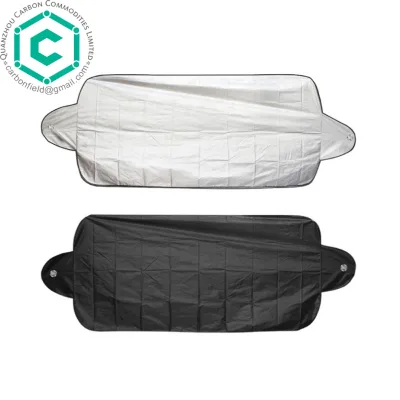
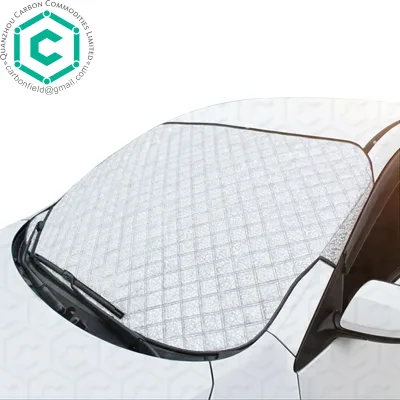
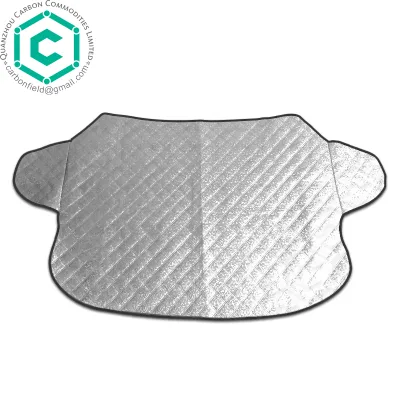


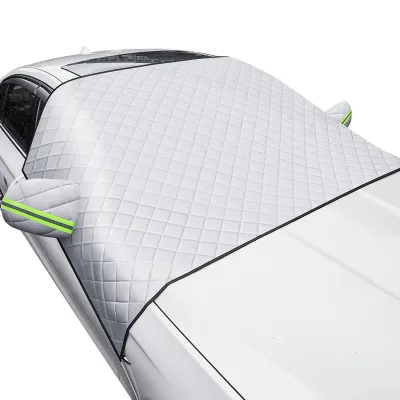


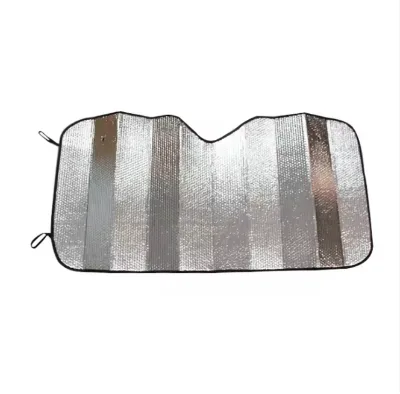


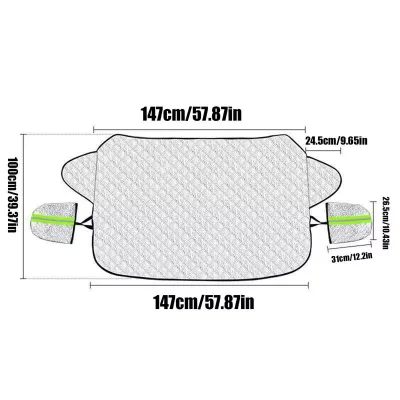


Car Sunshade Windshield Snow Sun Shade Waterproof Protector Front Windscreen Cover
$0.60 - $2.80
MOQ: 100 Pieces
Comprehensive Sourcing Guide
Breathable Polyester Car Snow Shade Sourcing Guide
Sourcing breathable polyester car snow shades requires a nuanced understanding of material science, as the term "breathable" often conflicts with the primary function of snow and ice protection. In the automotive accessory market, these products are typically designed to shield vehicles from precipitation, UV radiation, and debris while preventing moisture buildup that can lead to mold or paint damage. Buyers must distinguish between true breathable membranes and standard waterproof coatings, as the latter may trap condensation against the vehicle’s surface. The core keyword suggests a specific material composition—polyester—that offers durability and tensile strength, but the "breathable" attribute necessitates careful verification of the fabric’s permeability structure. Procurement teams should prioritize suppliers who can provide technical data sheets detailing the fabric’s water vapor transmission rate (WVTR) alongside its water resistance metrics.
The observed market signals indicate a diverse range of products, from universal fit shades to custom-fit solutions, with prices ranging from $0.25 to $12.00 USD and minimum order quantities (MOQs) varying from 1 to 5,000 units. This wide variance suggests that the category includes both low-cost, single-use protective covers and higher-end, reusable systems with advanced features. Buyers should note that while some listings highlight "breathable" properties, others emphasize "airtight" or "waterproof" characteristics, which may be mutually exclusive depending on the intended use case. For instance, a shade designed for long-term outdoor parking might require a balance of breathability to prevent heat buildup and waterproofing to repel snow. Understanding these distinctions is critical for aligning product selection with specific customer needs, whether for personal vehicle protection or commercial fleet maintenance.
Product Scope and Observed Listing Signals
The product scope for breathable polyester car snow shades encompasses a variety of designs, including rear window shades, front windshield shades, and side window shades, as well as universal fit options for five-seat cars. Observed listings reveal specific models such as H01043, H01051-2, and 106092, each with distinct dimensions like 20070cm, 200100cm, and 224*100cm, indicating that fitment is a primary differentiator. Some products are marketed with specific mounting methods, such as osculum type or static sticker applications, which affect ease of installation and removal. Buyers should verify the exact dimensions and mounting mechanisms for each model to ensure compatibility with their target vehicle types, as universal fit shades may not provide optimal coverage for all vehicle shapes.
Material composition is another critical factor, with listings indicating the use of PE, Tyvek, nylon, and polyester, often combined with silver-coated snow shade technology for enhanced UV reflection. The presence of "silver" color options and "pure color" or "cartoon" patterns suggests that aesthetic customization is available, catering to different consumer preferences. Additionally, some products are described as "scratchproof" and "dust-proof," highlighting their protective capabilities beyond just snow and ice. Buyers should assess the trade-offs between different materials, such as the durability of nylon versus the breathability of polyester, and consider how these attributes impact the product’s lifespan and performance in harsh weather conditions.
Technical Specifications to Verify
When evaluating technical specifications, buyers must prioritize the verification of material thickness, weave density, and coating integrity, as these factors directly influence the shade’s breathability and durability. For polyester-based shades, the gram weight (e.g., 170t) and the presence of silver coating are key indicators of UV protection and heat reflection capabilities. Buyers should request samples to test the fabric’s tensile strength and resistance to tearing, especially in cold temperatures where materials can become brittle. Additionally, the "visible light transmission" attribute, noted as 0 in some listings, suggests complete opacity, which may be desirable for privacy but could impact the shade’s ability to dissipate heat if not properly ventilated.
Dimensional accuracy and fitment precision are equally important, with standard sizes like 120cm and custom fit options available. Buyers should verify the single package size, such as 68X56X10 cm, to assess storage and shipping efficiency, particularly for large-volume orders. The mounting method, whether static sticker or osculum type, should be evaluated for ease of use and reusability, as poorly designed mounts can damage vehicle windows or leave residue. Furthermore, the "havelock pattern" and design style, such as business/luxury or cartoon, should be considered in the context of the target market’s aesthetic preferences, ensuring that the product’s visual appeal aligns with brand positioning.
Compliance and Safety Documentation
Compliance and safety documentation are essential for ensuring that breathable polyester car snow shades meet international standards for material safety and environmental impact. Listings indicate certifications such as ISO, CE, and RoHS, which suggest adherence to quality management, European conformity, and restriction of hazardous substances regulations. Buyers should verify the validity and scope of these certifications, ensuring that they cover the specific materials and manufacturing processes used in production. Additionally, the absence of explicit safety test data in the provided facts necessitates that buyers request independent lab reports for flammability, chemical leaching, and mechanical strength to mitigate liability risks.
Environmental considerations are increasingly important in the automotive accessory market, with a growing demand for sustainable materials and eco-friendly manufacturing practices. Buyers should inquire about the recyclability of the polyester fabric and the presence of any harmful chemicals in the silver coating or adhesive components. The "breathable" attribute may also imply the use of eco-friendly membranes that do not rely on PVC or other environmentally damaging materials. By prioritizing suppliers with transparent sustainability practices and robust compliance documentation, buyers can enhance their brand’s reputation and meet the evolving expectations of environmentally conscious consumers.
Cost Drivers and Commercial Terms
Cost drivers for breathable polyester car snow shades include material quality, customization options, and order volume, with observed prices ranging from $0.25 to $12.00 USD. Higher-priced items typically feature advanced materials, such as silver-coated polyester with enhanced UV protection, or custom fit designs that require more complex manufacturing processes. Buyers should analyze the cost breakdown to understand the value proposition of each product, considering factors like durability, ease of installation, and aesthetic appeal. The availability of customization services, including OEM and ODM options, can also impact pricing, as bespoke designs often involve higher setup costs and longer lead times.
Commercial terms, such as MOQs and payment conditions, vary significantly across suppliers, with MOQs ranging from 1 set to 5,000 units. Buyers should negotiate terms that align with their inventory management strategy, balancing the need for variety with the economies of scale offered by larger orders. The port of shipment, typically Shanghai or Ningbo, should be considered in the context of logistics costs and delivery timelines. Additionally, the packaging method, whether OPP bag, carton, or box, can affect product protection during transit and overall shipping costs. By carefully evaluating these commercial terms, buyers can optimize their procurement strategy to achieve the best balance of cost, quality, and supply chain efficiency.
Supplier Qualification and Quality Control
Supplier qualification is a critical step in ensuring the reliability and consistency of breathable polyester car snow shades. Buyers should assess suppliers’ manufacturing capabilities, including their production capacity, quality control processes, and experience in the automotive accessory market. The presence of certifications like ISO and CE can serve as initial indicators of a supplier’s commitment to quality, but buyers should also conduct on-site audits or request third-party verification to confirm compliance. Additionally, the supplier’s ability to provide customization services, such as OEM and ODM, should be evaluated based on their design flexibility and responsiveness to client requirements.
Quality control measures should be integrated into the procurement process to minimize defects and ensure product consistency. Buyers should establish clear quality standards for material thickness, stitching integrity, and coating uniformity, and request pre-shipment inspections to verify compliance. The use of standardized testing methods, such as tensile strength tests and water resistance checks, can help identify potential issues before products reach the market. Furthermore, suppliers’ track records for handling returns and addressing customer complaints should be considered as indicators of their overall reliability and customer service quality.
Long-Term Procurement Checks
Long-term procurement checks involve continuous monitoring of supplier performance, market trends, and product innovation to ensure sustained value and competitiveness. Buyers should establish key performance indicators (KPIs) for delivery times, defect rates, and customer satisfaction, and review these metrics regularly to identify areas for improvement. The automotive accessory market is dynamic, with evolving consumer preferences and regulatory requirements, so buyers must stay informed about emerging technologies and materials that could enhance product performance. By fostering strong relationships with suppliers and maintaining open communication channels, buyers can collaborate on product development and stay ahead of market changes.
Additionally, buyers should consider the lifecycle of the product, including end-of-life disposal and recycling options, to align with sustainability goals and regulatory requirements. The use of breathable polyester and other eco-friendly materials can contribute to a circular economy, reducing waste and environmental impact. By integrating sustainability into their procurement strategy, buyers can enhance their brand’s reputation and meet the growing demand for responsible products. Regularly reviewing and updating procurement policies to reflect these considerations will ensure long-term success and resilience in the competitive automotive accessory market.
FAQs
What materials are used for breathable car snow shades?
Breathable car snow shades are typically constructed from durable materials such as PE, Tyvek, or Nylon. These materials offer a balance of protection and airflow, ensuring the vehicle remains shielded from snow and dust while preventing moisture buildup. Some variants also utilize 170t Silver Coated Snow Shade fabric for enhanced thermal reflection and UV protection during winter conditions.
Can these shades be customized for specific vehicle models?
Yes, customization is available for many car snow shade products. Buyers can request OEM or ODM services to tailor dimensions and designs to specific vehicle types. Options include custom fit specifications and various patterns such as pure color or cartoon designs, ensuring a secure fit for five-seat cars or other universal applications while maintaining aesthetic appeal.
What certifications do these car shades typically hold?
Many breathable car snow shades hold international certifications including ISO, CE, and RoHS. These certifications indicate compliance with quality management, safety, and environmental standards. Buyers should verify specific product listings for these credentials to ensure the materials are safe for automotive use and meet regulatory requirements for export and domestic distribution in various global markets.
How are car snow shades packaged for shipping?
Packaging methods vary by product type and supplier. Common options include OPP bags for individual units and cartons for bulk shipments. Some premium or larger items may be packed in boxes to prevent damage during transit. The packaging is designed to protect the shade from scratches and dust, ensuring the product arrives in pristine condition ready for retail or direct installation.
What is the typical MOQ for these products?
The Minimum Order Quantity varies significantly based on the product type and customization level. Standard items may have an MOQ of just one set, while customized or bulk orders might require quantities starting from 3000 units. Buyers should check specific product pages for exact MOQ requirements, as some suppliers offer flexible terms for trial orders or specific model configurations.
Are these shades suitable for universal car fitment?
Yes, many breathable car snow shades are designed for universal fitment. They are often labeled as suitable for five-seat cars and feature adjustable or flexible designs to accommodate various vehicle shapes. Some products offer custom fit specifications to ensure a precise match for specific models, providing optimal coverage for front windshields, rear windows, or side windows without gaps.