Source Breathable Nursing Medical Scrubs for Hospitals
Find 30 Breathable Nursing Medical Scrubs from Tianjin manufacturers. Compare polyester-cotton blends, twill fabrics, and OEM services for healthcare centers. Options include anti-shrink, breathable, and chlorine bleach resistant designs in various sizes and colors; compare the available evidence and request quotations based on your requirements.
Updated
Key considerations
Products List



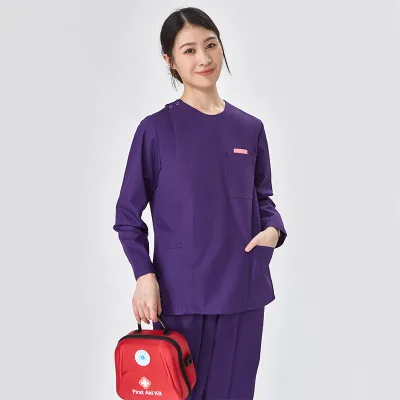
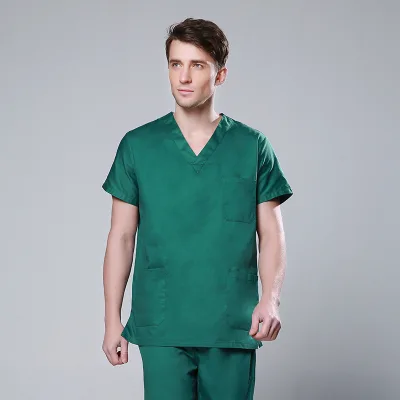
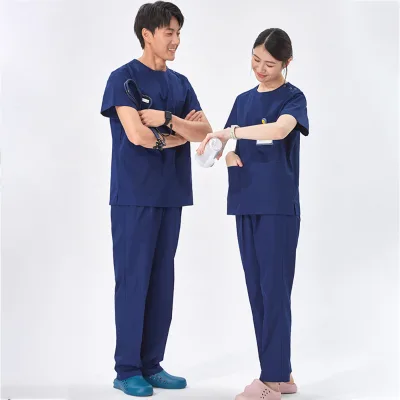
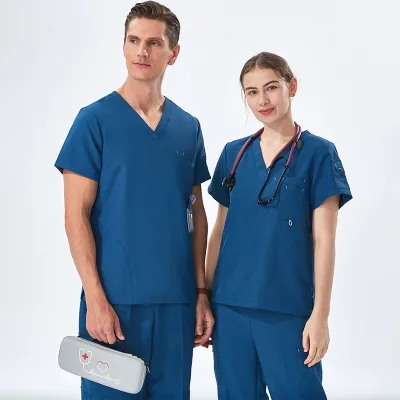


Comprehensive Sourcing Guide
Breathable Nursing Medical Scrubs Sourcing Guide
Procuring Breathable Nursing Medical Scrubs requires a strategic focus on fabric composition and environmental adaptability, as healthcare environments demand garments that manage moisture and temperature effectively. Buyers must prioritize materials that balance durability with comfort, ensuring that staff can perform physically demanding tasks without discomfort or distraction. The observed market signals indicate a strong preference for polyester-cotton blends, which offer a practical compromise between the longevity of synthetic fibers and the natural feel of cotton. This material choice is critical for maintaining the integrity of the uniform through repeated industrial laundering while providing the necessary breathability to keep healthcare workers cool during long shifts.
Beyond material selection, the structural design of the scrubs plays a pivotal role in their functionality and professional appearance. Observations highlight features such as anti-shrink properties and chlorine bleach resistance, which are essential for maintaining hygiene standards in hospital settings. These attributes ensure that the uniforms retain their shape and color integrity despite exposure to harsh cleaning agents and high-temperature wash cycles. Additionally, the availability of various sizes, ranging from XS to 5XL, allows for inclusive sizing that accommodates diverse body types, ensuring a proper fit that supports mobility and professional presentation across different roles within the healthcare facility.
Product Scope and Observed Listing Signals
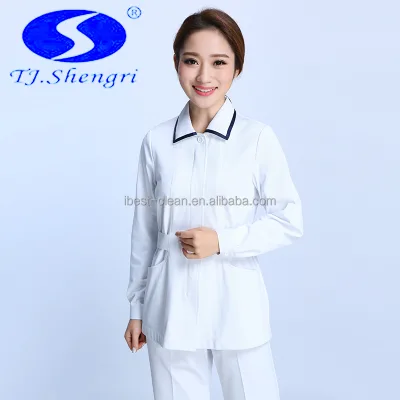
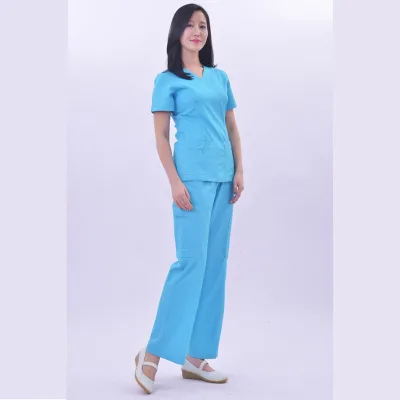
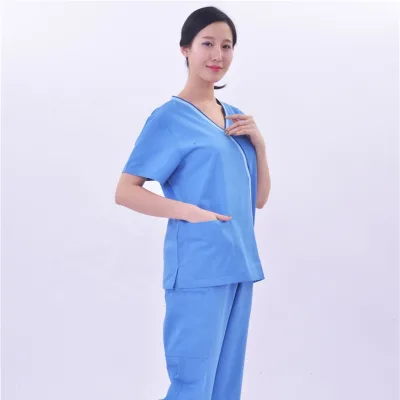
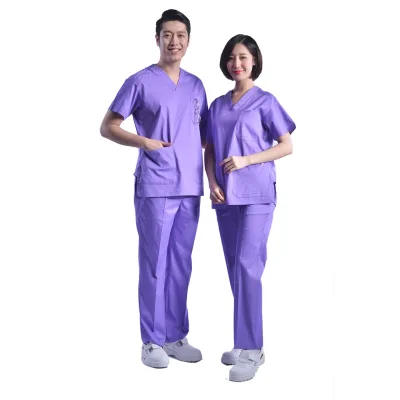
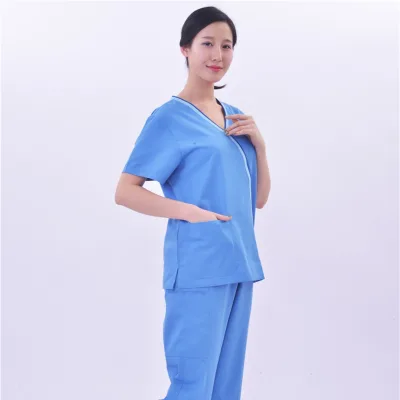
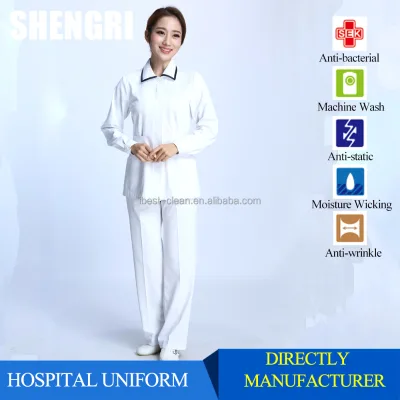
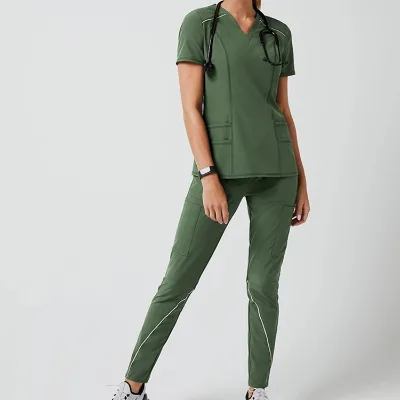
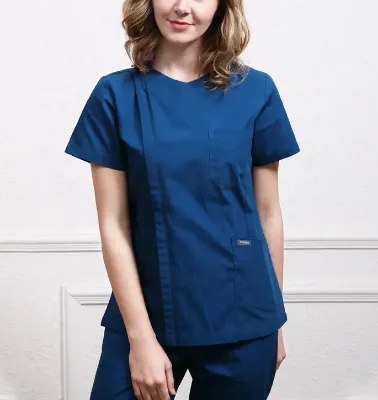
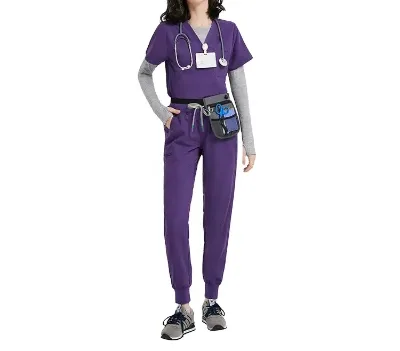
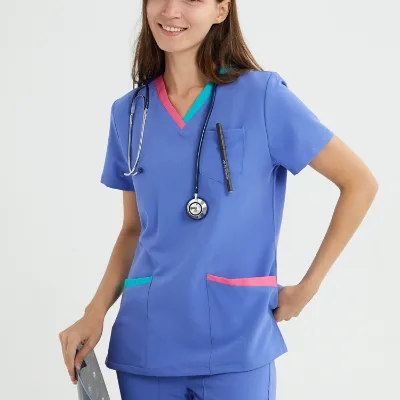
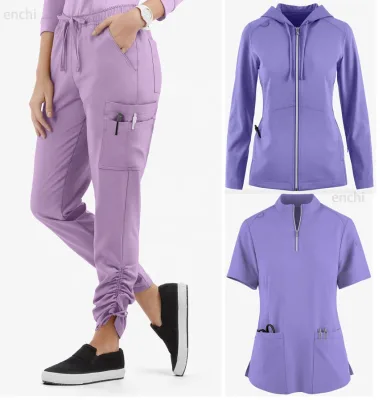
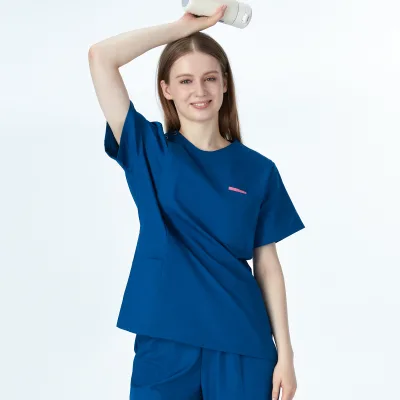
The current market landscape for Breathable Nursing Medical Scrubs reveals a diverse range of options tailored to specific institutional needs. Listings frequently emphasize the use of twill fabric, which provides a structured yet flexible drape suitable for both clinical and administrative settings. The observed color palette includes standard medical hues such as blue, white, and green, alongside multi-color options that allow for departmental identification or personal preference. This variety ensures that procurement teams can align uniform aesthetics with hospital branding guidelines while maintaining a professional and cohesive appearance across the workforce.
Supply chain dynamics indicate that manufacturers often offer OEM services, enabling hospitals to customize garments with specific branding or labeling requirements. The observed supply ability ranges significantly, with some suppliers offering up to 30,000 sets per month, which supports large-scale institutional procurement. Packaging details typically involve polybagging individual sets within cartons, facilitating efficient storage and distribution. Furthermore, the presence of sample order support with a seven-day lead time allows buyers to evaluate product quality and fit before committing to bulk orders, reducing the risk of mismatched expectations in large-scale deployments.
Technical Specifications to Verify
When evaluating technical specifications, buyers should closely examine the fabric weight and construction to ensure optimal performance. The observed fabric gram range of 110-235 GSM provides insight into the density and durability of the material, with higher GSM values generally indicating greater robustness and opacity. It is crucial to verify that the chosen fabric weight aligns with the specific climate and activity levels of the healthcare environment. Additionally, features such as anti-static and anti-wrinkle properties should be confirmed, as these contribute to a polished appearance and reduce maintenance efforts, ensuring that staff remain presentable throughout their shifts without frequent ironing or adjustments.
Size inclusivity and fit consistency are also critical technical aspects that require verification. The availability of sizes from XS to 5XL, along with custom sizing options, suggests a commitment to accommodating diverse body types. Buyers should request detailed size charts to ensure accurate ordering, particularly when dealing with large volumes. The structure of the scrubs, described as close-fitting in some listings, should be assessed for its impact on mobility and comfort. Ensuring that the cut allows for a full range of motion is essential for nursing staff who engage in frequent physical activity, preventing restrictions that could hinder patient care or cause discomfort during long hours of wear.
Compliance and Safety Documentation
While specific certification details may vary, buyers must ensure that all scrubs meet relevant health and safety standards for medical environments. The observed mention of chlorine bleach resistance is a key indicator of compliance with hospital hygiene protocols, as it ensures that garments can withstand rigorous disinfection processes without degrading. Buyers should request documentation confirming that the materials used are non-toxic and safe for prolonged skin contact, particularly for staff with sensitive skin. Verifying that the manufacturing process adheres to environmental and labor standards is also important, as it mitigates reputational risks and ensures ethical sourcing practices.
Documentation regarding the origin and supply chain transparency is equally vital for maintaining trust and accountability. The observed place of origin, Tianjin, China, provides a baseline for understanding the supply chain, but buyers should seek additional information on the specific manufacturing facilities. Requesting certificates of conformity or material safety data sheets can provide assurance that the products meet international quality benchmarks. Additionally, verifying that the supplier has a robust quality control system in place helps ensure consistency across batches, reducing the likelihood of defects or inconsistencies that could compromise the professional image of the healthcare facility.
Cost Drivers and Commercial Terms
Understanding the cost drivers associated with Breathable Nursing Medical Scrubs is essential for effective budget management. The observed price range of 4.5 to 26.59 USD reflects variations in material quality, design complexity, and order volume. Buyers should analyze how factors such as fabric weight, color customization, and branding options influence pricing. Higher GSM fabrics and specialized finishes like anti-shrink or anti-static treatments typically command premium prices. Additionally, the minimum order quantity (MOQ) ranges from 2 to 200 sets, allowing for flexibility in initial testing or small-scale procurement, which can help manage cash flow and reduce inventory risks for smaller facilities.
Commercial terms, including lead times and payment conditions, significantly impact the overall procurement strategy. The observed sample order lead time of seven days offers a quick turnaround for quality assessment, but bulk production lead times should be clarified to ensure timely delivery. Buyers should negotiate favorable payment terms that align with their financial cycles, such as partial upfront payments with the balance upon shipment. Understanding the packaging details and shipping logistics, including the port of dispatch from Tianjin Xingang, is also crucial for calculating total landed costs. Efficient packaging, such as 40 polybags per carton, can optimize shipping volume and reduce freight expenses, enhancing the overall cost-effectiveness of the procurement.
Supplier Qualification and Quality Control
Supplier qualification is a critical step in ensuring the reliability and consistency of Breathable Nursing Medical Scrubs. Buyers should prioritize manufacturers with a proven track record in producing medical uniforms, as evidenced by their supply ability and product range. The observed supplier type as a manufacturer suggests direct access to production capabilities, which can facilitate better communication and customization options. Verifying the supplier’s production capacity, such as the ability to supply 30,000 sets per month, ensures that they can meet large-scale demands without compromising quality or delivery schedules. Additionally, assessing their responsiveness to sample requests and customization inquiries provides insight into their customer service and operational efficiency.
Quality control measures must be rigorously evaluated to maintain high standards across all ordered units. Buyers should inquire about the supplier’s internal quality assurance processes, including inspections for fabric defects, stitching integrity, and color consistency. Requesting pre-shipment inspections or third-party quality audits can provide an additional layer of assurance, particularly for large orders. The observed packaging details, such as individual polybagging and carton consolidation, indicate a structured approach to handling and shipping, which helps protect the garments from damage during transit. Establishing clear quality benchmarks and communication channels with the supplier ensures that any issues are addressed promptly, maintaining the integrity of the procurement process.
Long-Term Procurement Checks
Establishing long-term procurement checks is essential for maintaining the quality and suitability of Breathable Nursing Medical Scrubs over time. Regular audits of supplier performance, including delivery times, product consistency, and responsiveness to issues, help identify potential problems before they escalate. Buyers should implement a feedback loop with end-users, such as nursing staff, to gather insights on comfort, durability, and functionality. This user-centric approach ensures that the scrubs continue to meet the evolving needs of the healthcare workforce, allowing for timely adjustments in design or material selection. Continuous monitoring of market trends and technological advancements in fabric technology can also inform future procurement decisions, keeping the uniform program competitive and effective.
Financial and contractual reviews should be conducted periodically to ensure that the procurement strategy remains aligned with organizational goals. Evaluating cost trends, supplier pricing stability, and contract terms helps optimize budget allocation and mitigate financial risks. Buyers should also assess the environmental impact of their procurement choices, considering factors such as material sustainability and waste reduction in packaging. By fostering a collaborative relationship with suppliers and prioritizing transparency and accountability, organizations can build a resilient supply chain that supports their healthcare mission. Regularly revisiting these long-term checks ensures that the procurement of Breathable Nursing Medical Scrubs remains a strategic asset rather than a mere operational expense.
FAQs
What materials are used for Breathable Nursing Medical Scrubs?
Breathable Nursing Medical Scrubs are typically made from a blend of polyester and cotton. This fabric combination offers durability and comfort for healthcare professionals. Some options also utilize twill fabric structures. The material selection ensures the garments remain breathable and suitable for long shifts in hospital environments.
Can these scrubs withstand chlorine bleach cleaning?
Yes, many Breathable Nursing Medical Scrubs are specifically designed to be chlorine bleach resistant. This feature allows healthcare facilities to maintain strict hygiene standards without damaging the fabric. The material retains its integrity and color even after repeated exposure to harsh cleaning agents commonly used in medical settings.
What sizes are available for these medical uniforms?
These medical uniforms are available in a wide range of sizes from XS to 5XL. The sizing chart includes standard options like S, M, L, and XL, as well as extended sizes. This extensive range ensures a proper fit for diverse body types, accommodating both men and women in healthcare roles.
How quickly can sample orders be processed?
Sample orders for Breathable Nursing Medical Scrubs can be processed within seven days. This lead time supports quick evaluation of quality and fit before placing larger bulk orders. Manufacturers typically support sample requests to help buyers verify product specifications and fabric quality prior to committing to full production runs.
What is the monthly supply capacity for these scrubs?
The supply capacity for these scrubs is reported as 30,000 sets per month. Some listings indicate a higher capacity of 30,000 sets per day. This production volume supports large-scale procurement needs for hospitals and healthcare centers, ensuring consistent availability of uniform supplies for staff.
Are custom colors and branding options available?
Customization is available for these medical scrubs, including specific color choices. Buyers can select from standard colors like blue, white, and green, or request custom shades. OEM services allow for branding additions such as labels, ensuring the uniforms meet specific institutional identity requirements and professional appearance standards.