Source Breathable Pe Backsheet Maternity Pad for Postpartum Care, Hospital Use, and Home Recovery
Compare 30 listings for Breathable Pe Backsheet Maternity Pad options featuring winged or wingless designs with super absorbent cores. Buyers can evaluate customization, certifications like ISO and CE, and packaging details for postpartum and hospital needs.
Key considerations
Products List


Super Absorbent Lady Maternity Pad Disposable Cotton Sanitary Maternity Pad
$0.10 - $0.20
MOQ: 65000 Pieces


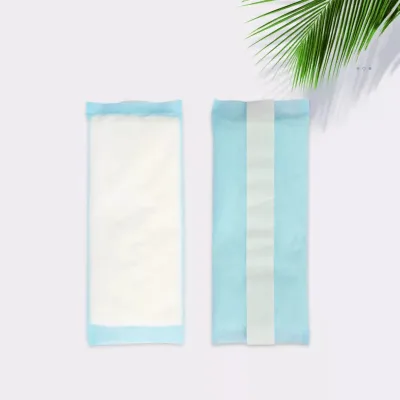


Breathable Wingless Maternity Pads Maternity Sanitary Pad After Delivery
$0.06 - $0.08
MOQ: 50000 Pieces

Multi Function Underpad for Personal Incontinence Care Baby Wee Pad Maternity Bed Pad
$0.01 - $0.30
MOQ: 10000 piece

Chinese Factory Incontinence Pad Medical Disposable Underpad Maternity Pad
$0.01 - $0.30
MOQ: 50000 Pieces

High Quality Disposable Underpad Baby Changing Pad Maternity Sanitary Underpad
$0.01 - $0.30
MOQ: 10000 piece


Factory Supply Attractive Price Disposable Urine Pads Under Pad Maternity Pad
$0.12 - $0.13
MOQ: 50000 Pieces


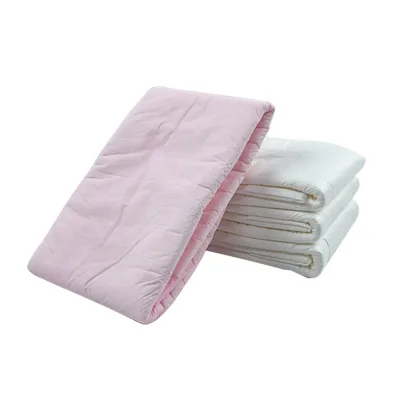
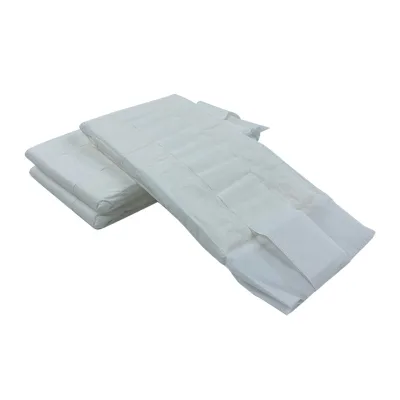
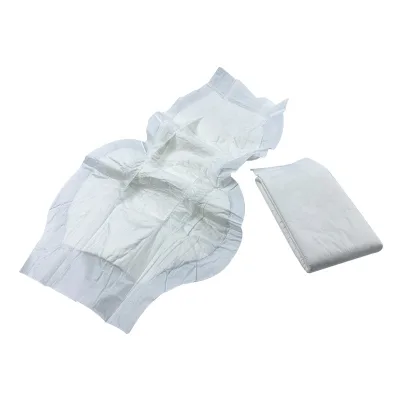
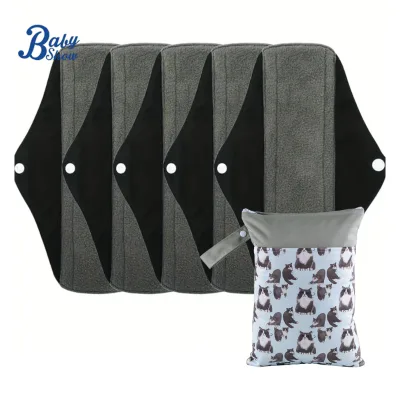

Comprehensive Sourcing Guide
Strategic Sourcing Guide for Breathable PE Backsheet Maternity Pads
Understanding Technical Specifications and Material Composition
When sourcing breathable PE backsheet maternity pads, buyers must first establish a clear understanding of the technical architecture that defines product performance. The core differentiator in this category is the backsheet material, which serves as the primary barrier against leakage while maintaining user comfort. In the current market, the breathable PE film backsheet is a critical component that allows moisture vapor to escape, reducing the risk of skin irritation and maintaining a dry surface environment. This is particularly vital for maternity applications where skin sensitivity is heightened due to postpartum recovery or extended wear periods.
The absorbent core structure is equally significant. High-performance units typically utilize a composite of airlaid paper, fluff pulp, and superabsorbent polymer (SAP). The specific combination of these materials dictates the pad's capacity to lock in fluid and prevent rewetting. In observed product data, the SAP component is frequently sourced from reputable manufacturers such as Japan Sumitomo, indicating a commitment to high-quality absorption efficiency. The top sheet, often described as a mesh or perforated design, plays a crucial role in the immediate feel of the product. A mesh topsheet generally offers superior fluid wicking, drawing moisture away from the skin into the core, while a perforated design may provide a different texture profile.
The physical dimensions of the pad must align with the intended usage time. Maternity pads are often categorized by length, with observed specifications ranging from 260mm to 400mm. The shorter end of this spectrum, around 260mm, is typically suitable for day use or lighter flow, whereas the longer variants, extending up to 400mm, are designed for night use or heavier flow scenarios. The shape of the pad is another technical variable; options include winged designs for secure attachment to underwear and wingless designs for specific medical or comfort preferences. The presence of wings can enhance stability, but the wingless configuration may offer a different fit profile for certain users.
Compliance and Certification Verification Protocols
Navigating the regulatory landscape for feminine hygiene products requires rigorous verification of certifications. For buyers in international markets, the presence of ISO and CE certifications is a baseline expectation, signaling that the manufacturing facility adheres to specific quality management and safety standards. In the context of maternity pads, additional certifications such as Halal may be relevant for specific demographic markets, ensuring the product meets religious dietary and purity standards. Furthermore, SGS certification is often cited as a third-party verification of product quality and safety, providing an additional layer of assurance regarding the materials used.
Buyers must verify that the claimed certifications are current and applicable to the specific product line being sourced. While ISO 9001 is a standard quality management system often referenced in the industry, it is essential to confirm that the supplier's quality control protocols are actively implemented rather than merely held as a document. The quality control process itself should be transparent, involving methods such as 100% sampling, random sampling, and specific testing procedures. These protocols ensure that every batch meets the required specifications for absorbency, breathability, and material safety.
It is important to note that while certain standards like ASTM E96 are sometimes discussed in the broader context of material testing, buyers should not assume a product automatically complies with every standard unless explicitly verified by the supplier. The verification process should focus on the specific certificates provided for the maternity pad line, ensuring they cover the relevant safety and performance metrics for the target market.
Cost Drivers and Pricing Dynamics
The pricing structure for breathable PE backsheet maternity pads is influenced by a complex interplay of material costs, customization requirements, and order volume. The observed price range in the market spans from $0.01 to $5.66 per unit, a wide variance that reflects differences in quality, material sourcing, and order quantity. The primary cost driver is the quality of the SAP and the type of PE film used. Premium SAPs, such as those from Japan Sumitomo, command a higher price point but offer superior absorption and leak protection. Similarly, the thickness and breathability of the PE backsheet directly impact the manufacturing cost.
Customization is another significant factor influencing price. Products that offer private labeling, custom designs, or specific packaging configurations often incur additional costs. The ability to customize the logo on the package and release paper, as well as the option for different package quantities, adds value but also increases the unit price. Buyers should be aware that the minimum order quantity (MOQ) varies widely, ranging from 1 unit to 600,000 units. Higher order volumes typically result in a lower unit cost, making it essential for buyers to balance their inventory needs with their budget constraints.
The payment terms, such as T/T (Telegraphic Transfer), and the delivery time, which can range from 25 to 30 days, also factor into the total cost of ownership. Longer lead times may require buyers to hold more inventory, increasing carrying costs. Additionally, the availability of free samples, often with freight collect, allows buyers to evaluate the product before committing to a large order, mitigating the risk of purchasing unsuitable stock.
Typical Applications and Usage Scenarios
Breathable PE backsheet maternity pads are designed for a variety of specific applications, primarily focusing on postpartum care and heavy flow management. The primary user demographic includes women who have recently given birth, pregnant women, and individuals experiencing heavy menstrual flow. The product is engineered to provide extended protection and comfort during these critical periods. The "Day" and "Night" usage classifications indicate that different pad lengths and absorbency levels are available to meet the varying needs of the user throughout the 24-hour cycle.
The maternity pad's design often incorporates features such as a fan-shape or specific wing configurations to ensure a secure fit and prevent shifting. The breathable nature of the backsheet is particularly beneficial for users who require prolonged wear, as it reduces the risk of heat buildup and skin irritation. The product is intended for external use only, and the absence of flavor ensures that the product is suitable for sensitive skin without the risk of allergic reactions to added scents.
In addition to postpartum care, these pads are suitable for general feminine hygiene needs where high absorbency and breathability are required. The versatility of the product allows it to be used by a wide range of users, including those with specific medical needs or those seeking maximum comfort. The availability of different package quantities and the option for custom packaging make these pads suitable for both retail distribution and bulk procurement by healthcare facilities or hospitals.
Supplier Evaluation and Selection Criteria
Selecting the right supplier for breathable PE backsheet maternity pads requires a comprehensive evaluation of their capabilities, reliability, and market reputation. Buyers should prioritize suppliers who demonstrate a clear commitment to quality control and have a proven track record of meeting international standards. The presence of certifications such as ISO, CE, and Halal is a strong indicator of a supplier's adherence to quality and safety protocols. However, buyers must go beyond checking for certificates and investigate the supplier's actual production processes and quality assurance measures.
The supplier's ability to offer customization is another critical factor. Buyers should assess whether the supplier can accommodate private labeling, custom designs, and specific packaging requirements. The availability of different package quantities and the flexibility to adjust the product specifications, such as pad length and shape, are essential for meeting diverse market needs. The supplier's location, often cited as Fujian, China, can impact logistics and lead times, so buyers should consider the proximity of the manufacturing facility to their distribution centers.
Communication and responsiveness are also key indicators of a reliable supplier. Buyers should evaluate the supplier's willingness to provide samples, their transparency regarding pricing and MOQs, and their ability to answer technical questions promptly. The supplier's experience in the feminine hygiene market, particularly with maternity pads, should be verified through references or case studies. A supplier that offers a "Looking for Distributor" status may be particularly open to forming strategic partnerships, offering more flexibility in terms of pricing and support.
Quality Control and Performance Verification
Ensuring the quality of breathable PE backsheet maternity pads is paramount for maintaining brand reputation and user safety. Buyers should implement a robust quality control strategy that includes pre-shipment inspections and ongoing monitoring of production batches. The supplier's quality control protocols, which may include 100% sampling, random sampling, and specific testing procedures, should be clearly defined and agreed upon in the purchase agreement. These protocols should cover critical performance metrics such as absorbency, leak resistance, and breathability.
The material composition of the pad should be verified to ensure it meets the specified standards. The use of high-quality SAP, such as Japan Sumitomo, and the correct type of PE film backsheet are essential for achieving the desired performance. Buyers should request test reports or certification documents that verify the material composition and safety of the product. The absence of flavor and the use of non-woven or cotton materials for the top sheet should also be confirmed to ensure suitability for sensitive skin.
Performance verification should also include testing for durability and comfort. The pad should maintain its shape and absorbency over time, even under heavy flow conditions. The breathability of the backsheet should be tested to ensure it effectively allows moisture vapor to escape, preventing skin irritation. Buyers should consider conducting their own independent testing or hiring third-party laboratories to verify the supplier's claims and ensure the product meets their specific quality standards.
Long-Term Procurement Considerations and Market Trends
Sourcing breathable PE backsheet maternity pads is not just a one-time transaction but a long-term strategic decision that requires careful planning and consideration of market trends. Buyers should anticipate fluctuations in material costs, particularly for SAP and PE film, and develop contingency plans to manage these risks. The ability to scale production up or down based on demand is crucial, and buyers should seek suppliers who can accommodate varying order volumes without compromising quality.
The trend towards customization and private labeling is expected to continue, with more buyers seeking unique product offerings to differentiate themselves in the market. Suppliers who can offer flexible packaging options, custom designs, and private labeling will be better positioned to meet these demands. Additionally, the growing awareness of sustainability and eco-friendly materials may influence future procurement decisions, with buyers potentially seeking suppliers who use environmentally friendly materials or manufacturing processes.
Long-term relationships with suppliers are essential for ensuring consistent quality and reliable supply. Buyers should invest in building strong partnerships with suppliers who demonstrate a commitment to quality, transparency, and continuous improvement. Regular communication, joint planning, and shared goals can help foster these relationships and ensure that both parties benefit from the collaboration. By focusing on these long-term considerations, buyers can secure a stable supply of high-quality breathable PE backsheet maternity pads that meet the evolving needs of their customers.
FAQs
Can I get free samples of breathable pe backsheet maternity pads?
Yes, free samples are available for breathable pe backsheet maternity pads, but the buyer must pay the freight cost. This option allows you to evaluate product quality before placing a bulk order. The supplier offers this service to help distributors assess the mesh topsheet and absorbent core performance firsthand.
What certifications do Breathable Pe Backsheet Maternity Pad manufacturers hold?
Manufacturers typically hold ISO, CE, Halal, and SGS certifications for breathable pe backsheet maternity pads. These documents verify that the production facility adheres to international quality and safety standards. Buyers should request these certificates to ensure the product meets regulatory requirements for their specific target markets.
Which customization options are available for breathable pe backsheet maternity pads?
Customization is available for breathable pe backsheet maternity pads, including private labeling on the package and release paper. Buyers can also request custom designs and different package quantities to suit their brand needs. The supplier supports OEM branding to help distributors establish their own product identity in the market.
How long is the delivery time for breathable pe backsheet maternity pads?
The standard delivery time for breathable pe backsheet maternity pads is 25 to 30 days after payment confirmation. This lead time accounts for production and logistics from the factory located in Fujian, China. Buyers should plan their inventory accordingly to avoid stockouts during peak demand periods.
What is the minimum order quantity for breathable pe backsheet maternity pads?
The minimum order quantity varies, with some suppliers accepting orders as low as one unit while others require up to 600,000 units. A common baseline for container loads is a 20gp shipment. Buyers should negotiate the specific MOQ based on their order volume and budget constraints.
Which materials are used in the absorbent core of breathable pe backsheet maternity pads?
The absorbent core typically consists of airlaid paper, fluff pulp, and superabsorbent polymer from Japan Sumitomo. This combination ensures high fluid retention and prevents rewetting for users. The top sheet may be made of non-woven fabric or cotton to provide a soft and breathable surface against the skin.
Can breathable pe backsheet maternity pads be customized for night use?
Yes, breathable pe backsheet maternity pads are available in Maxi or Super types specifically designed for night use. These variants often feature longer lengths ranging from 260mm to 400mm and a fan-shape for better coverage. The breathable backsheet ensures comfort during extended wear periods without causing skin irritation.