Source breathable sweat-wicking modal yoga top for Yoga, Fitness, Jogging
Compare 30 listings for a breathable sweat-wicking modal yoga top designed for yoga, fitness, and jogging. Buyers can evaluate features like moisture-wicking, quick-drying fabric, and customization options from verified suppliers in China.
Key considerations
Products List


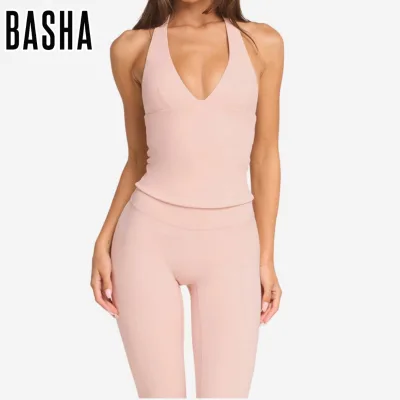


Comprehensive Sourcing Guide
Sourcing Strategy for Breathable Sweat-Wicking Modal Yoga Tops
The global demand for high-performance activewear has driven a significant shift toward materials that balance comfort, durability, and functional aesthetics. When sourcing a breathable sweat-wicking modal yoga top, buyers must navigate a complex landscape of material science, manufacturing capabilities, and supply chain logistics. While the core keyword suggests a specific fiber blend, the reality of the B2B market often involves a variety of fabric compositions that achieve similar performance outcomes. This guide provides a structured approach to evaluating suppliers, verifying technical claims, and establishing a robust procurement strategy for yoga apparel that meets rigorous quality standards.
Material Composition and Performance Verification
The foundation of any successful yoga top lies in its material composition. The term "modal" refers to a type of rayon made from beech tree pulp, known for its softness and breathability. However, in the context of high-intensity yoga and sports, pure modal is often blended with synthetic fibers to enhance durability and moisture management. Based on observed market data, successful products in this category frequently utilize blends such as Polyester and Spandex or Nylon and Spandex. These combinations are critical for achieving the "sweat-wicking" and "breathable" attributes required for active wear.
Buyers should verify that the fabric composition aligns with the intended use case. For instance, a blend of 90% Polyester and 10% Spandex offers excellent shape retention and quick-drying capabilities, which are essential for high-sweat environments. Conversely, Nylon blends provide a softer hand feel while maintaining strength. It is crucial to request physical swatches to confirm the "Quick-Drying" and "Moisture-Wicking" claims. Suppliers often list features such as "Anti-UV" and "Anti-Static" properties, but these must be validated through lab testing rather than accepted as standard assertions. The fabric type should also be examined for its "Rip-Stop" capabilities, ensuring the garment can withstand the friction and stretching inherent in yoga poses without tearing.
Technical Specifications and Design Features
Beyond the raw material, the technical specifications of the garment dictate its functionality and market appeal. A comprehensive review of product attributes reveals that modern yoga tops often feature "Hight Waist" designs to provide abdominal support and prevent rolling during movement. The closure type is another critical specification; "Pull on" styles are the industry standard for yoga tops due to their ease of wear and lack of hardware that could cause discomfort.
The construction technology also plays a vital role in performance. "Seam" technology, specifically flat-lock or seamless knitting, is frequently cited as a key feature to reduce chafing. Buyers should investigate whether the supplier utilizes advanced stitching techniques that integrate the fabric structure directly into the design. Additionally, the "Pattern" of the fabric, whether "Pure Colour" or "Plaid," influences the aesthetic appeal, while "Multi Colors" options allow for broader market segmentation. The "Bra" integration is a significant design consideration; many products are designed with an internal "Within" bra structure to eliminate the need for separate undergarments, enhancing the streamlined look required for yoga practice.
Compliance, Certification, and Safety Standards
In the B2B apparel sector, compliance is not merely a regulatory hurdle but a marker of quality and ethical manufacturing. While specific certifications like OEKO-TEX or GOTS are often sought after, buyers must verify the actual status of these certifications for each specific product batch. The supplied data indicates that suppliers operate under "OEM&ODM" standards, which implies a high degree of customization but requires rigorous quality assurance protocols.
Buyers should prioritize suppliers who can provide evidence of chemical compliance, particularly regarding the absence of harmful substances in the dyes and finishes used for "Quick-Drying" treatments. The "Standard" of production, often cited as specific weights like 0.24kg/pc or 0.3kg, serves as a proxy for fabric density and durability. However, weight alone is insufficient; it must be correlated with tensile strength tests. Furthermore, the "Care Instructions" provided, such as "Machine Wash," must be validated to ensure the garment retains its shape and color after repeated laundering. Suppliers should be able to demonstrate that their products meet international safety standards for textiles, ensuring they are safe for direct skin contact during prolonged physical activity.
Cost Drivers and Pricing Dynamics
Understanding the cost structure of breathable yoga tops is essential for maintaining healthy profit margins. The observed price range in the market spans from $3.3 to $9.5 USD, a variance driven by several factors including material quality, customization level, and order volume. The "MOQ" (Minimum Order Quantity) is a primary cost driver, with ranges observed from 1 piece for stock items to 400 pieces for custom designs.
Customization significantly impacts the final price. Options such as "Custom Logo Printing," "Custom Color," and "Customized Logo Printing" often require a higher MOQ, typically around 200 pieces per design, to amortize the setup costs of screen printing or embroidery. The "Packing" method also influences costs; options like "Carton," "Zipper Polybag," or "OPP Bag" vary in material expense and labor intensity. Buyers should note that "Express" shipping options, while faster, incur higher logistics costs compared to "Sea" or "Air" freight. Additionally, the "Leadtime" for stock items (often 3-5 working days) is generally lower cost than custom production, which may require 5-15 days or longer depending on the complexity of the "Sampling Time" and production schedule.
Supplier Evaluation and Capability Assessment
Selecting the right supplier requires a multi-dimensional evaluation of their capabilities. The "Type" of supplier, whether they specialize in "PC" (Personal Computer) related manufacturing or specific "Sportswear Type" categories, indicates their expertise. A supplier claiming to produce "Women Sports Yoga Top" should demonstrate a track record in this specific niche. The "Location" of the supplier, often identified as "China," suggests access to a robust supply chain for synthetic fibers and manufacturing infrastructure.
Buyers must assess the supplier's flexibility regarding "Customization." The ability to accept "Custom as Required" orders with a specific MOQ of 200 pieces per design is a strong indicator of a capable partner. The "Sampling Time" of 1-7 days is a critical metric for speed-to-market; suppliers who can deliver samples quickly allow for faster iteration and product refinement. Furthermore, the "Payment" terms, such as "T/T," "Paypal," or "West Union," should be evaluated for security and convenience. A reputable supplier will offer transparent terms and maintain clear communication channels throughout the procurement process.
Quality Control and Long-Term Procurement Considerations
Ensuring consistent quality is paramount for long-term success in the activewear market. The "Features" listed, such as "Body Shape" enhancement and "Anti-Static" properties, must be consistently delivered across all units. Buyers should implement a quality control protocol that includes pre-production sample approval, in-line inspections during manufacturing, and final random inspections before shipment. The "Product Name" and "Keywords" associated with the item, such as "Yoga Crop Top" or "Seam Top," should be verified against the physical product to ensure accurate representation.
Long-term procurement considerations involve building a relationship with suppliers who can scale with demand. The "Delivery Time" of 3-5 working days for stock items is excellent for replenishment, but custom orders require careful planning. Buyers should also consider the "Usage" scenarios, ensuring the product is suitable for "Sports, Fitness, Yoga, Tennis, Jogging, Cycling." A versatile product that performs well across multiple activities offers better market resilience. Finally, the "Packing" standards, such as "One Item Per Bag," must be consistent to prevent damage during transit and ensure a professional presentation to the end consumer.
Comparative Analysis of Product Attributes
To facilitate decision-making, the following table summarizes key attributes observed in the market for breathable sweat-wicking yoga tops, highlighting the variations buyers may encounter.
| Attribute Category | Observed Variations | Procurement Implication |
|---|---|---|
| Material Composition | Polyester/Spandex, Nylon/Spandex | Verify blend ratios for stretch and wicking performance. |
| Customization Level | Custom Logo, Custom Color, OEM/ODM | Higher MOQs (e.g., 200 pcs) required for full customization. |
| MOQ Range | 1 PC (Stock) to 400 PC (Custom) | Stock items allow for lower risk; custom requires volume commitment. |
| Lead Time | 3-5 Days (Stock) to 15+ Days (Custom) | Plan inventory levels based on lead time variability. |
| Packing Method | Zipper Polybag, OPP Bag, Carton | Select based on retail presentation and shipping cost efficiency. |
| Key Features | High Waist, Rip-Stop, Quick-Drying | Ensure features match target customer needs (e.g., support vs. breathability). |
| Shipping Options | Sea, Air, Express | Balance cost vs. urgency; Express is costly but fast. |
Strategic Sourcing Recommendations
In conclusion, sourcing a breathable sweat-wicking modal yoga top requires a meticulous approach that balances material science, design functionality, and supply chain logistics. Buyers should prioritize suppliers who can provide verifiable evidence of their material claims and offer flexible customization options within a reasonable MOQ framework. By focusing on technical specifications such as fabric blend, seam technology, and closure types, and by rigorously evaluating supplier capabilities regarding lead times and quality control, buyers can secure a product line that meets the high demands of the modern yoga and fitness market. The observed price range and MOQ variations provide a clear roadmap for budgeting and inventory planning, ensuring that the final product delivers both performance and value to the end consumer.
FAQs
What materials are used for breathable sweat-wicking modal yoga tops?
Products typically use Polyester and Spandex or Nylon and Spandex blends rather than pure modal. These combinations provide the necessary durability, shape retention, and quick-drying capabilities required for high-intensity yoga and sports activities.
Can I customize the logo and color for my order?
Yes, customization is available with options for custom logo printing and custom colors. However, full customization usually requires a minimum order quantity of 200 pieces per design to cover setup costs effectively.
What is the minimum order quantity for stock items?
The minimum order quantity for stock items can be as low as one piece. Custom designs generally require a higher threshold, often starting at 200 pieces per design to ensure production feasibility.
How long does it take to receive stock orders?
Delivery time for stock items is typically between 3 to 5 working days. Custom orders may require a longer lead time of 5 to 15 days depending on the complexity of the customization and sampling process.
Which features do these yoga tops include for performance?
Key features include high waist design, rip-stop fabric, and moisture-wicking properties. Additional attributes often encompass anti-UV protection, anti-static capabilities, and breathable construction suitable for various sports like yoga and jogging.
What packaging options are available for these products?
Packaging options vary from individual zipper polybags to OPP bags or cartons. The specific packing method depends on the supplier and order type, with standard practices often including one item per bag for protection.
Where are these yoga tops manufactured?
The products originate from China, which offers a robust supply chain for synthetic fibers. This location supports the manufacturing of various sportswear types including women's yoga tops and vests with competitive pricing.