Source Breathable Waterproof Hip Brace for sports, recovery, and protection
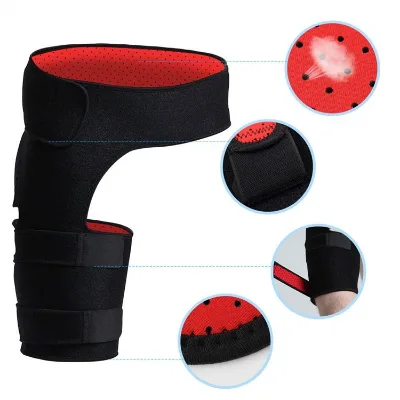
Compare 17 Breathable Waterproof Hip Brace options from verified Chinese suppliers. Buyers can evaluate neoprene and cotton materials, custom sizes, and protection features for sports and injury prevention. These products offer universal sizing, breathable designs, and eco-friendly options suitable for adult athletes seeking reliable hip support during various activities.
Updated
Key considerations
Products List




Comprehensive Sourcing Guide
Breathable Waterproof Hip Brace Sourcing Guide
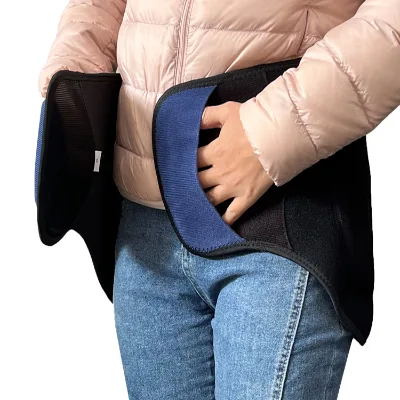
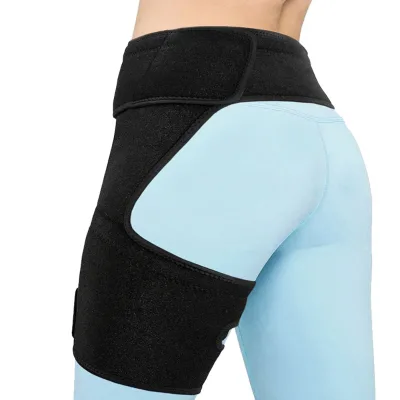
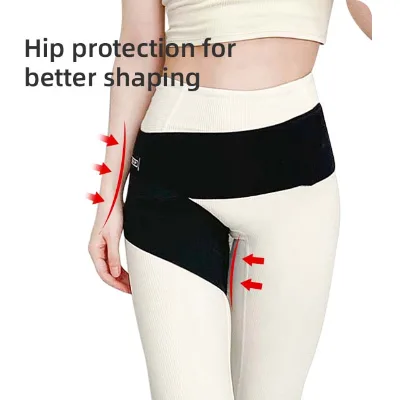
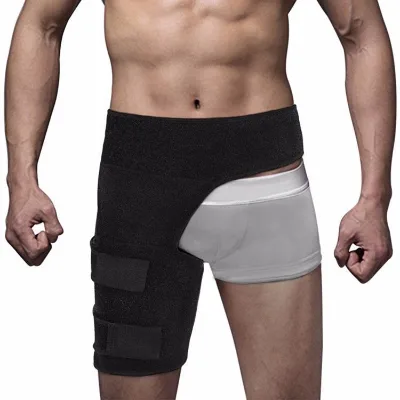
Sourcing a Breathable Waterproof Hip Brace for B2B resale or distribution requires balancing material performance, sizing flexibility, and supplier customization capability. The listings observed for this product category span hip braces, hip protector pads, groin supports, and adjacent knee support items, which means buyers must first clarify whether they are sourcing a compression-style brace, a padded protector, or a laced stabilizer before comparing quotations. Product attributes in the observed data include neoprene and cotton constructions, unisex and women-specific fits, and customization options such as OEM branding and customized logos, giving buyers meaningful room to differentiate their offer.
This guide walks through the full procurement cycle: defining product scope, verifying technical specifications, requesting appropriate documentation, understanding cost drivers, qualifying suppliers, and planning long-term quality checks. All examples and signals referenced here come directly from observed listing data, including sample availability within two to three days, MOQs ranging from a single piece to 200 pieces, and observed price points between roughly 3 and 75 USD. Use these signals as benchmarks for comparison rather than as guarantees, since individual listings vary and attributes should always be confirmed with the supplier before contracting.
Product Scope and Observed Listing Signals
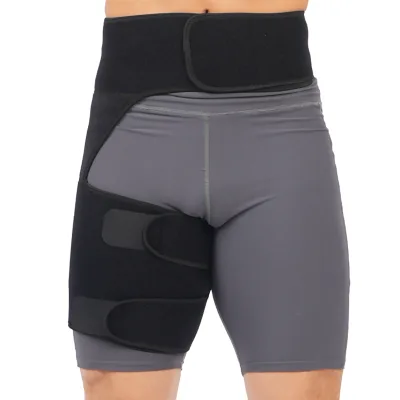
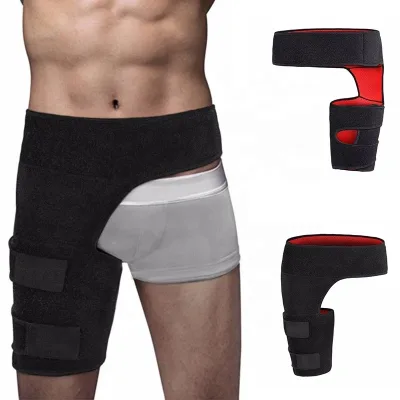
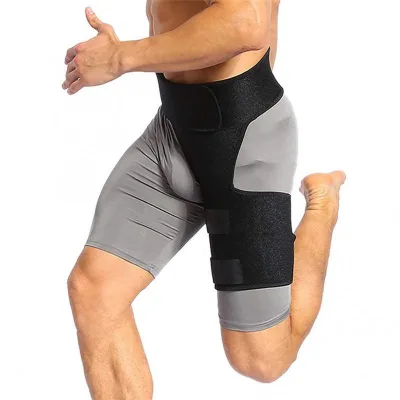
The observed listings cover several related product types under the broader hip support umbrella. One listing is explicitly a Neoprene Hip Brace with model number FG-K027, positioned for knee sleeve, brace, and support functions in black, available in free size with custom sizing accepted, at an MOQ of 200 pieces from Guangdong, China. Another is a Sports Hip Protector Pad (model HT02) made of cotton, marketed for hip protection and injury reduction, with sizes S through L matched to leg circumference ranges of roughly 40–76 cm and waist circumference ranges up to 100 cm, sold from Jiangxi, China with a color box package and an MOQ of one piece. A third is a Breathable Neoprene Groin Support (model CH-H003) from Tianjin, China, in one size with lace-up closure and professional-protection positioning.
These signals tell buyers that "hip brace" is a heterogeneous category. Before requesting quotes, define which body-part focus, closure type, and material your market needs. Note also that observed MOQs range from 1 to 200 pieces and prices from 3.1 to 75 USD, so product type choice directly drives minimum commitment and landed cost. Use the sample availability signal—listed at two to three days—to shortlist suppliers quickly, but validate every attribute against a physical sample.
Technical Specifications to Verify
Material is the first specification to lock down. Observed listings use neoprene and cotton, and the core keyword implies breathable, waterproof performance, so request written confirmation of the exact fabric composition, any laminating or coating process that delivers water resistance, and how breathability is achieved—perforation, mesh panels, or fabric choice. Ask for thickness details where relevant; one listing describes its support as "thick," which suggests warmth and cushioning but may reduce airflow. Confirm stitch type, edge binding, and whether neoprene items use flatlock or blind stitching, since seam quality determines both durability and water ingress.
Sizing and fit specifications require equal attention. Observed data shows a mix of approaches: one size only, free size with custom acceptance, and graded S/M/L tied to specific leg and waist circumference ranges. Decide which scheme fits your customer base and request a size chart with tolerance bands. Verify closure types—lace-up versus slip-on compression—affects both adjustability and manufacturing cost. Also confirm package dimensions and weights, since observed listings range from a 12×4.5×17 cm, 0.130 kg single-item pack to a 25×16×5 cm package, which materially affects freight calculations.
Compliance and Safety Documentation
Because hip braces and supports are body-contact wearable products, buyers should request safety documentation proportionate to their destination market before placing orders. Ask suppliers to declare what testing their neoprene and cotton materials have undergone for restricted substances, skin-contact safety, and labeling compliance. One listing carries a CE marking reference in background data, but this is low-confidence information and must not be treated as verified—request the actual certificate, identify the notified body or testing laboratory where applicable, and confirm the certificate covers the specific model number you intend to purchase, not merely a similar product family.
Beyond regulatory certificates, request material safety data or test reports for dyes, adhesives, and any coatings used to achieve water resistance, since these are the components most likely to raise skin-compatibility questions. Verify claim discipline as well: terms like "Professional Protection," "Breathable," and "Eco-Friendly" appear in observed listings but are marketing attributes unless substantiated. Ask the supplier to state the basis for each claim in writing. Keep documentation on file per model number (for example, FG-K027, HT02, CH-H003) so that any future audit or marketplace verification can be answered quickly and consistently.
Cost Drivers and Commercial Terms
Observed price points in this category range widely, from about 3.1 USD to 75 USD, and understanding what drives that spread protects you from both overpaying and under-specifying. Key drivers include material choice (neoprene versus cotton), padded construction versus simple compression, closure hardware such as lace-up systems, grading into multiple sizes instead of one-size, packaging format (opp bag versus color box), and customization level—OEM branding and customized logos typically add setup costs and minimums. Shipping weight and volume matter too: compare the 0.130 kg single-item listing against bulkier packaged supports when calculating freight per unit.
Commercial terms should be negotiated explicitly. Observed MOQs span 1 piece to 200 pieces and one listing references packaging in 500-piece lots, so align order quantities with your sell-through capacity rather than assuming a category standard. Confirm what the quoted price includes: sample cost and refund policy, tooling or logo setup fees for customized orders, packaging artwork, and incoterms for freight. Because sample lead time is listed at two to three days, budget for a sample-approval round before mass production, and document agreed specifications—material, size chart, color, logo placement—in a signed specification sheet to prevent substitution during production.
Supplier Qualification and Quality Control
Qualify suppliers by validating the attributes they list rather than taking them at face value. Observed origin regions include Guangdong, Jiangxi, and Tianjin in China, each associated with different supply-chain ecosystems for textiles and supports. Request business licenses, factory photos or audit reports, and evidence of production capability for the specific product type you need—a cotton hip pad producer and a neoprene brace producer are not interchangeable even when listings look similar. Confirm customization capability in practice by commissioning a sample with your logo and packaging requirements, since "Customized Logo Accept" and "is_customized: Yes" claims should be proven cheaply before committing to volume.
Build a quality control plan matched to the product's risk profile. For a wearable support, define inspection checkpoints on seam strength, closure durability, size accuracy against the agreed chart, odor and surface defects in neoprene, and packaging contents per the specified pack format (opp bag or color box). Specify acceptance criteria and sampling methodology in the purchase contract, and decide whether you will rely on supplier self-inspection, third-party inspection, or both. Keep the pre-production sample as the sealed reference standard, and require that mass production match it in material, workmanship, and dimensions.
Long-Term Procurement Checks
Once initial orders succeed, shift focus to consistency and relationship durability. Track whether reorders match the approved specification: material batch changes in neoprene or cotton can alter feel, elasticity, and water resistance without any visible announcement, so retain retained samples from each production lot and compare them periodically. Monitor the supplier's responsiveness on repeat sample requests—the two-to-three-day sample turnaround observed in listings is a useful service benchmark—and watch for drift in lead times, packaging quality, or logo execution across successive orders. Maintain a documented record of model numbers, agreed size charts, and packaging formats to keep multi-SKU catalogs under control.
Plan your assortment and risk management over a longer horizon. Because the observed category mixes unisex and women-specific products, all-season items, and single-size versus graded-size designs, review sales data to determine which configuration deserves deeper inventory and which should remain a low-MOQ trial item. Diversify across at least two qualified suppliers per key SKU where volume justifies it, using the MOQ spread (1–200 pieces) to keep a secondary source warm with smaller orders. Reconfirm compliance documentation annually or whenever the supplier changes material sources, and renegotiate commercial terms as volumes grow to capture cost savings without degrading specification discipline.
FAQs
What materials are used for breathable hip braces?
Breathable hip braces are commonly made from neoprene or cotton blends. Neoprene offers elasticity and support, while cotton provides comfort and eco-friendly properties. These materials ensure the brace remains breathable during use, reducing sweat buildup and enhancing wearer comfort for extended periods of activity or daily wear.
Can I customize the logo on hip braces?
Yes, many suppliers accept customized logos on hip braces. This service allows buyers to brand products for specific markets or corporate needs. Customization options typically include printing or embroidery, ensuring your brand identity is visible. This feature is widely available across various manufacturers to meet specific B2B requirements.
What sizes are available for hip protection pads?
Hip protection pads come in various sizes, including S, M, and L, or one-size-fits-all options. Sizes are often determined by leg or waist circumference measurements. For instance, some models fit waists from 58cm to 100cm. Custom sizing is also accepted to ensure a precise fit for different body types and needs.
How long does sample production take?
Sample production typically takes 2 to 3 days. This quick turnaround allows buyers to evaluate product quality and fit before placing larger orders. Suppliers often expedite samples to facilitate faster decision-making. This efficiency helps streamline the sourcing process, ensuring that buyers can assess the product's suitability promptly.
What is the minimum order quantity for hip braces?
Minimum order quantities vary by supplier, ranging from 1 piece to 200 pieces. Some vendors offer low MOQs for testing, while others require bulk orders. This flexibility allows buyers to start small or commit to larger volumes. Understanding MOQs helps in planning inventory and managing initial procurement costs effectively.
Where are these hip braces manufactured?
These hip braces are primarily manufactured in China, with origins in regions like Guangdong, Jiangxi, and Tianjin. These areas are known for their robust manufacturing capabilities and supply chain efficiency. Sourcing from these locations often provides access to a wide variety of products and competitive pricing for international buyers.