Source Brushed Power Steering Ball for Cars, Yachts, and Boats
Compare 30 listings for the Brushed Power Steering Ball available from suppliers in China. Buyers can review specifications like material, size, and certification to find the right component for automotive or marine applications.
Key considerations
Products List






Comprehensive Sourcing Guide
Strategic Sourcing Guide for Brushed Power Steering Balls
The automotive aftermarket and marine hardware sectors rely heavily on precision components that enhance vehicle handling and user experience. Among these, the Brushed Power Steering Ball represents a critical interface between the driver and the vehicle's steering mechanism. Sourcing these components requires a disciplined approach that balances technical performance, material integrity, and supply chain reliability. This guide provides a comprehensive framework for procurement professionals to evaluate potential suppliers and products, ensuring that the selected components meet rigorous operational standards without relying on unverified marketing claims.
Technical Specifications and Material Composition
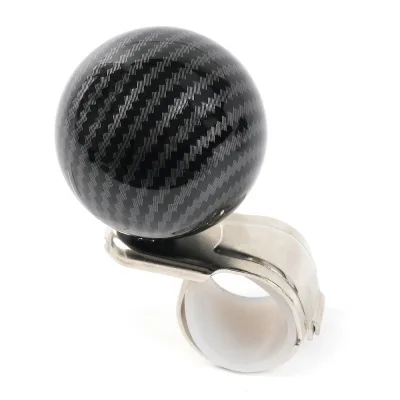
When evaluating brushed power steering balls, the primary focus must be on the physical attributes that dictate durability and functionality. The product specifications observed in the market indicate a diverse range of materials, including plastic, stainless steel, and general steel. The choice of material is not merely aesthetic but directly influences the component's resistance to wear, corrosion, and load-bearing capacity. For instance, products labeled with a "Black carbon pattern ball" or "Colorful ball" often utilize plastic composites, whereas "Silver" variants typically denote stainless steel construction. The material selection must align with the specific application environment; marine applications, such as those for yachts and boats, demand higher corrosion resistance, often necessitating stainless steel or high-grade polished steel over standard plastic options.
Dimensional consistency is another critical technical parameter. The observed data reveals specific size configurations, such as 13x13x7 cm for single packages and model numbers ranging from 0.5mm to 76.2mm in diameter. Some listings specify exact sizes like 4.5mm or 5mm, while others offer broader ranges like 13-1/2 inch or 15-1/2 inch. Procurement teams must verify that the supplier can maintain tight tolerances within these ranges. The weight of individual units, observed at approximately 0.24kg per piece for certain models, serves as a baseline for logistics planning and inventory management. Furthermore, the "Type" of the component is often categorized as a "Bearing Ball," implying a specific geometric precision required for smooth rotation within the steering assembly. Buyers should request detailed engineering drawings to confirm that the internal geometry matches the intended steering system's requirements, particularly regarding the "Number of Rows," which can be single or double.
Compliance, Certification, and Quality Standards
In the B2B procurement landscape, certification serves as a proxy for a supplier's commitment to quality management systems. The available product data highlights several certifications, including ISO, CE, ISO9001, and SGS. While the presence of these marks is positive, buyers must verify the validity of these certifications through independent databases rather than accepting them at face value. The "Standard Parts" attribute suggests that the components adhere to established industry norms, yet the specific standard numbers should be confirmed. For example, marine hardware applications often require compliance with specific maritime safety standards, which may extend beyond general ISO certifications.
The "Surface Treatment" process is equally vital for long-term performance. Products described as "High Mirror Polished" or simply "Polished" indicate a specific finishing process that reduces friction and prevents rust. However, the efficacy of this treatment depends on the underlying material quality. A polished stainless steel ball will perform differently than a polished steel ball in a humid environment. Buyers should inquire about the specific surface treatment protocols used by the supplier to ensure that the finish is not merely cosmetic but functional. Additionally, the "OEM" (Original Equipment Manufacturer) capability, noted as "Accept" or "Accpect" in various listings, indicates the supplier's flexibility in customizing products. This customization capability must be balanced against the supplier's ability to maintain consistent quality across different batches, especially when dealing with "Customized" orders.
Cost Drivers and Pricing Dynamics
Understanding the cost structure of brushed power steering balls is essential for budgeting and negotiation. The observed price range in the market spans from 0 to 800 USD, a wide variance that reflects differences in material quality, manufacturing complexity, and order volume. The "MOQ" (Minimum Order Quantity) is a significant cost driver, with observed ranges from 1 piece to 1000 pieces. Suppliers offering low MOQs, such as 1 or 2 pieces, may charge a premium per unit to cover setup and handling costs, whereas bulk orders can significantly reduce the unit price. The "Selling Units" are typically listed as "Single item," but the actual transaction often involves bulk packaging.
Packaging and logistics also contribute to the total cost of ownership. The "Package" specifications vary from simple cartons to "Carton+Wooden Pallet" configurations. The choice of packaging affects shipping costs and the risk of damage during transit. For heavy or high-value orders, the inclusion of wooden pallets is often necessary to meet international shipping standards. The "Single gross weight" of 0.240 kg per piece provides a baseline for calculating freight costs, but buyers must account for the weight of the packaging material as well. Additionally, the "Small Orders: Accepted" attribute suggests that some suppliers are willing to accommodate smaller quantities, which can be beneficial for prototyping or initial market testing, though it may impact the overall cost efficiency.
Typical Applications and Usage Scenarios
The versatility of brushed power steering balls allows them to be utilized across various industries, though the specific application dictates the required specifications. The primary application noted is for "Car steering wheel power ball," indicating a direct role in automotive steering assistance. However, the data also points to "Yacht" and "Boat" applications, highlighting the component's relevance in marine hardware. In these environments, the "Surface Treatment" and "Material" become paramount, as exposure to saltwater and humidity can accelerate corrosion.
Beyond automotive and marine uses, the "Application" field lists "other," suggesting potential use in industrial machinery or construction equipment. The "Usage" attributes, such as "Grind," "Chemical," and "Construction," imply that these components may be subjected to abrasive or harsh chemical environments. In such cases, the "Material" choice of stainless steel or high-grade steel is crucial. The "Universal" attribute, marked as "Yes" for certain models, suggests a degree of interchangeability, which can simplify inventory management for fleet operators. However, buyers must verify the compatibility of these universal parts with specific vehicle or equipment models to avoid installation issues. The "Content" range of 75% ~ 80% mentioned in some listings may refer to material composition or fill rates, requiring clarification to ensure it meets the intended performance criteria.
Supplier Evaluation and Geographic Considerations
Selecting the right supplier involves a thorough evaluation of their operational capabilities and geographic location. The "Place of Origin" is predominantly listed as "Guangdong, China" and "Shandong China(Mainland)," regions known for their manufacturing hubs. While these locations offer competitive pricing and established supply chains, buyers should conduct due diligence to ensure the suppliers adhere to international labor and environmental standards. The "Brand Name" varies, with names like "HEALING," "MZJ," and "Alastin" appearing in the market. It is important to note that brand names do not necessarily correlate with product quality; a lesser-known brand may offer superior specifications compared to a well-known one.
The "Customization" availability is a key differentiator among suppliers. Suppliers that offer "Customized" options can tailor the product to specific client needs, such as unique colors, sizes, or material compositions. However, customization introduces complexity into the supply chain, potentially affecting lead times and quality control. Buyers should assess the supplier's capacity to manage these custom orders without compromising on the "Standard Parts" integrity. The "OEM" acceptance indicates a willingness to produce under the buyer's brand, which is beneficial for companies looking to establish their own product lines. However, this requires a strong contractual agreement to protect intellectual property and ensure quality consistency.
Quality Control and Long-Term Procurement Strategy
Implementing a robust quality control (QC) strategy is essential for mitigating risks associated with sourcing brushed power steering balls. Given the variation in "Material" and "Surface Treatment," buyers should establish clear acceptance criteria before placing orders. This includes requesting sample testing for dimensions, weight, and surface finish. The "Certificate" of CE/ISO9001/SGS should be verified for each batch, ensuring that the supplier maintains consistent quality over time. Regular audits of the supplier's production facilities can provide additional assurance of their QC processes.
Long-term procurement considerations involve building a sustainable relationship with suppliers who can scale with demand. The "MOQ" flexibility observed, ranging from 1 to 1000 pieces, allows buyers to start small and scale up as market demand grows. However, as order volumes increase, buyers should negotiate better pricing and prioritize suppliers who can guarantee consistent lead times. The "Single package size" and "Package" specifications should be standardized to optimize logistics and reduce shipping costs. Additionally, the "Type" of the component, whether "Bearing Ball" or other variations, should be consistently maintained to ensure compatibility with existing systems. By focusing on these strategic elements, buyers can secure a reliable supply of high-quality brushed power steering balls that meet their operational needs.
Comparative Analysis of Product Attributes
To facilitate informed decision-making, the following table summarizes key attributes observed in the market, highlighting the variations that buyers must consider during the sourcing process.
| Attribute | Observed Variations | Sourcing Implication |
|---|---|---|
| Material | Plastic, Stainless Steel, Steel | Determine based on application (e.g., marine vs. automotive) and corrosion resistance needs. |
| Size/Model | 0.5mm-76.2mm, 4.5mm, 5mm, 13x13x7cm | Verify exact dimensional requirements against engineering drawings to ensure fit. |
| Certification | ISO, CE, ISO9001, SGS | Validate certificates independently; ensure they cover the specific product batch. |
| Surface Treatment | Polished, High Mirror Polished | Critical for friction reduction and corrosion prevention; verify process details. |
| MOQ | 1 pcs, 2 PCS, up to 1000 | Balance between inventory costs and unit price; negotiate based on volume. |
| Origin | Guangdong, China; Shandong, China | Assess logistics costs and lead times associated with specific manufacturing hubs. |
| Application | Car Steering, Yacht, Boat, Construction | Match material and finish to the specific environment (e.g., saltwater for marine). |
| Customization | Available, Customized | Confirm supplier's ability to handle custom orders without compromising quality. |
This comparative analysis underscores the importance of detailed specification review. Buyers should not assume that all products labeled as "brushed power steering balls" are interchangeable. The specific combination of material, size, and surface treatment must align with the intended application to ensure optimal performance and longevity. By adhering to these rigorous evaluation criteria, procurement professionals can navigate the complexities of the market and secure components that deliver value and reliability.
FAQs
What materials are used for brushed power steering balls?
Materials include plastic, stainless steel, and general steel depending on the specific model. Plastic options often feature carbon patterns, while stainless steel variants provide higher corrosion resistance for marine applications like yachts and boats.
Which certifications are available for these steering components?
Available certifications include ISO, CE, ISO9001, and SGS. Buyers should verify these marks independently as they indicate adherence to quality management systems and safety standards for automotive and marine hardware applications.
Can suppliers customize the size and color of the ball?
Yes, customization is available for size, color, and material specifications. Suppliers offer options like black carbon pattern, colorful, or coffee balls, with model numbers ranging from 0.5mm to 76.2mm to meet specific engineering requirements.
What is the minimum order quantity for purchasing these parts?
The minimum order quantity ranges from 1 piece to 1000 pieces depending on the supplier. Some vendors accept small orders starting at 2 pieces, while others require bulk purchases to optimize unit pricing and production efficiency.
How does the surface treatment affect the product performance?
Surface treatments like polished or high mirror polished finishes reduce friction and prevent rust. This is critical for marine environments where exposure to saltwater requires durable stainless steel or high-grade polished steel over standard plastic options.
Where are these products typically manufactured?
Products are primarily manufactured in Guangdong and Shandong, China. These regions are known for their manufacturing hubs, offering competitive pricing and established supply chains for automotive and marine hardware components.
What packaging options are provided for shipping?
Packaging options include cartons, carton boxes, and carton plus wooden pallet configurations. The single package size is often 13x13x7 cm, with gross weights around 0.240 kg per piece to ensure safe transit.