Source Field Installable Fiber Fast Connector for FTTH, ODF, and Distribution Frames
Explore 30 Field Installable Fiber Fast Connector options for FTTH, ODF, and distribution frames. Buyers can compare single-mode and multimode variants with APC or UPC endfaces, insertion loss under 0.5dB, and customizable cable diameters from verified suppliers.
Key considerations
Products List


Sc Field Installable Quick Connector Fibr Optic Sc Fast Assembly Connector
$0.40 - $0.70
MOQ: 100 Pieces


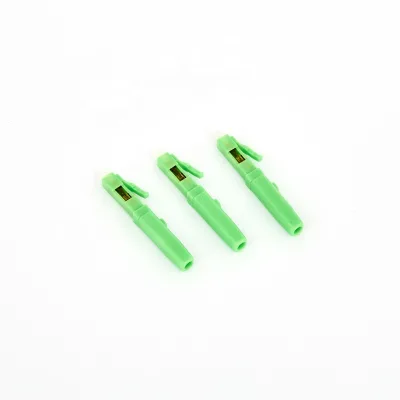


Comprehensive Sourcing Guide
Strategic Sourcing Guide for Field Installable Fiber Fast Connectors
The global demand for rapid fiber deployment has elevated the importance of field installable fiber fast connectors. These components are engineered to minimize installation time and reduce the need for specialized splicing equipment, making them indispensable for FTTH (Fiber to the Home) projects and last-mile connectivity. For procurement professionals, navigating the market requires a disciplined approach that distinguishes between verified product attributes and general market claims. This guide synthesizes observed market data and technical specifications to provide a framework for evaluating suppliers and selecting the right hardware for distribution frames and ODF (Optical Distribution Frames) applications.
Technical Architecture and Connector Variants
Understanding the physical and optical architecture of the connector is the first step in any sourcing decision. The market presents distinct variants based on the ferrule endface and the connector structure. The most prominent configuration observed in current listings is the SC-APC (Angled Physical Contact) design. This variant features a square shape and is specifically engineered for single-mode transmission. The angled endface is critical for minimizing back reflections, which is a primary requirement in high-performance networks. The observed specifications indicate that these connectors are designed for single-core applications, ensuring a focused light path that maximizes signal integrity.
However, the market also offers FC-APC and FC-UPC options, which utilize a circular ferrule structure rather than the square profile of the SC type. Buyers must verify the specific connector type required for their existing infrastructure, as mixing SC and FC interfaces without appropriate adapters can lead to installation failures. The transmission medium is predominantly single-mode, though some listings suggest compatibility with multimode fibers, a distinction that must be confirmed against the specific project requirements. The "Fast Connector" designation implies a push-pull or snap-in mechanism that allows for tool-less or minimal-tool installation, a feature that significantly accelerates field deployment compared to traditional fusion splicing methods.
| Connector Type | Ferrule Endface | Structure | Shape | Typical Application |
|---|---|---|---|---|
| SC-APC | APC | SC | Square | Fiber Distribution Frame |
| FC-APC | APC | FC | Circular | ODF / Splitter |
| SC/UPC | UPC | SC | Square | General Fiber Distribution |
Optical Performance and Physical Specifications
Performance metrics are the backbone of any fiber optic procurement. The optical characteristics of these fast connectors are defined by Insertion Loss (IL) and Return Loss (RL). Verified data from the supply chain indicates that high-quality units typically achieve an insertion loss of less than 0.5dB, with typical values often averaging around 0.2dB. Some premium specifications suggest even tighter tolerances, with average insertion loss at or below 0.2dB and a maximum limit of 0.4dB. These figures are crucial for maintaining signal strength over long distances, particularly in passive optical networks where every decibel counts.
Return loss is equally vital, especially for APC connectors where the angled endface is designed to reflect light away from the source. The observed data specifies a return loss of more than 60dB for APC configurations, while other listings note a threshold of greater than 55dB. These high values ensure that signal reflection does not interfere with the laser source, preventing data errors and system instability. Beyond optical metrics, the physical robustness of the connector is defined by its tensile strength. Field installable connectors must withstand pulling forces during installation; specifications indicate an allowed tensile strength of greater than 40N, ensuring the connection remains secure under mechanical stress.
Physical dimensions also play a role in compatibility. The connector housing is often compact, with observed dimensions around 51mm in length, 9mm in width, and 7.55mm in height. This small footprint allows for high-density packing in distribution frames. The cable diameter compatibility is another critical specification, with units designed to accept various cable sizes including 0.9mm, 2.0mm, 3.0mm, and 2.0*3.0mm. Procurement teams must ensure the selected connector matches the specific cable jacket diameter of the fiber being deployed to avoid fitment issues.
Compliance, Certification, and Environmental Resilience
In the B2B sector, compliance is not merely a formality but a prerequisite for market access and liability protection. The supply chain data highlights several key certifications that reputable suppliers should possess. The most common standards observed include CE (Conformité Européenne), RoHS (Restriction of Hazardous Substances), and ISO9001 for quality management. Some listings also reference ISO, Reach, and CE as part of a comprehensive compliance suite. These certifications verify that the materials used in the connector housing and ferrule do not contain hazardous substances and that the manufacturing process adheres to international quality standards.
Environmental resilience is another critical factor for field installable connectors, which are often exposed to varying conditions during installation and operation. The operating temperature range is a key specification, with observed data indicating a range from -40°C to +80°C. This wide tolerance ensures that the connectors can function reliably in extreme climates, from freezing outdoor environments to hot industrial settings. The product condition is consistently listed as "New," which is a standard expectation for B2B procurement, but buyers should verify that the packaging protects the components from moisture and physical damage during transit.
Cost Drivers and Procurement Economics
The economics of sourcing fiber fast connectors are influenced by several variables, including customization, packaging, and order volume. The observed price range in the market is quite broad, spanning from $0.10 to $2.00 USD per unit. This variance is likely driven by the specific connector type (SC vs. FC), the certification level, and the volume of the order. The Minimum Order Quantity (MOQ) also fluctuates significantly, with observed ranges from 1 unit to 1000 units. This flexibility allows buyers to test samples with low MOQs before committing to large-scale procurement, though larger orders typically yield better unit economics.
Customization is a notable feature available in this market segment. Suppliers offer options for branding, with "OEM" or "Neutral Brand" being common descriptors. This allows network operators to have their own logos printed on the packaging or the connector itself, which is essential for maintaining brand consistency in large infrastructure projects. Packaging methods vary as well, ranging from individual blister boxes and cartons to bulk bags. The choice of packaging can impact the cost and the ease of inventory management on-site. Buyers should evaluate whether the packaging protects the delicate ferrule endface during shipping and storage, as damage to the endface can render the connector unusable.
Supplier Evaluation and Quality Assurance
Evaluating suppliers requires a focus on origin, consistency, and quality control processes. The majority of the observed supply originates from Shenzhen, China (Mainland), a hub for fiber optic manufacturing. While this location offers competitive pricing and a mature supply chain, it necessitates rigorous due diligence. Buyers should verify the supplier's ability to maintain consistent quality across batches, as the "OEM" designation implies that the product may be manufactured by different factories under the same brand.
Quality control should extend beyond the final product inspection to include the manufacturing process. The presence of ISO9001 certification is a strong indicator of a structured quality management system, but it does not guarantee that every individual unit meets the specified optical performance. Buyers should request test reports that verify insertion loss and return loss for specific batches. The "New" condition of the product is a baseline, but the integrity of the ferrule endface is paramount. Any scratches or contamination on the endface can drastically increase insertion loss and reduce return loss, negating the performance benefits of the connector.
Long-Term Procurement and Application Strategy
The strategic value of field installable fast connectors lies in their application within Fiber Distribution Frames and ODFs. These components are designed to facilitate quick termination in the field, reducing the need for specialized splicing technicians on-site. This capability is particularly valuable in FTTH projects where speed and cost-efficiency are paramount. The "Sc Fast Connector" and "FC Fast Connector" keywords highlight the versatility of these products in different network architectures.
For long-term procurement, buyers should consider the warranty and support structure. An observed warranty period of 18 months suggests a commitment to product reliability, but buyers must clarify the terms of this warranty, including what constitutes a defect and the process for replacement. Additionally, the compatibility with existing infrastructure is a long-term consideration. As networks evolve, the ability to source matching connectors for upgrades or repairs is essential. Selecting a supplier that offers a consistent product line and reliable lead times ensures that the network remains operational and scalable.
In conclusion, sourcing field installable fiber fast connectors requires a balanced approach that weighs technical specifications against cost and compliance. By focusing on verified attributes such as insertion loss, return loss, and certification status, buyers can mitigate risk and ensure the selection of high-performance components. The market offers a wide range of options, from single-mode SC-APC to multimode FC variants, each with specific applications and performance characteristics. A disciplined procurement strategy that prioritizes quality verification and supplier reliability will yield the best results for any fiber optic deployment project.
FAQs
What connector types are available for field installable fiber fast connectors?
Available types include SC-APC and FC-APC variants designed for single-mode transmission. Some listings also mention SC/UPC options, ensuring compatibility with different fiber distribution frames and ODF applications while maintaining high signal integrity.
How low is the insertion loss for these fast connectors?
High-quality units typically achieve an insertion loss of less than 0.5dB, with typical values averaging around 0.2dB. Premium specifications may show an average loss at or below 0.2dB and a maximum limit of 0.4dB for optimal performance.
Which certifications do these fiber connectors usually hold?
Reputable units commonly hold CE, RoHS, and ISO9001 certifications to ensure compliance with international standards. Some products also include Reach certification, verifying that materials do not contain hazardous substances and meet quality management requirements.
Can these connectors be customized for specific branding needs?
Yes, customization is available with options for OEM or neutral branding on the product or packaging. This allows network operators to maintain brand consistency while sourcing hardware that meets specific project requirements for distribution frames.
What is the operating temperature range for these connectors?
The connectors are designed to operate reliably within a temperature range of -40°C to +80°C. This wide tolerance ensures functionality in extreme climates, from freezing outdoor environments to hot industrial settings without performance degradation.
How much tensile strength do these fast connectors support?
Field installable connectors must withstand pulling forces with an allowed tensile strength greater than 40N. This ensures the connection remains secure under mechanical stress during installation and operation in various network environments.
What warranty period is typically offered for these products?
An observed warranty period of 18 months suggests a commitment to product reliability and performance. Buyers should clarify the specific terms regarding defects and replacement processes to ensure long-term support for their infrastructure projects.