Source USB Charging LED Refrigerator Sticker for Kitchen, Party, and Night Use
Compare 12 options for the USB Charging LED Refrigerator Sticker, featuring rechargeable batteries, touch controls, and various shapes. These versatile lights offer white or yellow illumination for kitchen decor, parties, and night visibility; compare the available evidence and request quotations based on your requirements.
Key considerations
Products List


New Mini Magnet Sticker Portable Square Double Sided Luminous LED Refrigerator
$1.95 - $2.15
MOQ: 200 Pieces
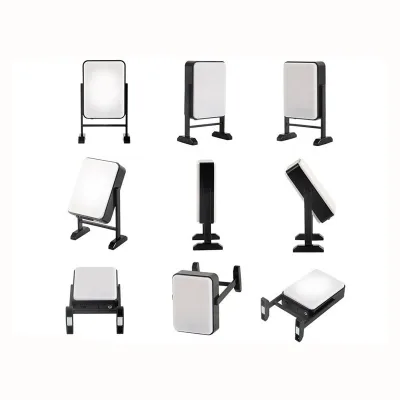
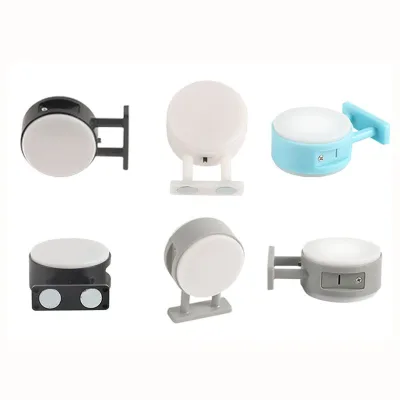
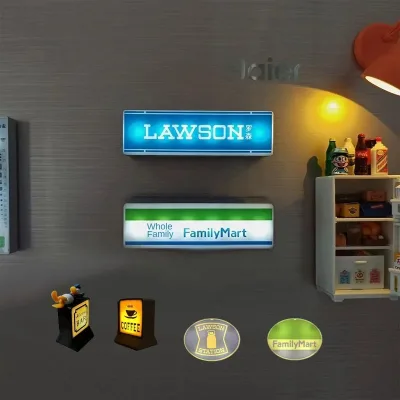
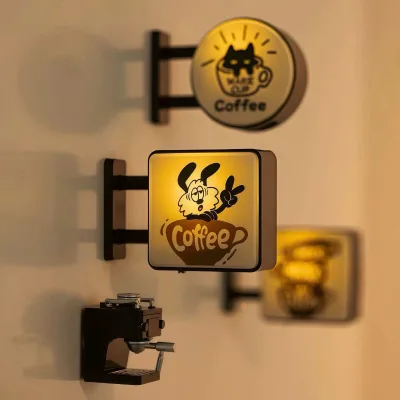
Comprehensive Sourcing Guide
USB Charging LED Refrigerator Sticker Sourcing Guide
Sourcing USB charging LED refrigerator stickers requires a careful balance between aesthetic customization and functional reliability. These decorative lighting solutions are designed to adhere to kitchen surfaces, providing ambient illumination that enhances visibility and modernizes the interior of refrigeration units. Buyers must recognize that while the form factor is compact, the integration of rechargeable batteries and touch controls introduces specific engineering constraints. The primary value proposition lies in the ability to customize shapes, colors, and lighting modes to match specific brand identities or interior design themes.
Procurement teams should focus on verifying the durability of the adhesive and the longevity of the LED components. Since these devices are often placed in environments with temperature fluctuations and potential moisture, the material selection becomes critical. The observed product range includes options with varying weights and dimensions, indicating that buyers can select units based on the specific spatial constraints of their target appliances. Understanding the power source, whether it is a standard coin cell or a USB-rechargeable lithium variant, is essential for determining the user experience and maintenance requirements over the product's lifecycle.
Product Scope and Observed Listing Signals
The current market landscape for these decorative lights reveals a diverse array of specifications tailored to different buyer needs. Observed listings indicate a price range between $1.30 and $3.19 USD, with minimum order quantities varying from 10 to 200 units. This suggests a flexible supply chain capable of supporting both small-scale prototyping and larger bulk orders. The products are predominantly non-disposable, emphasizing reusability and long-term value. Key attributes include rechargeable batteries, often charged via Type-C ports, and touch-sensitive controls located on the side of the unit for easy operation.
Visual customization is a significant driver in this category, with suppliers offering multicolor options, white finishes, and even cartoon or modern styles. The shapes range from rectangles to squares, with dimensions typically small enough to remain unobtrusive yet bright enough to serve their decorative purpose. Some models feature UV printing capabilities, allowing for branded logos or specific graphic designs to be integrated directly into the product surface. Buyers should note that while some listings mention waterproof and eco-friendly features, these claims require independent verification to ensure they meet specific environmental or safety standards for kitchen use.
Technical Specifications to Verify
When evaluating technical specifications, the battery type and charging mechanism are paramount for ensuring user convenience and device longevity. Many observed models utilize rechargeable batteries charged via USB Type-C, which offers a universal and durable charging interface. However, some alternatives may rely on standard coin cells like LR41, which require periodic replacement. Buyers must clarify the power source to align with their sustainability goals and customer expectations regarding maintenance. The control mechanism is typically touch-based, providing a seamless interaction without the need for physical buttons that could wear out or fail over time.
Lighting performance and physical dimensions also require close scrutiny. The light output often includes white, yellow, or combined color temperatures, allowing for versatile ambient lighting effects. Dimensions observed in listings vary, with some models measuring approximately 10.8 by 3 by 2.9 cm, while others are more compact at 5.7 by 3.8 by 1.2 cm. The weight of the units ranges from 25g to 115g, which can impact the strength of the adhesive required for secure attachment. Buyers should request detailed technical datasheets to confirm the lumen output, battery capacity, and expected lifespan of the LEDs to ensure the product meets their quality benchmarks.
Compliance and Safety Documentation
Safety compliance is non-negotiable for electronic devices intended for use in domestic appliances. Buyers must ensure that all suppliers provide relevant certification documents, such as CE, FCC, or RoHS, depending on the target market. These certifications verify that the electrical components, including the battery and charging circuit, meet international safety and environmental standards. Although some listings mention compliance with standards like IEC 62680, this is a background reference and should not be assumed without explicit documentation from the supplier. Verifying these documents protects the buyer from liability and ensures the product can be legally sold in regulated markets.
In addition to electrical safety, the materials used in the construction of the sticker must be food-safe and non-toxic, given the proximity to refrigerated food items. Buyers should request material safety data sheets (MSDS) to confirm that the plastic housing and adhesive do not emit harmful volatile organic compounds (VOCs). The waterproof claims, if present, should be backed by IP rating certifications to ensure the device can withstand condensation and cleaning agents commonly found in kitchen environments. Establishing a clear chain of custody for these compliance documents is essential for maintaining brand integrity and consumer trust.
Cost Drivers and Commercial Terms
The cost of USB charging LED refrigerator stickers is influenced by several factors, including customization level, battery type, and order volume. Customization options such as UV printing, specific shapes, and branded packaging can increase the unit price. Buyers should negotiate tiered pricing structures that reward larger order quantities, as observed MOQs start as low as 10 units but decrease in cost per unit as volume increases. The inclusion of rechargeable batteries and Type-C charging ports may also add to the manufacturing cost compared to simpler, battery-operated alternatives.
Commercial terms should be clearly defined to avoid unexpected expenses. Buyers need to clarify whether the quoted price includes packaging, such as paper boxes or OPP bags, and if these are included in the MOQ calculation. Sample times, which can range from 5 to 7 days, should be factored into the procurement timeline, especially for custom orders. It is also important to discuss shipping terms and responsibilities, as well as the policy for defective units. Establishing a clear agreement on these commercial details ensures a smooth transaction and helps in accurate budgeting for the procurement project.
Supplier Qualification and Quality Control
Selecting a reliable supplier is critical for ensuring consistent product quality and timely delivery. Buyers should conduct thorough due diligence on potential suppliers, verifying their business licenses, manufacturing capabilities, and past performance. Suppliers located in regions like Guangdong, China, often have established supply chains for electronic components, but this does not guarantee quality. It is advisable to request samples from multiple suppliers to evaluate the build quality, adhesive strength, and lighting performance firsthand. This hands-on evaluation helps identify any potential issues before committing to a large order.
Quality control measures should be integrated into the procurement process to minimize defects. Buyers should establish clear quality standards and inspection criteria, including visual checks for defects and functional tests for the touch controls and battery life. Implementing a pre-shipment inspection protocol can help catch any manufacturing errors before the goods leave the factory. Additionally, maintaining open communication with the supplier regarding any quality concerns ensures that issues are addressed promptly. Building a strong relationship with a qualified supplier fosters trust and facilitates smoother collaboration on future orders and product improvements.
Long-Term Procurement Checks
Long-term success in sourcing USB charging LED refrigerator stickers depends on continuous monitoring and relationship management. Buyers should regularly review supplier performance metrics, such as on-time delivery rates, defect rates, and responsiveness to issues. This data-driven approach helps in identifying reliable partners and addressing any emerging problems early. It is also important to stay updated on market trends and technological advancements, such as new battery technologies or lighting efficiencies, to ensure the products remain competitive. Engaging in periodic reviews with suppliers can lead to cost savings and product enhancements.
Sustainability and regulatory changes should also be factored into long-term procurement strategies. As environmental regulations become stricter, buyers may need to adapt their sourcing practices to comply with new standards. This could involve switching to more eco-friendly materials or ensuring that suppliers adhere to stricter environmental practices. Additionally, monitoring the lifecycle of the product, including end-of-life disposal and recycling options, can help in developing a more sustainable supply chain. By proactively addressing these long-term considerations, buyers can mitigate risks and ensure the continued success of their procurement initiatives.
FAQs
Can these USB charging LED refrigerator stickers be customized?
Yes, customization is available for these USB charging LED refrigerator stickers. The product attributes confirm that customized options exist, allowing buyers to tailor specific features to their needs while maintaining the core functionality of the decorative lighting.
What battery type powers the USB Charging LED Refrigerator Sticker?
The USB Charging LED Refrigerator Sticker uses a rechargeable battery, with some models specifically supporting Type C charging. Other variants may utilize Lr41 batteries, ensuring flexible power options for continuous decoration without frequent replacements.
How is the touch control implemented on the USB Charging LED Refrigerator Sticker?
Touch control is implemented via side buttons or general touch sensors on the USB Charging LED Refrigerator Sticker. This allows users to easily switch between white, yellow, or combined light colors without needing complex wiring or external switches.
What are the standard dimensions for the USB Charging LED Refrigerator Sticker?
Standard dimensions vary by model, with sizes like 10.8 by 3 by 2.9 cm or 5.7 by 3.8 by 1.2 cm. Some models offer customized thickness, ensuring the sticker fits various refrigerator surfaces while maintaining a compact and modern profile.
Which materials are used to make the USB Charging LED Refrigerator Sticker?
The USB Charging LED Refrigerator Sticker is primarily made from plastic, ensuring durability and safety. The material supports features like waterproofing and eco-friendliness, making it suitable for kitchen environments while maintaining a simple or modern aesthetic style.
Can the USB Charging LED Refrigerator Sticker be used for decoration?
Yes, the USB Charging LED Refrigerator Sticker is explicitly designed for decoration purposes. It features multicolor or white lighting options and comes in shapes like rectangles or squares, enhancing the visual appeal of refrigerators and other surfaces effectively.