Source Brushless Swiss Made Vibration Cutter for Construction
Find a Brushless Swiss Made Vibration Cutter among 30 listings for metal cutting, grinding, and construction applications. Compare specifications like voltage, speed, and cutting depth to select the right tool for your needs.
Key considerations
Products List
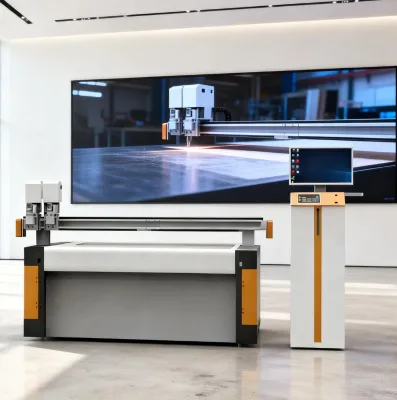


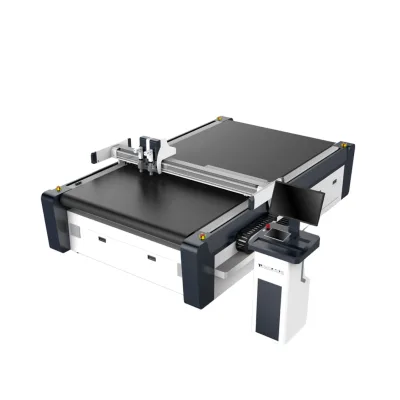
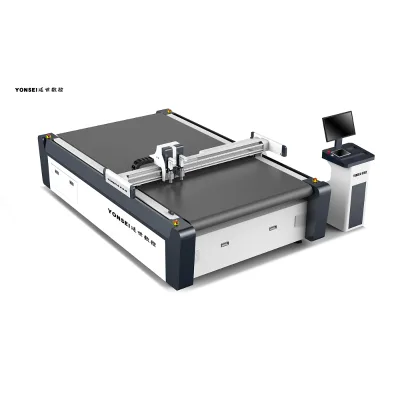
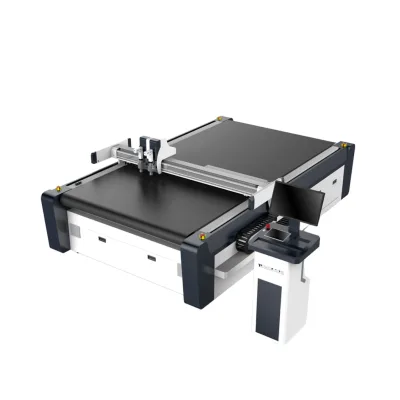
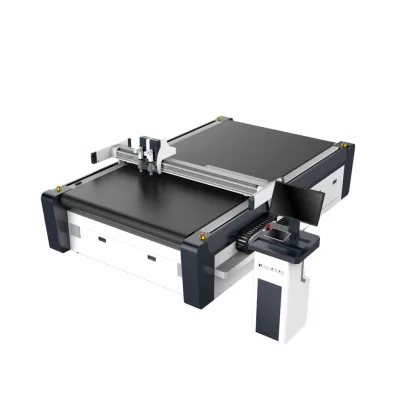
Burr-Free Vibrating Knife Cutter for Irregular Rubber & Silicone Gaskets
$11218.47 - $11422.44
MOQ: 1 sets
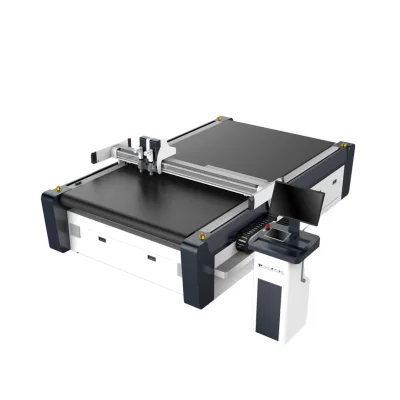
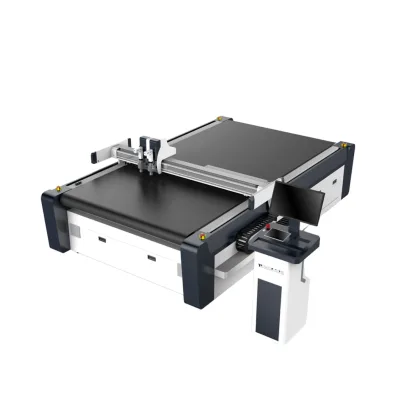


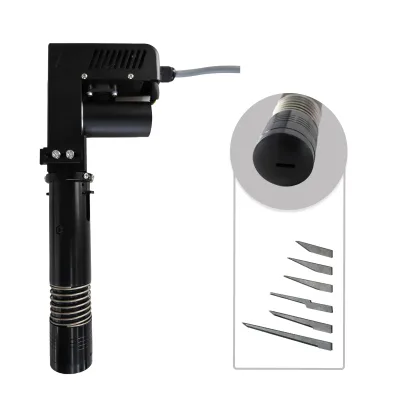


Stable Table Saw Tile Cutter with Vibration Isolation Mounts for Safety
$1032.00 - $1147.00
MOQ: 1 Pieces

Safe Table Saw Tile Cutter with Vibration Isolation for Stable Operation
$1032.00 - $1147.00
MOQ: 1 Pieces


CNC Vibrating Knife Machine Energy Saving Vibrating Blade Cutter with Low Noise Design
$9000.00 - $11000.00
MOQ: 1 Pieces


Comprehensive Sourcing Guide
Strategic Sourcing Guide for Brushless Swiss Made Vibration Cutters
The procurement of specialized industrial cutting equipment, specifically targeting the niche of brushless vibration cutters, requires a rigorous approach that balances technical precision with supply chain reliability. While the core keyword suggests a specific origin and technology, the global marketplace often presents a complex landscape where "Swiss made" designations may refer to design heritage, assembly standards, or specific component sourcing rather than final manufacturing location. Buyers must navigate this complexity by focusing on verifiable technical attributes, compliance documentation, and the actual performance capabilities of the machinery. This guide provides a structured framework for evaluating potential suppliers and products, ensuring that procurement decisions are grounded in factual evidence and industry best practices rather than marketing assertions.
Technical Architecture and Motor Specifications
The heart of any modern vibration cutter is its drive system. The transition from brushed to brushless motors represents a significant leap in efficiency, maintenance requirements, and operational lifespan. When evaluating a brushless vibration cutter, the primary technical focus must be on the motor type and its associated control logic. Brushless motors, often utilizing permanent magnets and electronic commutation, eliminate the friction and wear associated with carbon brushes. This results in higher torque density and reduced heat generation, which is critical for sustained cutting operations in high-volume environments.
In the context of available industrial data, the presence of a "Brushless Motor" is a key differentiator. Buyers should verify that the motor specifications align with the intended application load. For instance, while some portable tools operate at lower voltages like 21V with Lithium-Ion batteries, industrial-grade vibration cutters often require higher power inputs, such as 220V or 380V systems, to drive heavy-duty cutting tasks. The power source must be compatible with the facility's electrical infrastructure. Furthermore, the variable speed capability is essential for adapting to different material densities. A machine offering a wide no-load speed range, potentially spanning from 0 to 9500 RPM depending on the specific model and gear configuration, allows for greater versatility in handling various substrates, from soft metals to composite materials.
The mechanical transmission system is equally critical. The spindle thread specification, such as M10, dictates the compatibility of the cutting accessories. Buyers must ensure that the spindle interface matches the standard discs or blades required for their specific cutting applications. The working style, often described as "high-speed universal," implies a design capable of handling diverse cutting angles and depths. However, the maximum cutting depth, which can range from 25mm to 30mm depending on the disc diameter and machine rigidity, must be clearly defined in the technical datasheet. Exceeding these limits can lead to premature tool failure or safety hazards.
Compliance, Certification, and Safety Standards
In the B2B procurement of industrial machinery, compliance is not merely a formality but a fundamental requirement for risk management. The term "Swiss made" often implies adherence to stringent quality and safety standards, but buyers must demand concrete evidence of this compliance. The primary certification to verify is ISO certification, which indicates that the manufacturer operates under a quality management system that meets international benchmarks. While the specific ISO standard (e.g., ISO 9001) should be confirmed, the presence of such certification is a baseline indicator of a reputable supplier.
Safety standards for cutting machinery are equally rigorous. The machine must be designed with inherent safety features, such as dust protection systems, to mitigate the risks associated with airborne particulates generated during cutting. The presence of a "Dust Protection: Yes" attribute suggests that the design includes mechanisms to contain or extract debris, which is vital for maintaining a safe working environment and complying with occupational health regulations. Additionally, the electrical safety of the unit must be verified against local and international standards, particularly regarding voltage ratings and insulation.
For machinery originating from or designed in Switzerland, there may be additional national standards to consider, such as those related to electromagnetic compatibility (EMC) and low voltage directives. Buyers should request the machinery test report, which provides an independent verification of the machine's performance and safety characteristics. This report should detail the results of stress tests, including the machine's ability to handle the specified cutting thickness, which ranges from 0.1mm to 25mm for certain models. The absence of such documentation should be treated as a red flag, regardless of the supplier's claims regarding their origin or reputation.
Cost Drivers and Pricing Variables
Understanding the cost structure of brushless vibration cutters is essential for budgeting and total cost of ownership (TCO) analysis. The price of these machines is influenced by several factors, including the complexity of the brushless motor technology, the precision of the manufacturing processes, and the level of customization offered. The observed price range in the market can be substantial, spanning from entry-level portable units to high-end industrial systems. This variance is often driven by the power source, with battery-operated units requiring expensive Lithium-Ion battery packs, while grid-connected units may have higher initial costs due to robust motor and frame construction.
The "Swiss made" designation, if genuine, typically commands a premium due to the high cost of labor, precision engineering, and quality control associated with Swiss manufacturing. However, buyers must be cautious of products that claim Swiss design but are assembled in lower-cost regions. In such cases, the cost savings may be significant, but the buyer must verify that the quality control standards remain consistent with the claimed Swiss specifications. The warranty period is another critical cost driver. A standard warranty of two years indicates the manufacturer's confidence in the product's durability. A longer warranty period may justify a higher upfront cost by reducing the risk of future repair expenses.
Customization is a significant variable in pricing. The availability of customization options allows buyers to tailor the machine to specific production needs, such as adjusting the working area or modifying the cutting depth. However, these customizations often increase the lead time and the unit price. Buyers should evaluate whether the specific customization adds value to their operations or if a standard model would suffice. The single package size and weight, which can vary significantly between portable and industrial models, also impact logistics costs. For example, a machine with a single gross weight of 1250 kg will incur higher shipping and handling fees compared to a lighter, portable unit.
Typical Applications and Material Compatibility
The versatility of brushless vibration cutters makes them suitable for a wide range of industrial applications. The primary application areas include construction, metal fabrication, and general manufacturing. The ability to cut materials with varying thicknesses, from thin sheets to middle thickness materials, expands the utility of these machines across different sectors. The material compatibility is a key consideration; while some models are designed specifically for metal cutting, others may be versatile enough to handle composites or other non-metallic materials.
The working area of the machine, often specified as 1600mm by 1000mm for larger industrial units, determines the maximum size of the workpiece that can be processed in a single setup. This is crucial for large-scale production environments where efficiency is paramount. The cutting thickness capability, ranging from 0.1mm to 25mm, allows for precision cutting of thin materials as well as robust cutting of thicker stock. The disc diameter, typically 115mm or 125mm, influences the depth of cut and the speed of the operation. Larger discs generally allow for deeper cuts but may require more power and generate more heat.
In the construction sector, these machines are often used for cutting rebar, steel plates, and other structural components. The high-speed universal working style ensures that the machine can handle the varied demands of a construction site, where conditions may be less controlled than a factory floor. The dust protection feature is particularly important in these environments to maintain air quality and protect the operator's health. The ability to operate with variable speed allows the operator to adjust the cutting speed based on the material hardness, ensuring optimal performance and tool life.
Supplier Evaluation and Origin Verification
Evaluating a supplier for brushless vibration cutters requires a multi-faceted approach that goes beyond simple product specifications. The origin of the product is a critical factor, especially when the keyword specifies "Swiss made." Buyers must verify the actual place of origin, which may be listed as a specific province or city in the supplier's documentation. For instance, some industrial machinery is manufactured in regions like Shandong or Zhejiang in China, where a high concentration of manufacturing capabilities exists. In such cases, the "Swiss made" claim may refer to the design origin or the technology used, rather than the final assembly location.
Suppliers should be evaluated based on their production capacity, which indicates their ability to meet demand. A production capacity of 100 units per month, for example, suggests a moderate-sized operation that may offer more personalized service but could have longer lead times during peak demand. The minimum order quantity (MOQ) is another factor to consider, with ranges typically spanning from 1 to 500 units. A low MOQ is beneficial for buyers testing new products or those with smaller production needs, while a high MOQ may be necessary to secure a lower unit price.
The after-sales service provided by the supplier is a crucial component of the evaluation process. Online support is a common offering, but buyers should inquire about the depth and responsiveness of this support. The availability of spare parts, technical documentation, and training resources should also be assessed. A supplier with a strong track record of providing machinery test reports and adhering to quality standards is more likely to deliver a reliable product. The warranty terms, including the duration and coverage, should be clearly understood before making a purchase decision.
Quality Control and Long-Term Procurement Considerations
Quality control is the backbone of a successful procurement strategy for industrial machinery. Buyers should insist on a comprehensive quality control process that includes pre-shipment inspections, functional testing, and documentation of test results. The machinery test report is a vital document that provides evidence of the machine's performance under controlled conditions. This report should cover key metrics such as cutting accuracy, power consumption, and durability under load.
Long-term procurement considerations involve analyzing the total cost of ownership, which includes not only the purchase price but also maintenance, energy consumption, and potential downtime. The use of a brushless motor reduces maintenance requirements compared to brushed motors, as there are no brushes to replace. However, the electronic components of the brushless system may require specialized servicing, which should be factored into the long-term cost analysis. The warranty period, typically two years, provides a safety net for early failures, but buyers should also consider the availability of extended warranty options.
The customization of the machine should be approached with a long-term view. While customization can address immediate needs, it may complicate future maintenance or upgrades. Buyers should ensure that the customized components are standard or widely available to avoid supply chain disruptions. The single package size and weight are also important for logistics planning, as they affect storage and transportation costs. A machine with a single package size of 450x230x150 cm, for example, requires specific handling equipment and storage space.
In conclusion, sourcing a Brushless Swiss Made Vibration Cutter requires a meticulous evaluation of technical specifications, compliance documentation, and supplier capabilities. By focusing on verifiable facts and adhering to a structured procurement process, buyers can mitigate risks and secure high-quality machinery that meets their operational needs. The interplay between motor technology, material compatibility, and supplier reliability defines the success of the procurement effort, ensuring that the investment delivers value over the long term.
FAQs
What is the warranty period for these machines?
The standard warranty period is two years for the equipment. This coverage applies to the core components and motor, ensuring reliability during the initial operational phase for buyers.
Can the machine cut materials up to 25mm thick?
Yes, the machine can cut materials with a thickness ranging from 0.1mm to 25mm. This capability allows for processing middle thickness materials effectively in industrial settings.
Which voltage options are available for operation?
The machine operates on 220V or 380V power sources. Some portable models may also support 21V battery systems, offering flexibility for different site power infrastructures.
How is the product certified for safety standards?
The product holds ISO certification indicating compliance with quality management standards. Buyers should also verify the provided machinery test report for independent performance verification.
What is the typical production capacity of the supplier?
The supplier has a stated production capacity of 100 units. This capacity level suggests a moderate operation capable of handling specific order volumes with potential lead time considerations.
Where is the machinery manufactured or sourced from?
The place of origin is listed as Shandong, China, with some components from Zhejiang Yongkang. Buyers should verify if the Swiss designation refers to design heritage rather than final assembly location.