Source Bucket Bag for Fashion, Travel, and Daily Use
Compare 30 Bucket Bag listings from verified suppliers. Explore variations in material, style, and customization options to find the right product for your needs.
Key considerations
Products List


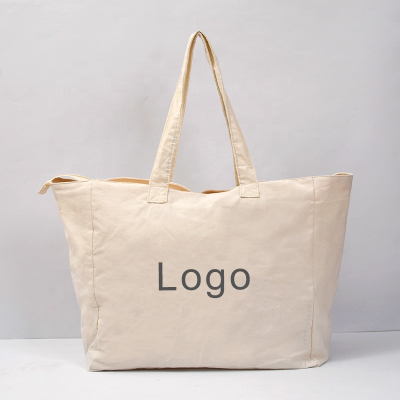
Solid Color Shoulder Bag Tote Bucket Bag Commuter Vintage Underarm Bag Female
$4.39 - $8.62
MOQ: 100 pieces




Comprehensive Sourcing Guide
Strategic Sourcing Guide for Bucket Bag Procurement
The global market for bucket bags has evolved from a niche fashion accessory into a versatile category spanning casual leisure, professional utility, and high-volume promotional use. For B2B buyers, sourcing this product requires a disciplined approach that distinguishes between aesthetic variations and functional specifications. The current supply landscape, particularly from manufacturing hubs in China, offers a wide array of options ranging from simple PU leather constructs to more complex leather designs. However, the diversity of product attributes necessitates a rigorous verification process to ensure that the selected inventory aligns with specific operational needs, regulatory requirements, and budgetary constraints. This guide outlines the critical dimensions of procurement for bucket bags, focusing on technical specifications, material integrity, cost structures, and supplier evaluation protocols based on observed market data.
Technical Specifications and Dimensional Standards
Understanding the technical specifications of bucket bags is the foundational step in any procurement strategy. Unlike generic handbags, bucket bags often have distinct structural requirements, particularly regarding their shape and capacity. Market observations indicate that dimensions vary significantly based on the intended use case. For instance, specific product models have been documented with standardized packaging dimensions such as 28x13x20 cm and 23x14x5 cm, while others may adhere to a 30x20 cm standard. These figures are critical for logistics planning, as they directly influence container utilization and shipping costs.
Buyers must verify the "prod_standard" or specific size codes provided by suppliers, as these often dictate the internal volume and external footprint. The "prod_model" identifiers, such as those ranging from 2605162029 to B999000328, serve as unique fingerprints for these variations. When evaluating a potential order, it is essential to confirm whether the bag is designed as a "Large Capacity Leisure Bucket Bag" or a more compact variant. The "Size" attribute, often categorized as Medium, further refines the selection process. Procurement teams should request physical samples to validate that the listed dimensions match the actual product, as discrepancies between marketing claims and physical reality can lead to significant fulfillment issues.
Material Composition and Craftsmanship Verification
The material composition of a Bucket Bag is a primary determinant of its durability, aesthetic appeal, and price point. The observed market data highlights a clear segmentation between PU-based materials and genuine leather options. Several product listings explicitly identify "External Material" as PU, with "Material Craftsmanship" noted as PU Leather. These materials are often chosen for their cost-effectiveness and the ability to mimic the texture of higher-end leathers. In contrast, other models are listed with "Material" simply as Leather, suggesting a premium tier of construction.
The "Lining Material" is another critical technical specification that is frequently overlooked. Polyester is a common lining choice, offering durability and ease of cleaning, but buyers should verify if alternative linings are available for specific applications. Furthermore, the "Hardness" attribute, observed as "Medium Soft," indicates the structural rigidity of the bag. This is particularly relevant for bucket bags, which rely on their shape to maintain volume. A bag that is too soft may collapse when empty, while one that is too hard may lack the flexibility required for daily use.
Buyers must also scrutinize the "Fashion Element" and "Design" attributes. Options such as "Crocodile Grain" or "Horizontal Square" designs dictate the visual identity of the product. For brands targeting a specific demographic, such as those seeking a "Cartoon" style or "European Style," the material finish must align with these aesthetic goals. The "Color" attribute, ranging from "Mixed Color" to specific shades like "Brown," requires careful coordination with the brand's seasonal palette.
Compliance, Certification, and Functional Attributes
In the B2B sector, functional attributes often dictate compliance requirements and suitability for specific markets. A key distinction in the Bucket Bag category is water resistance. Market data reveals a split between "Waterproof" and "Non-Waterproof" classifications. For buyers targeting outdoor activities or climates with high precipitation, selecting a "Waterproof" model is non-negotiable. Conversely, for fashion-forward indoor applications, a "Non-Waterproof" bag may be acceptable and potentially more breathable.
Another critical functional check is washability. The attribute "Can It Be Washed with Water: No" is a significant constraint for buyers seeking low-maintenance inventory. If the supply chain requires products that can be easily cleaned after exposure to dirt or spills, this specification must be verified against the product datasheet. Additionally, the "Quality" attribute, sometimes listed as "Aaaa," suggests a tier of manufacturing excellence, though buyers should treat such labels as internal supplier classifications rather than independent certifications.
Regarding certifications, while specific third-party test results are not universally listed in the provided data, buyers must insist on documentation for any claims regarding material safety or environmental compliance. The "Standard" attribute, which can range from specific dimensions to "normal" general standards, should be cross-referenced with international safety regulations relevant to the destination market. For instance, if the bags are intended for children or specific age groups, chemical safety standards for leather and synthetic materials become paramount.
Cost Drivers and Pricing Structures
The pricing of bucket bags is influenced by a complex interplay of material costs, customization levels, and order volume. The observed price range in the market spans from $0.05 to $68.68, a vast spectrum that reflects the diversity of the product line. The lower end of this range typically corresponds to high-volume orders of PU-based bags with minimal customization, while the upper end likely represents genuine leather models with intricate designs or small-batch production.
The "MOQ" (Minimum Order Quantity) is a significant cost driver, with observed ranges from 1 to 3000 units. A specific listing indicates an MOQ of 300 PCS, which is a common threshold for factory direct pricing. Buyers must calculate the unit cost based on their specific volume to determine the true economic viability of a supplier. Additionally, the "Sample Fee" of 100 USD is a standard upfront cost that should be factored into the total procurement budget. This fee often covers the cost of materials and labor for creating a prototype, and in some cases, it may be deductible from the final bulk order.
Customization is a major value-add that impacts pricing. The availability of "Customization" and "OEM" (Original Equipment Manufacturer) services allows buyers to tailor products to their brand identity. However, these services invariably increase the unit cost and may extend the "Delivery Time." The "Payment" terms, such as T/T, L/C, or PayPal/Alipay, also influence the financial structure of the deal, with letters of credit often being preferred for larger, international transactions to mitigate risk.
Supplier Evaluation and Operational Logistics
Evaluating suppliers for Bucket Bag procurement requires a holistic view of their operational capabilities. The "Factory" designation, such as "Ls," and the "Brand" association, like "L_V," provide insights into the manufacturer's identity, though buyers should conduct independent due diligence to verify these claims. The "prod_origin" is consistently noted as China, with specific regions like Sichuan mentioned, indicating a concentration of manufacturing in certain industrial zones.
Logistics and lead times are critical for supply chain stability. The "Delivery Time" is observed to be 25-30 Business Days, a timeframe that buyers must incorporate into their inventory planning. The "Delivery Methods," including Air, Courier, and Sea, offer flexibility but come with varying cost implications. Sea freight is generally the most economical for large volumes, while air courier is suitable for urgent, smaller shipments. The "Sample Date" of 7-15 Business Days is another logistical factor that affects the speed of the prototyping phase.
Packing is another operational detail that impacts efficiency. Options range from simple "PE Bag + Carton" to more protective "Box" packaging, with specific configurations like "1plyester Bag, 20PCS Per Carton." These packing standards affect the number of units per shipping container and the ease of warehousing upon arrival. Buyers should ensure that the packing method aligns with their distribution requirements to minimize damage and handling costs.
Quality Control and Long-Term Procurement Strategy
Implementing a robust quality control (QC) strategy is essential for maintaining brand reputation in the Bucket Bag market. Given the variation in materials from PU to leather, and the differences in craftsmanship, a standardized QC protocol is necessary. Inspections should focus on the "Hardness," "Waterproof" status, and the integrity of the "Lining Material." For bags with "Crocodile Grain" or other textured finishes, visual inspection for consistency and defect-free surfaces is crucial.
Long-term procurement considerations involve building a relationship with suppliers who can offer consistent quality and reliable lead times. The "OEM: Welcome" attribute suggests that many suppliers are open to long-term partnerships, but buyers must establish clear communication channels regarding design changes and quality expectations. The "Popular Style Name," such as "Bucket Bag" or "Shoulder Bag," indicates market trends that should be monitored to ensure the product line remains relevant.
Buyers should also consider the "Gender" and "Style" attributes when planning their product mix. With options ranging from "Female" to "Unisex" and styles from "European Style" to "Cartoon," a diversified portfolio can mitigate market risks. However, this diversification must be balanced against the complexity of managing multiple SKUs. Ultimately, successful procurement of bucket bags relies on a data-driven approach that prioritizes verified specifications, transparent cost structures, and rigorous quality assurance over marketing claims. By adhering to these principles, B2B buyers can navigate the complex landscape of Bucket Bag sourcing and secure a supply chain that delivers value and consistency.
FAQs
What customization options are available for bucket bags?
Customization is available for bucket bags to meet specific brand needs. Buyers can request OEM services and design modifications, though this may affect the unit cost and extend the delivery time to 25-30 business days.
Which materials are commonly used for Bucket Bag construction?
Common materials include PU leather and genuine leather for the external surface. The lining is typically made of polyester, and the hardness is often medium soft to maintain the bucket shape without being too rigid.
Can bucket bags be washed with water?
Most bucket bags cannot be washed with water as indicated by product specifications. Buyers should verify the waterproof status, as some models are waterproof while others are non-waterproof and require careful cleaning.
What is the minimum order quantity for bucket bags?
The minimum order quantity ranges from 1 to 3000 units depending on the supplier. Specific listings indicate an MOQ of 300 pieces, which is a common threshold for factory direct pricing and bulk discounts.
How long does delivery take for Bucket Bag orders?
Standard delivery time is 25 to 30 business days after order confirmation. Samples take 7 to 15 business days, and shipping methods include air, courier, or sea freight depending on volume and urgency.
Which packaging standards apply to Bucket Bag shipments?
Packaging varies from PE bags with cartons to individual boxes. Specific configurations include 20 pieces per carton with polyester bags, ensuring protection during transit and efficient warehouse handling upon arrival.