Source Excavator Bucket Pin and Bushing for Construction, Mining, and Agriculture
Explore 30 listings for the Bucket Pin and Bushing, comparing specifications like hardness, material, and MOQ across suppliers in China. Buyers can evaluate options for excavators ranging from 1 to 100 tons with certifications such as CE and ISO 9001.
Key considerations
Products List


High Quality Bucket Pin and Bush 40cr Excavator Parts and Bushing Excavator Pin
$0.10 - $10.00
MOQ: 100 Pieces


High quality excavator bucket pins and bushings bucket pin size 80*540
$20.00 - $500.00
MOQ: 100 Pieces


Steel Bucket Pin 207-30-51140 Bushing for Excavator and Construction Machine
$0.30 - $0.60
MOQ: 100 Pieces


Excavator Bucket Pins and Bushings Custom OEM Harden Steel Pins 209-30-78420
$0.30 - $0.60
MOQ: 100 Pieces


Excavator Parts Bucket Bushings Bucket Pin Bushing Excavator Bucket Bushing
$10.00 - $700.00
MOQ: 1 Pieces

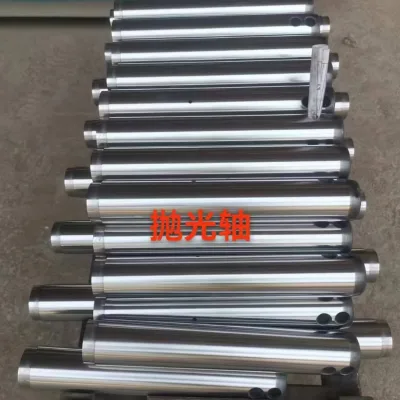


Comprehensive Sourcing Guide
Bucket Pin and Bushing Sourcing Guide
Sourcing high-performance bucket pins and bushings requires a disciplined approach to technical verification and supplier qualification. These critical components serve as the primary articulation points for excavator buckets, directly influencing machine efficiency, structural integrity, and operational safety. Buyers must recognize that these parts are not generic fasteners but precision-engineered elements subjected to extreme shear forces, abrasion, and cyclic loading. The decision to source these components involves balancing initial cost against lifecycle durability, as premature failure can lead to catastrophic downtime and secondary damage to the excavator arm or bucket structure.
This guide provides a structured framework for evaluating suppliers and products based on observed market signals and industry standards. It focuses on the specific attributes commonly found in high-quality listings, such as material composition, hardness ratings, and manufacturing processes. By adhering to the verification steps outlined below, procurement professionals can mitigate risks associated with substandard materials, inconsistent tolerances, and inadequate quality control. The goal is to establish a reliable supply chain that supports long-term operational reliability rather than merely minimizing short-term acquisition costs.
Product Scope and Observed Listing Signals
The market for excavator bucket pins and bushings is characterized by a wide range of specifications tailored to different machine capacities. Observed listings indicate that these components are designed for excavators ranging from 1 to 100 tons, suggesting that buyers must carefully match part numbers to specific machine models rather than relying on generic sizing. The product scope includes various part names such as "Excavator Bucket Pin and Bushing" and "Excavator Bucket Pins and Bushings," which may refer to complete sets or individual components. Buyers should verify whether the supplier offers complete kits or individual pins and bushings separately, as this impacts inventory management and replacement strategies.
Material selection is a key differentiator in the current market, with listings highlighting options such as stainless steel, Q345b steel, and general metal alloys. Stainless steel variants are often marketed for their corrosion resistance, which is beneficial in wet or abrasive environments, while Q345b is a common low-alloy high-strength steel used for its toughness and weldability. The presence of customization options in many listings indicates that suppliers can produce non-standard sizes or modified geometries for older or specialized machinery. Buyers should assess whether their operational environment demands specific material properties, such as enhanced wear resistance or chemical resistance, when selecting between these material types.
Technical Specifications to Verify
Hardness is a critical technical parameter that directly correlates with the wear resistance and load-bearing capacity of bucket pins and bushings. Market data shows hardness ratings ranging from HRC 48-52 to 50-62 HRC, indicating that higher hardness values are often associated with premium or heavy-duty applications. Buyers must verify the specific hardness rating for the part in question, as insufficient hardness can lead to rapid deformation under load, while excessive hardness may increase brittleness and the risk of fracture. It is essential to confirm that the hardness is uniform throughout the component and that the heat treatment process is consistent across production batches.
Manufacturing processes also play a significant role in the quality of these components, with forging, casting, and CNC machining being the most common methods observed. Forged parts generally offer superior grain structure and mechanical strength compared to cast parts, making them preferable for high-stress applications. CNC machining ensures precise dimensional tolerances, which is crucial for proper fit and function within the excavator’s linkage system. Buyers should inquire about the specific manufacturing process used for each component and request evidence of quality control measures, such as dimensional inspection reports or material test certificates, to ensure that the parts meet the required engineering specifications.
Compliance and Safety Documentation
Certification status is a primary indicator of a supplier’s commitment to quality management systems. Many listings highlight certifications such as CE, ISO 9001, and ISO 9001:2015, which suggest that the supplier adheres to internationally recognized standards for quality management. Buyers should verify the validity of these certifications and ensure that they cover the specific manufacturing processes for bucket pins and bushings. Additionally, some listings mention compliance with GB standards, which are Chinese national standards. While these may be relevant for domestic markets, international buyers should confirm whether the supplier can provide documentation that aligns with their local regulatory requirements or international industry standards.
Safety and performance documentation should include material test reports and hardness verification certificates. These documents provide objective evidence that the components meet the specified material properties and hardness ranges. Buyers should request these documents before placing large orders to ensure that the supplier can consistently produce parts that meet the agreed-upon specifications. Furthermore, it is advisable to ask for any third-party testing results or quality assurance protocols that the supplier employs to detect defects such as cracks, porosity, or dimensional inaccuracies. This documentation serves as a critical safeguard against receiving substandard products that could compromise machine safety.
Cost Drivers and Commercial Terms
The observed price range for bucket pins and bushings varies significantly, reflecting differences in material quality, manufacturing complexity, and order volume. Buyers should understand that lower prices may indicate the use of inferior materials or less rigorous quality control processes. The minimum order quantity (MOQ) also varies, with some suppliers offering MOQs as low as one piece, while others require ten or more. This flexibility can be advantageous for buyers who need to replace individual components or test new suppliers before committing to larger orders. However, buyers should also consider the total cost of ownership, including shipping, handling, and potential downtime costs associated with part failure.
Packing methods are another factor that can influence the overall cost and condition of the delivered parts. Listings indicate various packing options, including wooden cases, plywood boxes, and anti-rust paper with cartons. Proper packaging is essential to prevent damage during transit and to protect the parts from corrosion, especially for stainless steel or untreated metal components. Buyers should ensure that the supplier uses appropriate packaging for the shipping method and distance. Additionally, buyers should clarify whether samples are available and whether they are free of charge, as this can help in evaluating product quality before making a bulk purchase.
Supplier Qualification and Quality Control
Supplier location and origin can impact logistics, communication, and after-sales support. Many suppliers are located in Shandong Province, China, a region known for its heavy machinery manufacturing industry. Buyers should evaluate the supplier’s ability to provide consistent quality and timely delivery, regardless of location. It is advisable to conduct a thorough due diligence process, which may include reviewing the supplier’s production facilities, quality control procedures, and customer references. Suppliers that offer customization services should also be evaluated for their engineering capabilities and responsiveness to specific buyer requirements.
Quality control measures should be a key criterion in supplier selection. Buyers should inquire about the supplier’s inspection processes, including incoming material inspections, in-process quality checks, and final product testing. Suppliers that invest in advanced testing equipment and have a robust quality management system are more likely to deliver consistent, high-quality products. Buyers should also consider the supplier’s willingness to provide guarantees or warranties on their products, as this indicates confidence in their manufacturing processes. Establishing a clear communication channel for addressing quality issues is also essential for maintaining a productive supplier relationship.
Long-Term Procurement Checks
Building a long-term procurement strategy for bucket pins and bushings requires ongoing monitoring of supplier performance and product quality. Buyers should establish key performance indicators (KPIs) such as defect rates, delivery times, and responsiveness to issues. Regular audits or periodic quality checks of delivered parts can help identify any trends or deviations in product quality. It is also important to maintain open communication with the supplier regarding any changes in machine specifications or operational requirements that may necessitate adjustments to the parts.
Continuous improvement should be a shared goal between the buyer and the supplier. Buyers should provide feedback on part performance in the field, including any issues related to wear, fit, or durability. This feedback can help the supplier refine their manufacturing processes and improve product quality over time. Additionally, buyers should stay informed about industry advancements in materials and manufacturing technologies that may offer improved performance or cost savings. By fostering a collaborative relationship with qualified suppliers, buyers can ensure a reliable supply of high-quality bucket pins and bushings that support their operational efficiency and safety standards.
FAQs
What materials are used for excavator bucket pins and bushings?
Manufacturers typically use stainless steel, Q345b, or general metal for these components. The selection depends on the required hardness and wear resistance. Common hardness ratings range from HRC48-52 to 62HRC. These materials ensure durability under heavy excavation loads and provide reliable performance in demanding construction environments.
Can I customize excavator bucket pins and bushings?
Yes, customization is available for many suppliers. You can specify models for excavators ranging from 1 to 100 tons. Customized standards and specific part names are often supported. This allows you to match exact machinery requirements. Contact vendors directly to discuss your unique dimensional or material needs for optimal fit.
What certifications do excavator bucket pin suppliers hold?
Reputable suppliers often hold CE and ISO9001 certifications. Some also provide ISO 9001:2015 or GB standard compliance. These certifications indicate adherence to quality management systems. They ensure that the new condition parts meet international manufacturing standards. Verify specific certificates with the vendor before placing bulk orders for peace of mind.
What is the typical MOQ for these parts?
The minimum order quantity varies by supplier, typically ranging from 1 to 100 pieces. Some vendors offer a MOQ of just 1 piece for testing. Others may require 10 pieces or 10PCS as a standard threshold. Free samples might be available from certain sources. Check individual listings to confirm the specific MOQ applicable to your order size.
How are excavator pins and bushings packaged?
Packaging methods include wooden cases, plywood boxes, cartons, and pallets. Some suppliers use anti-rust paper for protection during transit. The choice depends on the order volume and shipping requirements. Proper packaging prevents damage and corrosion. Ensure the supplier selects a method that safeguards the parts during international logistics.
Where are these excavator parts manufactured?
Many suppliers are located in Shandong Province, China. Other sources may simply list China as the origin. These regions are known for heavy machinery component manufacturing. The location can influence lead times and shipping costs. Buyers should verify the exact factory location to assess logistics efficiency and supplier reliability.