Source Bubble Waffle Machine for Bakery Hotel Restaurant
Compare 30 Bubble Waffle Machine listings from verified suppliers. Buyers can evaluate specifications like power, dimensions, and material to find the right equipment for bakery, hotel, and restaurant applications.
Key considerations
Products List


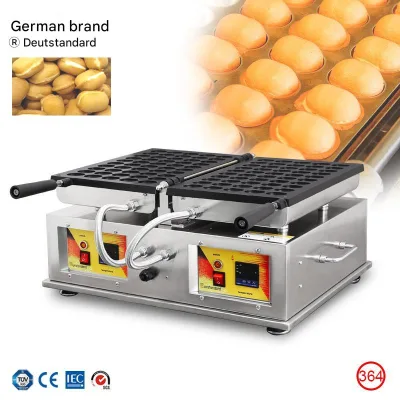
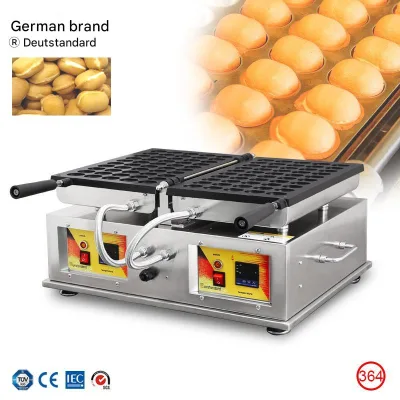


High Quality Compact Space Saving Bubble Waffle Machine for Birthday Party
$65.00 - $75.00
MOQ: 10 Pieces

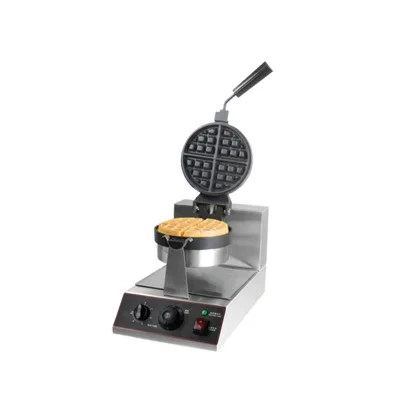
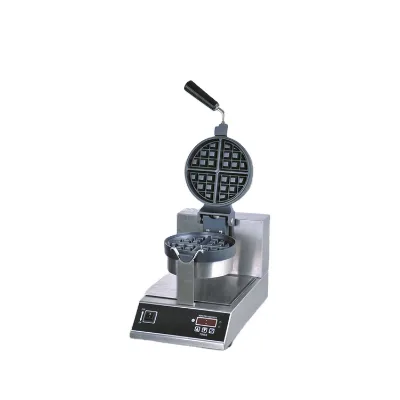

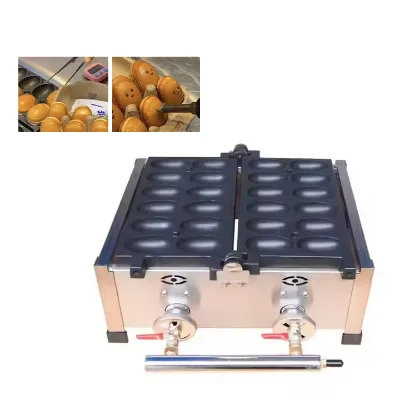
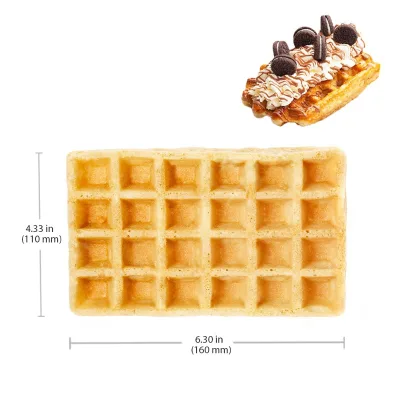


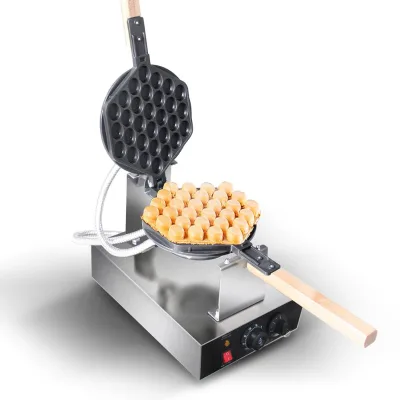


Electric Lolly Butterfly and Round Waffle Cone Pressing Making Machine
$243.00 - $304.00
MOQ: 1 Pieces
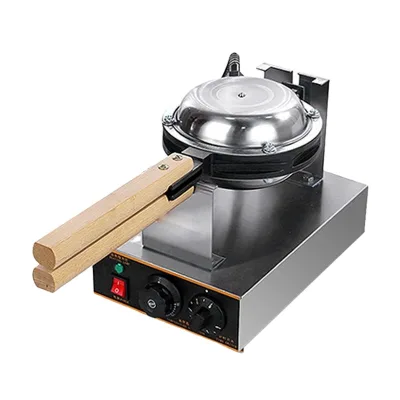


Industrial Egg Waffle Making Machine Bubble Ice Cream Waffle Cone Maker Machine Snack Maker
$30.00 - $31.00
MOQ: 1 Pieces
Comprehensive Sourcing Guide
Bubble Waffle Machine Sourcing Guide
Sourcing industrial-grade bubble waffle machines requires a disciplined approach to technical verification and supplier qualification. These appliances are specialized food machinery designed for high-volume production in commercial environments, ranging from standalone kiosks to large-scale bakery operations. The procurement process must balance electrical performance, material durability, and operational efficiency to ensure consistent product quality and long-term reliability. Buyers must navigate a market where specifications vary significantly between models, making precise verification of power, dimensions, and automation levels critical before committing to a purchase.
This guide provides evidence-based procurement strategies for sourcing bubble waffle machines, focusing on the technical and commercial realities observed in current market listings. It emphasizes the importance of validating supplier claims against tangible product attributes, such as voltage requirements, material composition, and certification status. By adhering to structured verification steps, buyers can mitigate risks associated with incompatible electrical systems, substandard materials, and inadequate after-sales support, ensuring a successful integration of the equipment into their production workflow.
Product Scope and Observed Listing Signals
The commercial Bubble Waffle Machine market exhibits a wide variance in product specifications, reflecting diverse application needs from small cafes to large industrial bakeries. Observed listings indicate a price range of $28 to $462.13 USD, which suggests a broad spectrum of quality tiers and feature sets. This disparity often correlates with differences in motor power, heating element efficiency, and the robustness of the chassis construction. Buyers should interpret this range not merely as a cost indicator but as a signal to investigate the underlying technical capabilities and material quality of each specific model.
Minimum Order Quantities (MOQ) observed in the market range from 1 to 30 units, highlighting the flexibility available to both individual buyers and bulk purchasers. Some suppliers offer single-unit purchases for pilot testing or small-scale operations, while others require higher volumes to unlock certain pricing tiers or customization options. Understanding these commercial signals is essential for budgeting and inventory planning. Buyers must align their order volume with their operational scale, considering whether a single high-performance unit or multiple standard units better suits their production demands and space constraints.
Technical Specifications to Verify
Electrical compatibility is the most critical technical parameter to verify, as mismatched voltage and frequency can lead to equipment failure or safety hazards. Observed specifications include 220V power sources, with some models explicitly noting 220V/50Hz compatibility, while others list power ratings such as 1.4kw, 1.6kw, or 2kw. Buyers must ensure that the machine’s electrical requirements match their facility’s power infrastructure. Additionally, the distinction between single-phase and three-phase power, though not always explicitly stated in basic listings, is a vital verification step for high-power models to prevent circuit overloads.
Physical dimensions and weight are equally important for spatial planning and logistics. Listings show a variety of dimensions, such as 265330270mm for compact units and 520x630x540mm for larger commercial models, with weights ranging from 8kg to 22.5kg. These variations impact installation requirements, including floor space, ventilation clearance, and load-bearing capacity. Buyers should carefully compare the single package size and gross weight against their kitchen layout and loading dock capabilities to avoid logistical complications during delivery and installation.
Compliance and Safety Documentation
Certification status is a primary indicator of regulatory compliance and manufacturing quality. The CE certificate is frequently cited in product listings, indicating adherence to European health, safety, and environmental protection standards. Buyers should request valid CE documentation and verify its authenticity, as this certification often serves as a benchmark for global safety standards. Additionally, other regional certifications may be required depending on the destination market, and buyers must confirm that the supplier can provide the necessary documentation for local regulatory approval.
Material safety is another crucial aspect of compliance, particularly for food-contact surfaces. Listings often specify the use of 304 Stainless Steel for construction, which is a food-grade material known for its corrosion resistance and durability. Buyers must verify that all components coming into direct contact with food, such as the waffle plates and internal heating elements, are made from certified food-safe materials. This verification helps prevent contamination risks and ensures that the equipment meets hygiene standards required by health authorities in the food service industry.
Cost Drivers and Commercial Terms
The total cost of ownership for a Bubble Waffle Machine extends beyond the initial purchase price, encompassing energy consumption, maintenance, and potential downtime. Models with higher power ratings, such as 2kw units, may offer faster heating and higher throughput but will incur higher electricity costs. Buyers should evaluate the energy efficiency of the machine relative to its production capacity to determine the most cost-effective option for their specific volume requirements. Additionally, the presence of features like automatic temperature control or semi-automatic operation can influence long-term labor costs and operational consistency.
Commercial terms, including warranty and customization options, significantly impact the procurement decision. A standard one-year warranty is commonly offered, providing a baseline for after-sales support. Buyers should clarify the scope of this warranty, including coverage for parts and labor, and the process for claiming repairs. Furthermore, the availability of customization services allows buyers to tailor the machine to specific branding or operational needs, such as custom logos or specialized plate designs. Understanding the cost and lead time associated with these customizations is essential for accurate project planning.
Supplier Qualification and Quality Control
Supplier verification is a critical step in mitigating procurement risks. Buyers should assess the supplier’s production capabilities, quality control processes, and track record in the food machinery industry. Observations indicate that many suppliers are located in Guangzhou, China, a major hub for manufacturing and export. Buyers should verify the supplier’s business license, export history, and customer references to ensure reliability. Additionally, understanding the supplier’s ability to provide technical support and spare parts is crucial for maintaining operational continuity.
Quality control measures should be implemented both during production and upon delivery. Buyers should request detailed product specifications and performance data before placing an order. Upon receipt, a thorough inspection of the machine’s build quality, electrical connections, and heating performance is necessary. Testing the machine under load conditions can help identify any defects or inconsistencies in temperature distribution. Establishing a clear communication channel with the supplier for addressing any post-delivery issues ensures that problems are resolved promptly, minimizing disruption to production.
Long-Term Procurement Checks
Long-term procurement success depends on the supplier’s ability to provide ongoing support and product updates. Buyers should evaluate the supplier’s commitment to after-sales service, including the availability of technical assistance, training materials, and spare parts. A reliable supplier will offer comprehensive support to help operators maximize the machine’s efficiency and lifespan. Additionally, staying informed about industry trends and technological advancements can help buyers make informed decisions about future upgrades or expansions of their equipment fleet.
Regular maintenance and operational reviews are essential for sustaining performance and safety. Buyers should establish a routine maintenance schedule based on the manufacturer’s recommendations, including cleaning, lubrication, and inspection of critical components. Monitoring the machine’s performance metrics, such as heating time and output consistency, can help identify potential issues before they lead to costly breakdowns. By maintaining a proactive approach to equipment management, buyers can ensure that their bubble waffle machines continue to meet production demands and quality standards over the long term.
FAQs
What is the power consumption of the Bubble Waffle Machine?
The machine operates with a power consumption of 1.4kw or 2kw depending on the specific model selected. This electric power source ensures efficient baking performance for commercial bakery and restaurant environments.
Can I customize the Bubble Waffle Machine for my business?
Customization is available for this product line to meet specific operational needs. Buyers can choose between customized or non-customized options while maintaining the core functionality required for cake and biscuit production.
What is the minimum order quantity for this equipment?
The minimum order quantity varies between 1 set and 10 pieces depending on the specific supplier and model configuration. This flexible MOQ allows small businesses and large factories to source the equipment efficiently.
Which certifications does the Bubble Waffle Machine hold?
The equipment holds CE certification to ensure compliance with safety and quality standards. This certification applies to the product standard and confirms the machine meets necessary regulatory requirements for food machinery.
How much does the Bubble Waffle Machine weigh?
The weight of the machine ranges from 8kg to 22.5kg depending on the specific model and packaging. This variation accounts for different dimensions and materials used in the construction of the food machinery.
Where is the Bubble Waffle Machine manufactured?
The product originates from Guangzhou or Guangdong in China. This location ensures access to established manufacturing capabilities for high-efficiency food machinery suitable for bakery and hotel applications.