Find Bulletproof Ballistic PE UD Fabric for vests, blankets, and marine gear
Source 30 listings of Bulletproof Ballistic PE UD Fabric designed for personal protection, vehicle armor, and marine applications. Buyers can compare specifications like areal density, layer counts, and compliance standards to select the right material for their needs.
Key considerations
Products List


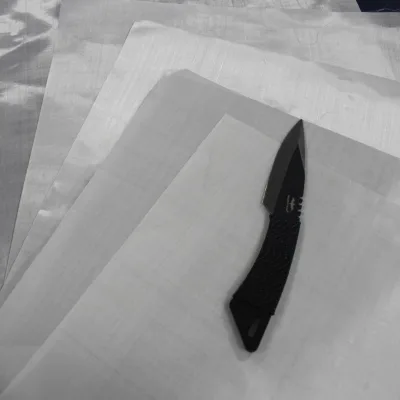
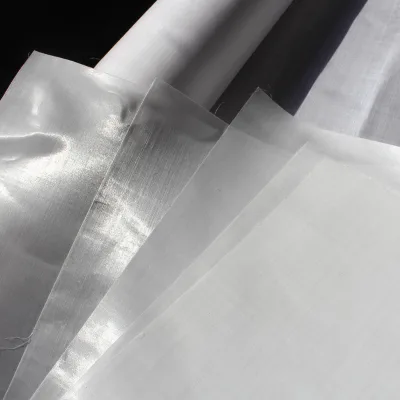
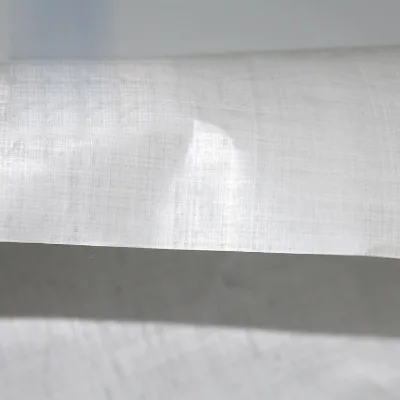
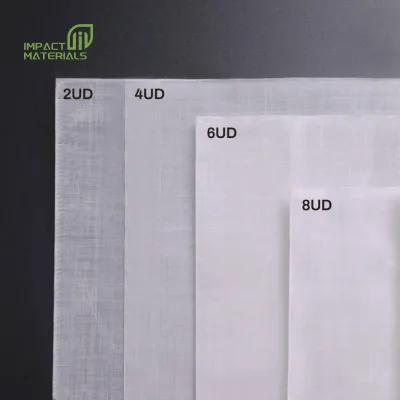
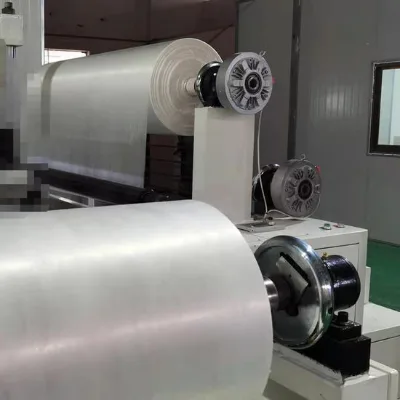


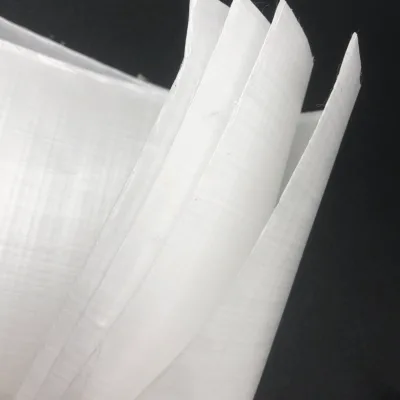
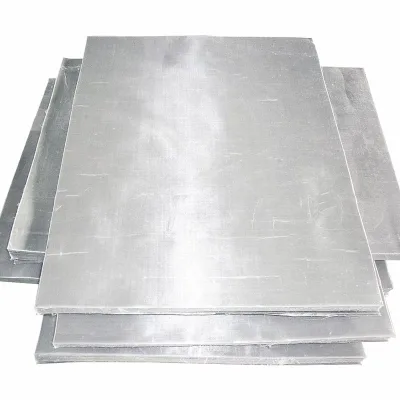


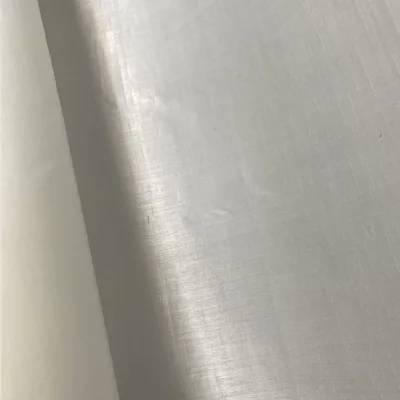

Waterproof High Strength Aramid Ud Explosion Proof Bomb Security Blanket
$233.00 - $1000.00
MOQ: 1 Pieces
Comprehensive Sourcing Guide
Strategic Sourcing Guide for Bulletproof Ballistic PE UD Fabric
Understanding UHMWPE UD Fabric Fundamentals
Ultra-High Molecular Weight Polyethylene (UHMWPE) Unidirectional (UD) fabric represents a critical class of advanced materials in the personal protection and ballistic defense sectors. Unlike traditional woven textiles, UD fabric consists of fibers aligned in a single direction, typically embedded within a resin matrix to create a composite structure. This alignment maximizes tensile strength and energy absorption capabilities, making it the preferred choice for modern ballistic applications. The core material composition is predominantly PE (Polyethylene), which offers a superior strength-to-weight ratio compared to aramid fibers. In the context of procurement, buyers must recognize that the "UD" designation implies a specific manufacturing process where fibers are laid parallel to one another, often utilizing Polyurethane Roller Composite Technology to ensure uniform resin distribution and structural integrity.
The physical characteristics of this material vary significantly based on the intended application. For instance, observed product attributes indicate an areal density ranging from 160 G/M2 to 18-170 GSM, with specific models like the WB674M and YS411 demonstrating distinct structural profiles. The structure is often described as "4ud," indicating a four-layer unidirectional configuration, which is essential for balancing flexibility and stopping power. Buyers should note that the material is available in various widths, with documented specifications showing sizes such as 1.26x100m and 1.6m*140m. The color is typically white, though customization is available to meet specific operational requirements. Understanding these baseline physical properties is the first step in defining a precise technical requirement before engaging with potential suppliers.
Technical Specifications and Performance Metrics
When evaluating UHMWPE UD fabric, technical specifications serve as the primary filter for supplier qualification. The material's performance is heavily dependent on its areal density, which directly correlates to the number of layers required to achieve a specific ballistic rating. For example, achieving NIJ Level IIIA protection against a 9mm projectile may require 28 layers, while protection against a .44 Magnum round might necessitate 36 layers. These layer counts are not arbitrary; they are derived from rigorous testing protocols and are critical for calculating the final weight and bulk of the protective equipment.
Tenacity, or the strength of the fiber per unit of linear density, is another vital metric. Data indicates a tenacity range of 32-40g/D, which reflects the fiber's ability to withstand tension before breaking. This high tenacity is a hallmark of UHMWPE and is crucial for dissipating the kinetic energy of a projectile. Additionally, elongation properties are listed as 200D, 400D, and 1000D, suggesting that suppliers offer fibers with varying degrees of stretch and flexibility. This variability allows manufacturers to tailor the fabric for different applications, such as rigid vests versus flexible blankets.
The resin content is also a defining specification. One observed standard specifies a composition of 20% resin and 80% UHMWPE fiber. This ratio is critical because too much resin can make the laminate brittle, while too little can fail to bind the fibers effectively during impact. The composite process, specifically the Polyurethane Roller Composite Technology, ensures that this ratio is maintained consistently across the roll. Buyers must verify that the supplier can maintain this precise chemical balance, as deviations can compromise the ballistic performance. Furthermore, the fabric is often treated with features such as Anti-static, Anti-UV, and Anti-Bacterial properties, which extend the service life and usability of the material in harsh environments.
Compliance, Certification, and Standard Verification
Navigating the regulatory landscape for ballistic materials requires a meticulous approach to certification and standard verification. The market is governed by a complex array of international and national standards, and a compliant product must meet the specific criteria of the target market. For instance, the GA 141—2010 standard is referenced with a classification of LV1-6, while the GOST R 50744-95 standard also cites LV1-6A. These designations indicate the specific level of protection and the testing conditions under which the fabric was validated.
In the United States, the National Institute of Justice (NIJ) standards are the benchmark. The NIJ 010106 standard is frequently cited, with observed products claiming LV1-4 compliance. Additionally, specific test results for NIJ Level IIIA are documented, detailing the layer counts required for 9mm and .44 Magnum threats. European compliance often involves the HOSDB (Home Office Scientific Development and Advisory) standards, with ranges like HO01-HO04 and SG1 being relevant. Similarly, the German Technische Richtlinie (TR) uses the SKL-SK4 classification system. Buyers must not assume that a single certification covers all regions; a fabric certified for one standard may not automatically meet the requirements of another without re-testing.
Beyond specific ballistic standards, general quality management certifications are essential for supplier reliability. While ISO9001 is mentioned as a background standard, the specific product certifications observed include CE marking and ISOComposite Process validation. The CE certification indicates conformity with health, safety, and environmental protection standards for products sold within the European Economic Area. It is imperative for buyers to request current, valid certificates for each specific product model, such as the UD-001-#85644 or UD-001-#0907, rather than accepting generic company-level certifications. Verification of these documents should be a mandatory step in the supplier evaluation process to ensure legal and operational compliance.
Cost Drivers and Procurement Economics
The pricing of UHMWPE UD fabric is influenced by a multitude of factors, creating a wide observed range from $1.33 to $1000 per unit. This variance is not merely a reflection of brand prestige but is driven by technical specifications, order volume, and customization requirements. The primary cost driver is the areal density and the total weight of the material. Heavier fabrics with higher GSM (grams per square meter) require more raw UHMWPE fiber and resin, directly increasing the material cost. Additionally, the number of layers required for a specific ballistic rating significantly impacts the final price, as more layers mean more material and more processing time.
Order volume plays a decisive role in unit pricing. The Minimum Order Quantity (MOQ) ranges from 1 to 10,000 units, offering flexibility for both prototyping and mass production. Small orders are generally accepted, but the unit cost will be higher due to the setup and handling overhead. For large-scale procurement, buyers can negotiate better rates, especially when utilizing flexible payment terms. Some suppliers offer payment structures based on weight, such as 50~600(g/㎡), which allows for cost calculation based on the actual material usage rather than a fixed per-unit price.
Customization is another significant cost factor. While the base fabric is often available in standard white, requests for camouflage patterns, specific dimensions, or tailored resin compositions will incur additional charges. The packing method also affects the final cost; options range from simple plastic bags to complex packaging involving pearl cotton, cartons, wrap film, and packing tape. Buyers should carefully evaluate whether premium packaging is necessary for their logistics chain or if standard packing suffices to reduce overall expenditure. Understanding these variables allows procurement teams to optimize their budget without compromising on the essential ballistic performance of the fabric.
Typical Applications and Functional Versatility
The versatility of UHMWPE UD fabric extends far beyond simple body armor, making it a critical component in a wide array of protective systems. The primary application remains personal protection, specifically in the manufacturing of bulletproof vests and helmets. The high strength-to-weight ratio of the material allows for the creation of lightweight, comfortable vests that do not impede the wearer's mobility. The observed usage areas explicitly include Marine Fishery and Personal Protection, highlighting its adaptability to both industrial and military contexts.
Beyond vests, the fabric is extensively used in explosion-proof blankets and vehicle armor. The "Bulletproof" feature is a core attribute, but the material's ability to absorb and dissipate energy makes it ideal for blast mitigation. In marine environments, the Anti-UV and Anti-Bacterial properties are particularly valuable, protecting equipment from degradation due to sun exposure and saltwater corrosion. The fabric is also utilized in the construction of ballistic shields and hard armor plates, where the 4ud structure provides the necessary rigidity to stop high-velocity projectiles.
The functional scope also includes specialized industrial applications. The "Function" attribute lists "Anti-impact," suggesting use in scenarios where impact resistance is required but ballistic protection is not the primary goal. This could include protective gear for law enforcement, security personnel, or workers in high-risk industrial zones. The material's composition, being primarily PE, also offers chemical resistance, making it suitable for environments where exposure to harsh chemicals is a concern. The warranty periods, such as the observed 5-year warranty, further indicate the material's durability and suitability for long-term deployment in demanding conditions.
Supplier Evaluation and Quality Control Protocols
Selecting a reliable supplier for UHMWPE UD fabric requires a rigorous evaluation process that goes beyond price comparison. Buyers must assess the supplier's technical capabilities, including their proficiency in the Polyurethane Roller Composite Technology. The consistency of the resin distribution is critical; any variation can lead to weak points in the laminate that could fail under ballistic stress. Suppliers should be able to demonstrate their production capacity and quality control measures, such as in-line testing of fiber alignment and resin content.
Origin and location are also important factors. Products are observed to originate from regions such as Beijing and Zhejiang, China. While these regions have established manufacturing bases, buyers should verify the specific factory's track record and capacity. The "Place of Origin" should be clearly stated on all documentation to ensure traceability. Additionally, the supplier's ability to handle small orders and negotiate terms is a sign of flexibility and customer focus. The acceptance of small orders indicates a willingness to work with startups or for prototyping, which is beneficial for buyers in the early stages of product development.
Quality control protocols must be strictly enforced. Buyers should request detailed test reports for each batch of fabric, verifying that the areal density, tenacity, and layer counts match the specifications. The presence of certifications like CE and ISOComposite Process validation should be confirmed against the specific product model. It is also essential to verify the "Small Orders" policy and the "Customization" availability to ensure the supplier can meet specific project needs. A supplier that offers flexible packing options, such as strong cartons or negotiated packaging, demonstrates a commitment to protecting the product during transit, which is a key indicator of overall quality management.
Long-Term Procurement and Supply Chain Stability
Sourcing UHMWPE UD fabric is not just a one-time transaction but a long-term partnership that requires careful planning for supply chain stability. The lead times and production capacity of the supplier are critical factors in maintaining operational continuity. While specific lead times are not universally standardized, buyers should establish clear agreements regarding delivery schedules, especially for large orders where the MOQ might be 10,000 units. The ability to negotiate payment terms and delivery conditions is essential for managing cash flow and inventory levels.
Warranty and after-sales support are also vital considerations. The observed 5-year warranty suggests a commitment to product longevity, but buyers must understand the terms and conditions of this warranty. Does it cover material defects, or does it include performance guarantees under specific usage conditions? Clear documentation of the warranty is necessary to protect the buyer's investment. Furthermore, the availability of spare parts or replacement fabric rolls should be considered, as supply chain disruptions can be costly in the defense and security sectors.
Finally, buyers should monitor the market for changes in raw material costs and regulatory standards. The UHMWPE market is dynamic, with fluctuations in fiber prices and resin costs affecting the final product price. Maintaining a relationship with a supplier who offers flexible pricing models, such as weight-based payment terms, can help mitigate these risks. By focusing on technical compliance, supplier reliability, and long-term support, buyers can ensure a stable supply of high-quality UHMWPE UD fabric for their critical protection needs.
FAQs
What is the standard composition of Bulletproof Ballistic PE UD Fabric?
The standard composition is typically 20% resin and 80% UHMWPE fiber. This specific ratio ensures optimal binding of fibers while maintaining flexibility and preventing brittleness during high-impact events.
Which certification levels does the fabric meet for ballistic protection?
The fabric meets various international standards including NIJ 010106 LV1-4 and GA 141-2010 LV1-6. It also complies with GOST R 50744-95 LV1-6A and HOSDB HO01-HO04 requirements for different threat levels.
How many layers are required for NIJ Level IIIA protection?
Achieving NIJ Level IIIA protection against a 9mm projectile requires 28 layers of the fabric. For a .44 Magnum round, the requirement increases to 36 layers to ensure sufficient energy absorption.
Can buyers order small quantities of this ballistic fabric?
Yes, small orders are accepted with a minimum order quantity ranging from 1 to 10,000 units. This flexibility allows for prototyping and small-scale production runs without requiring massive initial inventory.
What are the available width and length specifications for the rolls?
Common specifications include widths of 1.26 meters by 100 meters or 1.6 meters by 140 meters. The fabric is typically supplied in white, though custom colors and dimensions can be negotiated.
Which features help extend the service life of the fabric?
The fabric includes anti-static, anti-UV, and anti-bacterial features to enhance durability. These properties protect the material from environmental degradation, making it suitable for marine and outdoor applications.
What is the typical tenacity range for this UHMWPE fiber?
The tenacity of the fiber ranges from 32 to 40 grams per denier. This high strength-to-weight ratio is critical for dissipating kinetic energy effectively during ballistic impacts.