Source Bumper Upper Bracket for Toyota, Repair, and Replacement
Find 30 verified listings for the Bumper Upper Bracket suitable for Toyota vehicles and general repair needs. Buyers can compare specifications, prices, and shipping terms from suppliers in China to find the right part for their requirements.
Key considerations
Products List


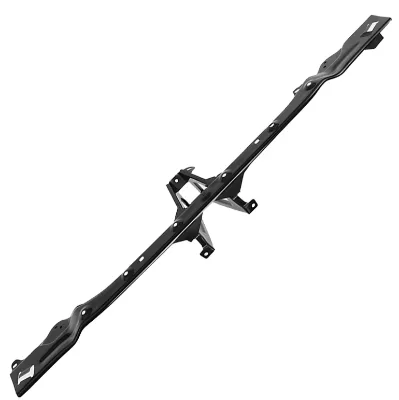
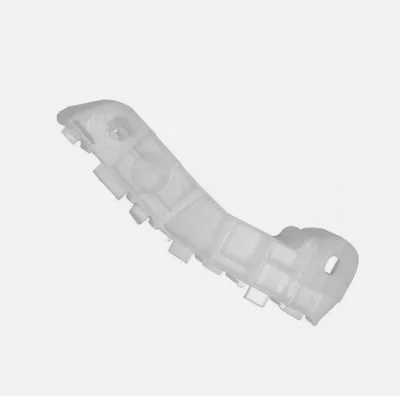


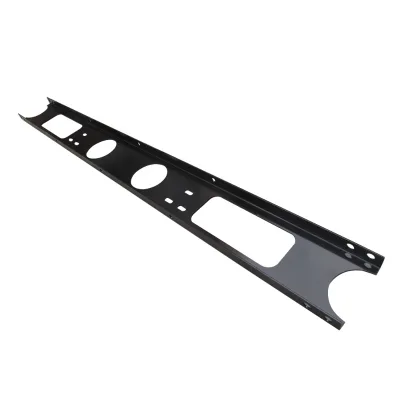

Auto Spare Part Rear Bumper Side Bracket for ED8b-17A882-a/ED8b-17A881-a
$1.00 - $100.00
MOQ: 100 Pieces

Car Parts Front Bumper Bracket (SMALL) R/L for Gn15-17ab69ad/Gn15-17ab70ad
$1.00 - $100.00
MOQ: 100 Pieces

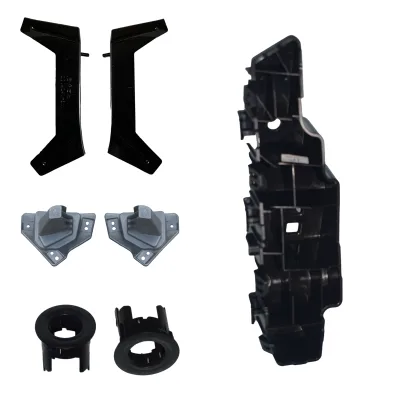


Comprehensive Sourcing Guide
Bumper Upper Bracket Sourcing Guide
Sourcing bumper upper brackets requires a disciplined approach to aligning component specifications with vehicle compatibility and structural integrity. These brackets serve as critical mounting points that secure the upper section of the bumper assembly to the vehicle’s frame or radiator support. In the context of commercial and passenger vehicles, particularly those from brands like Toyota, the integrity of this connection directly influences crash performance, alignment stability, and overall safety. Buyers must recognize that while the component may appear simple, its material composition and manufacturing precision dictate its longevity and resistance to vibration-induced fatigue.
The procurement landscape for these parts is characterized by a mix of original equipment manufacturer (OEM) equivalents and aftermarket replacements. Listings often highlight customization options and OEM compatibility, suggesting a market rich in both direct replacements and modified solutions. However, the presence of multiple model numbers and varying material types, such as steel and plastic, indicates that buyers cannot rely on generic part names alone. A thorough verification process is essential to ensure that the selected bracket matches the specific chassis requirements, load-bearing needs, and environmental conditions of the target vehicle fleet.
Product Scope and Observed Listing Signals
The current market signals indicate a diverse range of bumper upper brackets available from suppliers primarily located in China, with specific origins noted in Zhejiang and Shandong provinces. Listings reveal a wide spectrum of product attributes, including materials ranging from steel to plastic, and finishes that vary from original colors to plated options. This diversity suggests that buyers are presented with choices based on cost, durability, and aesthetic requirements. The availability of neutral packing or client-requested packaging further indicates that these components are often intended for distribution through third-party channels or for private labeling, requiring careful attention to branding and logistics preferences.
Observed listing data highlights significant variations in packaging and shipping parameters, which directly impact procurement logistics. Single package sizes range from compact dimensions of 15x15x10 cm to larger configurations of 140x30x30 cm, reflecting differences in bracket size and protective packaging needs. Shipping terms include options via DHL, FedEx, EMS, UPS, as well as sea and air freight, allowing buyers to balance speed against cost. The presence of products described as "in stock" alongside lead times of 3-35 days suggests that inventory availability is not uniform, necessitating early communication with suppliers to confirm stock levels and delivery schedules for urgent repair or replacement needs.
Technical Specifications to Verify
Verifying technical specifications is paramount when sourcing bumper upper brackets, as compatibility is often tied to specific model numbers and part codes. Listings reference various model identifiers, such as 6400A526, 6400A593, and others associated with heavy-duty or commercial vehicle applications. Buyers must cross-reference these codes with their vehicle’s service manuals or existing part numbers to ensure a precise fit. The distinction between steel and plastic materials is particularly critical, as steel offers higher tensile strength and durability for heavy loads, while plastic may be used for lighter applications or where corrosion resistance is prioritized over raw strength.
Dimensional accuracy and weight specifications also play a crucial role in the selection process. Single gross weights observed in listings range from 1.000 kg to 5.000 kg, indicating substantial variation in material usage and structural design. Buyers should request detailed technical drawings or dimensional data sheets to verify that the bracket’s mounting holes, curvature, and overall geometry match the vehicle’s chassis points. Additionally, the condition of the product, typically listed as "New," should be confirmed to ensure that no refurbished or used components are inadvertently supplied, which could compromise safety and performance.
Compliance and Safety Documentation
Compliance with safety standards is a non-negotiable aspect of sourcing automotive structural components. While specific certification details may vary by supplier, the presence of CE certification in some listings indicates adherence to certain European safety and quality benchmarks. Buyers should verify that all supplied brackets meet the relevant safety regulations for the destination market, whether it is the European Union, North America, or Asia. This verification process should include requests for material safety data sheets and proof of compliance with industry-specific standards that govern automotive part manufacturing and performance.
Documentation regarding quality control processes is equally important for ensuring consistent product quality. Listings often mention high-quality QC standards, but buyers must seek concrete evidence of these claims, such as inspection reports or quality assurance certificates. Understanding the testing protocols used by the supplier, including stress tests, corrosion resistance tests, and dimensional accuracy checks, provides insight into the reliability of the components. Buyers should insist on transparent documentation that outlines how the supplier ensures that each batch of brackets meets the specified technical and safety requirements before shipment.
Cost Drivers and Commercial Terms
Cost drivers for bumper upper brackets include material costs, manufacturing complexity, and order volume. The observed price range of 0.83 to 1500 USD reflects the disparity between simple plastic components and more complex steel assemblies or bulk orders. Minimum order quantities (MOQs) typically range from 1 to 1000 pieces, with some listings specifying an MOQ of 10 pieces, which offers flexibility for small-scale repairs or initial sampling. Buyers should negotiate terms based on their volume requirements, keeping in mind that larger orders may yield better unit prices but require greater storage capacity and capital investment.
Commercial terms and payment methods are also key factors in the procurement process. Common payment terms include T/T, PayPal, and Western Union, providing various options for securing transactions. Buyers should carefully evaluate the security and convenience of each method, considering factors such as transaction fees, currency exchange rates, and buyer protection policies. Additionally, understanding the delivery terms, which can range from 3 to 35 days, is essential for planning inventory replenishment and managing customer expectations. Clear communication regarding shipping responsibilities, insurance, and potential delays will help mitigate risks associated with international trade.
Supplier Qualification and Quality Control
Supplier qualification involves assessing the manufacturer’s capability to produce consistent, high-quality bumper upper brackets. Buyers should prioritize suppliers with a proven track record in automotive parts manufacturing, particularly those specializing in components for specific brands like Toyota. The availability of OEM services and customization options suggests that these suppliers have the technical expertise to meet diverse customer requirements. Verifying the supplier’s production facilities, including their machinery, quality control labs, and workforce training, provides confidence in their ability to deliver reliable products.
Quality control measures should be integrated into the procurement process to ensure that received goods meet specified standards. Buyers should implement incoming inspection protocols that check for dimensional accuracy, material integrity, and surface finish. Requesting pre-shipment samples or conducting third-party inspections can help identify potential defects before the goods are shipped. Establishing a clear communication channel with the supplier for addressing quality issues and defining return or replacement policies is crucial for maintaining supply chain reliability and minimizing disruptions.
Long-Term Procurement Checks
Long-term procurement success depends on continuous monitoring of supplier performance and market trends. Buyers should regularly review supplier delivery times, product quality, and responsiveness to issues to ensure that the partnership remains beneficial. Tracking changes in material costs, regulatory requirements, and technological advancements in bracket design can help buyers stay ahead of potential disruptions and make informed sourcing decisions. Building a diversified supplier base can also mitigate risks associated with single-source dependencies, ensuring continuity of supply even in the face of unforeseen challenges.
Maintaining accurate records of part numbers, specifications, and supplier interactions is essential for efficient inventory management and future procurement. Buyers should establish a centralized database that tracks the performance of each supplier and the quality of their products over time. This data-driven approach enables buyers to identify top-performing suppliers, negotiate better terms, and make strategic decisions about inventory levels and sourcing strategies. By focusing on long-term relationships and continuous improvement, buyers can optimize their procurement processes and ensure the reliable supply of high-quality bumper upper brackets.
FAQs
What certifications do the bumper upper brackets have?
The products carry CE certification as a standard attribute. This ensures compliance with relevant safety and quality regulations for automotive components. Buyers can verify this certification status directly in the product specifications before placing an order.
Can I request custom packaging for these brackets?
Customization is available for packaging requirements including neutral packing or client-specific requests. The standard options include wooden boxes or pallets depending on the specific model. Buyers should specify their preferred packaging type during the inquiry process.
Which car brands are these brackets suitable for?
These brackets are explicitly suitable for Toyota car brands. The product attributes list Toyota as a compatible brand for the specific models like 6400A526. Buyers should confirm model compatibility with their specific vehicle requirements before purchasing.
How long is the delivery time for these parts?
The delivery time ranges from 3 to 35 days depending on the order specifics. This lead time applies to the standard shipping terms offered by the supplier. Buyers should plan their inventory accordingly based on this estimated window.
What is the minimum order quantity for these brackets?
The minimum order quantity is 10 pieces for most items. Some listings indicate an MOQ range starting from 1 up to 1000 units. Buyers should check the specific product page for the exact MOQ applicable to their selected model.
Are these bumper brackets new condition items?
Yes, the product condition is listed as new for all available items. This ensures that buyers receive unused components ready for installation or repair. The new status is a consistent attribute across the provided product listings.
What materials are used to make these brackets?
The brackets are manufactured using steel and plastic materials. Specific models may vary in material composition, with steel being a primary material for structural components. Buyers should review the material specification for each individual model number.
Can I get OEM parts with specific model numbers?
OEM parts are available with specific model numbers such as 6400A526 and 6400A593. The supplier supports OEM customization to match original equipment specifications. Buyers can request parts that correspond to their exact vehicle model requirements.