Source Bumper Assembly for Nissan, Speed Bump, and Car Repair
Find 30 verified listings for Bumper Assembly compatible with Nissan vehicles and speed bump applications. Buyers can compare specifications, certifications, and pricing for original dismantled parts and new injection molded options.
Key considerations
Products List


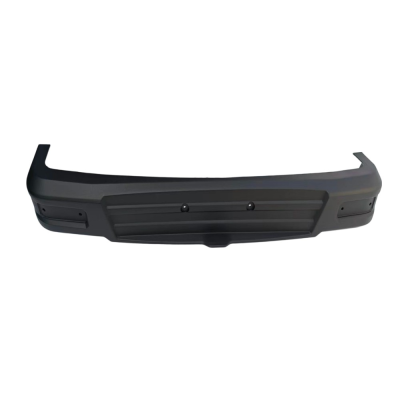
Vehicle-Specific Rear Bumper Assembly with Precision Fit and Surface Texture Design
$170000.00 - $200000.00
MOQ: 1 Sets


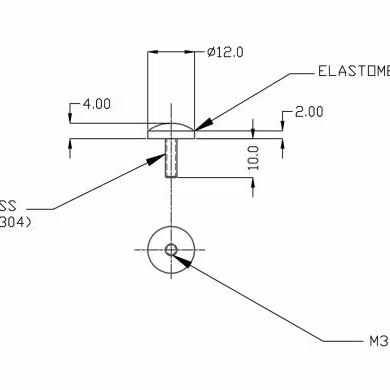


Round Rubber Bumpers with Good Performance
$0.50 - $3.00
MOQ: 2000 Pieces
Ningbo High-Tech Park Unimolding Rubber & Plastic Parts Co., Ltd.




Comprehensive Sourcing Guide
Bumper Assembly Sourcing Guide
Sourcing bumper assemblies requires a nuanced understanding of the diverse product landscape, which ranges from original dismantled parts to newly manufactured injection-molded components. Buyers must first distinguish between the specific type of bumper required, as the market lists items explicitly labeled as "Rear Bumper" and "Front Bumper," alongside generic classifications simply marked as "Bumper." The condition of the part is a critical initial filter; listings indicate the availability of "Original Dismantled Part, Good Condition" units, which may appeal to cost-sensitive repairs, while other suppliers offer brand-new components manufactured via injection molding. This distinction dictates the entire procurement strategy, as dismantled parts rely on existing inventory and condition grading, whereas new assemblies depend on mold cavities, material consistency, and surface finish processes like polishing.
The application scope further complicates the selection process, with specific compatibility noted for brands such as Nissan, while other entries suggest broader automotive applications. Buyers should verify whether the assembly is designed for naturally aspirated engines or specific vehicle architectures, as indicated by attributes like "Compatible Type: Naturally." Additionally, the physical nature of the product varies significantly; some listings describe rubber-based speed bumps with specific dimensions, while others detail metal or composite fiber-reinforced plastic structures intended for vehicle impact absorption. Understanding these variations is essential to ensure that the sourced component matches the vehicle’s structural requirements and the intended repair or manufacturing use case.
Product Scope and Observed Listing Signals
The observed market signals reveal a wide variance in product specifications, packaging, and logistical requirements that directly impact procurement decisions. Product names range from specific identifiers like "Rear Bumper" to generic terms, and models such as "42060" and "42080" suggest standardized part numbering systems that buyers should cross-reference with vehicle service manuals. Packaging methods are equally diverse, including neutral packaging, wooden cases shipped by sea, wooden frames, pallets with boxes, and woven bags for smaller items like speed bumps. These packaging differences are not merely logistical details; they reflect the fragility and value of the item, with heavier or more delicate assemblies requiring robust protection to prevent damage during transit, especially when sourced from origins like Zhejiang, China (Mainland).
Material composition is another critical signal, with listings citing "Mental" (likely a typo for Metal), "Rubber," and "Lightweight Hybrid Materials" such as composite fiber-reinforced plastic. These materials dictate the durability, weight, and installation method of the final product. For instance, assemblies featuring "Complete Clips" and an "Intact Structure" suggest a "Ready to Install" solution that requires no modification, a significant value-add for repair shops aiming to minimize labor time. Conversely, rubber-based products with weights ranging from 20kg/set to 300kg/set indicate heavy-duty applications, possibly for industrial or traffic management rather than standard automotive repair. Buyers must align these material and weight signals with their specific operational needs to avoid sourcing components that are either too fragile or excessively heavy for their intended use.
Technical Specifications to Verify
Technical verification begins with confirming the physical dimensions and structural integrity of the Bumper Assembly. Standardized packaging sizes such as 50x48x36cm and 35x10.5x12.5cm provide baseline volume estimates for logistics planning, but the actual product dimensions must be verified against the vehicle’s mounting points. The operating temperature range of -40℃ to +120℃ is a crucial specification for automotive components, ensuring that the material will not degrade or become brittle under extreme environmental conditions. Buyers should request detailed dimensional drawings to confirm that the assembly fits within the required spatial constraints, particularly for front and rear bumpers where clearance and aerodynamic profiles are critical.
The manufacturing process and surface finish are equally important technical factors. Listings indicate the use of "Injection Mould" with a "Single Cavity" mold, which can affect production lead times and consistency. Surface finishes like "Polishing" and precision manufacturing processes such as "Laser Flying Welding Technology" suggest high-quality aesthetic and structural standards. Buyers must verify if the color options, such as black or black and yellow, match the vehicle’s existing paint scheme or if painting is required. Additionally, the presence of accessories like complete clips and the condition of the structure should be inspected to ensure that the assembly is truly "Ready to Install" without the need for additional fabrication or modification.
Compliance and Safety Documentation
Compliance and safety documentation are non-negotiable for bumper assemblies, particularly those intended for road-legal vehicles. Certifications such as TUV, GS, and ISO are frequently cited, indicating that the manufacturer adheres to recognized quality and safety standards. Buyers must verify the validity and scope of these certifications, ensuring they cover the specific product line and material composition. For instance, ISO/TS certifications may relate to automotive quality management systems, while ISO9001:2000 and CE marks suggest broader compliance with international quality and safety directives. These documents provide assurance that the component has undergone rigorous testing and meets regulatory requirements for durability and safety performance.
In addition to certifications, buyers should request test reports and material safety data sheets (MSDS) to verify the chemical and physical properties of the bumper. This is particularly important for components made from composite fiber-reinforced plastic or rubber, which may have specific flammability or toxicity considerations. The "Condition: New" or "Original Dismantled Part" status should be accompanied by inspection reports that detail any wear, damage, or structural defects. For speed bumps or heavy-duty rubber products, compliance with traffic safety standards and load-bearing capacities must be confirmed to ensure they meet local regulatory requirements for public or private infrastructure use.
Cost Drivers and Commercial Terms
Cost drivers for bumper assemblies are influenced by material type, manufacturing complexity, and order volume. The observed price range of $0.01 to $200,000 USD reflects the vast difference between small rubber accessories and large, complex vehicle assemblies. Minimum Order Quantities (MOQ) ranging from 1 to 2000 units allow for flexibility, but buyers should be aware that lower MOQs may come with higher per-unit costs. The customization availability and the ability to produce "Customized" parts can also impact pricing, as tooling and setup costs are amortized over fewer units. Buyers should negotiate based on volume tiers and consider the total landed cost, including shipping and insurance, rather than just the unit price.
Commercial terms such as delivery time and payment conditions are critical for supply chain planning. Lead times vary, with some suppliers offering delivery within 10-15 days after deposit, while others indicate a 30-day turnaround. These timelines should be factored into production schedules or repair workflows to avoid delays. The logistics method, whether express delivery or sea freight, also affects cost and speed. Buyers should clarify the Incoterms, such as FOB or CIF, to understand who bears the risk and cost during transit. Additionally, sample acceptance policies should be leveraged to verify quality before committing to large orders, ensuring that the final product meets the specified standards and expectations.
Supplier Qualification and Quality Control
Supplier qualification is a multi-step process that begins with verifying the manufacturer’s production capabilities and quality management systems. Buyers should assess whether the supplier uses advanced processes like laser flying welding and injection molding, which indicate a higher level of technical proficiency. The origin of the product, such as China, should be cross-referenced with the supplier’s track record and export history. Quality control measures should include in-process inspections and final random inspections (FRI) to ensure that the bumper assemblies meet the specified dimensions, material properties, and surface finish requirements. Buyers should request evidence of these QC processes, such as inspection reports or photos of the production line.
The condition of the product, whether new or dismantled, requires specific quality checks. For new parts, buyers should verify the integrity of the mold cavities and the consistency of the surface finish. For dismantled parts, a thorough inspection for cracks, dents, and missing clips is essential. The "Intact Structure" and "Complete Clips" attributes should be physically verified upon receipt. Buyers should also establish a clear acceptance criteria document that outlines the acceptable tolerances and defect rates. This document should be agreed upon with the supplier before production begins to minimize disputes and ensure that the delivered goods meet the buyer’s quality standards.
Long-Term Procurement Checks
Long-term procurement success depends on establishing a robust supplier relationship and continuous performance monitoring. Buyers should conduct periodic audits of the supplier’s quality control processes and production capacity to ensure consistency over time. This includes verifying that the supplier maintains the same level of certification and compliance as the initial order. Regular feedback loops should be established to address any quality issues or delivery delays promptly. Buyers should also monitor market trends and technological advancements in Bumper Assembly manufacturing to ensure that their sourcing strategy remains competitive and aligned with industry best practices.
Additionally, buyers should maintain a diversified supplier base to mitigate risks associated with single-source dependencies. This involves identifying alternative suppliers who can meet the same technical and compliance requirements. Long-term contracts should include clauses for price adjustments, quality guarantees, and dispute resolution mechanisms. Buyers should also track the performance of the bumper assemblies in the field, collecting data on durability, fitment, and customer satisfaction. This data can be used to refine specifications and negotiate better terms with suppliers, ensuring that the procurement process continues to deliver value and quality over the long term.
FAQs
What certifications do the bumper assemblies hold?
The products hold TUV, GS, and ISO certifications. Some listings also reference ISO/TS and ISO9001:2000 standards. These certifications indicate compliance with specific safety and quality management requirements for automotive parts.
Can I request customization for the rear bumper?
Yes, customization is available for the rear bumper products. Buyers can request specific modifications to meet their needs. The product attributes confirm that customized options are offered alongside standard configurations.
What is the lead time for delivery after deposit?
The delivery time is typically 10 to 15 days after the deposit is received. Some listings indicate a standard lead time of 30 days. Buyers should confirm the specific timeline with the supplier before ordering.
Which materials are used for the Bumper Assembly?
Materials include metal, rubber, and composite fiber reinforced plastic. Some parts are described as lightweight hybrid materials. The specific material depends on the product model and intended application for the vehicle.
How are the products packaged for shipping?
Packaging methods include wooden cases, wooden frames, pallets with boxes, and woven bags. Neutral packaging is also available. The choice of packaging depends on the specific product type and shipping requirements.
What is the operating temperature range for these parts?
The operating temperature range is from 40 degrees Celsius to plus 120 degrees Celsius. This range ensures functionality under various environmental conditions. Buyers should verify this specification against their specific operational needs.
Are the parts compatible with Nissan vehicles?
Yes, the products are compatible with Nissan car types. The listing explicitly states Nissan as a compatible vehicle type. Buyers should verify the specific model number to ensure a proper fit for their vehicle.