Source Business Travel Luggage for Shopping, Business, and School
Compare 30 Business Travel Luggage options featuring waterproof materials, multiple sizes, and durable wheels. Buyers can evaluate specifications like ABS construction, TSA locks, and various compartment layouts for shopping, business, or school use; compare the available evidence and request quotations based on your requirements.
Updated
Key considerations
Products List

$100.00 - $650.00
MOQ: 10 Pieces


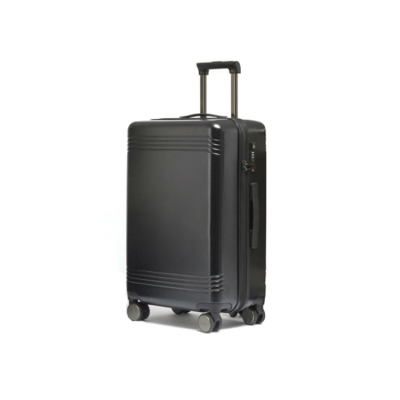


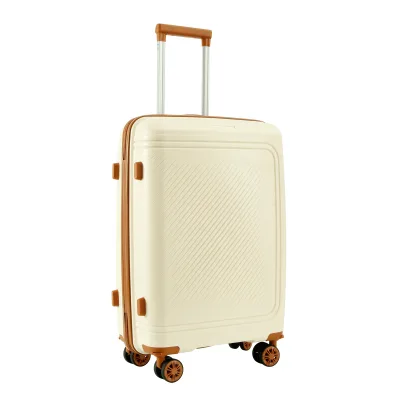
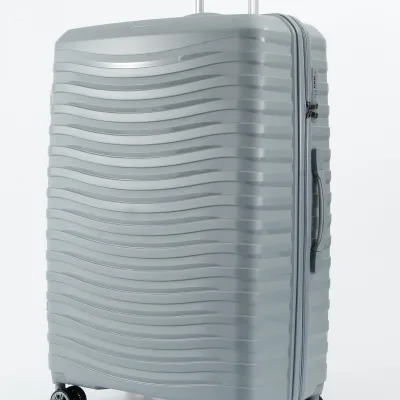


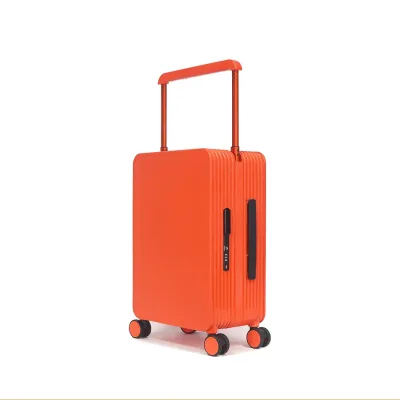
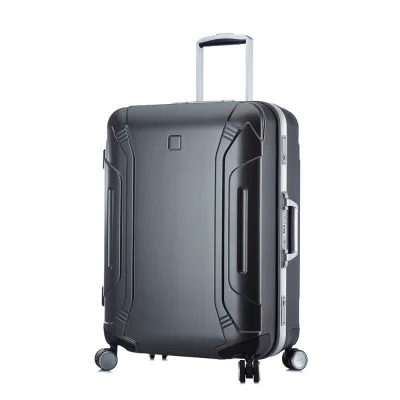
New Suitcase Set Luggage Trolley Compatible Products Trolley Manufacturer Luggage
$25.85 - $28.46
MOQ: 100 Pieces
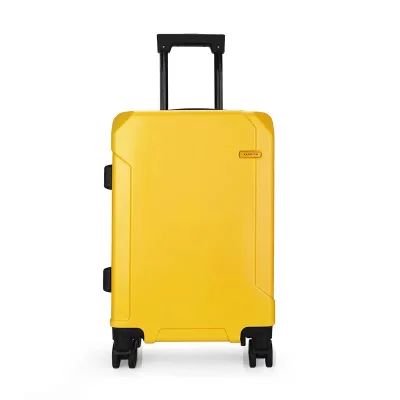

Large Capacity Suitcase Waterproof Portable Foldable Business Travel Luggage
$18.01 - $20.41
MOQ: 100 Pieces


Latest Models Travel Suitcase with Custom Private Business Travel Trolley Luggage
$46.30 - $52.48
MOQ: 100 Sets


High Quality Fashion Business Suitcase Luggage Travel Suitcase with Lower Prices
$36.36 - $41.21
MOQ: 100 Sets

Customized Suitcase Packaging Storage Travel Portable Carrying Luggage for Travel
$15.43 - $17.49
MOQ: 100 Pieces


Comprehensive Sourcing Guide
Business Travel Luggage Sourcing Guide
Sourcing Business Travel Luggage requires a strategic balance between durability, functionality, and aesthetic appeal to meet the demands of corporate clients and frequent flyers. The market offers a diverse range of options, from soft-sided leather-look bags to hard-shell ABS constructions, each serving distinct professional needs. Buyers must navigate varying material compositions, such as polyester linings or high-density nylon, to ensure the product aligns with specific brand identities and usage scenarios. Understanding these foundational differences is critical for selecting the right inventory mix that satisfies both leisure and business travel requirements.
The procurement process involves evaluating multiple product attributes, including wheel types, locking mechanisms, and internal organization systems. Observations indicate that suppliers offer features like double wheels, TSA locks, and expandable layers, which are essential for modern business travelers. Additionally, customization options are widely available, allowing companies to tailor products with specific branding or design elements. This flexibility enables buyers to create unique product lines that stand out in competitive markets, ensuring that the final goods reflect the company’s commitment to quality and attention to detail.
Product Scope and Observed Listing Signals
The current market landscape for Business Travel Luggage reveals a wide spectrum of product types, ranging from traditional suitcases to specialized leisure bags. Observed listings highlight products with specific models such as 4343, WG20-09, and XHA199, indicating a standardized yet varied production approach. Materials observed include leather, ABS, and various synthetic linings, suggesting that buyers can choose between premium aesthetics and rugged durability. The presence of both soft and partial hard hardness attributes demonstrates the flexibility in design, catering to different consumer preferences for flexibility versus protection during transit.
Listing signals also emphasize functional attributes like waterproofing, shock resistance, and scratch resistance, which are crucial for business travelers who prioritize the safety of their belongings. The inclusion of built-in or external casters, along with quality silent shock-absorbing wheels, points to a focus on ease of movement and user comfort. Furthermore, the availability of multiple sizes, including 20-inch, 24-inch, and 28-inch options, ensures that buyers can stock a comprehensive range to accommodate different travel durations. These signals collectively indicate a mature supply chain capable of meeting diverse operational requirements.
Technical Specifications to Verify
When verifying technical specifications, buyers should focus on the structural integrity and component quality of the luggage. Key areas to inspect include the trolley system, which is often made from aluminum for strength and lightness, and the handle, which may feature TPE material for ergonomic comfort. The wheels are a critical component, with observations noting the use of double wheels and silent, shock-absorbing designs to enhance maneuverability. Ensuring that these mechanical parts meet high standards is essential for maintaining product reliability and customer satisfaction over time.
Internal and external materials also require careful verification, as they directly impact the luggage’s lifespan and appearance. Buyers should confirm the density of the lining, with options like 210d or 230d high-density fabrics observed in the market. The zipper quality, often nylon-based, and the locking mechanism, whether combination or TSA-approved, are vital for security and convenience. Additionally, the packaging method, such as OPP bags or cartons, affects shipping efficiency and product protection. Verifying these specifications ensures that the final product meets the expected performance benchmarks.
Compliance and Safety Documentation
Compliance and safety documentation are paramount when sourcing Business Travel Luggage, particularly for international markets. Buyers must ensure that suppliers provide necessary certifications related to material safety, such as restrictions on harmful substances in leather or synthetic materials. Although specific certification names are not detailed in the observed data, verifying that materials meet regional standards is crucial for avoiding regulatory hurdles. This includes checking for compliance with fire safety regulations and chemical restrictions, which are common requirements in many countries.
Documentation should also cover the manufacturing process and quality control measures implemented by the supplier. Buyers should request evidence of testing for durability, such as drop tests or wheel endurance tests, to validate the product’s claims of being shock-resistant and scratch-resistant. Additionally, verifying the origin of the products, with locations like Guangzhou and Dongguan noted, can help assess the reliability of the supply chain. Ensuring that all documentation is up-to-date and accurate is essential for maintaining brand reputation and legal compliance.
Cost Drivers and Commercial Terms
Cost drivers in Business Travel Luggage sourcing are influenced by material choices, customization levels, and order quantities. The observed price range of 7.2 to 650 USD reflects significant variation based on product complexity and features. Buyers should consider how factors like the use of premium materials, such as leather or high-density linings, impact the final cost. Additionally, customization options, including branding and design modifications, can add to the overall expense but may offer higher margins through differentiated products.
Commercial terms, including MOQ and lead times, are critical for planning inventory and cash flow. The observed MOQ range of 1 to 1350 units provides flexibility for both small and large buyers. However, buyers must negotiate terms that align with their sales forecasts and storage capabilities. Understanding the packaging details, such as the number of units per carton, is also important for optimizing shipping costs. Clear communication regarding these terms helps prevent unexpected expenses and ensures a smooth procurement process.
Supplier Qualification and Quality Control
Supplier qualification is a key step in ensuring the reliability and consistency of Business Travel Luggage supplies. Buyers should assess suppliers based on their production capacity, quality control processes, and track record in the industry. Observations indicate that suppliers are located in regions like Dongguan and Guangzhou, which are known for their manufacturing expertise. Verifying the supplier’s ability to meet specific standards and handle customization requests is essential for maintaining product quality.
Quality control measures should be rigorously implemented throughout the production process. Buyers should request samples for inspection before placing large orders to verify attributes like wheel functionality, zipper durability, and material quality. Establishing clear quality benchmarks and conducting regular audits can help identify and address potential issues early. Additionally, maintaining open communication with suppliers regarding any changes in specifications or materials ensures that the final products meet the agreed-upon standards.
Long-Term Procurement Checks
Long-term procurement checks involve continuous monitoring of supplier performance and market trends to ensure sustained value. Buyers should regularly review supplier metrics, such as on-time delivery rates and defect percentages, to identify areas for improvement. Staying informed about emerging materials and technologies, such as new wheel designs or sustainable fabrics, can help buyers stay competitive. This proactive approach allows for timely adjustments in sourcing strategies to meet evolving customer demands.
Building strong relationships with suppliers is also crucial for long-term success. Regular feedback and collaboration can lead to better product development and more favorable commercial terms. Buyers should also monitor market dynamics, including price fluctuations and competitor offerings, to adjust their procurement strategies accordingly. By maintaining a flexible and informed approach, buyers can ensure that their Business Travel Luggage sourcing remains efficient, cost-effective, and aligned with business goals.
FAQs
What materials are used for Business Travel Luggage?
Business Travel Luggage is constructed from durable materials such as leather and ABS plastic. The interior lining utilizes high-density polyester or nylon fabrics to ensure longevity. These material choices provide a balance of lightweight portability and robust protection for personal items during frequent transit and business trips.
Can Business Travel Luggage be customized for branding?
Yes, customization is available for Business Travel Luggage to meet specific corporate branding needs. Buyers can request OEM services to tailor the product appearance. This flexibility allows companies to align their travel gear with their brand identity while maintaining the functional standards required for professional use.
Which sizes are available for Business Travel Luggage?
Business Travel Luggage is available in standard sizes including 20-inch, 24-inch, and 28-inch options. Some models also offer a 29-inch variant. These dimensions cater to different travel durations, allowing users to select the appropriate capacity for short business trips or extended international assignments.
How is the durability of Business Travel Luggage ensured?
Durability is ensured through features like waterproof, shock-resistant, and scratch-resistant exteriors. The luggage includes quality silent shock-absorbing wheels and aluminum trolleys. These components work together to withstand rough handling and environmental conditions, ensuring the bag remains functional and aesthetically pleasing throughout its service life.
What is the typical MOQ for Business Travel Luggage?
The typical MOQ for Business Travel Luggage ranges from 1 unit up to 1350 units depending on the supplier. Some specific models may require a minimum of one container for bulk orders. Buyers should verify the exact MOQ with the manufacturer to align with their procurement volume and budget.
Where is Business Travel Luggage typically manufactured?
Business Travel Luggage is typically manufactured in regions such as Guangzhou and Dongguan in China. These locations are known for their robust manufacturing infrastructure and supply chain efficiency. Buyers sourcing from these areas can often benefit from established production capabilities and reliable logistics networks for global distribution.