Source Butt Welded Pipe Fittings for Oil/Gas, Construction, and Machinery
Compare 30 Butt Welded Pipe Fittings from verified Chinese manufacturers. Options include carbon steel and stainless steel variants with hot rolled or fusion welding techniques for pipeline transport, machinery, and chemical industry applications; compare the available evidence and request quotations based on your requirements.
Updated
Key considerations
Products List


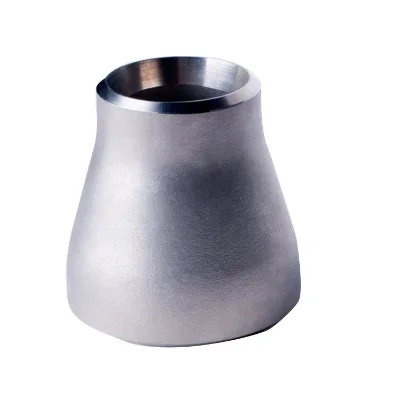
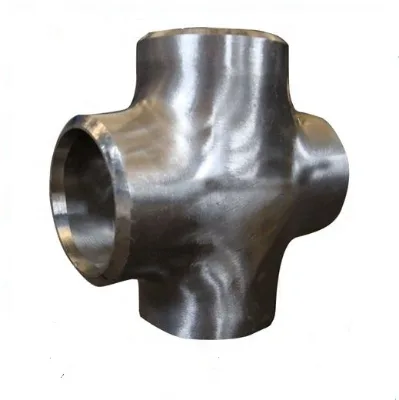


Carbon Steel Butt Welded Pipe Fitting 90 Degree Elbow and Pipe Fittings
$16.30 - $29.80
MOQ: 50 pieces




Comprehensive Sourcing Guide
Butt Welded Pipe Fittings Sourcing Guide
Procuring Butt Welded Pipe Fittings requires a disciplined approach to material verification and dimensional accuracy, as these components form the structural backbone of critical fluid transport systems. Buyers must prioritize suppliers who demonstrate rigorous control over raw material sourcing, specifically ensuring that carbon steel grades like Q235 or Q355 meet the required mechanical properties for high-pressure environments. The integrity of the weld joint is paramount, necessitating full penetration welds that are free from cracks, which directly impacts the longevity and safety of the installation.
Beyond basic material compliance, the manufacturing technique significantly influences the final product’s performance characteristics. Hot-rolled processes and electric arc fusion welding are common methods that offer high strength and stable structures, suitable for demanding applications in machinery, mining, and chemical industries. Sourcing teams should evaluate whether the supplier’s production capabilities align with specific project requirements, such as heavy load-bearing structures or specialized corrosion-resistant treatments, to ensure the fittings can withstand operational stresses without premature failure.
Product Scope and Observed Listing Signals
The market for Butt Welded Pipe Fittings exhibits a wide range of customization options, with many suppliers offering drawing customization support and OEM services to meet unique engineering specifications. Observed listings indicate that products are available in various shapes, including round sections, and can be tailored to specific dimensions such as 24 to 72 inches in diameter, allowing for flexibility in large-scale infrastructure projects. This adaptability is crucial for buyers who need to integrate fittings into existing systems with non-standard dimensions or specialized functional requirements.
Surface treatment and finishing options also vary, with black and sandblasted finishes being common observations that cater to different environmental and aesthetic needs. Some listings highlight additional features such as weather-resistant treatments for anti-corrosion performance, which is essential for outdoor or harsh industrial environments. Buyers should carefully review these surface treatment details to ensure compatibility with their specific application conditions, whether it involves pipeline transport, boiler pipes, or hydraulic systems, to prevent premature degradation.
Technical Specifications to Verify
Dimensional accuracy is a critical technical specification that buyers must verify, with some suppliers offering precision machining tolerances of ±0.1mm to ensure tight fits and reliable sealing. The available thickness range for steel plates often spans from 2mm to 50mm, providing versatility for both light-duty and heavy-duty applications. Buyers should confirm that the selected wall thickness, such as Sch20, aligns with the pressure ratings and flow requirements of their specific system design to avoid under-specification or unnecessary cost overruns.
Welding quality and process consistency are equally important technical factors that require thorough verification. Full penetration welds with no cracks are essential for maintaining structural integrity under pressure, and buyers should inquire about the specific welding processes used, such as electric arc fusion welding. Additionally, the use of advanced technologies like laser cutting and stamping parts can enhance the precision of the fittings, so verifying the supplier’s technological capabilities ensures that the final products meet the highest standards of fabrication and assembly.
Compliance and Safety Documentation
Certification status is a primary indicator of a supplier’s commitment to quality management and regulatory compliance. Many suppliers hold ISO9001 factory qualifications, which demonstrates a standardized approach to production processes and continuous improvement. Buyers should request valid certification documents to verify that the supplier’s quality management system meets international standards, ensuring that every batch of fittings is produced under controlled and audited conditions that minimize the risk of defects.
Adherence to recognized industry standards is another crucial aspect of compliance documentation. Standards such as ASME, TEMA, JIS Code, EN, and GB are commonly referenced in product listings, indicating that the fittings are manufactured to meet specific regional or global regulatory requirements. Buyers must ensure that the selected fittings comply with the relevant standards for their project location and industry sector, as non-compliant products can lead to legal liabilities, safety hazards, and project delays during inspection and commissioning phases.
Cost Drivers and Commercial Terms
Pricing for Butt Welded Pipe Fittings is influenced by several factors, including material costs, manufacturing complexity, and order volume. The observed price range varies significantly, reflecting differences in material grades, wall thicknesses, and customization levels. Buyers should analyze the total cost of ownership rather than just the unit price, considering factors such as lead times, packaging requirements, and potential additional costs for custom drawings or special surface treatments that may impact the overall budget.
Minimum order quantities (MOQ) and payment terms are key commercial considerations that affect procurement flexibility. MOQs typically range from 1 to 1000 units, allowing buyers to scale orders based on project needs and inventory constraints. It is essential to negotiate clear terms regarding packaging, such as wooden cases or pallets with plastic wrapping, to ensure safe transit and prevent damage. Understanding these commercial terms helps buyers plan their supply chain more effectively and avoid unexpected costs associated with small batch orders or special handling requirements.
Supplier Qualification and Quality Control
Supplier qualification involves a thorough assessment of their manufacturing capabilities and quality control processes. Buyers should verify that the supplier has the necessary equipment and expertise to produce high-quality Butt Welded Pipe Fittings, including advanced welding technologies and precision machining tools. Requesting samples or conducting factory audits can provide valuable insights into the supplier’s operational efficiency, consistency, and ability to meet specific technical requirements, ensuring that they are a reliable partner for long-term procurement.
Quality control measures should be clearly defined and agreed upon before production begins. This includes specifying inspection criteria for weld quality, dimensional accuracy, and surface finish, as well as defining the testing methods to be used, such as non-destructive testing for weld integrity. Buyers should also establish clear protocols for handling non-conforming products, including rejection criteria and corrective action processes, to ensure that any issues are addressed promptly and do not impact the project timeline or safety standards.
Long-Term Procurement Checks
Establishing a robust supplier relationship requires ongoing monitoring and periodic re-evaluation of performance metrics. Buyers should track key performance indicators such as on-time delivery rates, defect rates, and responsiveness to technical queries to ensure that the supplier continues to meet expectations over time. Regular communication and feedback loops can help identify potential issues early and foster a collaborative environment that supports continuous improvement and mutual growth in the procurement partnership.
Adaptability to changing market conditions and technological advancements is another critical aspect of long-term procurement success. Buyers should stay informed about industry trends, new material developments, and evolving regulatory requirements to ensure that their sourcing strategy remains relevant and competitive. By maintaining a flexible and informed approach, buyers can mitigate risks associated with supply chain disruptions and ensure that their procurement operations remain efficient, cost-effective, and aligned with their strategic business objectives.
FAQs
What materials are used for Butt Welded Pipe Fittings?
The fittings are made from Q235 or Q355 carbon steel. Some variants also utilize stainless steel for specific applications. These materials ensure high strength and stability for machinery, engineering, and equipment frames while meeting various industry standards.
Which welding processes are applied to these fittings?
Electric arc fusion welding is the primary technique used for production. This method ensures full penetration and prevents cracks in the joints. The process supports integrated welding fabrication for heavy load bearing structures and complex engineering requirements.
Can I request custom sizes for these pipe fittings?
Yes, drawing customization support is available for specific client needs. The standard sizes range from 24 to 72 inches, but custom dimensions can be arranged. This flexibility allows for tailored solutions in pipeline transport and chemical industry applications.
What certifications do the manufacturers hold?
The factories are ISO9001 qualified and comply with DIN and GB standards. Production also adheres to ASME, TEMA, JIS Code, and EN specifications. These certifications ensure quality control and reliability for international buyers sourcing from China.
How are the products packed for export?
Exporting standard packing includes wooden cases or wooden pallets with plastic wrapping. Cartons and pallets are also used as per customer requests. This secure packaging protects the fittings during transport to global destinations.
What surface treatments are available for the fittings?
Black surface treatment and sand blasting are common options provided. These treatments enhance weather resistance and anti-corrosion performance for outdoor or harsh environments. The choice depends on the specific application field such as construction or oil drilling.
What is the typical tolerance accuracy for machining?
The products feature ±0.1mm precision machining tolerance for high accuracy. This level of detail is crucial for machinery and equipment frames requiring stable structures. It ensures that the fittings fit perfectly within complex engineering assemblies.